Shopping for an electric vehicle (EV) no longer means stretching your budget to luxury-car levels. As technology has matured and more automakers have entered the space, the number of compelling EVs available for under $40,000 has grown significantly. These vehicles offer the core benefits of quiet operation, smooth acceleration, lower maintenance needs, and, of course, no more gas station stops, all in a more accessible package. Whether you're looking for a practical daily commuter, a stylish crossover, or even a fun-to-drive sedan, there are now options that don't require a premium price tag.
This guide highlights the best new and used electric cars you can find for under $40,000, and we've done the math to make sure that includes destination fees. We'll explore a range of choices, from the redesigned and value-focused Nissan LEAF to the sporty, all-wheel-drive (AWD) Toyota C-HR. We'll cover key real-world factors like driving range, charging speed, practicality, and available technology to help you decide which affordable EV is the right fit for your daily driving needs and budget.
Base price: $28,995CarGurus expert rating: 6.3 out of 10
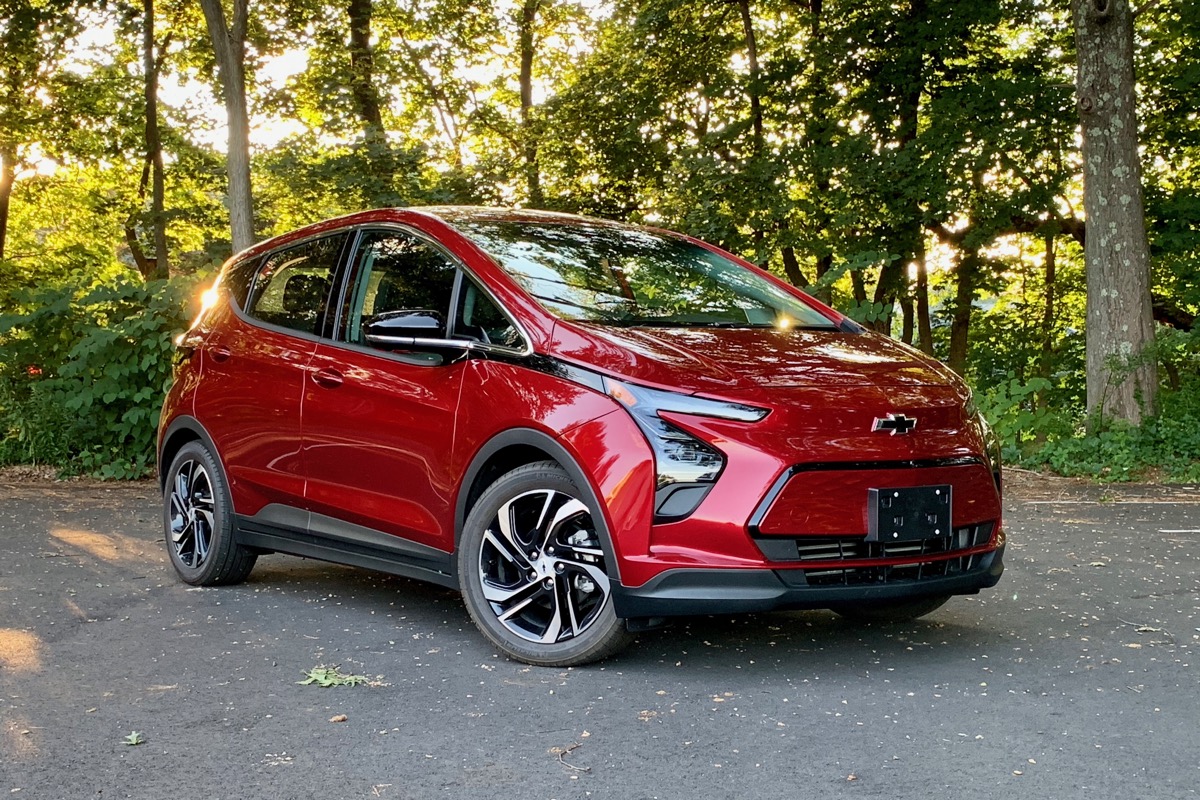
The Chevrolet Bolt EV is back, and its return is one of the more exciting stories in the affordable EV space. The all-new 2027 model arrives in the first quarter of 2026, starting at $28,995 (including destination), making it the lowest-priced electric vehicle on the market. Chevrolet has given the new Bolt a sporty, modernized design with black wheel arches and textured grille inserts, seven available colors, and a new RS trim with a more aggressive look. Inside, the cabin promises an open, airy feel with a generous number of storage cubbies, and options including heated and ventilated front seats, a heated steering wheel, and wireless device charging.
We haven't had a chance to drive the 2027 Bolt EV yet, but the spec sheet is encouraging. Chevrolet estimates 255 miles of range, and the new Bolt uses a NACS charging port, which means compatibility with the Tesla Supercharger network—a significant practical advantage at this price point. Chevrolet expects a peak DC fast-charging speed that can bring the battery to 80% in about 26 minutes. One-pedal driving and an advanced regenerative braking system are also on board, as is Vehicle-to-Home capability, which allows the Bolt to act as a temporary backup power source. An 11.3-inch touchscreen running Google Built-In rounds out a tech package that punches well above the Bolt's modest starting price. GM's Super Cruise hands-free driving system is expected to be added later in the model cycle—worth watching for.
Base price: $31,535 CarGurus expert rating: 7.8 out of 10 CarGurus user rating: 4 out of 5 Percentage of Good and Great Deals available on CarGurus: 21.5% Overall CarGurus rating: 4.2 out of 5
Pros
Cons
Stylish design
Fairly pedestrian performance
Comfortable
Cramped back seat
Excellent value for money
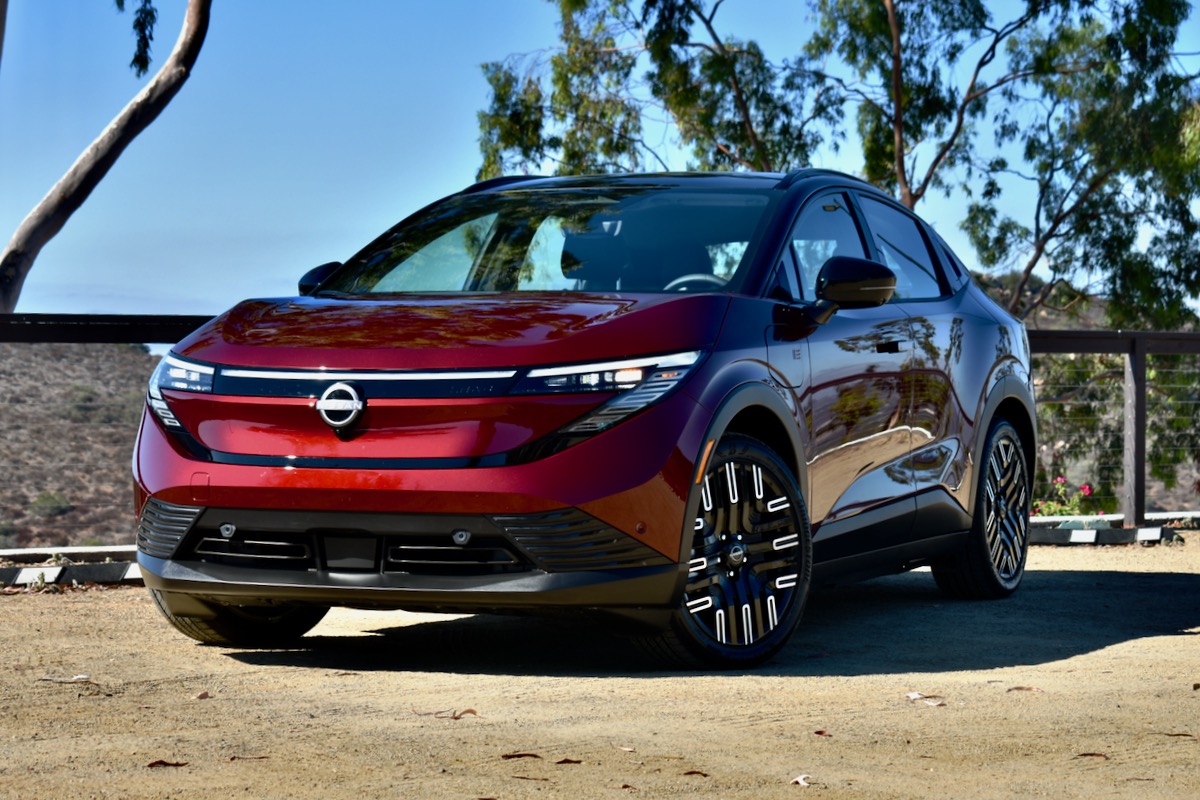
The 2026 Nissan LEAF is a long-overdue redesign of Nissan's original mainstream EV, and it returns to the under-$40,000 conversation with pricing that's unusually aggressive for a new-generation electric car. Nissan says the LEAF S+ starts at $31,485 (including destination), with SV+ at $35,275 and Platinum+ at $40,485, while range tops out at an estimated 303 miles on the S+. It also switches from CHAdeMO to the North American Charging Standard (NACS) for DC fast charging, meaning it can use Tesla Superchargers, and Nissan quotes a 10%-80% charge in 35 minutes at up to 150 kW.
In everyday use, the LEAF leans value-focused rather than premium, but it brings the cabin and tech up to date with a 12.3-inch or 14.3-inch digital instrument cluster paired with a matching center screen, plus standard wireless Apple CarPlay and Android Auto. Higher trims add Google built-in apps that can plan charging stops and precondition the battery on the way in, but that functionality isn't available on the S and S+ models, and the subscription isn't permanently included. Space is more mixed: cargo room is 20 cubic feet behind the rear seats (55.5 with them folded), while rear-seat comfort is tighter than key rivals; up front, the supportive Zero Gravity seats help. Power comes from a single front motor (174 hp and 254 lb-ft of torque in the base setup, or 214 hp and 261 lb-ft in other trims), and while the updated suspension helps ride composure, performance and handling are tuned more for commuting than for sporty driving.
The CarGurus Verdict:"The new Leaf picks up where the old one left off with low pricing, and it only occasionally reminds you of that." - Stephen Edelstein
Base price: $32,495 CarGurus user rating: 4.4 out of 5 Percentage of Good and Great Deals available on CarGurus: 21.8% Overall CarGurus rating: 3.5 out of 5
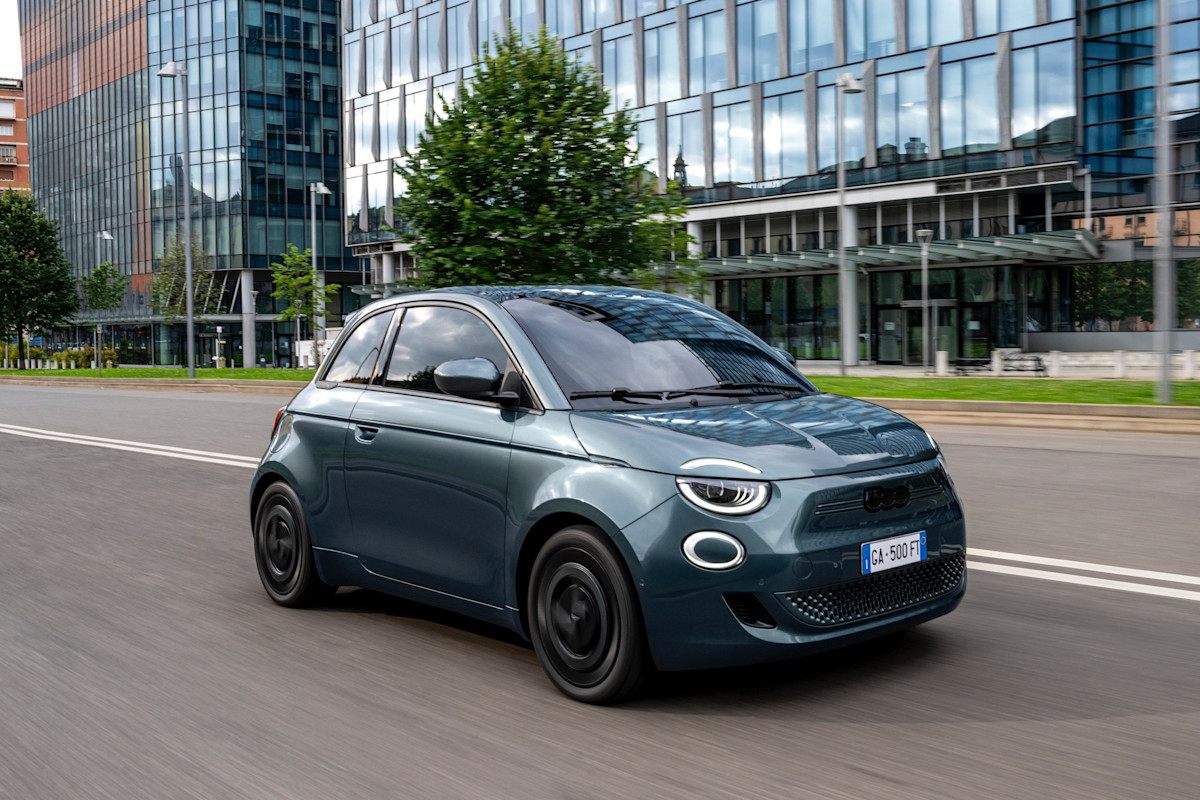
The Fiat 500e earns its place on this list by doing something few EVs attempt: making the whole experience feel like a fashion statement. Now in its second model year in the U.S., the 500e is a subcompact four-seater that pairs a cheerful, distinctly Italian design — slim LED lighting, generously sized 17-inch wheels, and a large greenhouse that fills the compact cabin with light — with a genuinely usable electric powertrain. Its 42-kilowatt-hour battery and 117-horsepower electric motor deliver an estimated 149 miles of range, with DC fast-charging capability that can reach 85% in just over 30 minutes. Standard features include wireless Apple CarPlay and Android Auto with dual-phone connectivity, wireless device charging, and Stellantis' well-regarded Connect 5 infotainment system running on a 10.3-inch touchscreen.
The 500e isn't trying to be all things to all buyers — it has just 8.3 cubic feet of cargo space and seats only four — but as an urban commuter with genuine personality, it's hard to match at this price point. The 2025 model year is expected to bring a Giorgio Armani special edition in two refined colorways, continuing the 500e's tradition of limited, fashion-forward releases. We haven't had a chance to drive one yet, and it's worth noting that availability has been limited — Fiat's U.S. dealership footprint is small, so checking local inventory before falling in love is a smart first step. Standard safety features include automatic emergency braking with pedestrian detection, lane-keeping assist, and lane-departure warning, though crash-test results from NHTSA and IIHS are not yet available.
Base price: $34,470 CarGurus expert rating: 8.3 out of 10 CarGurus user rating: 4.7 out of 5 Percentage of Good and Great Deals available on CarGurus: 97.0% Overall CarGurus rating: 4.3 out of 5
Pros
Cons
Stylish design
Fairly pedestrian performance
Standard advanced safety features
All-wheel drive not available
Multiple powertrain options
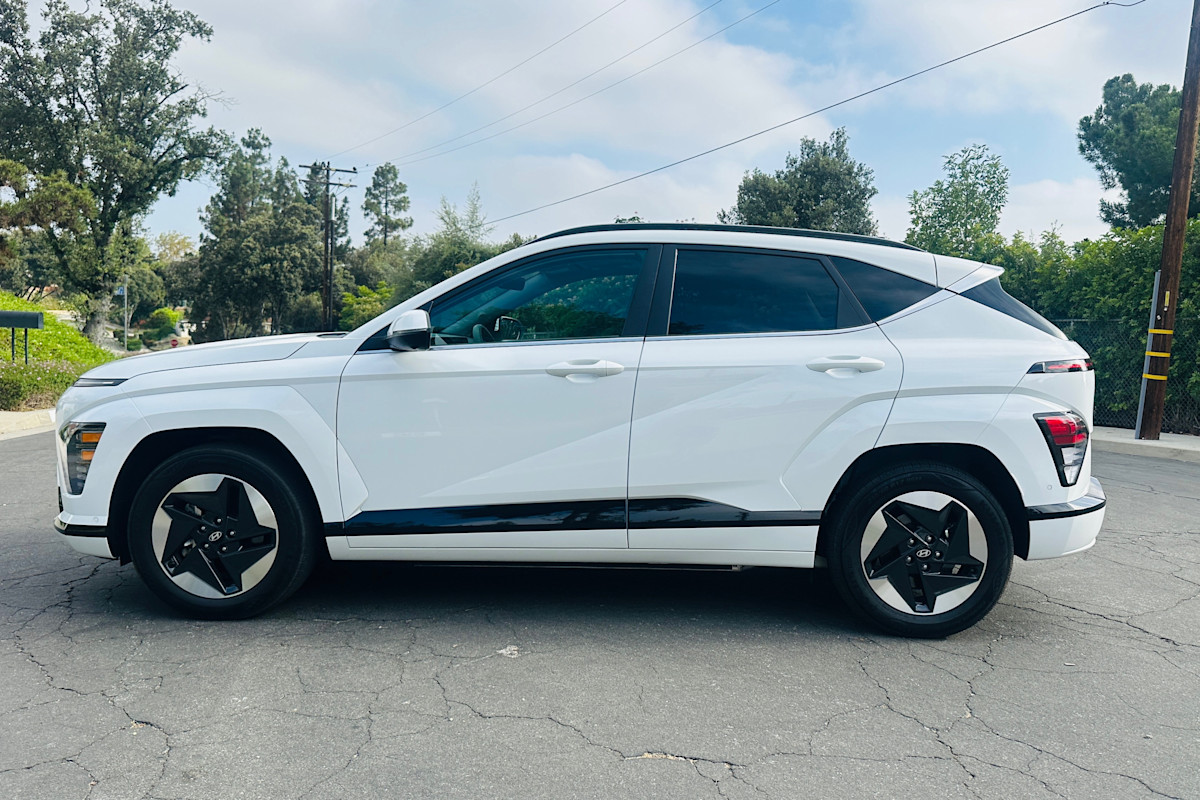
Shopping EVs under $40,000 often means prioritizing smart equipment and everyday comfort over headline-grabbing speed, and the 2025 Hyundai Kona Electric leans hard into that value equation. It starts at $34,470 including destination, and the midlevel SEL (priced at $38,470) is the sweet spot for most budgets in this price bracket. Inside, you get an airy cabin with physical HVAC controls (a welcome break from menu-diving), plus dual 12.3-inch displays and wireless Apple CarPlay and Android Auto across the lineup, with handy EV-focused screens that make it easier to track energy use on the fly.
Where you’ll want to pay attention is the powertrain choice and range: the Standard Range SE’s 48.6-kWh battery is rated for 200 miles, while the Long Range 64.8-kWh pack bumps output to 201 hp and 291 lb-ft of torque and stretches range to 261 miles (the N Line uses the larger pack but is rated at 230 miles). Front-wheel drive is the only configuration, and performance is more commuter than rocket ship—about seven seconds to 60 mph—but the ride is quiet and comfortable, with easy-to-use regen braking paddles (including true one-pedal driving). Fast-charging is merely adequate (plan on over 40 minutes for a 10% to 80% DC session), but at-home charging should be straightforward with the 11 kW onboard charger, and practicality is respectable with 25.5 cubic feet of cargo space behind the rear seats (63.7 cubic feet folded) plus a small frunk for charging cables; Hyundai’s standard SmartSense driver assists add peace of mind at this price point.
The CarGurus Verdict:"The 2025 Hyundai Kona Electric goes big on value with fresh styling, myriad features, and an excellent starting price." - Emme Hall
Base price: $36,495 CarGurus expert rating: 6.3 out of 10 CarGurus user rating: 4 out of 5 Percentage of Good and Great Deals available on CarGurus: 92% Overall CarGurus rating: 4.1 out of 5
Pros
Cons
Great handling
Potentially polarizing design
Comfortable
Unintuitive technology
Wireless Apple CarPlay/Android Auto
Poor value for money
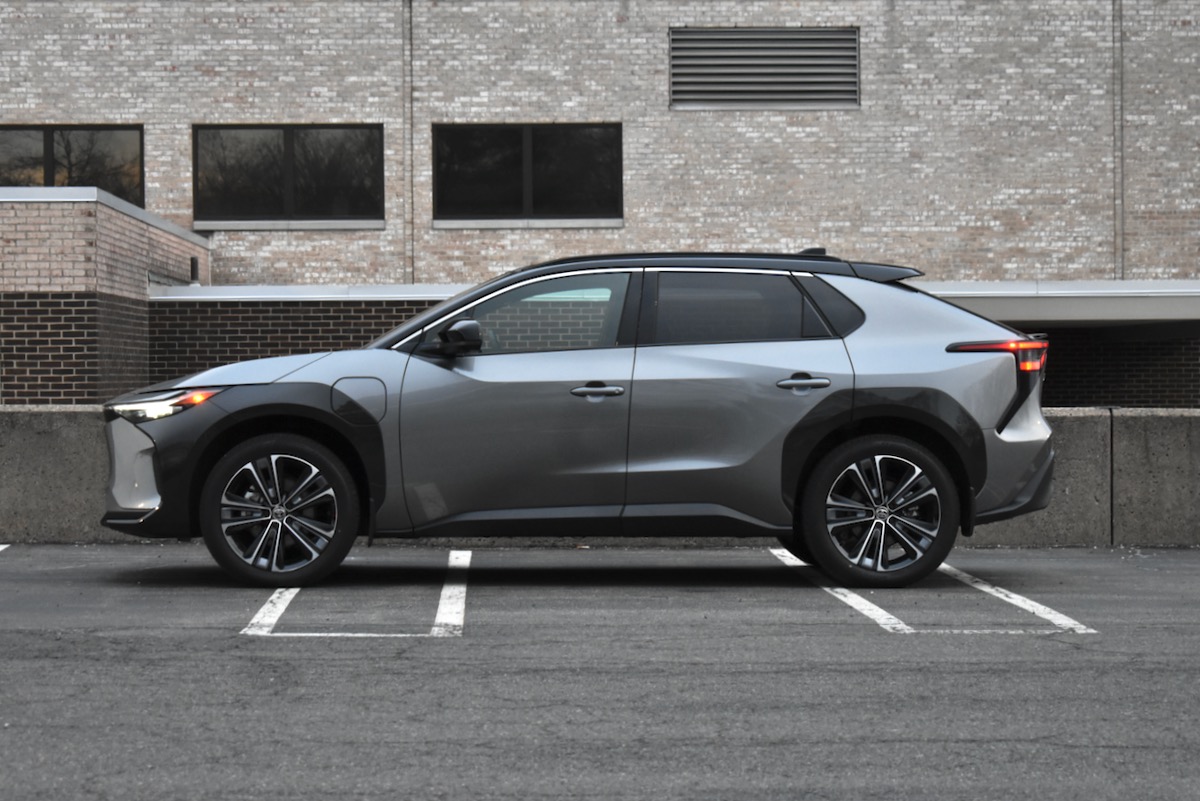
Toyota’s first mass-market EV for the US lands in the same small electric SUV territory as the ID.4, Mach-E, Ariya, and Ioniq 5, with simple choices: XLE or Limited, plus FWD or AWD. For shoppers focused on EVs around (or under) $40,000, the bZ4X’s original MSRP starts well above that, and it also doesn’t qualify for the federal EV tax credit because it’s built in Japan—two factors that matter if you’re trying to keep your monthly payment in check. That said, if you’re looking at used listings, it offers everyday-friendly range depending on configuration: the base FWD XLE is EPA-rated at 252 miles, while AWD versions take a bigger hit (down to 228 miles for an AWD XLE).
On the road, the bZ4X’s strongest real-world trait is how it drives: it feels solid and planted for an EV crossover, with precise steering and a comfortable ride, even if it’s not tuned for sporty punch (FWD models make 201 hp and 196 lb-ft of torque; AWD models make 214 hp and 248 lb-ft of torque). Practicality is more mixed—cargo space is 27.7 cubic feet behind the rear seats, there’s no frunk, and some interior choices (like the instrument cluster placement and button-based volume control) can take getting used to, even though you do get a big 12.3-inch touchscreen and wireless Apple CarPlay/Android Auto. For safety, it comes standard with Toyota Safety Sense 3.0 and earned strong IIHS crash-test results, though the standard headlights were rated “Poor,” which kept it out of Top Safety Pick contention.
The CarGurus Verdict:"The bZ4X is a solid first effort that fails to stand out, and may soon be pushed aside altogether. Pricing and range overlap with most other similarly sized electric SUVs, but the 2024 Chevrolet Equinox EV aims to offer comparable range in a similarly sized package for a claimed base price of around $30,000. It’s unclear when this entry-level version will appear, but it’s likely to steal Toyota’s thunder when it does." - Stephen Edelstein
Base price: $36,445 CarGurus expert rating: 7 out of 10 Overall CarGurus rating: 4 out of 5
Pros
Cons
Fun to drive
Cramped back seat
Standard advanced safety features
Not much cargo space
Easy-to-use technology
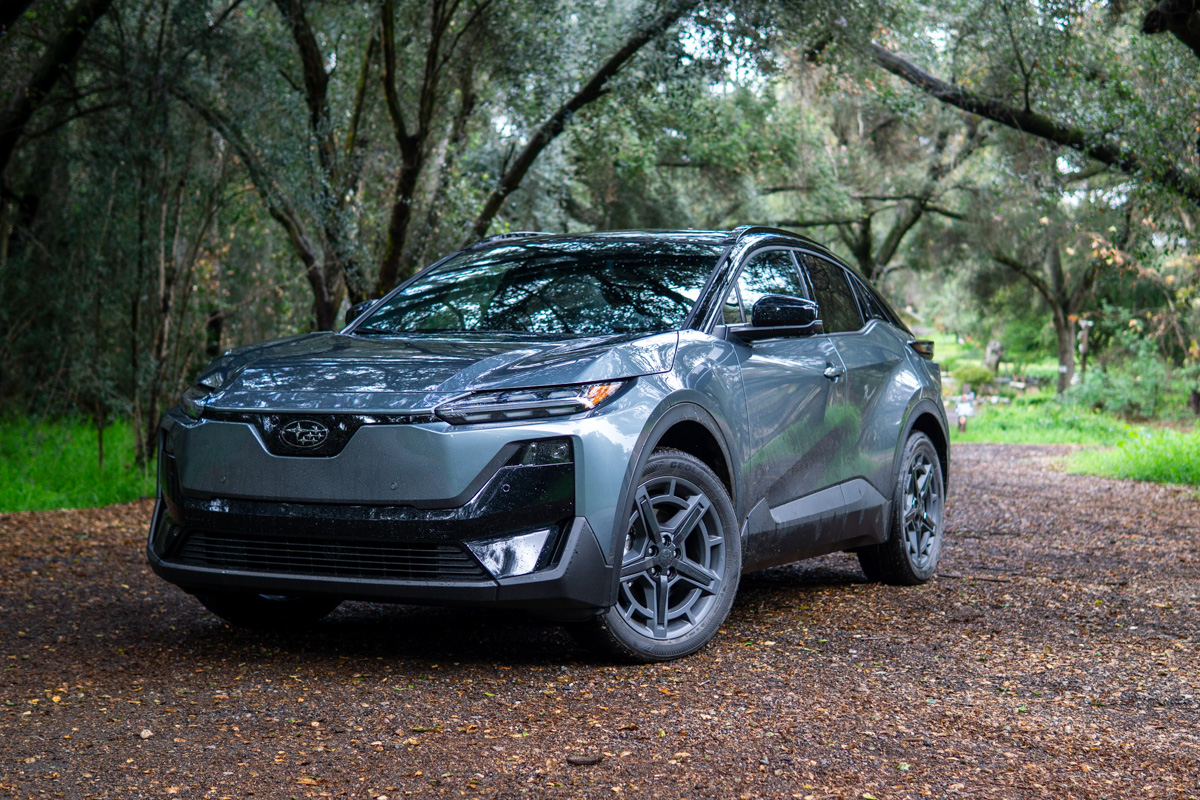
The 2026 Subaru Uncharted delivers an EV that sneaks under $40,000 new—at least in its base Premium FWD form, which starts at $36,445 including destination. It's a compact, Crosstrek-sized electric fastback aimed more at enjoying the drive than maximizing space, and it pairs that sleek shape with a standard 14-inch touchscreen (with wireless Apple CarPlay and Android Auto) and a long list of standard driver-assistance features from Subaru's EyeSight suite.
The catch for budget-focused shoppers is that Subaru says the under-$40k FWD Premium will be built in limited numbers, and it's also the least powerful version, with a single motor making 221 hp. Still, it uses the same 74.7-kWh battery pack as the rest of the lineup, and Subaru estimates 308 miles of range for the FWD model (EPA figures aren't available yet). Charging is simplified by a standard NACS port for access to Tesla Superchargers, with up to 150-kW DC fast charging and an available battery preconditioning function to help improve fast-charge performance when you route to a charger.
The CarGurus Verdict:"The Uncharted is the Subaru EV you buy because you want to enjoy the drive, not because you need the most practical option. The Sport trim at $41,245 is the sweet spot, pairing AWD and 338 hp with a well-equipped cabin at a competitive price." - Matt Smith
Base Price: $36,600 CarGurus expert rating: 8.7 out of 10 CarGurus user rating: 4.6 out of 5 Percentage of Good and Great Deals available on CarGurus: 23% Overall CarGurus rating: 4.4 out of 5
Pros
Cons
Broad public charging network
Competitors have more storage space
Standard advanced safety features
Real leather not available
Stylish design
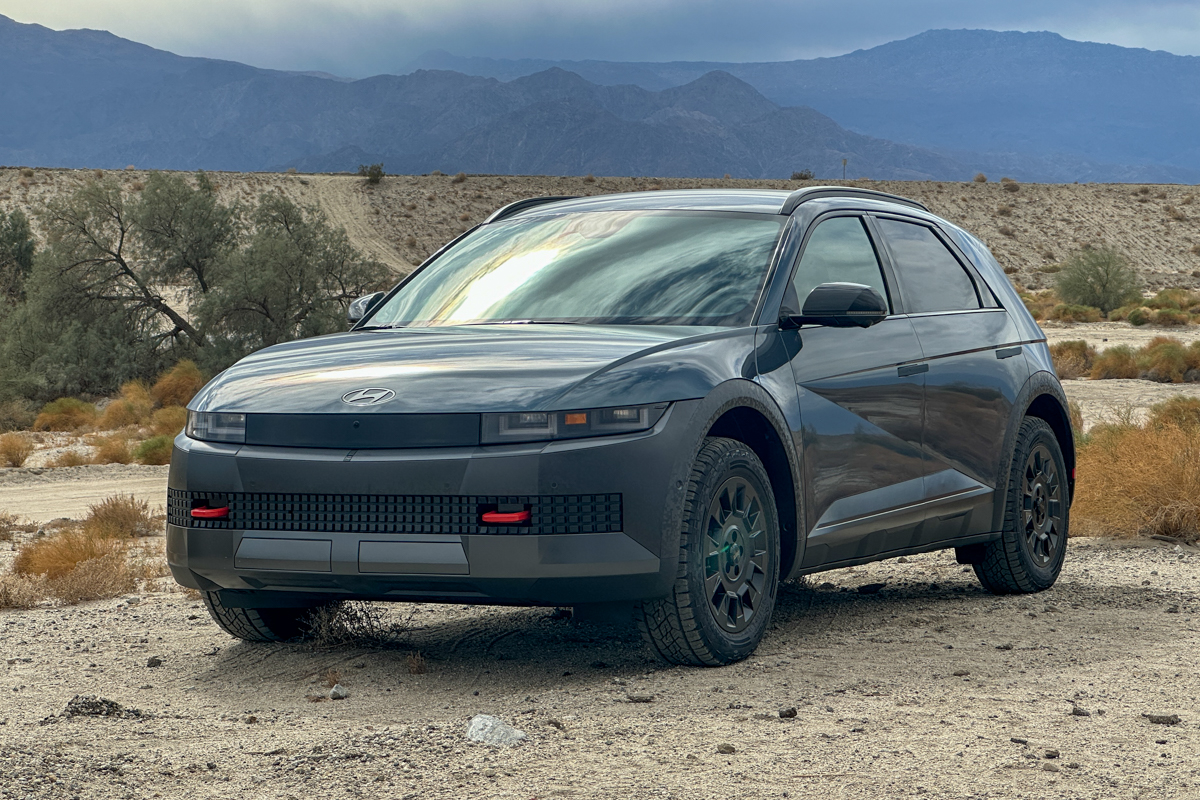
If you're shopping EVs under $40,000, the Hyundai Ioniq 5 is most realistically an used-market play (its average listing price on CarGurus is about $33,392), and its roomy, airy cabin makes it feel like you're getting a class up for the money. Practical details matter in daily use, and the Ioniq 5 delivers with 26.3 cubic feet of cargo space behind the rear seats (58.5 cubic feet with them folded) plus a small 0.85-cubic-foot frunk for charge cables. It also pairs its distinctive, retro-modern styling with an uncluttered interior layout that's easy to live with, and heated front seats are standard.
For drivers balancing price with range and charging convenience, the Ioniq 5's EV fundamentals are strong: depending on configuration, EPA range figures run from 245 miles (base) up to 318 miles for single-motor rear-wheel drive (RWD) models, with AWD variants rated as high as 290 miles (and down to 259 miles for the XRT). Power varies by drivetrain, from 168 hp in standard-range RWD form to 225 hp with the long-range RWD setup, while dual-motor AWD models make 320 hp and 446 lb-ft of torque. Tech updates for 2025 include standard wireless Apple CarPlay and Android Auto across the lineup, and Hyundai's move to the Tesla-style NACS plug helps broaden fast-charging access (with a CCS adapter included). Safety credentials are also a key value piece here, with a five-star National Highway Traffic Safety Administration (NHTSA) rating and a long-running Insurance Institute for Highway Safety (IIHS) Top Safety Pick+ track record.
The CarGurus Verdict:"Hyundai makes minor but welcome changes and avoids tweaking the many things that were working well, successfully making a good thing better." - Natalie Harrington
Base price: $36,795 CarGurus expert rating: 6.5 out of 10 CarGurus user rating: 5 out of 5 Percentage of Good and Great Deals available on CarGurus: 27.2% Overall CarGurus rating: 4.3 out of 5
Pros
Cons
Comfortable
Apple CarPlay is not offered
Plenty of cargo space
Lacks typical EV performance
Excellent value for money
If you're shopping for an EV under $40,000, the Equinox EV is aimed squarely at the mainstream: a comfortable compact SUV with real road-trip range and pricing that's closer to familiar gas models than many rivals. The standard front-wheel drive (FWD) setup uses a 220-hp electric motor and an 85-kWh battery, with an EPA-estimated 319 miles of range (AWD bumps output to 300 hp but drops range to 307 miles). It's not a straight-line thrill machine on paper, yet the instant response you expect from an EV makes it feel quicker in everyday driving, and the suspension tuning favors a smooth, confidence-inspiring ride.
Day to day, it's easy to live with, thanks to supportive front seats, physical climate controls below the big screen, and a useful 26.4 cubic feet of cargo space behind the rear seats—though there's no frunk. The 17.7-inch Google Built-in touchscreen is crisp and responsive, but the missing feature many shoppers will notice immediately is Apple CarPlay. Safety is a strength, with a 5-star overall NHTSA rating and a generous suite of standard driver assists, while available upgrades can add features like a surround-view camera and Super Cruise hands-free highway driving. Charging includes DC fast charging up to 150 kW (Chevy says about 70 miles in roughly 10 minutes), and if you qualify for the $7,500 federal EV tax credit, the value equation can look even better.
The CarGurus Verdict:"The Equinox EV's combination of an affordable price and generous range makes it a standout value among electric vehicles." - Mark Takahashi
Base price: $38,450 CarGurus expert rating: 7 out of 10 CarGurus user rating: 4.7 out of 5 Percentage of Good and Great Deals available on CarGurus: 0.0% Overall CarGurus rating: 4.5 out of 5
Pros
Cons
Fun to drive
Cramped back seat
Good value
Not much cargo space
Standard all-wheel drive
Mid-pack charging tech
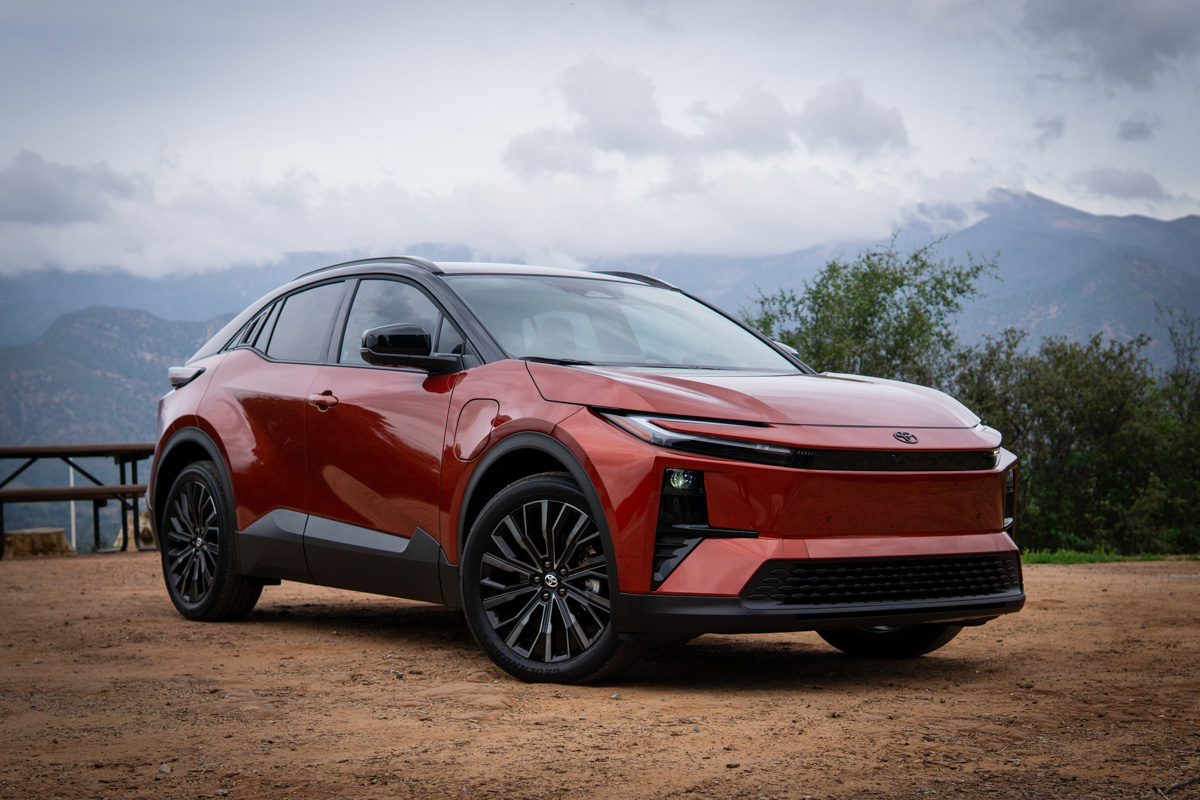
If you want an EV crossover that keeps the price under control but still feels quick, the 2026 Toyota C-HR is an interesting twist: it's back as a fully electric model with standard dual-motor AWD and 338 hp, and it starts at $38,450 including destination. Toyota estimates 0-60 mph in 4.9 seconds, and the C-HR's suspension tuning favors crisp turn-in and confident cornering more than cushy ride comfort—especially on the XSE's 20-inch wheels. Range is estimated at 287 miles for the SE and 273 miles for the XSE, and in mixed backroad driving we saw efficiency that suggests roughly 280 miles is a realistic expectation.
For daily usability, the C-HR leans more "style-first" than "space-first." Cargo space is 25.3 cubic feet behind the rear seats and 59.5 cubic feet with them folded, but the back seat is tight on headroom and overall comfort, making it better suited to couples or small families than frequent adult passengers. Every C-HR gets a 14-inch touchscreen with wireless Apple CarPlay and Android Auto plus Toyota Safety Sense 3.0, and it uses a Tesla-style NACS charge port; DC fast charging tops out at 150 kW (Toyota says 10% to 80% in about 30 minutes under ideal conditions), while an 11-kW onboard charger supports overnight Level 2 charging at home.
The CarGurus Verdict:"The 2026 Toyota C-HR won't be the right fit for buyers who need lots of space, but it's a genuinely fun electric crossover that doesn't cost a fortune. If you're an EV shopper who values driving enjoyment more than cargo capacity, the C-HR belongs on your shortlist." - Matt Smith
Base price: $38,630 CarGurus user rating: 4.7 out of 5 Percentage of Good and Great Deals available on CarGurus: 27.1% Overall CarGurus rating: 3.6 out of 5
The Tesla Model 3 is arguably the car that made electric vehicles mainstream — and with the base rear-wheel-drive model starting just under $40,000, it remains one of the most compelling EVs at this price point. That entry price buys a lot: up to 321 miles of EPA-estimated range, a 15.4-inch touchscreen that handles nearly every vehicle function, a standard panoramic glass roof, and a comprehensive suite of driver-assistance features including Autopilot, automatic emergency braking, blind-spot monitoring, and lane-keep assist. Standard heated and power-adjustable front seats, color-adjustable ambient lighting, and leatherette upholstery give the cabin a premium feel that punches well above its class — particularly compared to gas-powered rivals like the BMW 3 Series and Audi A4.
What makes the Model 3 especially compelling in this price range is everything that comes built in beyond the hardware. Tesla's over-the-air software updates mean the car continues to improve after purchase, a significant advantage no traditional automaker can yet match. Fast-charging via Tesla's expansive Supercharger network adds day-to-day convenience that most EV competitors still can't rival. The 2023 Model 3 earned an IIHS Top Safety Pick+ — the organization's highest honor — and a five-star overall NHTSA rating, so safety-minded buyers are well covered. The one notable caveat: Tesla doesn't support Apple CarPlay or Android Auto, opting instead for its own interface, which takes some adjustment for buyers coming from other brands.
Base price: $39,595 CarGurus expert rating: 8.2 out of 10 CarGurus user rating: 4.9 out of 5 Percentage of Good and Great Deals available on CarGurus: 24.1% Overall CarGurus rating: 4.3 out of 5
Pros
Cons
Impressive electric range
Not much cargo space
Fun to drive
Potentially polarizing design
Comfortable
For shoppers trying to keep an EV budget under $40,000, the Ioniq 6 is often a better fit on the used market than as a brand-new purchase—CarGurus listings show an average price around $24,958. Even so, Hyundai has hinted at a lower-priced SE Standard Range model with an estimated 240 miles of range and 149 hp, which is closer to the price cap when new. If you can swing the long-range versions, the range numbers are a big part of the appeal: the SE with RWD is the range leader at an EPA-estimated 361 miles, while other trims are rated at 305 miles (RWD) or 270 miles (AWD). The dual-motor AWD setup also brings a meaningful jump in power to 320 hp, and the Ioniq 6's quick charging (as little as 18 minutes from 10% to 80% on a 350-kW DC fast charger) helps reduce the day-to-day compromises that can come with going electric.
It's also an easy car to live with in the ways that matter for commuting and road trips: the cabin is quiet, ride quality is comfortable, and the controls feel familiar—including a smooth, natural brake pedal and optional one-pedal driving. Up front there's plenty of space, but rear-seat headroom is tight thanks to the sloping roofline, and cargo capacity is limited at 11.2 cubic feet in the trunk (plus a small frunk mainly for a charge cable). Tech is modern and user-friendly with dual 12.3-inch screens and available Digital Key, but phone mirroring requires a cable for Apple CarPlay and Android Auto. On the safety side, the Ioniq 6 comes standard with a long list of driver-assistance features like automatic emergency braking and adaptive cruise control, though buyers should note that it doesn't qualify for the $7,500 federal EV tax credit when purchased (Hyundai notes some incentives may be available via leasing).
The CarGurus Verdict:"The 2024 Hyundai Ioniq 6 hits all of the high notes for an all-electric sedan, with plenty of range, surprisingly sporty performance, and high levels of comfort. It's also fairly affordable when you consider how much you'll be saving in operating costs. Its unusual exterior styling stands out as one of its potential drawbacks, but otherwise, it's very easy for us to recommend one." - Mark Takahashi
Base price: $39,945 CarGurus expert rating: 6.7 out of 10 CarGurus user rating: 4.3 out of 5 Percentage of Good and Great Deals available on CarGurus: 31.0% Overall CarGurus rating: 4.1 out of 5
Pros
Cons
Stylish design
Slow charging
Standard all-wheel drive
Merely adequate range
Comfortable
Fairly pedestrian performance
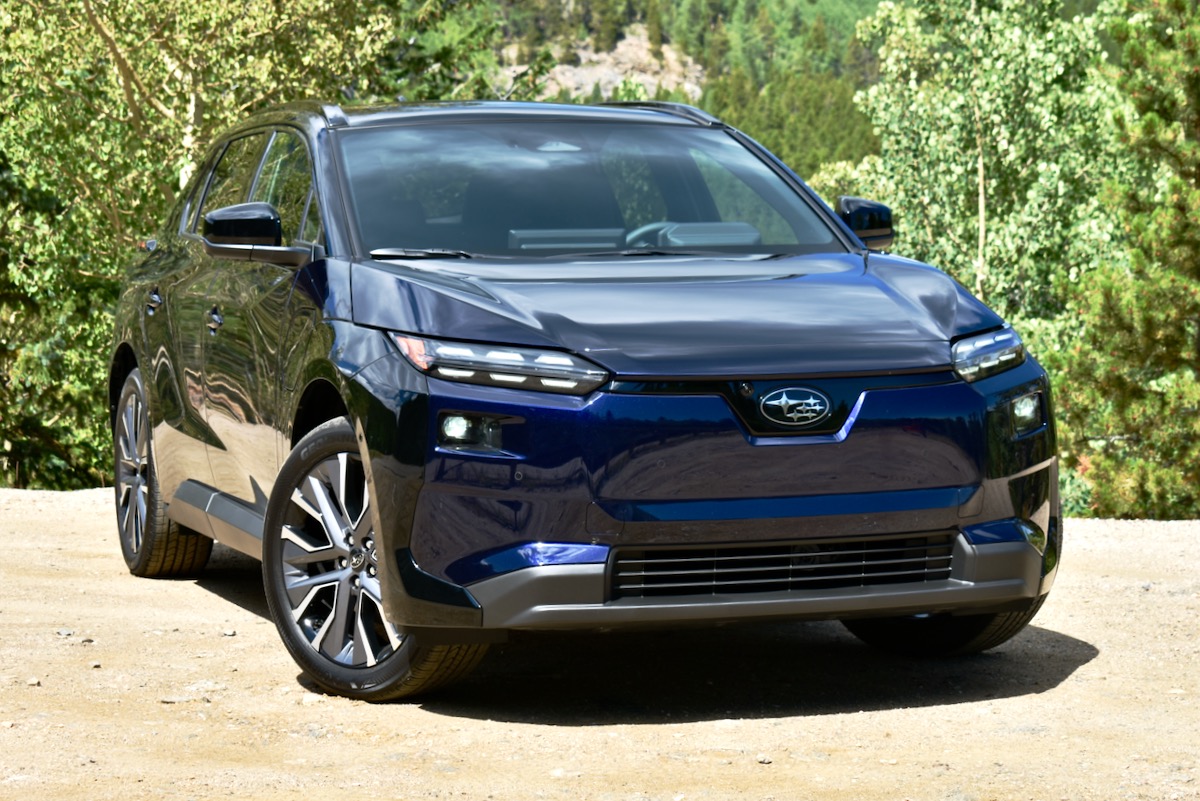
For shoppers trying to keep an EV under $40,000, the Solterra's big news is the 2026 update paired with a base Premium starting price of $39,945 (including the mandatory destination charge). Every Solterra comes with AWD, and output rises to 233 hp, while a larger 74.7-kWh battery helps push expected range to as much as 288 miles (EPA figures weren't available at press time). On the road, the refresh leans into day-to-day comfort: the cabin is notably quiet, and the suspension feels composed on rough pavement and even cratered dirt roads, though performance remains more about smoothness than sporty response.
Charging and tech also get meaningful changes for mainstream use. The Solterra switches to a Tesla-style NACS port and bumps DC fast-charging capability to 150 kW, with Subaru estimating a 10% to 80% charge in about 30 minutes, while an 11-kW onboard charger should shorten Level 2 home-charging times. Inside, a 14-inch touchscreen is now standard with wireless Apple CarPlay and Android Auto, plus USB-C ports for both rows; the quirky cabin layout still skips a glovebox, but adds center-console storage (including a tunnel underneath). Cargo room is a key tradeoff versus some rivals at 23.8 cubic feet behind the rear seats (63.5 cubic feet with them folded), and Subaru's EyeSight suite brings a long list of standard driver assists, with earlier versions of this vehicle's architecture earning top IIHS and NHTSA ratings.
The CarGurus Verdict:"Numerous improvements make the 2026 Subaru Solterra a better EV, but not the best one." - Stephen Edelstein
Honorable Mention: A Few EVs that Just Missed the Cutoff
The Ford Mustang Mach-E was on this list in 2025, but it now reaches $40,535 between the $2,045 destination charge and the $695 acquisition fee. Note that taking advantage of available incentives may get it back under $40K for you! The Volvo EX30 is now $40,353 with destination, and the Kia Niro EV also gets pushed just over the line once destination is factored in.
Every Electric Car Under $40,000 FAQs
Which affordable EV has the longest range?
Based on the vehicles in this guide, the 2024 Hyundai Ioniq 6 in its SE rear-wheel-drive configuration offers the most range, with an EPA-estimated 361 miles. The Chevrolet Equinox EV also offers an impressive 319 miles of range in its standard front-wheel-drive setup.
Are there any all-wheel drive (AWD) EVs under $40,000?
Yes. The 2026 Toyota C-HR comes standard with a dual-motor AWD system and starts at $38,450. The 2026 Subaru Solterra also features standard AWD and has a starting price of $39,945 for its base Premium trim. Other models, like the Hyundai Ioniq 5, offer AWD on certain trims, which may be found under $40,000 on the used market.
Should I consider a used EV to stay under $40,000?
Absolutely. Shopping for a used EV can be a great way to get a higher-trim model or a car that would otherwise be over budget. For example, the Hyundai Ioniq 5 and Ioniq 6 are highlighted as excellent used-market options, with average listing prices on CarGurus well below the $40,000 mark.
Do all of these EVs use the same charging plug?
The industry is transitioning, but not all cars use the same plug yet. Many new and updated models, like the 2026 Toyota C-HR, 2026 Nissan LEAF, and 2026 Subaru Solterra, are adopting the Tesla-style NACS port for broader access to fast charging. Others, like the 2025 Hyundai Ioniq 5, are also moving to NACS but include an adapter for older CCS-style chargers. It's an important detail to check on the specific model year you're considering.
What Makes CarGurus Best Cars Guides Different?
Most car-shopping websites publish lists of the best cars across a variety of categories, with recommendations generally driven by editorial expertise. Here's what makes ours different: In addition to the insights and verdicts of our team of car-testing experts, our best cars guides take into account other factors that we know matter to buyers-real owner experiences and current market value.
Our expert reviewers are among this country's most trusted automotive journalists, also writing for publications including US News and World Report, Edmunds, Digital Trends, J.D. Power, and Car & Driver. They put each car through real-world testing and create detailed reviews of performance in a range of categories, from practicality and driving manners to cost-effectiveness and safety.
We also analyze hundreds of thousands of used car listings on CarGurus.com to track which models consistently offer the highest percentage of best deals relative to how many are listed for sale. Then we factor in reviews from owners-people who actually live with these cars every day. Our proprietary Best Cars algorithm then creates a final Overall CarGurus rating combining expert scores, user reviews, and the percentage of listings that have earned the Good or Great Deal rating. This multi-pronged approach reveals not just which cars excel on paper, but which ones deliver satisfaction and value when you're ready to buy.
The CarGurus market data used in this guide was last updated in March 2026. Values were accurate at time of publication and should be used as a guide only.
Sometimes our content pages are the result of a team effort. As with all CarGurus editorial, you can expect high levels of automotive insight and expertise delivered in a style that is approachable and free from jargon.
The content above is for informational purposes only and should be independently verified. Please see our Terms of Use for more details.