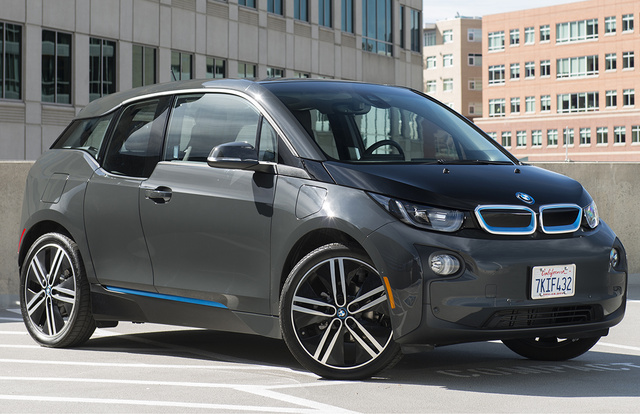
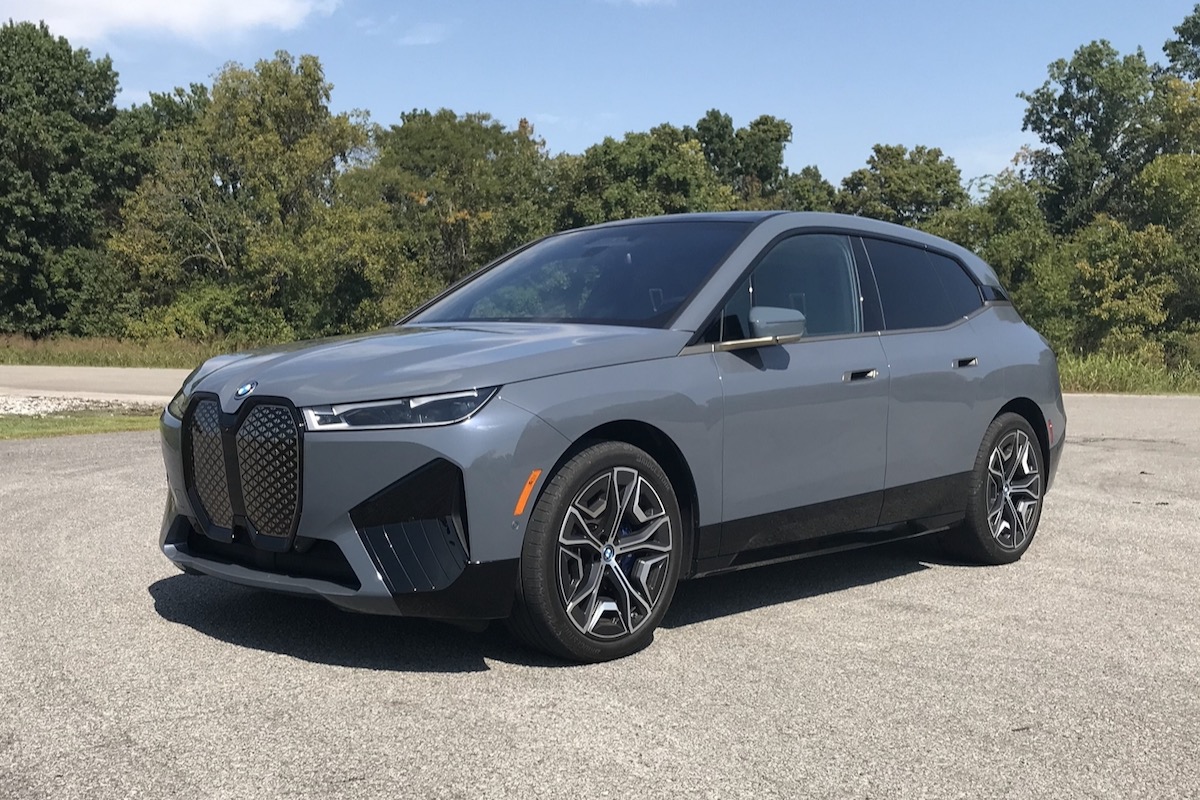
It may not feel like it when you drive one, but yes, electric cars do have transmissions, though they usually don't have multiple gears like in many gas-powered cars.
Because EV motors can spin at much higher speeds than gas-powered engines, there’s a lack of the typical gear shifts felt and heard in an ICE vehicle.
Do Electric Cars Have Transmissions?
- Why Do Most Electric Cars Need Only a One-Gear Transmission?
- Advantages of a Single-Gear Transmission in Electric Cars
- Do Teslas Have Transmissions?
- Can Electric Cars Have Multiple Gears?
- What Does the EV Transmission of the Future Look Like?

Why Do Most Electric Cars Need Only a One-Gear Transmission?
All gas engines have a maximum RPM that they can handle. The engine in your typical family car can spin as fast as 6,000 rpm before things start breaking.
Some sports cars (think Porsches) can reach 9,000 rpm and beyond. In general, those high-performance engines make more power at higher rpm, so in order to maximize power from slow city speeds to highway cruising, transmissions have gear ratios that allow the engine to spin faster at low vehicle speeds and spin slower at highway speeds.
You wouldn't want to accelerate from a stop in third gear any more than you'd want to be traveling at 75 mph in the same gear.
Advantages of a Single-Gear Transmission in Electric Cars
A Range of Benefits: An EV motor spins much faster than an internal combustion engine, mostly because it has fewer moving parts. A 20,000 rpm maximum isn't unheard of, and unlike ICE cars, that motor makes much more power at any speed.
That means it won't feel underpowered when accelerating from a stop, and it won't sound like a belt sander on the highway. Carmakers will select a single gear ratio to rule them all. There are numerous benefits as a result. These include efficiency, range, cost, and maintenance.
Efficiency and Performance Benefits: Any time power is run through a series of gears, there will be some losses in power and efficiency. A simpler path for the power to follow to the wheels results in less resistance, and less resistance means more power and range.
More range means you won't have to charge your EV battery as often, which translates to longer battery life. Considering that EVs are generally quicker than ICE cars, there's really no downside to having a single-speed transmission.
Simplification of the Drivetrain: A single-speed transmission is lighter than one that has six or even ten gears. Weight is the enemy of efficiency and performance, and shaving off a few hundred pounds does wonders for both. There are also fewer moving parts, which means it will be more affordable and won't need as much maintenance.
These can further contribute to keeping costs reined in, both in terms of the initial purchase and in regard to ownership.
Traditional transmissions also suffer from accessibility issues, complicating procedures such as checking or changing the transmission fluid.
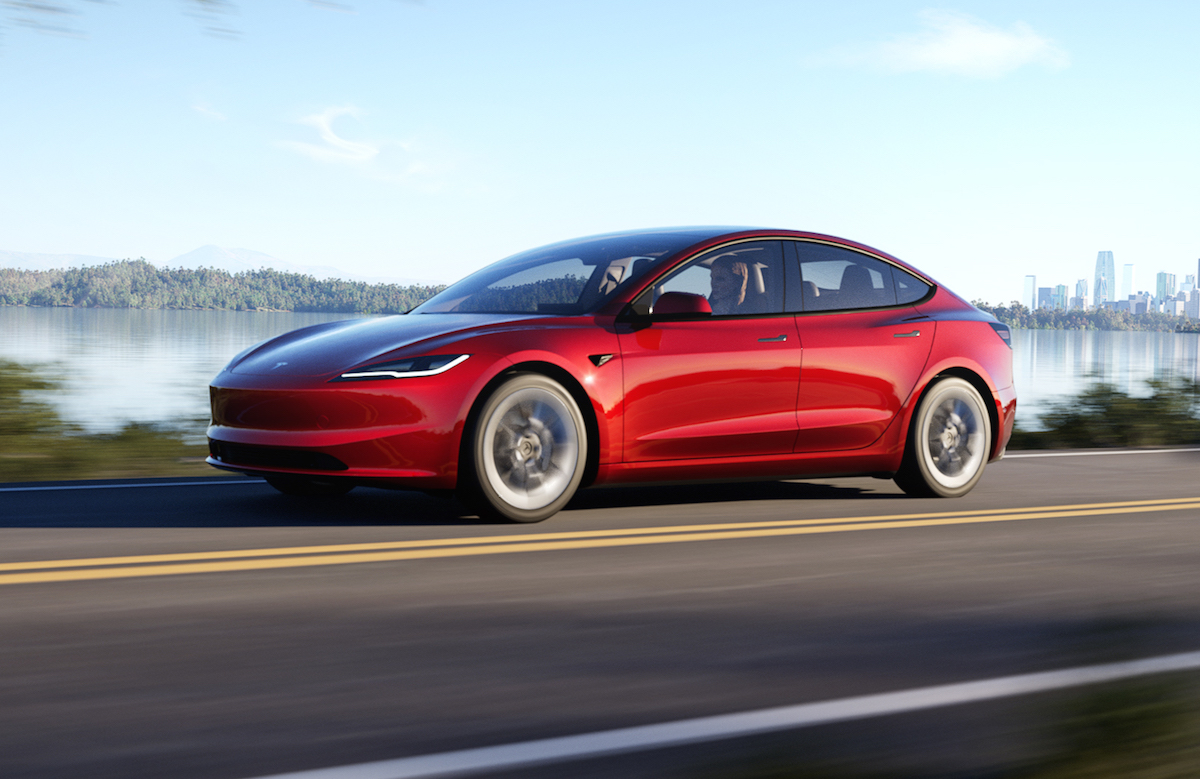
Do Teslas Have Transmissions?
The short answer is yes, and based on what you've read here so far, you'd think they'd only have single-speed transmissions, but you could be mistaken. Some Teslas with dual motors (one for each axle, delivering all-wheel-drive) have different single-speed ratios, though they don't "shift" like a traditional ICE car.
Instead, the rear motor gets a gear ratio that is more favorable for quicker acceleration and is utilized more at low speeds. On the highway, the front motor can take over with a gear ratio that favors efficiency at higher speeds. Technically, you can make the case either way that these Teslas do have a multi-speed transmission.