Toyota Prius LE AWD-e vs Mercedes-Benz CLA 250
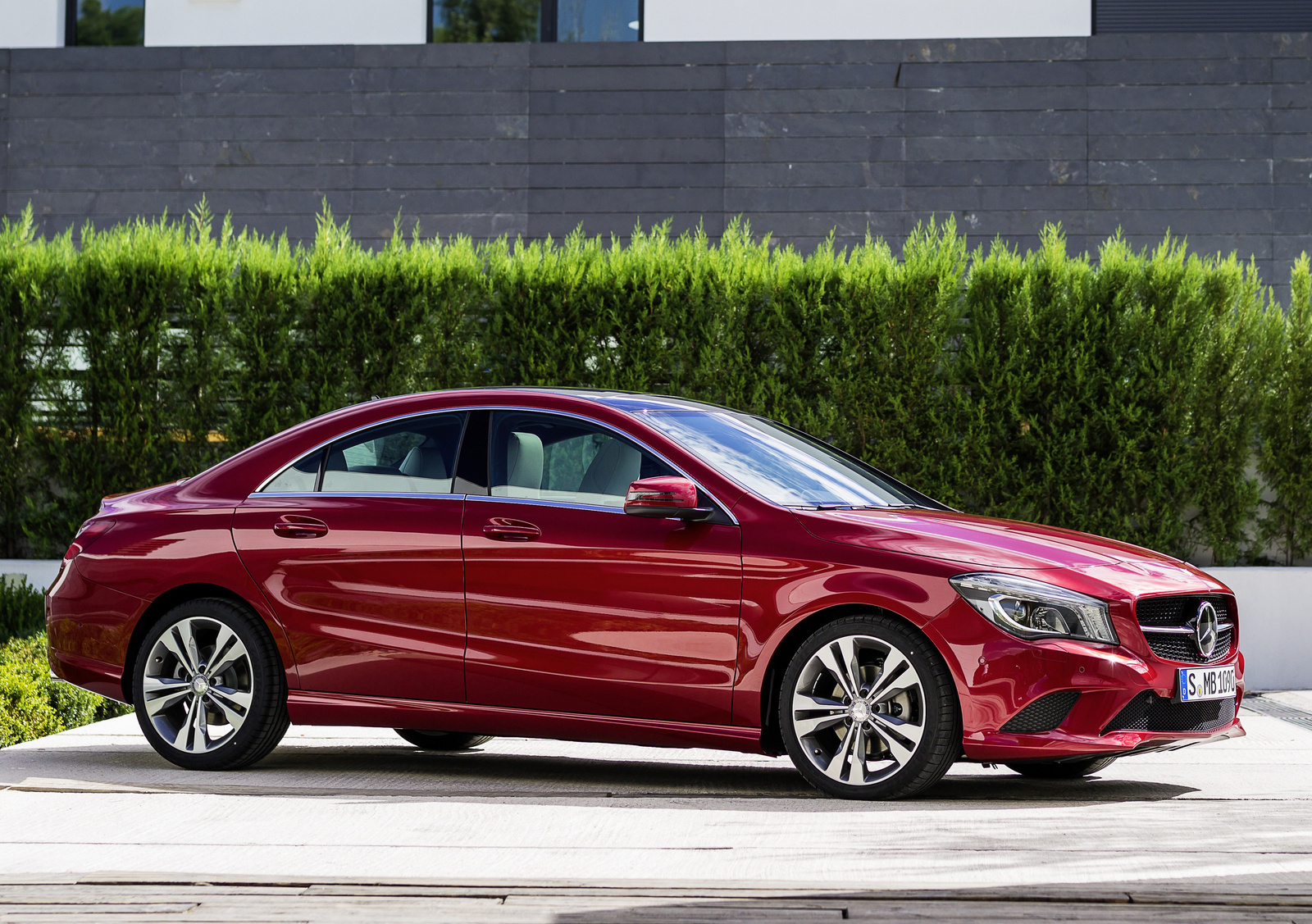 Mercedes-Benz CLA 250 $32,700MSRP |  Toyota Prius LE AWD-e $27,685MSRP |
Mercedes-Benz CLA 250 $32,700MSRP | Toyota Prius LE AWD-e $27,685MSRP |
|---|
Overview | |
Years produced2014-2018 | Years produced2019-2022 |
MSRP$32,700 | MSRP$27,685 |
Average price$12,940 | Average price$21,809 |
Listings490 | Listings74 |
Ratings & Reviews | |
User Reviews | User Reviews |
Popular Features & Specs | |
Engine2.0L 208 hp I4 | Engine1.8L 121 hp I4 Hybrid |
Drive TrainFWD | Drive TrainAWD |
Seating Capacity5 | Seating Capacity5 |
Horsepower208 hp @ 5500 rpm | Horsepower |
EV Battery Capacity | EV Battery Capacity1.3 kWh |
MPG City24 | MPG City51 |
MPG Highway37 | MPG Highway47 |
Engine | |
Engine Name2.0L 208 hp I4 | Engine Name1.8L 121 hp I4 Hybrid |
Torque258 lb-ft @ 1250 rpm | Torque |
Horsepower208 hp @ 5500 rpm | Horsepower |
DrivetrainFWD | DrivetrainAWD |
Fuel Economy | |
EV Battery Capacity | EV Battery Capacity1.3 kWh |
MPG City26 | MPG City52 |
MPG Highway38 | MPG Highway48 |
Interior | |
Seating Capacity5 | Seating Capacity5 |
Safety | |
Front Crash Overall | Front Crash Overall4 |
Side Crash Overall | Side Crash Overall5 |
Dimensions & Capacity | |
Cargo Space13.1 cu ft | Cargo Space24.6 cu ft |
Curb Weight3264 lbs | Curb Weight3210 lbs |
Height56.6 in | Height58.1 in |
Length182.3 in | Length180.0 in |
Width70.0 in | Width69.3 in |
Wheelbase106.3 in | Wheelbase106.3 in |
Maximum Payload | Maximum Payload825 lbs |
Number of doors4 | Number of doors4 |
Mercedes-Benz CLA 250 $32,700MSRP | Toyota Prius LE AWD-e $27,685MSRP |
Mercedes-Benz CLA 250 $32,700MSRP | Toyota Prius LE AWD-e $27,685MSRP |
|---|
Overview | ||
Years produced | 2014-2018 | 2019-2022 |
MSRP | $32,700 | $27,685 |
Average price | $12,940 | $21,809 |
Listings | ||
Ratings & Reviews | ||
User reviews | ||
Popular Features & Specs | ||
Engine | 2.0L 208 hp I4 | 1.8L 121 hp I4 Hybrid |
Drive Train | FWD | AWD |
Seating Capacity | 5 | 5 |
Horsepower | 208 hp @ 5500 rpm | |
EV Battery Capacity | 1.3 kWh | |
MPG City | 24 | 51 |
MPG Highway | 37 | 47 |
Engine | ||
Engine Name | 2.0L 208 hp I4 | 1.8L 121 hp I4 Hybrid |
Torque | 258 lb-ft @ 1250 rpm | |
Horsepower | 208 hp @ 5500 rpm | |
Drivetrain | FWD | AWD |
Fuel Economy | ||
EV Battery Capacity | 1.3 kWh | |
MPG City | 26 | 52 |
MPG Highway | 38 | 48 |
Interior | ||
Seating Capacity | 5 | 5 |
Safety | ||
Front Crash Overall | 4 | |
Side Crash Overall | 5 | |
Dimensions & Capacity | ||
Cargo Space | 13.1 cu ft | 24.6 cu ft |
Curb Weight | 3264 lbs | 3210 lbs |
Height | 56.6 in | 58.1 in |
Length | 182.3 in | 180.0 in |
Width | 70.0 in | 69.3 in |
Wheelbase | 106.3 in | 106.3 in |
Maximum Payload | 825 lbs | |
Number of doors | 4 | 4 |
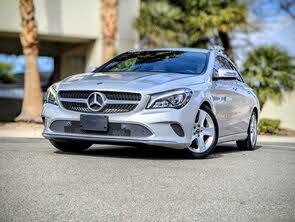
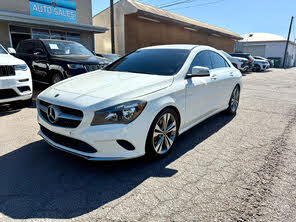
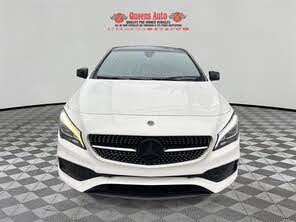
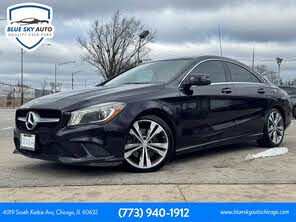
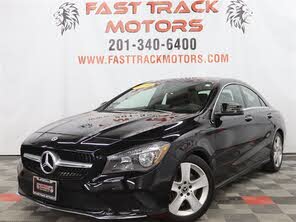
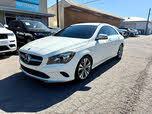
The Mercedes-Benz CLA 250 is a luxury vehicle that has evolved through two generations within the C-Class family. This model, often labeled as a "coupe" by Mercedes-Benz despite its four-door sedan configuration, originated in 2014. Built in Kecskémet, Hungary, the first generation of the CLA 250 came equipped with a two-liter turbocharged four-cylinder engine and offered options for rear-wheel drive (RWD) or 4MATIC all-wheel drive (AWD), paired with a seven-speed automatic transmission. The second generation, launched in 2020, retained the same engine configurations but upgraded to a dual-clutch version of the seven-speed automatic. This vehicle caters to the luxury compact executive market.
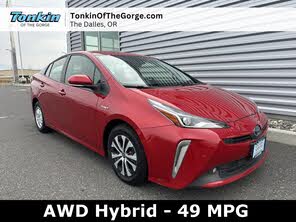
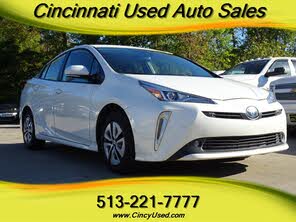
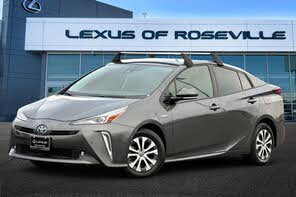
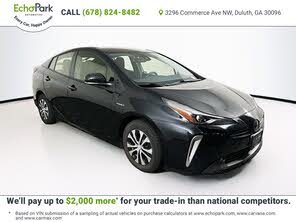
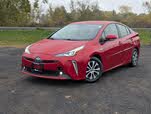
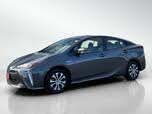
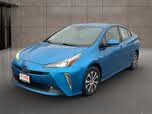
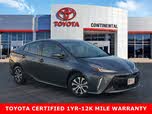
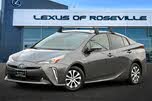
In contrast, the Toyota Prius LE AWD-e is representative of Toyota’s commitment to hybrid efficiency. Initially perceived as a distinctive wedge-shaped hatchback, the Prius has undergone aesthetic refinements over the years. The latest generation, refreshed in 2019, includes the option for all-wheel drive—a feature facilitated by an additional electric motor added to the rear axle. Positioned one step above the base model, the LE trim offers an understated means of getting around, blending seamlessly with ordinary traffic while maintaining the Prius’s reputation for fuel efficiency.
- Turbocharged 2.0-liter inline four-cylinder engine
- Standard seven-speed automatic transmission
- LED headlamps
- 7-inch multimedia display
- Smartphone integration with Apple CarPlay and Android Auto
- Hybrid powertrain
- All-wheel drive
- Seating for five
- Hatchback design
- Efficient fuel economy
The heart of the Mercedes-Benz CLA 250 lies in its 208-hp turbocharged inline four-cylinder engine, delivering 258 lb-ft of torque. In comparison, the Toyota Prius LE AWD-e, with its 1.8-liter four-cylinder hybrid drivetrain, produces 121 hp and 105 lb-ft of torque. When considering weight, the CLA 250 has a curb weight of 3,483 pounds, slightly heavier than the Prius LE AWD-e’s 3,210 pounds. These figures illustrate the varied engineering priorities of each vehicle, focusing on power in the CLA and efficiency in the Prius.
The Mercedes-Benz CLA 250 is propelled by a 208-horsepower, turbocharged inline four-cylinder engine, coupled with a seven-speed automatic transmission. It offers the flexibility of rear-wheel drive, with the option of all-wheel drive for those seeking enhanced traction, accelerating from 0 to 60 mph in an impressive 6.3 seconds. In comparison, the Toyota Prius LE AWD-e utilizes a 1.8-liter four-cylinder engine enhanced by two electric motors. This combination employs a continuously variable automatic transmission and standard all-wheel drive, achieving a brisker 0-60 mph time of 5 seconds, thanks to its electrified powertrain setup.
Examining the dimensions, the Mercedes-Benz CLA 250 stretches 184.6 inches long with a 107.4-inch wheelbase. It stands at 72.0 inches wide and 56.7 inches tall. The Toyota Prius LE AWD-e, meanwhile, measures 180 inches in length with a 106.3-inch wheelbase, standing 69.3 inches in width and 58.1 inches in height. These dimensions highlight the CLA's marginally larger footprint, potentially influencing its handling and cabin engineering compared to the more compact Prius.






















By: CarGurus + AI
At CarGurus, our team of experienced automotive writers remain at the heart of our content operation, conducting hands-on car tests and writing insightful guides that are backed by years of industry experience. To complement this, we are harnessing AI to make our content offering more diverse and more helpful to shoppers than ever. To achieve this, our AI systems are based exclusively on CarGurus content, ratings and data, so that what we produce is both unique to CarGurus, and uniquely helpful to car shoppers.