2021 Chevrolet Blazer vs 2022 Hyundai Ioniq 5

Overview | |
MSRP$28,800 | MSRP$39,700 |
Listings837 | Listings141 |
Ratings & Reviews | |
User Reviews | User Reviews |
Expert reviews6.5 out of 10 | Expert reviews9.0 out of 10 |
Pros
Cons
| Pros
Cons
|
2021 Chevrolet Blazer Reviews SummaryIn its third model year, the Chevrolet Blazer is a rarer sight on the road. That's because two other popular Chevy crossovers bookend the Blazer. The Equinox is a lot cheaper and holds just as much cargo, while the Traverse has a third row, the same powertrain, and costs the same. If you're into the Blazer, you're paying a premium for style and handling. High prices and a substandard interior keep the Blazer rare—which aren't positive traits when buying new. | |
2022 Hyundai Ioniq 5 Reviews SummaryThe Hyundai Ioniq 5 is the automaker’s debut electric vehicle from its new sub-brand that focuses solely on battery electric-powered mobility. The all-new Ioniq 5 is chock full of battery technology, smart car connectivity, advanced safety, and unique design all at a price point that appeals to the masses. | |
No video found | |
Popular Features & Specs | |
Engine2.5L 193 hp I4 | Engine168 hp Electric |
Drive TrainFWD | Drive TrainRWD |
Seating Capacity5 | Seating Capacity5 |
Horsepower193 hp @ 6300 rpm | Horsepower |
EV Battery Capacity | EV Battery Capacity58 kWh |
MPG City21 | MPG City127 |
MPG Highway27 | MPG Highway94 |
Engine | |
Engine Name2.5L 193 hp I4 | Engine Name168 hp Electric |
Torque188 lb-ft @ 4400 rpm | Torque |
Horsepower193 hp @ 6300 rpm | Horsepower |
DrivetrainFWD | DrivetrainRWD |
Fuel Economy | |
EV Battery Capacity | EV Battery Capacity58 kWh |
MPG City21 | MPG City127 |
MPG Highway27 | MPG Highway94 |
Interior | |
Seating Capacity5 | Seating Capacity5 |
Key Features | |
Navigation System | Navigation SystemStandard |
Safety | |
Front Crash Overall5 | Front Crash Overall4 |
Side Crash Overall5 | Side Crash Overall5 |
Dimensions & Capacity | |
Cargo Space30.5 cu ft | Cargo Space27.2 cu ft |
Curb Weight3782 lbs | Curb Weight4200 lbs |
Height67.0 in | Height63.0 in |
Length191.4 in | Length182.5 in |
Width76.7 in | Width74.4 in |
Wheelbase112.7 in | Wheelbase118.1 in |
Maximum Payload2219 lbs | Maximum Payload1157 lbs |
Number of doors4 | Number of doors4 |
Overview | ||
MSRP | $28,800 | $39,700 |
Listings | ||
Ratings & Reviews | ||
User reviews | ||
Expert reviews | 6.5 out of 10Read full review | 9.0 out of 10Read full review |
Pros & cons | Pros
Cons
| Pros
Cons
|
Summary | In its third model year, the Chevrolet Blazer is a rarer sight on the road. That's because two other popular Chevy crossovers bookend the Blazer. The Equinox is a lot cheaper and holds just as much cargo, while the Traverse has a third row, the same powertrain, and costs the same. If you're into the Blazer, you're paying a premium for style and handling. High prices and a substandard interior keep the Blazer rare—which aren't positive traits when buying new. | The Hyundai Ioniq 5 is the automaker’s debut electric vehicle from its new sub-brand that focuses solely on battery electric-powered mobility. The all-new Ioniq 5 is chock full of battery technology, smart car connectivity, advanced safety, and unique design all at a price point that appeals to the masses. |
Video | No video found | |
Popular Features & Specs | ||
Engine | 2.5L 193 hp I4 | 168 hp Electric |
Drive Train | FWD | RWD |
Seating Capacity | 5 | 5 |
Horsepower | 193 hp @ 6300 rpm | |
EV Battery Capacity | 58 kWh | |
MPG City | 21 | 127 |
MPG Highway | 27 | 94 |
Engine | ||
Engine Name | 2.5L 193 hp I4 | 168 hp Electric |
Torque | 188 lb-ft @ 4400 rpm | |
Horsepower | 193 hp @ 6300 rpm | |
Drivetrain | FWD | RWD |
Fuel Economy | ||
EV Battery Capacity | 58 kWh | |
MPG City | 21 | 127 |
MPG Highway | 27 | 94 |
Interior | ||
Seating Capacity | 5 | 5 |
Key Features | ||
Navigation System | Standard | |
Safety | ||
Front Crash Overall | 5 | 4 |
Side Crash Overall | 5 | 5 |
Dimensions & Capacity | ||
Cargo Space | 30.5 cu ft | 27.2 cu ft |
Curb Weight | 3782 lbs | 4200 lbs |
Height | 67.0 in | 63.0 in |
Length | 191.4 in | 182.5 in |
Width | 76.7 in | 74.4 in |
Wheelbase | 112.7 in | 118.1 in |
Maximum Payload | 2219 lbs | 1157 lbs |
Number of doors | 4 | 4 |
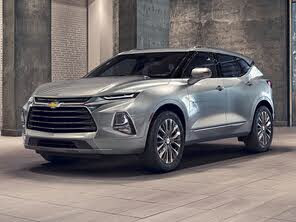
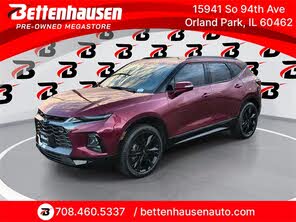
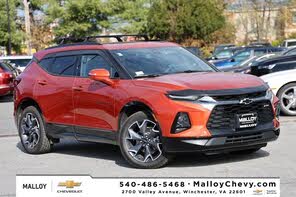
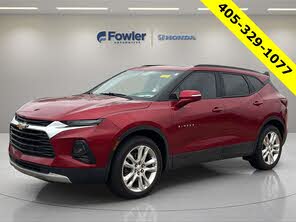
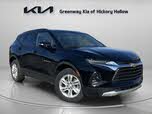
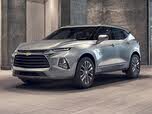
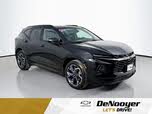
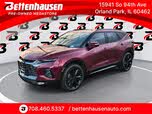
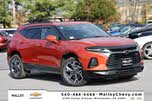
The 2021 Chevrolet Blazer had a striking exterior that often drew comparisons to high-end vehicles like the Lamborghini Urus. Its aggressive front end, slim-cut windows, and 20-inch wheels gave it a sporty and memorable look. The Blazer's design was a departure from Chevy's typically utilitarian SUVs, borrowing elements from the Camaro to create a more stylish and dynamic appearance. However, the interior did not match the exterior's flair, with low-rent materials and an overall dark, unsatisfying cabin that felt out of place for its price point.
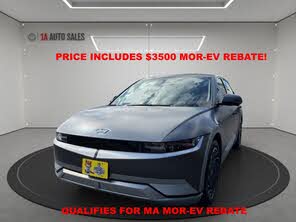
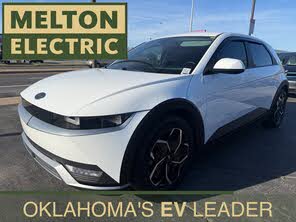
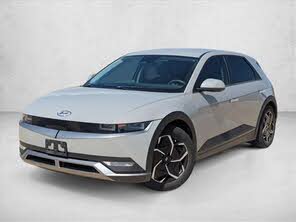
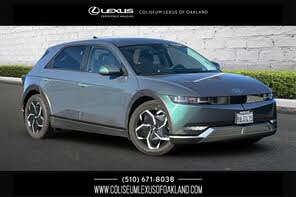
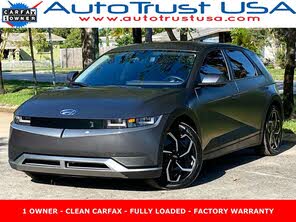
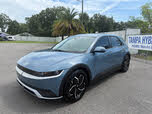
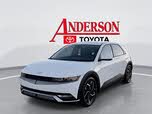
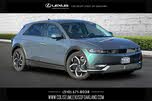
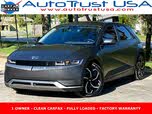
In contrast, the 2022 Hyundai Ioniq 5 presented a polished and futuristic exterior with minimal character lines and a unique Parametric Pixel design. The extensive use of LED pixels in the lighting elements gave it a concept car feel. Inside, the Ioniq 5's cabin was a sanctuary of calm, featuring a "Living Space" design with sustainable materials and a focus on comfort. The interior was available in soothing hues and included features like a "Relaxation" mode for the driver's seat, making it a pleasant place to spend time.


The 2021 Chevrolet Blazer offered three engine options, all paired with a nine-speed automatic transmission. The base 2.5-liter inline-four engine, found in the L and 1LT trims, was underpowered with 193 horsepower and 188 pound-feet of torque. The 2.0-liter turbo four-cylinder engine, standard on the 2LT, 3LT, and Premier trims, provided a more acceptable 227 hp and 258 lb-ft. The preferred engine was the 3.6-liter V6 on the RS trim, delivering 308 hp and 270 lb-ft, making the Blazer feel strong and agile. However, the transmission's slow responses and convoluted manual mode detracted from the overall driving experience. Fuel economy for the AWD V6 was average at 19 mpg city, 26 mpg highway, and 21 mpg combined.
The 2022 Hyundai Ioniq 5 came in two drive configurations, three trims, and three powertrains. The base SE Standard Range model featured a single 128-kW rear-mounted electric motor with 168 horsepower and a 220-mile range. The extended-range variants offered a larger 168-kW rear motor producing 225 hp and 258 lb-ft of torque, with a 303-mile range. The AWD models had a dual-motor system with a total output of 320 hp and 446 lb-ft, but the range dropped to 256 miles. The Ioniq 5 handled well, with four drive modes including Sport, which added excitement but reduced range. The paddle shifters adjusted regenerative braking levels, adding an engaging element to the driving experience.
The 2021 Chevrolet Blazer, a two-row SUV, comfortably seated four passengers. The low roof height was offset by seats mounted lower into the floor, making entry and exit easy. However, sightlines were poor due to the design, though large side-view mirrors and optional rear-view camera improved visibility. Cargo space was 64 cubic feet with the rear seats folded and 30 cubic feet when raised. The Blazer could tow up to 4,500 pounds with the V6 and AWD configuration. Interior controls were user-friendly, and features like the heated steering wheel and hands-free power tailgate added convenience.
The 2022 Hyundai Ioniq 5, built on the Electric Global Modular Platform (E-GMP), offered a spacious interior with a longer wheelbase than the seven-passenger Palisade. It provided 133.7 cubic feet of total interior volume, surpassing competitors like the Ford Mustang Mach-E and Volkswagen ID.4. The Ioniq 5's cabin featured soft touch points and a moveable center console, enhancing usability. The leatherette seats were comfortable and supportive, catering to both slim and larger drivers. The interior design emphasized comfort and practicality, making it a pleasant environment for passengers.
Every 2021 Chevrolet Blazer came with an 8-inch touchscreen running Chevrolet Infotainment 3, featuring wireless Apple CarPlay and Android Auto. The RS trim with the Driver Confidence II package added wireless phone charging, LED headlights, 360 cameras, adaptive cruise control, and the Safety Alert Seat. The "Plus" version of the infotainment system included navigation, 4G WiFi, and onboard apps. GM's unique features like cloud account settings transfer and contactless payments added convenience. Standard driver assists included forward automatic emergency braking, lane-keep assist, and automatic high beams.
The 2022 Hyundai Ioniq 5 boasted advanced technology, including a high-voltage, energy-dense system with vehicle-to-load capabilities. It supported ultra-fast charging, reaching 80% battery capacity in 18 minutes, and could charge other devices or EVs. Hyundai partnered with Electrify America to offer unlimited 30-minute fast-charging sessions for two years. The Ioniq 5 featured a redesigned Blue Link app, digital key, enhanced smartphone pairing, and over-the-air updates. The 12.3-inch screens for the instrument cluster and infotainment were elegant and intuitive, with an anti-glare coating for clear visibility.
The 2021 Chevrolet Blazer received an overall five-star rating from the NHTSA and top "Good" ratings from the IIHS in all crash tests, though it scored "Marginal" and "Poor" for headlights. Standard safety features included a driver's knee airbag and enhanced forward emergency braking on top trims. However, it lacked rear emergency braking and GM's inboard side airbag.
The 2022 Hyundai Ioniq 5 came with Hyundai SmartSense, a suite of advanced driving assistance systems. Standard features included blind-spot monitoring, lane-departure warning, automatic high beams, and front- and rear-collision avoidance. Hyundai Highway Drive Assist I, a Level 2 semi-autonomous driving system, adapted to the driver's habits through machine learning. The Ioniq 5 also offered a head-up display with augmented reality overlays, though it could be distracting. While crash-safety ratings were not yet available, Hyundai's track record suggested high marks were likely.
CarGurus highlights
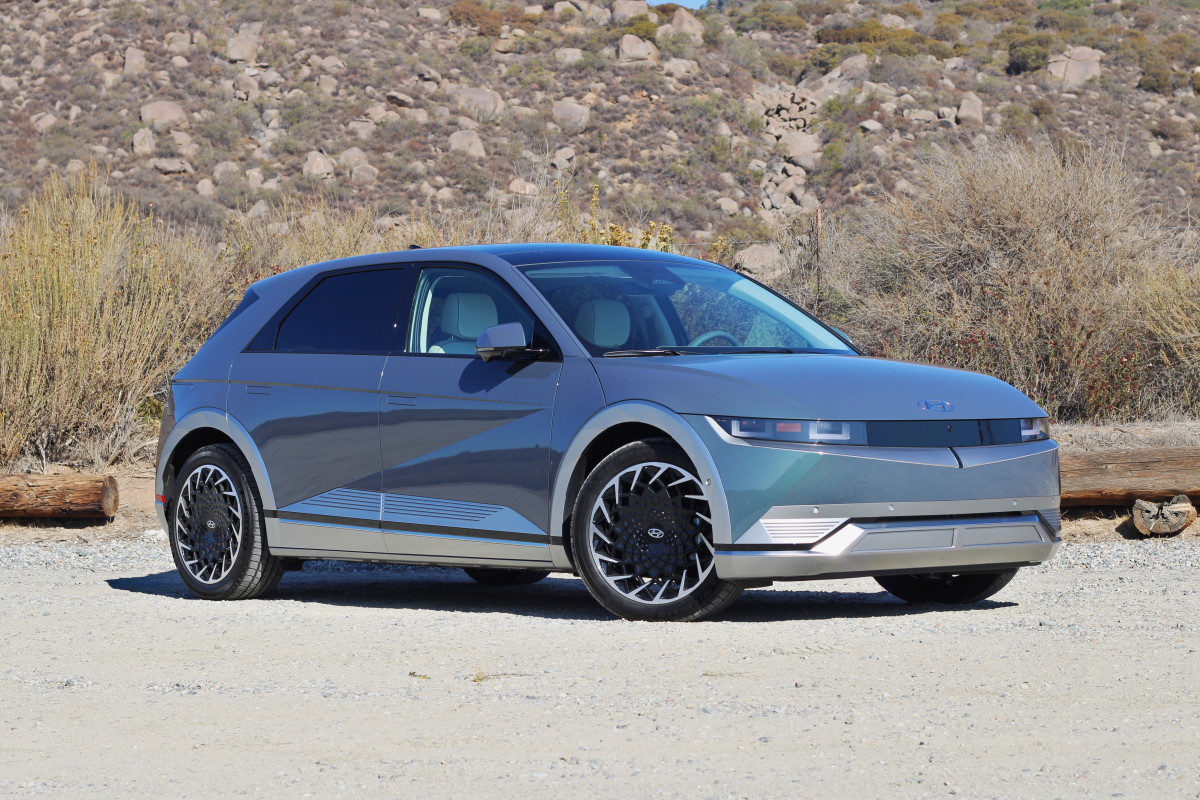
According to CarGurus experts, the overall rating for the 2021 Chevrolet Blazer is 6.5 out of 10, while the 2022 Hyundai Ioniq 5 scores 9.0 out of 10. Based on these ratings, the 2022 Hyundai Ioniq 5 is the clear winner, offering superior technology, comfort, and safety features, making it a more compelling choice for consumers.
Choose the 2021 Chevrolet Blazer if:
- You prefer a sporty, aggressive exterior design.
- You need a vehicle with a higher towing capacity (up to 4,500 pounds).
- You value user-friendly controls and convenient features like a hands-free power tailgate.



Choose the 2022 Hyundai Ioniq 5 if:
- You want a spacious, comfortable interior with advanced technology and sustainable materials.
- You prioritize fast charging capabilities and extended range for an electric vehicle.
- You seek a high level of standard safety features and semi-autonomous driving assistance.



CarGurus highlights
According to CarGurus experts, the overall rating for the 2021 Chevrolet Blazer is 6.5 out of 10, while the 2022 Hyundai Ioniq 5 scores 9.0 out of 10. Based on these ratings, the 2022 Hyundai Ioniq 5 is the clear winner, offering superior technology, comfort, and safety features, making it a more compelling choice for consumers.
Choose the 2021 Chevrolet Blazer if:
Shop Now- You prefer a sporty, aggressive exterior design.
- You need a vehicle with a higher towing capacity (up to 4,500 pounds).
- You value user-friendly controls and convenient features like a hands-free power tailgate.



Choose the 2022 Hyundai Ioniq 5 if:
Shop Now- You want a spacious, comfortable interior with advanced technology and sustainable materials.
- You prioritize fast charging capabilities and extended range for an electric vehicle.
- You seek a high level of standard safety features and semi-autonomous driving assistance.






By: CarGurus + AI
At CarGurus, our team of experienced automotive writers remain at the heart of our content operation, conducting hands-on car tests and writing insightful guides that are backed by years of industry experience. To complement this, we are harnessing AI to make our content offering more diverse and more helpful to shoppers than ever. To achieve this, our AI systems are based exclusively on CarGurus content, ratings and data, so that what we produce is both unique to CarGurus, and uniquely helpful to car shoppers.