The Toyota Camry has spent four decades building a reputation that most midsize sedans can only aspire to. It's practical, comfortable, and cheaper to own over the long term than almost anything in its class. But when it comes to Toyota Camry reliability, the model year and powertrain you choose can make a real difference—and getting that decision wrong can turn a smart buy into an expensive one.
Engine type, production year, and service history are the three variables that shape how a used Camry holds up once the warranty is gone. This guide identifies the weak spots across generations, tells you which combinations to prioritize, and helps you ask the right questions before you sign anything.
- Toyota Camry Engine Reliability: Which Powertrain Holds Up?
- Toyota Camry Transmission Reliability
- Drivetrain, Suspension, and Electrical: What Else to Check
- Toyota Maintenance: What It Takes to Keep a Camry Running Well
- Camry Reliability by Generation: Which Years Are Strongest?
- Is the Toyota Camry Reliable?
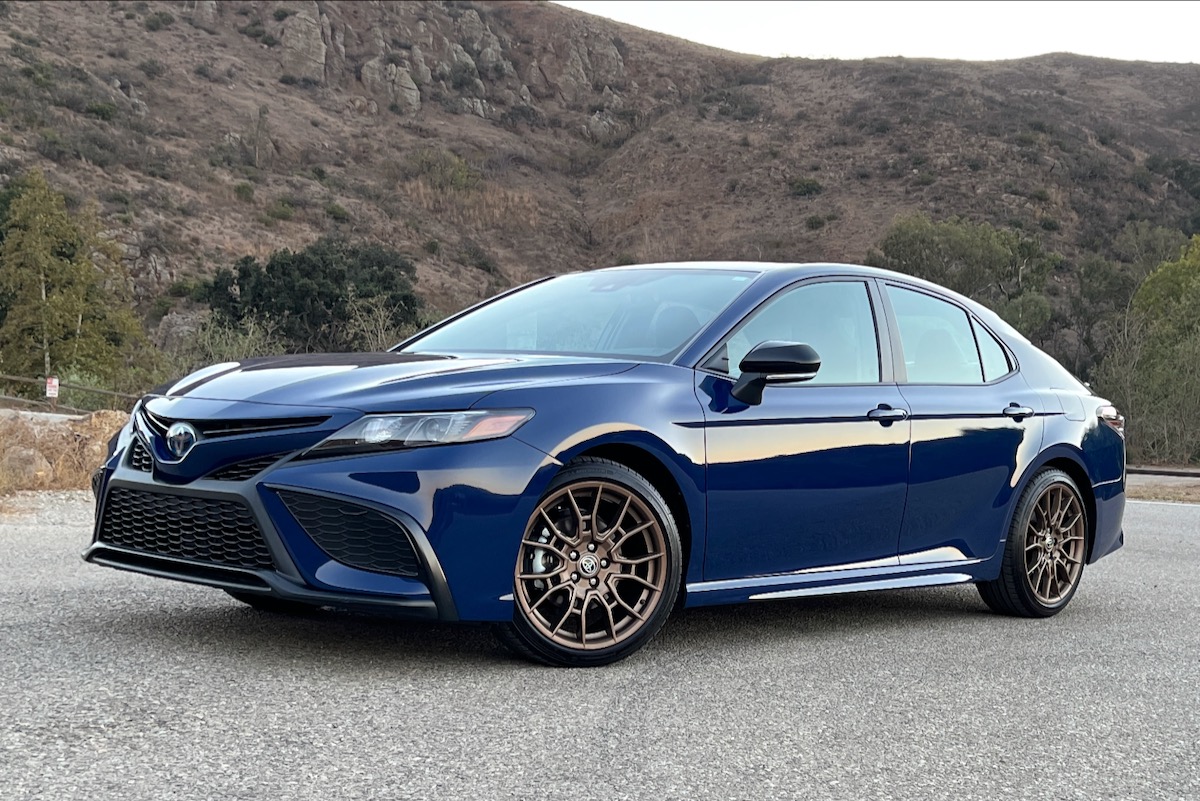
Camry Reliability at a Glance
| Reliability Status | Excellent — a segment benchmark for dependability |
| Most Common Issue | Excessive oil consumption (2.4L engine, 2007–2009) |
| Most Common Major Repair | 8-speed automatic — software lag or harsh shifting (2018) |
| Most Reliable Configuration | 2012–2017 with 2.5L 4-Cylinder |
| Average Annual Repair Cost (RepairPal) | $388 vs. the higher midsize sedan class average |
Toyota Camry Engine Reliability
Choosing the right engine is the single most important decision when buying a used Camry. The Camry consistently ranks among the most reliable midsize sedans on the market, but each of its three powertrains has a different risk profile—and specific production years where that risk is higher than the overall numbers suggest.
Quick Comparison: Camry Engine Reliability
| Engine | Best Years | Reliability | Key Trade-Off |
|---|---|---|---|
| 2.5L 4-Cylinder (Gas) | 2012–Present | High | Lower power output vs. V6 |
| 2.5L Hybrid (eCVT) | 2012–Present | High | Higher initial purchase price |
| 3.5L V6 | 2007–2024 | Average / High | More to service at high mileage (water pump, timing cover leaks) |
Camry Engine Reliability: A Closer Look
2.5L 4-Cylinder Gas Engine
For buyers who want a Camry they can drive past 250,000 miles without major drama, the 2.5L four-cylinder is the right starting point. It's naturally aspirated, runs a timing chain instead of a belt, and has a parts ecosystem so deep that independent shops everywhere can service it without specialist labor.
- Oil Consumption (2007–2009): The older 2.4L engine in 6th-gen models is well documented for excessive oil consumption at higher mileage. Pull the dipstick on any Camry from these years before making a decision.
- The Sweet Spot: The 7th-gen 2.5L (2012–2017) is the version to target. By this point, the engine was fully settled, the 6-speed automatic was well-proven, and 2012–2017 models rank among the most consistently trouble-free in the Camry's modern history.
2.5L Hybrid / eCVT (2012 Onward)
The Camry Hybrid's eCVT works differently from a conventional automatic. There's no torque converter to wear out, no clutch packs to replace, and no hydraulic valve body to fail—which eliminates the components responsible for most automatic transmission repairs over a long ownership period.
- Less wear in everyday driving: Toyota's hybrid system uses the electric motor for low-speed acceleration and stop-and-go traffic, which means the combustion engine runs under less strain in the conditions that wear it out fastest. Brake wear is also reduced through regenerative braking.
- A tested platform: Toyota has been refining this hybrid architecture since the early 2000s. The Camry Hybrid shares its core system with the RAV4 Hybrid and Highlander Hybrid—both of which have built long track records in real-world high-mileage ownership.
3.5L V6
The V6 gives the Camry a noticeably different character—smoother, quicker, and better suited to highway driving. The trade-off is a more demanding maintenance schedule once the mileage climbs past 100,000.
- Water Pump: The V6's water pump is the most significant wear item to watch. Failure can lead to overheating quickly, and catching it late enough can permanently warp the cylinder heads—a repair that typically costs more than the vehicle is worth on an older Camry.
- Timing Cover Oil Leaks: The 3.5L is known for oil seeping from the timing cover at higher mileage. It's not a sudden failure, but it's a cost of ownership to factor in compared to the four-cylinder.
- The Sweet Spot: V6 buyers should target 2010–2017 models, where the engine was at its most reliable and the earliest 6th-gen production concerns had been resolved.
Related Reading: While Camrys are known for their engine reliability, it's always worth looking into longevity for used models. Check out our Toyota Camry Engine Longevity Guide to learn more.

Toyota Camry Transmission Reliability
The Camry's transmission lineup splits clearly between three units. The 6-speed automatic and eCVT have long track records of dependability. The 8-speed that arrived with the 8th generation in 2018 is a different story—specifically for that first model year.
Quick Comparison: Camry Transmissions
| Transmission | Common Years | Engine Pairing | Reliability Verdict |
|---|---|---|---|
| 6-Speed Automatic | 2010–2017 | 2.5L Gas | High — Very durable; check fluid service history |
| 8-Speed Automatic | 2018–Present | 2.5L / 3.5L Gas | Mixed — Shifting/software complaints (2018 specifically) |
| eCVT | 2007–Present | Hybrid | High — Exceptionally simple design |
Camry Transmission Reliability: A Closer Look
The 8-Speed Automatic
The UA80 8-speed automatic arrived with the TNGA-platform Camry in 2018 and quickly generated a high volume of owner complaints in its first production years.
- The Red Flag: Owners reported harsh shifts—particularly a clunk or jerk when the transmission moved between 2nd and 3rd gear—along with hesitation from a standing start. NHTSA complaint data shows a meaningful volume of these reports across 2018–2021 models.
- The Fix: Toyota issued a new transmission control module (TCM) software update that addresses the calibration mismatch causing the harsh shifts, which resolved the issue for most owners. Before buying any 2018–2021 gas Camry, confirm the TCM has been updated at a Toyota dealer.
- Buyer Tip: During a test drive, pay close attention to the 2nd-to-3rd gear transition and throttle response from a stop. Ask the seller directly: "Has the TCM been updated per Toyota's TSB?" This can give you some negotiating power.
The 6-Speed Automatic
The 6-speed automatic on 7th-gen Camrys (2012–2017) is one of the more durable transmissions in the midsize sedan class—but it has one specific issue that affects 2012–2014 models that's worth a second look.
- Torque Converter Shudder (2012–2014): Under light acceleration between 25–50 mph, some 2012–2014 Camrys develop a vibration caused by the torque converter's lock-up clutch not slipping properly. Toyota addressed this through a Limited Service Campaign (LSC E03) that included an ECM software update and torque converter replacement. On any 2012–2014 Camry, verify this fix was completed through a VIN check at NHTSA.gov or have the dealer verify for you.
- Longevity: Outside of the torque converter issue on early units, the 6-speed is a dependable transmission. With regular fluid changes using Toyota WS-spec fluid, these units routinely pass 200,000 miles without significant problems.
The eCVT
The Hybrid's eCVT has no torque converter to shudder, no clutch packs to wear, and no complex valve body to service. By design, it's the most mechanically straightforward drivetrain in the Camry lineup—and its track record reflects that.

Drivetrain, Suspension, and Electrical: What Else to Check
Beyond the powertrain, a few other systems are worth your attention before committing to a used Camry.
Steering and Suspension
6th-gen Camrys (2007–2011) at higher mileage are known for worn struts that produce a noticeable clunk or softness over bumps. It's a normal wear item on a high-mileage sedan, but worth checking during a test drive—particularly on Camrys with over 120,000 miles.
Electrical and Infotainment
The Camry's software-related issues are more an inconvenience than a mechanical concern, but a few patterns in the 8th generation are worth knowing about:
- Entune Infotainment Glitches (2018–2020): The Entune 3.0 touchscreen on early 8th-gen models had a documented tendency to reboot spontaneously or freeze mid-use. Toyota issued software updates that addressed the most common triggers. Always confirm that any 2018–2020 Camry has the latest software version before buying.
- 12V Battery Drain: Some 8th-gen owners reported slow 12V battery drain linked to connected services running in standby. Any used Camry with a recently replaced battery and no clear explanation is worth investigating before signing.
- Check Engine Lights: On higher-mileage Camrys, oxygen sensor and mass airflow sensor faults are the most frequent triggers for check engine lights. Prompt diagnosis keeps fuel management correct and avoids compounding issues downstream.
Ongoing Maintenance: What It Takes to Keep a Camry Running Well
A Camry with a documented service history and one without can look identical from the outside. The known weak spots across all three generations are manageable—but deferred maintenance, particularly on oil changes and transmission fluid, tends to turn minor issues into costly ones.
| Service | Why It Matters | Recommended Interval |
|---|---|---|
| Oil changes | The 2.5L's timing system and piston rings need clean oil. Skipping or stretching intervals is the most common driver of early wear on Camry engines—especially on 2AZ-FE units already prone to consumption. | Every 5,000–10,000 miles, full synthetic |
| Spark plugs | Worn plugs cause misfires that can stress the catalytic converter—a costly downstream failure on any four-cylinder. | Every 60,000–120,000 miles |
| Transmission fluid | On 2012–2017 models, fresh WS-spec fluid is the first-line fix for torque converter shudder. On 2018+ 8-speed models, a fluid service on any used Camry with an unclear history is cheap insurance. | Inspect/service at 60,000 miles |
| Hybrid battery filter | A clogged filter restricts airflow to the hybrid battery pack, creating thermal stress that shortens cell life. | Clean every 20,000 miles |
| Coolant flush | Degraded coolant accelerates corrosion inside the V6's cooling circuits and timing cover seals—the primary failure area on high-mileage 3.5L engines. | Per manufacturer's schedule, or when buying used |
Toyota Camry Repair Costs
According to RepairPal, the Camry's average annual repair cost is $388—well below the midsize sedan class average. Parts availability is strong at both Toyota dealers and independent shops, and the Camry's large ownership base means most mechanics are already familiar with its common service needs. The 2.5L four-cylinder is the most accessible powertrain for any shop; hybrid models may need a specialist for battery system work.

Camry Reliability by Generation: Which Years Are Strongest?
Toyota Camry reliability has stayed consistently high, but the specific risks have shifted as Toyota moved from the 6th to the 8th generation. Here's a practical breakdown for used buyers:
Quick Comparison: Camry Generations
| Generation | Best Years | Strengths | Watch Out For |
|---|---|---|---|
| 6th Gen (2007–2011) | 2010–2011 | Solid chassis; V6 available; widely serviced | 2007–2009 oil consumption (2.4L 2AZ-FE engine); 2007–2009 V6 timing cover leak (2GR-FE) |
| 7th Gen (2012–2017) | 2015–2017 | Best overall value; 2.5L fully sorted; fewest reported issues across any Camry generation | 2012–2014 torque converter shudder (TSB issued—verify completion); worn struts on high-mileage units |
| 8th Gen (2018–2024) | 2019–2024 | TNGA platform; standard Toyota Safety Sense; best interior refinement | 2018–2021 8-speed harsh shifting; Entune infotainment freezing on 2018–2020 models |
Related Reading: Reliability can vary significantly by year. For guidance on which specific model years to prioritize or skip, see our Toyota Camry Buying Guide on CarGurus.
Is the Toyota Camry Reliable?
The Camry's reliability record is as consistent as any vehicle in its class. Its average annual repair cost of $388 sits well below the midsize sedan average, and Toyota's nationwide service network means keeping one on the road is rarely complicated or expensive.
That said, the individual vehicle matters as much as the nameplate. A Camry with 130,000 miles and a documented service record is a better buy than one with 70,000 miles and no paperwork. What a Camry has left in it comes down to how it's been maintained—not just how far it's traveled.
Ready to start shopping? Browse used Toyota Camry listings on CarGurus to compare vehicle history reports and Instant Market Values side by side—so you can find a well-maintained sedan at a fair price.