If your family has outgrown your current car, it’s time to trade up and get something that's a better fit. Whether you have three family members or ten, the right car can make every daily drive, carpool, and road trip a whole lot easier.
But with so many choices out there, where do you start? In this guide, we’ll look at the four questions that most family car buyers ask: What body type? How much space do I need? Which safety features matter most? How much should I pay?
We’ll answer each one in order, to help you choose your next family car with confidence.
At a glance:
| Question | Short answer |
|---|---|
| Minivan or SUV? | Minivans maximize interior space and value; SUVs offer more versatility and broader AWD availability |
| How many rows do I need? | 2 rows for families of 4 or fewer; 3 rows for 5+ or frequent carpooling |
| What safety rating should I look for? | IIHS Top Safety Pick+ is the highest designation; cross-check NHTSA too |
| What's the budget sweet spot? | Most popular family segments start in the low-to-mid $30Ks new; used 2–4-year-old examples often run $22K–$34K |
How to Choose a Family Car: A Buyer’s Guide
- What body type is best for a family car – minivan, SUV, or sedan?
- How much space does a family car actually need?
- What safety features should a family car have?
- What are the most reliable family cars?
- How much should I spend on a family car?
- New vs. used — which is better for a family car?
- How To Choose a Family Car FAQs
- Conclusion
What body type is best for a family car – minivan, SUV, or sedan?
For most families of five or more, a three-row SUV or minivan beats a sedan — but the right body type depends on your daily use and lifestyle.
A sedan can do the job if you don’t need child seats or baby gear and will generally give the best fuel economy. The higher seating position and larger door openings of a minivan or SUV make it easier to install or remove a child seat, however, and are likely to give kids a better view outside.
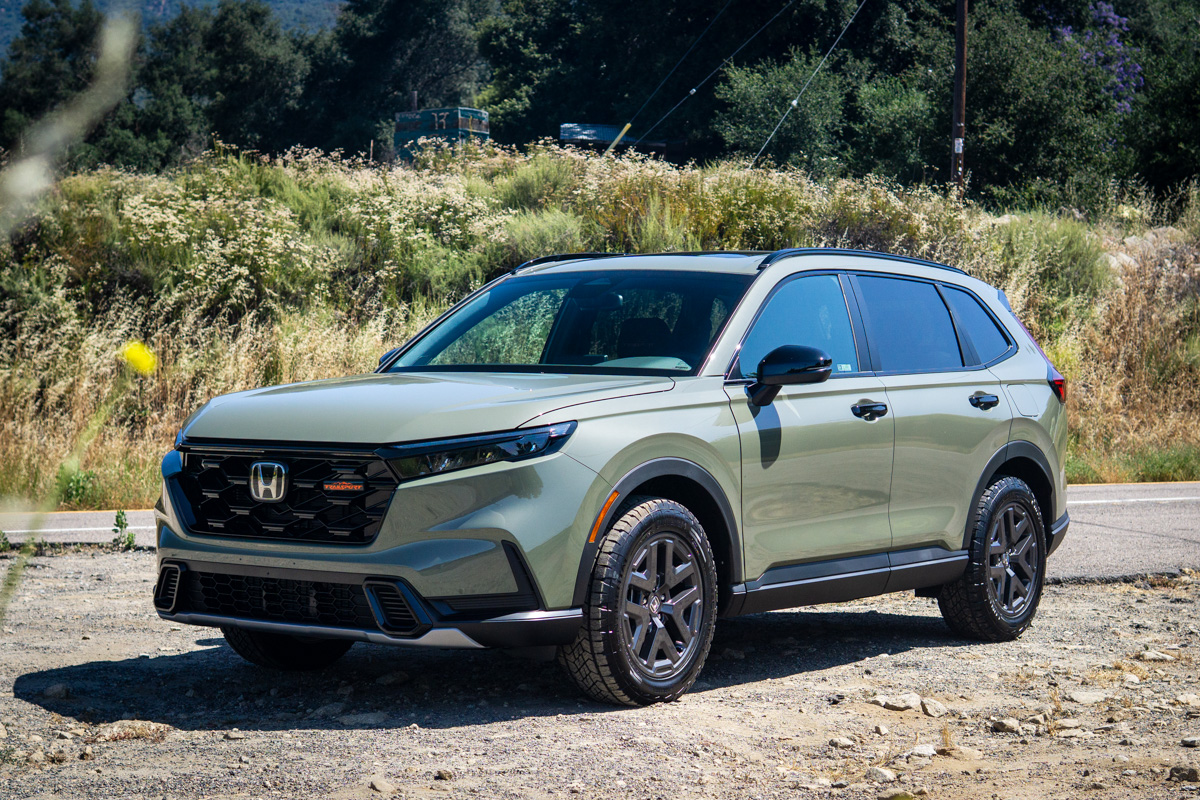
If family life for you means lots of youth sports, road trips, or outings with grandparents, or you have three kids or more, the extra seating and versatility of a minivan or SUV are a must. Compact SUVs such as the Honda CR-V or Ford Escape offer good interior space, but midsize SUVs give you useful extra width across the back seat and, in many cases, three rows of seats.
If you regularly travel with more than five people on board, you’ll need a three-row SUV or a minivan. Three-row SUVs can match minivans for seating capacity, but their less van-like shape means they’re generally not as practical outright. They can cost more, too, but SUVs tend to be a better fit if you tow regularly and are more likely to be available with all-wheel drive (AWD).
For sheer practicality and value, minivans are hard to beat. In addition to big windows and a spacious cabin, most have sliding rear side doors that can be a godsend in tight parking lots and give a huge load-through space.
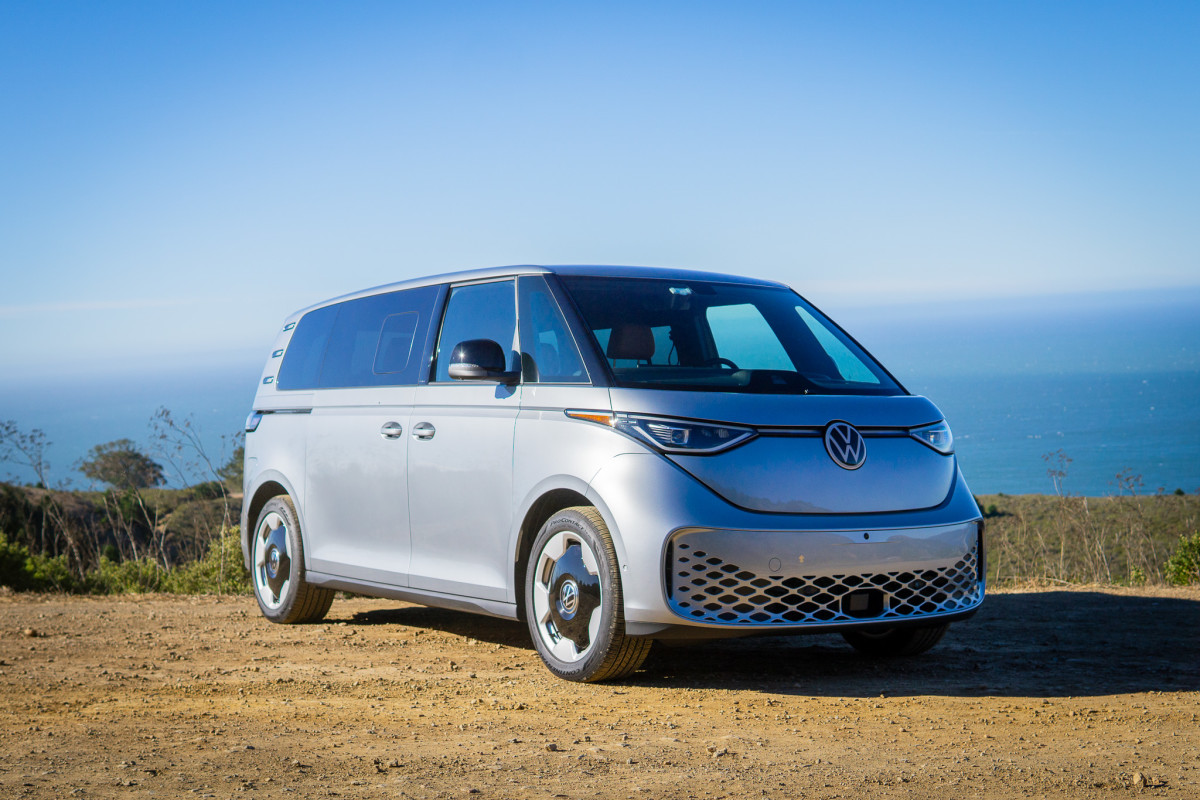
As of July 2026, the only AWD minivans that you can buy new are the Chrysler Pacifica and Toyota Sienna. The all-electric Volkswagen ID.Buzz is also available with AWD, but at the time of writing Volkswagen had paused new sales while it sold remaining 2025 model year stock. The brand has confirmed that AWD models will be available when the ID.Buzz is reintroduced for the 2027 model year.
| Minivan | 3-Row SUV | Midsize SUV | Sedan | |
|---|---|---|---|---|
| Max seating | 7–8 | 7–8 | 5 | 5 |
| Cargo behind 3rd row | High | Medium | High (no 3rd row) | Low |
| AWD available? | Sienna & Pacifica only | Yes | Yes | Some |
| Fuel economy | Good (hybrid options) | Moderate | Better | Best |
| Starting MSRP (new) | ~$37K–$44K | ~$40K+ | ~$32K+ | ~$27K+ |
| Best for | Large families, road trips | Versatility + capacity | Families of 4, daily driving | Fuel savings, smaller families |

How much space does a family car actually need?
When deciding whether to go for a two-row or three-row model for your next family car, think carefully about how you’ll use it and how many passengers you’ll regularly carry.
If you only have one or two children, a three-row vehicle is probably overkill. It’s likely to cost more than a five-seat model and, with the third-row seats folded, may offer less cargo space.
For two adults and three children, a three-row SUV will give you the flexibility to bring additional friends or family members along on a road trip, but bear in mind that third-row headroom and legroom for anyone aged 10 and up can be tight in the more compact models.
Families that regularly travel with two adults and four or more children on board are best off with a minivan, since these have full-size third-row seats that are easy to access.
Check cargo space carefully. In some cases, a five-seat SUV may have a larger trunk than a three-row SUV with its seats folded. Some smaller three-row SUVs offer limited cargo space with the third-row seats in place, while minivans usually win out for maximum load space with all three rows occupied.
| Family size | Recommended configuration | Notes |
|---|---|---|
| 2 adults + 1–2 kids | Midsize SUV or sedan | Third row unnecessary; prioritize cargo space |
| 2 adults + 3 kids | 3-row SUV or minivan | Third row usable; verify legroom for older kids |
| 2 adults + 4+ kids / carpooling | Minivan | Best third-row legroom and easiest access |

What safety features should a family car have?
The two main sources for vehicle safety ratings are the IIHS (Insurance Institute for Highway Safety) and the NHTSA (National Highway Traffic Safety Administration). They test differently, and both should be consulted before finalizing a shortlist.
When shopping for a family car, bear in mind that NHTSA ratings are based purely on how cars perform in four separate crash tests, while IIHS ratings also take into account what kind of safety features a car has. Look out for things like seat belt reminders and rear airbags that are specifically designed to help protect those in the second or third row of seats. And don’t forget about advanced driver assistance systems (ADAS). These can help prevent a collision happening in the first place but are often included in option packages, or only available for higher trim levels, so it’s important to check a car’s specs carefully.
If safety is your top priority, look for a vehicle that’s an IIHS Top Safety Pick+. To meet this rating, a car must rank well both in crash tests and for driver assistance features.
Here’s an overview of the key safety features to look out for:
| Feature | What it does | Must-have or nice-to-have? |
|---|---|---|
| Automatic emergency braking (AEB) | Brakes automatically to avoid or reduce collision severity | Must-have |
| Blind-spot monitoring | Alerts driver to vehicles in adjacent lanes | Must-have |
| Rear cross-traffic alert | Warns of approaching traffic when reversing | Must-have |
| Lane-keep assist | Nudges steering to prevent unintended lane departure | Nice-to-have |
| Rear seat reminder | Alerts driver to check rear seats after parking | Nice-to-have |
| Second-row side airbags | Protects rear passengers in side impacts | Nice-to-have (check availability) |
What are the most reliable family cars?
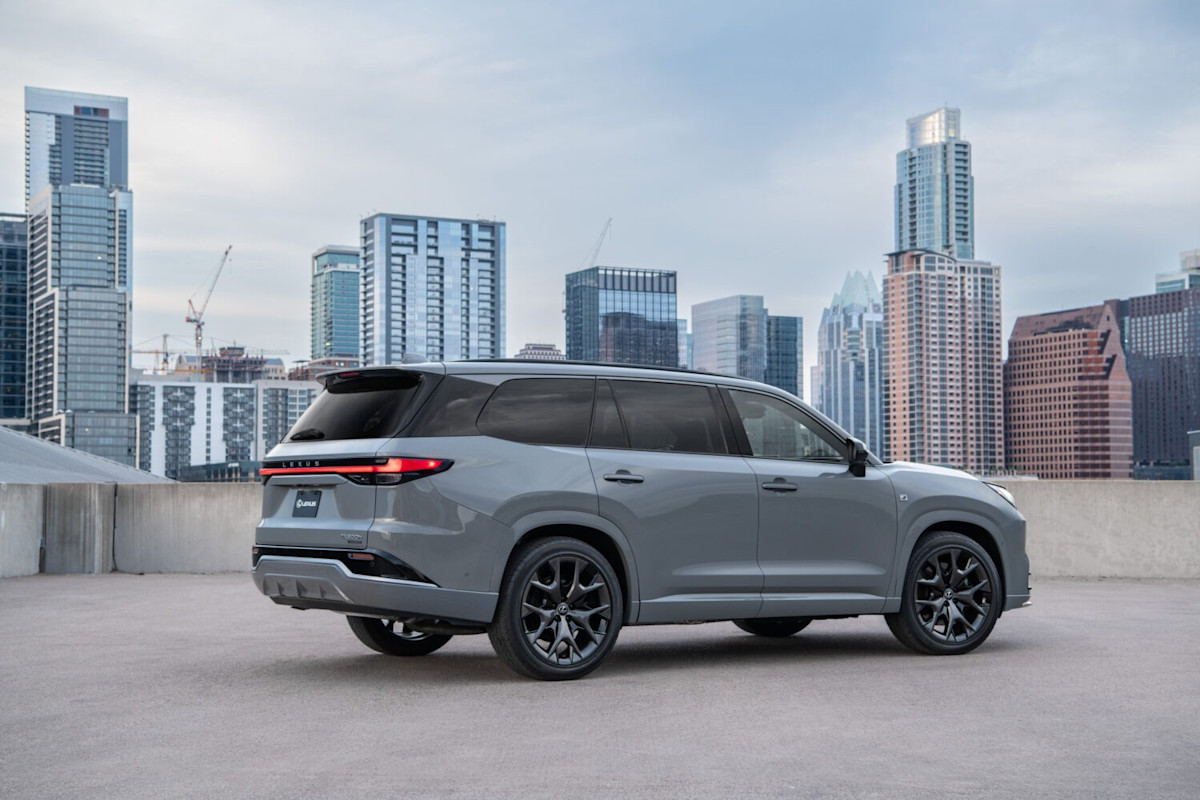
According to Consumer Reports’ 2026 ratings*, Toyota, Subaru, and Lexus are the leading carmakers for overall reliability, with Honda and BMW rounding out the top five. Each of those brands offers a wealth of family cars to choose from, with SUVs including the BMW X5, Honda Pilot, Lexus TX, Subaru Ascent, and Toyota Highlander, and minivans including the Honda Odyssey and Toyota Sienna.
Looking at Consumer Reports’ top 10 most reliable models for 2026, the list consists entirely of Honda, Lexus, Toyota, and Subaru models. Top picks in the SUV category include the Lexus NX, Toyota Highlander, and Grand Highlander Hybrid. Two family-friendly sedans make the top 10 — the Honda Accord and Toyota Crown.
Remember that a reliable car doesn’t just reduce stress and inconvenience; it also lowers ownership costs because you don’t have to continually shell out for repairs. With that in mind, it’s no wonder that a 2023 CarGurus study of more than 3,000 car buyers found that reliability was named as the most important factor when choosing a car, with 41% listing it as a factor.
How much should I spend on a family car?
If you’re buying new, prices for popular family cars start in the low-to-mid $30Ks. The average transaction price runs higher, though, at roughly $49K across all categories and for midsize SUVs**. If you’re buying used, you’ll pay less thanks to the wonders of depreciation, with the obvious trade-off that you’ll be getting a car with more wear and tear and less of its original manufacturer warranty.
One thing to consider is Certified Pre-Owned (CPO) vehicles. These provide extra reassurance and more warranty coverage compared with a standard used car, and you may consider that added value is worth paying more for.
Working out how much to spend on a car means understanding all of the ownership costs and not overstretching your finances. However much you spend, it’s crucial to make sure you get a good deal by doing lots of price research upfront and being prepared to negotiate the price you pay.
Here’s a rough guide to how much you can expect to pay for a typical family car, with average starting MSRPs (rather than transaction prices) sourced from MoneyGeek in July 2026:
| Segment | Typical starting MSRP (new) | Typical used price (2–4 yr old) |
|---|---|---|
| Midsize SUV | $32,000–$40,000 | $22,000–$34,000 |
| 3-row SUV | $40,000–$50,000 | $28,000–$42,000 |
| Minivan | $38,000–$45,000 | $25,000–$38,000 |
| Midsize sedan | $27,000–$34,000 | $16,000–$26,000 |

New vs. used—which is better for a family car?
There's no definitive answer to whether you should buy a new or used model as your next family car. The right choice will depend on your budget, expected mileage, and which features matter most to you.
A new car will come with all the latest safety technology and a full manufacturer warranty, and you’ll be able to option it to your taste. It’ll cost the most to buy, but if you’re planning to keep it for a long time, a new car can make sense.
A used car generally represents the best value, since vehicles depreciate quickest during the first few years they’re on the road. On the downside, you won’t be able to configure the car and it may not have the latest safety or tech features. Certified Pre-Owned (CPO) vehicles offer a middle ground, costing less than a brand-new car but offering the reassurance of a manufacturer-backed inspection and warranty.
How To Choose a Family Car FAQs
What is the safest family car you can buy?
If you’re searching for the safest family car, look out for one that has an IIHS Top Safety Pick+ award. Consistent family car performers in recent years include the Honda Pilot, Subaru Ascent, and Toyota Sienna.
Is a minivan or SUV better for a family?
For larger families, a minivan is almost unbeatable when it comes to interior space, versatility, and value. An SUV is a better choice if you want extra ground clearance and towing ability, and will give you a wider range of vehicles to choose from. Bear in mind that both body types are available with AWD, although there are more AWD options if you’re looking at SUVs.
What is a good family car for under $30,000?
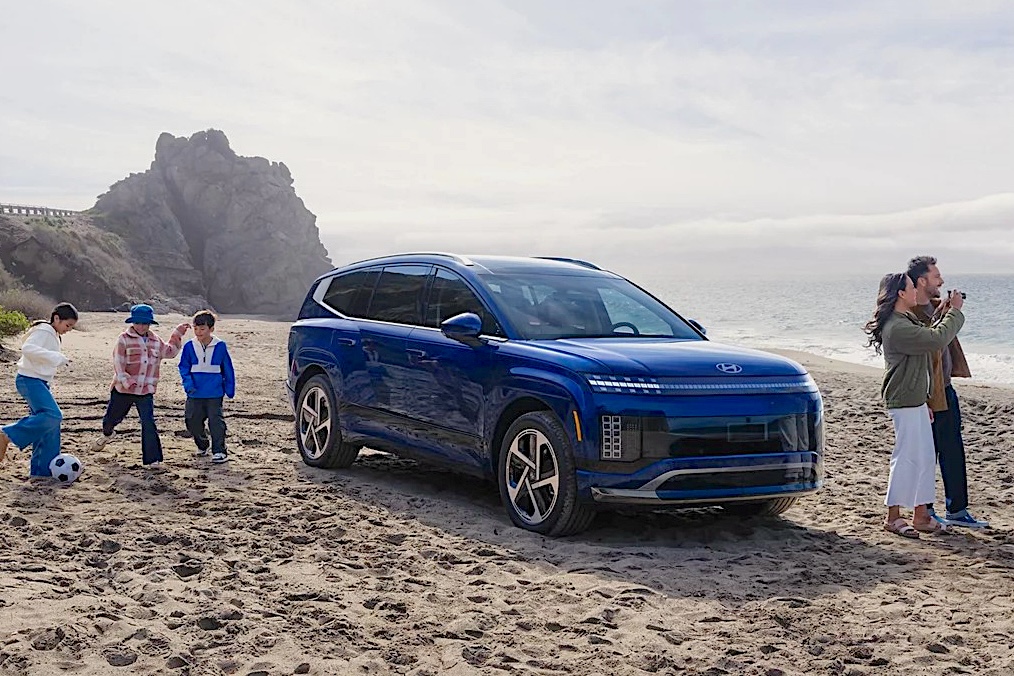
If you have less than $30,000 to spend on a family car, you have limited new options but a wealth of excellent used options to choose from. Used examples of the Honda CR-V, Subaru Forester, and Toyota Grand Highlander check all the right boxes. If you want an EV, the Hyundai Ioniq 5 is a good bet.
Do I need all-wheel drive for a family car?
You don’t necessarily need AWD in a family car but it can be very valuable if you live in an area with frequent snow and ice, or if you tow regularly. Although some base-model SUVs only have two-wheel drive, many have AWD standard and almost all offer it in higher trim levels or as an option. If you want a new minivan with AWD you have just two choices: the Chrysler Pacifica or the Toyota Sienna.
What should I look for when test-driving a family car?
When test-driving a family car it’s a good idea to bring the whole family with you if possible. Look out for things such as child-seat installation, third-row access, cargo loading height, and rear visibility. Check that everyone can get comfortable inside and be sure that the driving experience meets your needs.
How do I know if a family car is a good deal?
Working out whether a family car is a good deal means more than just looking at the sticker price, because running costs and reliability play a big part in the overall cost of ownership. To make sure the price you pay is competitive, check out tools such as CarGurus' Deal Ratings and Price Analysis.

Conclusion
Choosing the right family car starts with understanding how you actually use your vehicle. The first step is to decide which body style best suits your lifestyle. Then, work out how much passenger and cargo space you'll need, both now and in the future. Next, think about how much priority you place on safety ratings and features. Finally, do the math and set a realistic budget.
When you've got your shortlist, it’s time for the fun part — scouring the listings to find a car that you love!