The redesigned 2027 Hyundai Tucson Hybrid offers bold style, the latest tech, and even better fuel economy.
2027 Hyundai Tucson Hybrid Pricing, Specs, and Release Date
- What’s New for the 2027 Hyundai Tucson Hybrid
- Design
- Powertrain
- Interior
- Technology
- Safety
- Pricing and Release Date
- Further Research

What’s New for the 2027 Hyundai Tucson Hybrid
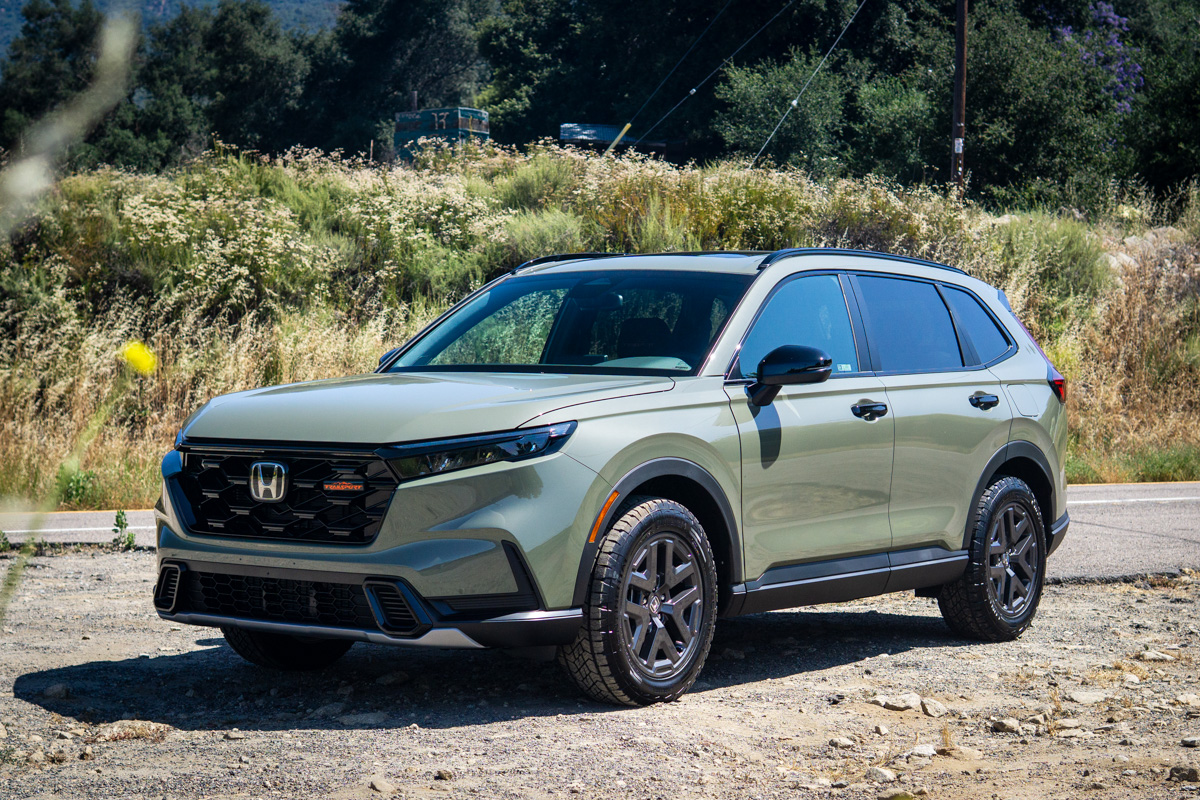
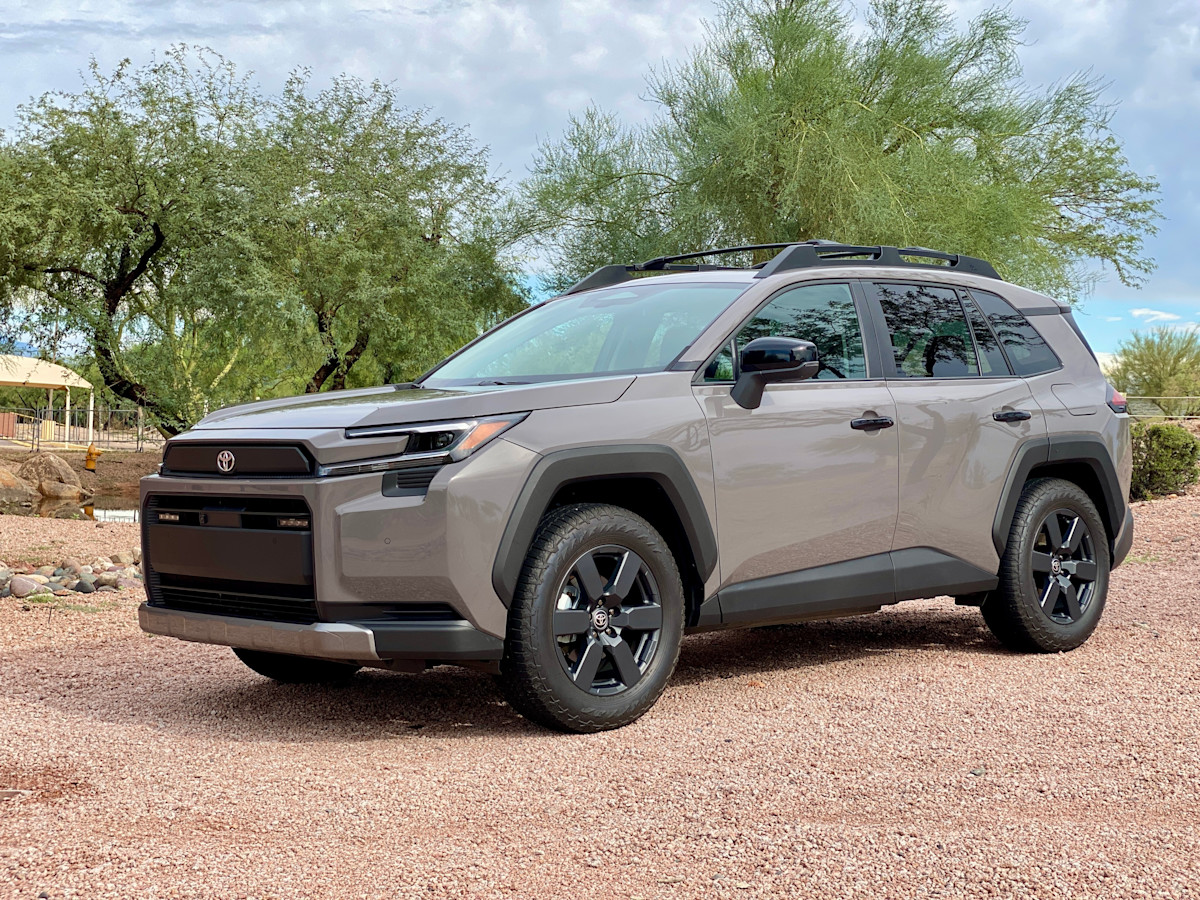
Like the rest of the 2027 Tucson lineup, the Tucson Hybrid is redesigned with dramatic new styling inside and out, as well as an updated infotainment system. The hybrid model is also more fuel-efficient than before, keeping pace with competitors such as the Honda CR-V Hybrid, the Subaru Forester Hybrid, and the Toyota RAV4, which comes standard with a hybrid powertrain.
Design
The 2027 Hyundai Tucson Hybrid is a dramatic departure from its predecessor. The previous generation’s sleek shape has been replaced by traditional SUV bulk. Squared-off fender flares give the Tucson Hybrid a wide stance, while the front end is tall and imposing. These angular styling features don’t detract from a fairly slippery 0.30 coefficient of drag, which aids fuel efficiency. The styling carries over from the non-hybrid Tucson, and the only giveaway is unobtrusive “Hybrid” badging. That was also the case with the previous-generation Tucson Hybrid and is generally the norm for this market segment. A new XRT Pro off-road model joins the lineup for 2027. It features unique front and rear fascias that incorporate red tow hooks, extra cladding with a forged-carbon pattern, and 18-inch wheels with all-terrain tires. A raised ride height also gives the XRT Pro 8.3 inches of ground clearance, which is 1.1 inches more than other Tucson Hybrid models.
Powertrain
As before, the hybrid powertrain is built around a 1.6-liter turbocharged four-cylinder engine and a six-speed automatic transmission. An electric motor is sandwiched between the engine and transmission, fed by a 1.5-kWh battery pack. Output should be close to the 2026 model's 231 horsepower, which will get the 2027 Tucson Hybrid from 0-60 mph in 8.5 seconds, Hyundai estimates. A choice of front-wheel drive (FWD) or all-wheel drive (AWD) will be available on most trim levels. FWD models will be the most fuel-efficient, achieving up to 42 mpg on 17-inch wheels, which would be a significant boost from the 38 mpg combined of the 2026 Tucson Hybrid Blue model. Hybrid models can also tow up to 3,000 pounds, according to Hyundai—a 1,000-pound increase over the 2026 model and pretty competitive for the segment. Hyundai has also increased the amount of regenerative braking for the 2027 model and added an E-Traction torque-vectoring feature to improve response when cornering. When stationary, a new Stay Mode keeps the climate control, the audio system, and device charging active for longer, drawing power from the battery pack.

Interior
Like the non-hybrid Tucson, the 2027 Tucson Hybrid’s interior features rounded surfaces adopted from the larger Hyundai Santa Fe and Palisade crossovers, but with materials that belie the Tucson’s lower price point. The interior design carries over from the non-hybrid Tucson, as do the dimensions. That means more headroom than the 2026 model in both rows, as well as increased second-row legroom. Hyundai also redesigned the rear doors to open an extra-wide 83 degrees, which should make it easier to access child car seats. Maximum cargo space of 41.7 cubic feet behind the second row is similar to that of the outgoing model, and the floating center console creates plenty of space for storing small items up front.
Technology
The redesign adds a 9.9-inch digital instrument cluster and a 12.9-inch central touchscreen, with a new infotainment system called Pleos Connect that retains wireless Apple CarPlay and Android Auto but adds an AI voice assistant called Gleo, and features a new interface that Hyundai claims can limit driver distraction. The slim instrument cluster sits atop the dashboard in the driver’s line of sight. The touchscreen’s main menu keeps vital information closer to the driver, while moving entertainment functions off to the side. Hyundai has included physical controls for audio and climate functions and the spacious center console includes two 15-watt wireless device chargers. XRT Pro models have a Smart Terrain Assist system that uses AI to rate the difficulty of terrain and automatically select the appropriate drive mode. A Ground View Monitor feature provides off-road camera views, while Target Speed Control maintains a set speed when off-roading.