2027 Cadillac LYRIQ Reviews, Pricing & Specs


Pros & cons
What we like
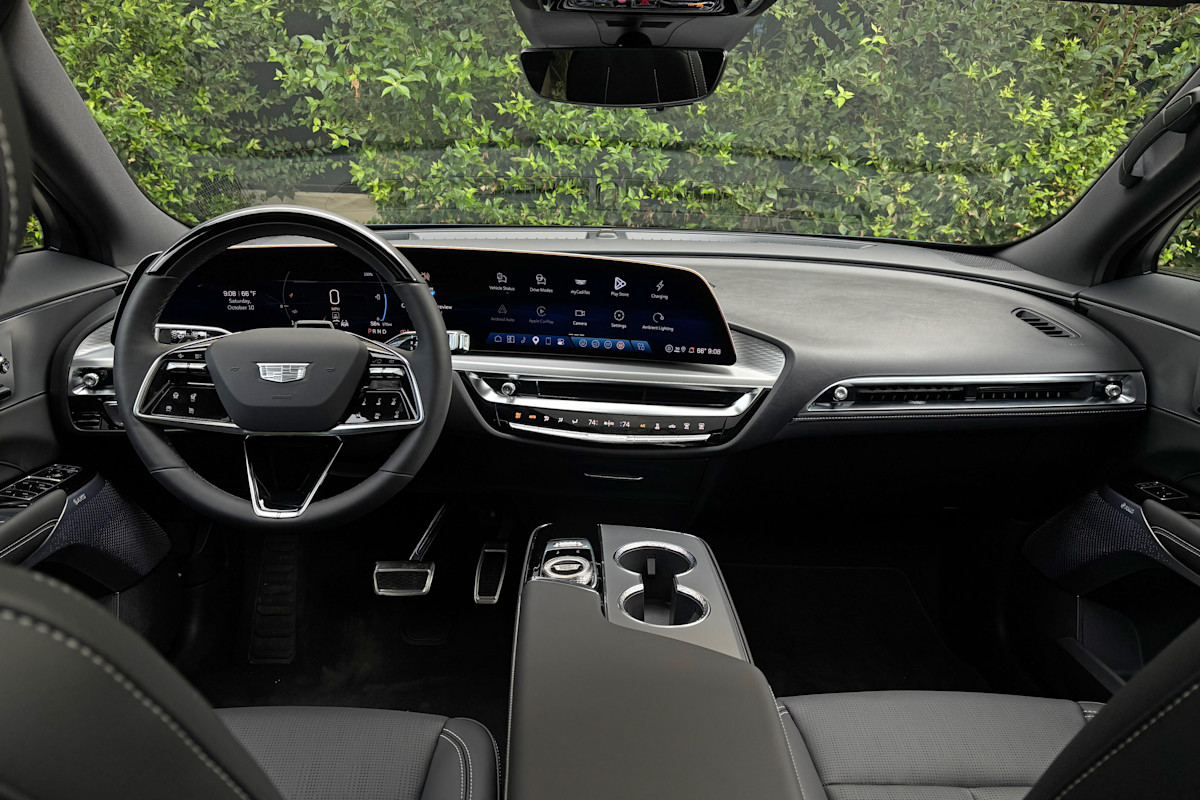
Stylish and functional interior
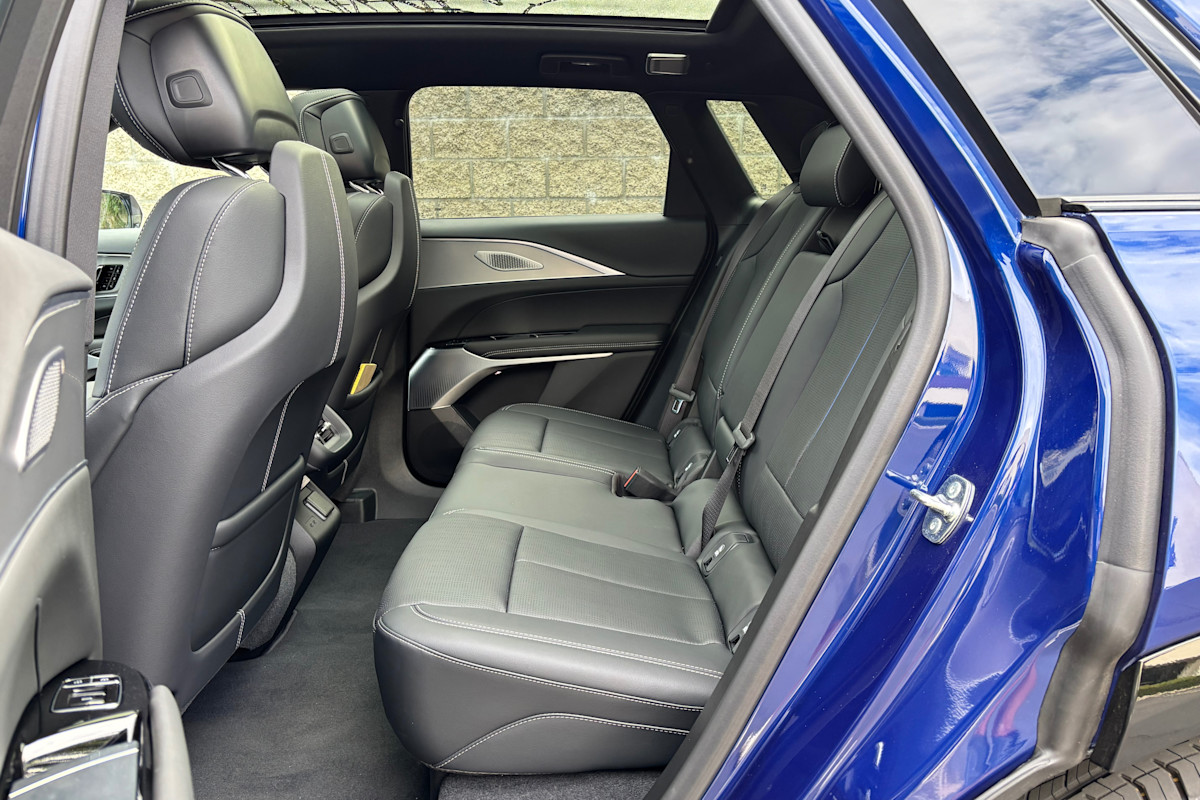
Big back seat
Standard Super Cruise and AKS sound system
What to consider
Questionable build quality
Slower charging than rivals
The CarGurus verdict
The Lyriq delivers the style, perceived quality, and refined driving experience one used to expect from a Cadillac.
Cadillac has rarely lived up to its expectations in the last 40 years or so, but the Lyriq is just one example that shows that the brand is finally rising to its historic standards. It starts with its beautiful cabin that boasts distinctive design and high-quality materials. It’s also very spacious and functional thanks to clever storage and user-friendly tech. The Lyriq’s EV credentials are also solid, if unremarkable, when compared to recently introduced competitors.
Verdict: The Lyriq had a bit of a rocky start because earlier model years were plagued with tech issues and build-quality problems, but this latest 2027 test vehicle had none of those. It remains a must-drive luxury EV despite those recently introduced competitors boasting impressive specs and new technologies.
out of 10 expert review
Look & feel
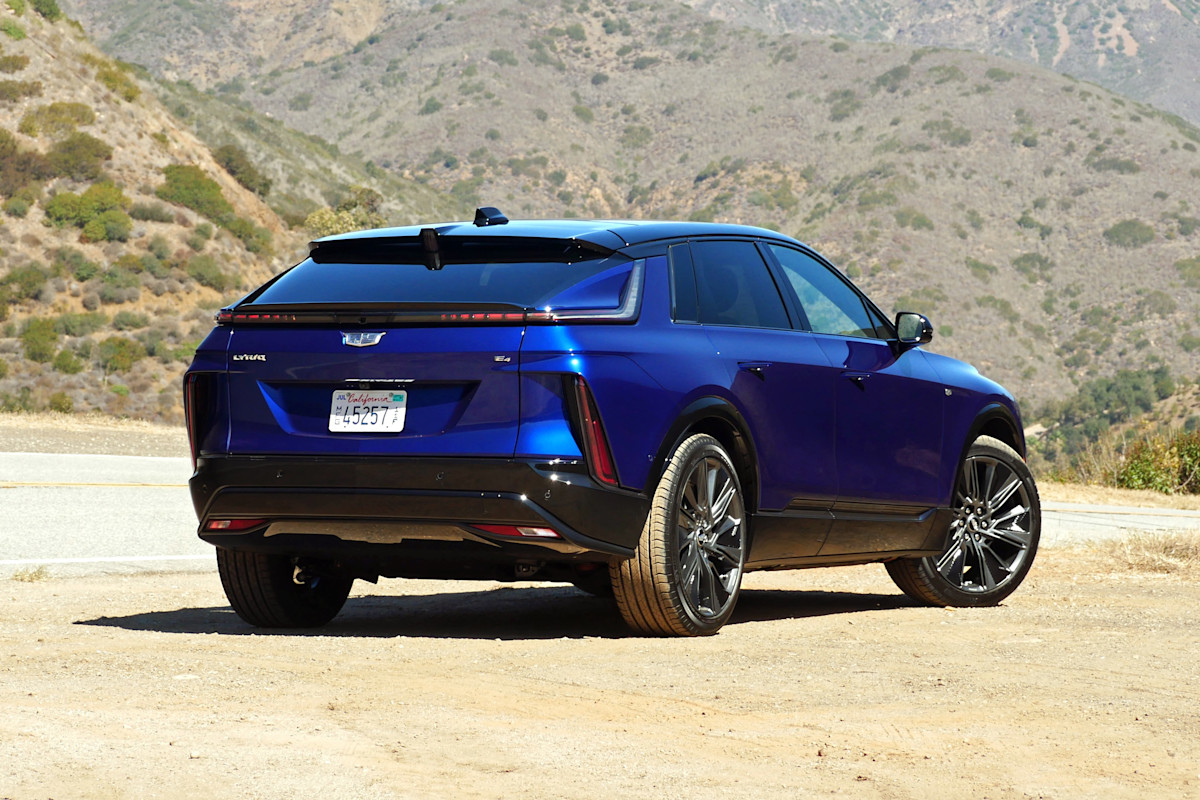
While rival electric SUVs can be a bit challenging to look at (or in the case of the Audi Q6 e-Tron, somewhat anonymous), the Cadillac Lyriq still stands out as a strikingly handsome SUV with bold, yet tasteful details. Familiarity has not dulled its beauty.
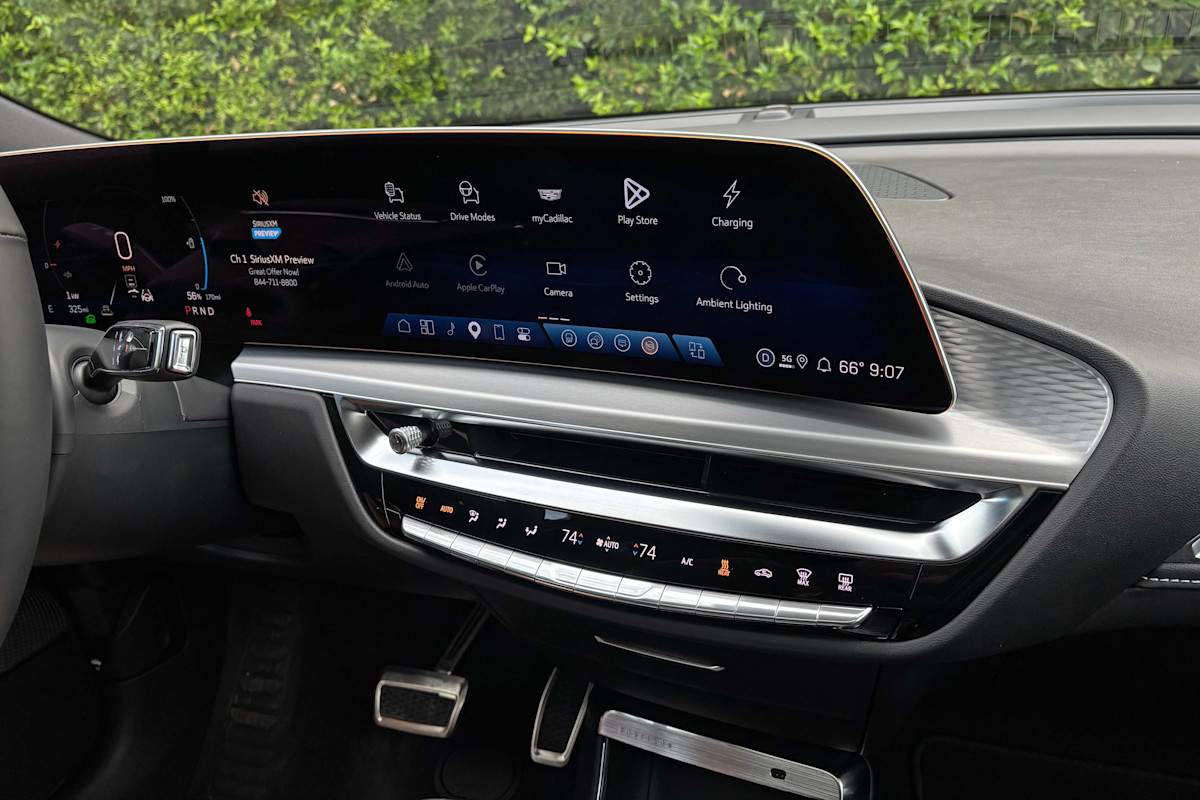
The interior is even better. It still looks sensational despite having been around for five years and achieves a just-right blend of technology and old-school luxury. The materials are top-notch, although the cheaper Optiq may actually be a bit more special in a few places. Toggle switches for the climate controls not only look and feel good, but they’re so much better to use than those baked into a touchscreen, as in the BMW iX3, the Audi Q6 e-Tron, the Mercedes-Benz GLC EV, and the Volvo EX60.
Despite its truly special design and material quality, the Lyriq has a spotty reputation for build quality. Past test vehicles have rattled, squeaked, or had poorly aligned trim inside and out. In fact, multiple Optiq test vehicles have showcased stronger build quality despite sharing many of the same rich interior materials (the two are built in different factories). This test vehicle was different, though. Yes, it was brand-spanking new with few miles, but so were previous test vehicles, so either this was a good egg or Cadillac has improved the Lyriq’s quality. Either way, buyers should take a long test drive of the car they intend to buy and closely inspect everything.
Performance
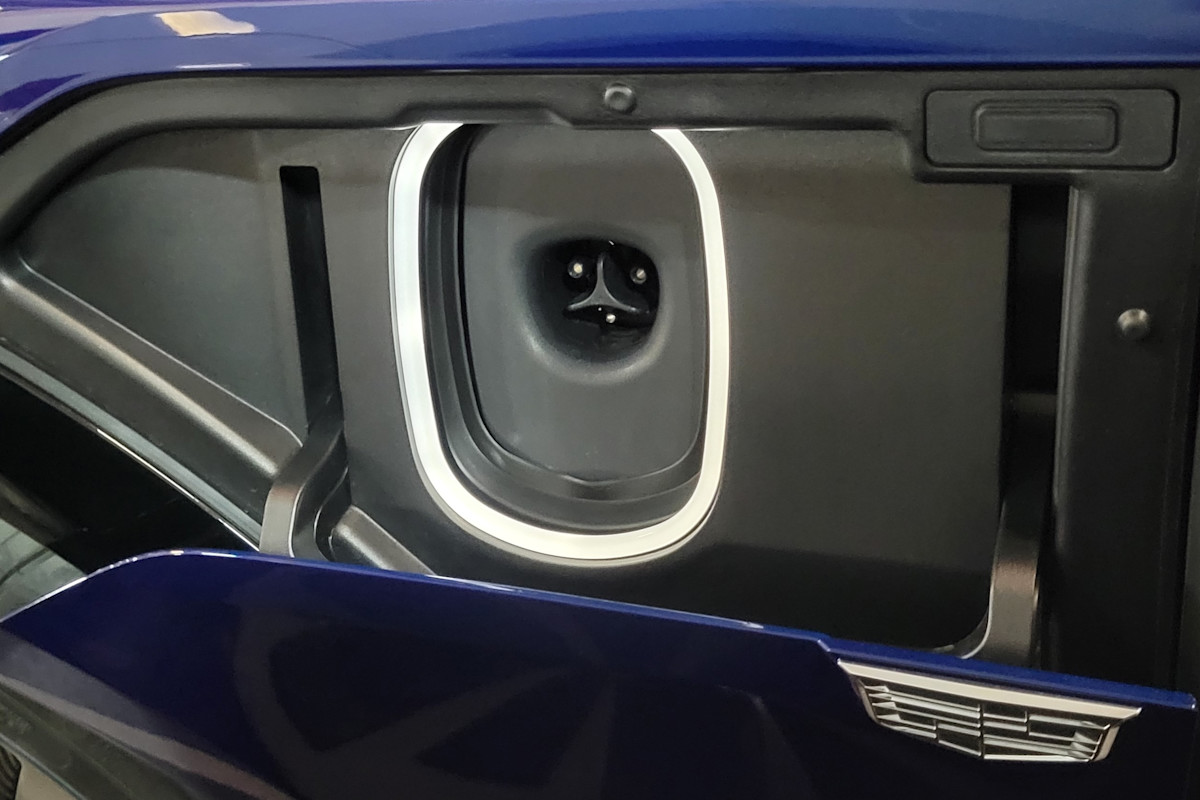
Every 2027 Lyriq has the same 102-kWh battery pack and DC fast-charging speed of 190 kW. That’s a bit better than average, but slower than its main rivals. For 2027, the Lyriq switches to the North American Charging Standard (NACS) port, which makes it easier to use Tesla Superchargers. That said, the charge port remains on the left front fender, which is not ideal for older Superchargers that have short chords intended for Tesla’s left-rear port location. Adapters are included for the previous Combined Charging Standard (CCS), including home chargers.
With a single motor and rear-wheel drive (RWD), the Lyriq produces 365 horsepower and 325 pound-feet of torque and can travel an EPA-rated 326 miles. On the opposite end of the lineup, there’s the dual-motor all-wheel drive (AWD) Lyriq-V. It produces 615 hp and 650 lb-ft and is EPA-rated at up to 285 miles of range.
In the middle is the Lyriq tested for this review. It, too, adds a front motor for AWD, but its output is 515 hp and 450 lb-ft of torque. It can travel 319 miles when equipped with the standard 11.5-kW AC onboard charger. This test vehicle had the optional 19.2-kW AC charger, which curiously lowers the overall range to 303 miles. It’s hard to see how paying $1,480 for that makes sense; the Lyriq’s battery isn’t that big, and it shouldn’t be a problem recharging it overnight using the standard onboard charger.
Despite that massive amount of power and torque, the AWD Lyriq doesn’t feel that quick, at least initially. Cadillac judiciously tuned the throttle to build thrust in a refined, linear manner rather than immediately whack drivers in the chest with maximum torque. It’s reminiscent of an old, torque-rich V8 and very appropriate for a Cadillac. Once up to speed, its deep well of oomph shows up in the form of abundant, instantaneous passing power, again similar to a V8's.
The rest of the Lyriq’s driving experience strikes a good balance between the classic Cadillac attributes of comfort and refinement, while possessing good body control and precise steering like the brand’s sportier modern efforts. Yet again, the setup seems perfect for a modern Cadillac, and importantly, the tastes and expectations of many luxury buyers.
On the subject of ride comfort, the Lyriq dealt with sharp impacts surprisingly well despite the test vehicle’s 22-inch wheels. If buyers are looking for a reason to choose a Lyriq instead of the similarly sized and equipped Optiq, this is a big one. An Optiq riding on smaller, optional 21-inch wheels feels heavy-footed and can crash over bumps. The Lyriq feels considerably more sophisticated.
Like other GM EVs, the Lyriq provides three braking settings. The first operates like a regular car with the driver using the brake pedal as usual. The others are one-pedal driving settings with two degrees of slowing strength. This approach is distinctive and smart. Most EVs only have a single one-pedal setting and can often be a bit too aggressive in their off-throttle behavior (as the Cadillac’s stronger of two settings can be). Providing choice and, potentially, preventing passengers from getting queasy is a good thing.
Form & function
The Lyriq’s interior storage isn’t quite as good as its Optiq sibling’s, but it gets close. The main cupholders are big and secure enough for metal water bottles and jumbo mugs, and the door bins are wide enough for medium-sized bottles to fit upright or on their side. The center armrest bin is deep, and the adjacent wireless charger is a space-saving diagonal slot that keeps a phone in place and cool.
Underneath the peninsula-like center console is a large storage tray with big bumpers and a leather-like lining. Medium-sized purses and smaller to-go containers can fit there. Above, and under the dash, is a pull-out tray. While reminiscent of an ashtray, it’s basically a second glovebox (although unlike the real glovebox, it opens by pressing a button rather than, annoyingly, a “button” in the touchscreen).
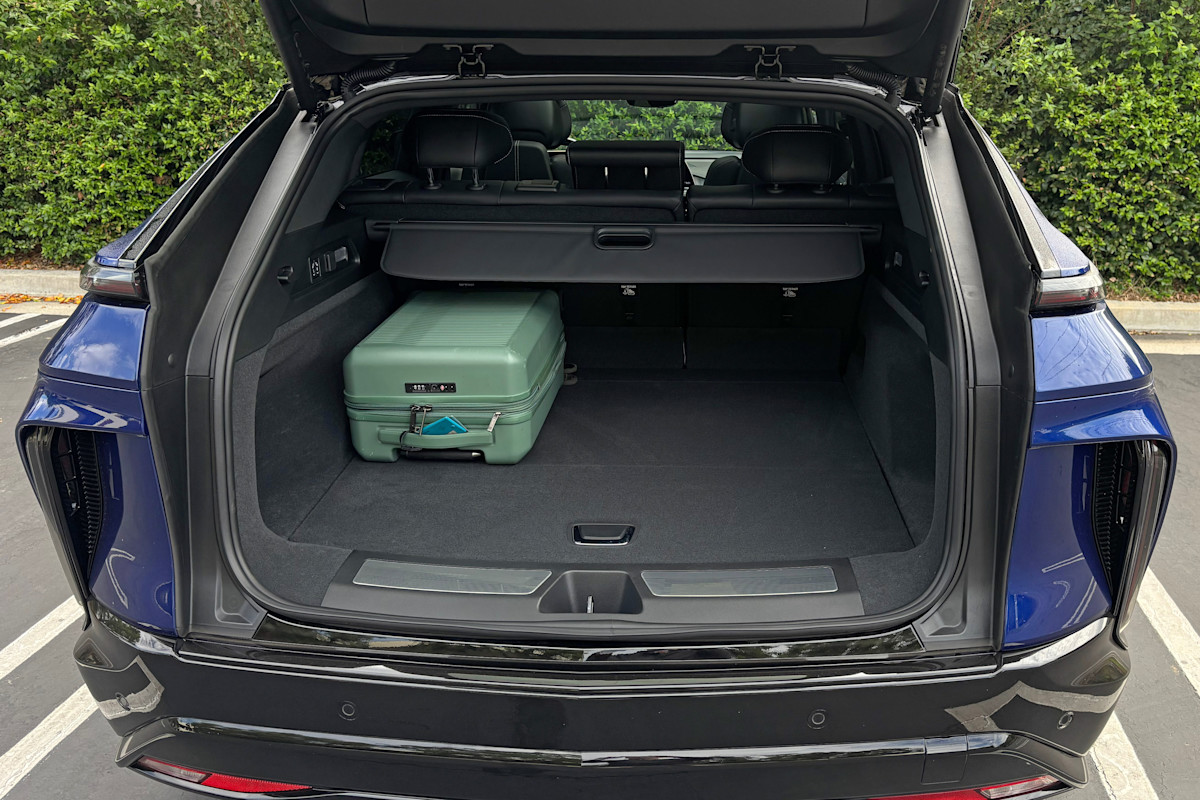
Cargo space is decent. There is officially 28 cubic feet of space behind the raised back seat, which is two better than the Optiq. Despite this seemingly small difference, the Lyriq could more easily fit the same six suitcases than its brand mate could with more room leftover, and that's despite the Optiq having a dual-level cargo floor that theoretically expands space. The Lyriq also has a larger under-floor storage compartment, but neither has a frunk.
The Lyriq has less cargo capacity than the Audi Q6 e-Tron both on paper and in our real-world test. The BMW iX3 has more cargo volume than the Lyriq on paper but wasn’t tested.
In terms of back seat space, the Lyriq boasts abundant legroom that makes it possible for six-footers to sit behind six-footers, and for rear-facing child seats to be fitted in back without moving the front seats much, if at all. According to the specs, it has more legroom than the Q6 e-Tron (dimensions for the iX3 were not available). The Lyriq’s second row is also a little wider than the otherwise similarly spacious Optiq, and it’s easier to fit three people across.
Technology
The Lyriq’s touchscreen is not the largest one out there, but its OLED display is beautifully crisp and bright. Its arched design and the fact that it isn't just a big rectangle contribute to the cabin’s lovely looks. Beyond that, the screen is easy to reach and well laid out. If buyers are OK with sacrificing some digital real estate for a compelling design and a more traditionally luxurious look, this trade-off should be A-OK.
This system also bucks the GM EV trend of doing without Apple CarPlay and Android Auto. Both are on board the Lyriq along with Google built-in functions such as integrated Google Maps and Google Assistant voice commands. The latter are terrific at using Google Maps or sending and receiving text messages, but they lack the wider capability of other voice control systems (it can’t call up a satellite radio station, for example) or advanced AI search capability.
What the Lyriq does have, though, is a sensational standard AKS audio system that features Dolby Atmos. Drivers and passengers will see a beautiful AKS speaker grille almost everywhere they look. To get this level of sound quality in other luxury SUVs normally requires checking an options box—and it’s usually a very expensive one.
Safety
The Lyriq comes standard with all of the expected driver-assistance features, and they are mostly well-executed. The lane-keep assist is a little too intrusive, but it’s also easily switched off with a physical button on the left side of the dash.
The Lyriq goes above and beyond by offering GM’s Super Cruise hands-free highway driving assist system as standard instead of regular adaptive cruise control. Some competitor luxury brands don’t offer adaptive cruise as standard, let alone an equivalent to the more sophisticated Super Cruise system. Super Cruise operates hands-free on interstate-style highways and select portions of other highway-like roads, as long as drivers keep their eyes on the road. It’s consistent, smart, and does a particularly good job of letting the driver know when the system is activated or needs them to take over thanks to its distinctive LED steering wheel strip.
The 2026 Lyriq received five out of five stars for overall safety from the National Highway Traffic Safety Administration, and there’s no reason to think the 2027 model will receive a different rating. The Insurance Institute for Highway Safety gave the Lyriq top marks for crash safety as well as vehicle-to-vehicle crash prevention tech. It got an Acceptable score for its vehicle-to-pedestrian crash prevention, but excessive glare resulted in a Poor headlight score.
Cost-effectiveness
The Lyriq’s starting price of just under $60,000 is several thousand dollars less than the Audi Q6 e-Tron, the BMW iX3, and the Mercedes-Benz GLC EV. However, the Lyriq Signature Sport test vehicle had an as-tested price of $75,751, which is roughly the same as those competitors when similarly loaded.
The Lyriq has advantages in passenger space and standard tech (most notably Super Cruise and the AKS sound system), but others tend to charge faster and the issues with previous Lyriq test vehicles raise a red flag about build quality. All told, each has advantages over the other, and this price positioning by Cadillac seems competitive and fair.
What owners say
Trims & specs
Base MSRP $59,900 | Seating 5 |
Engine N/A | Cargo Capacity 28.0 cu ft |
Combined MPG N/A | Drivetrain N/A |
Base MSRP $71,500 | Seating 5 |
Engine N/A | Cargo Capacity 28.0 cu ft |
Combined MPG N/A | Drivetrain N/A |
Base MSRP $63,900 | Seating 5 |
Engine N/A | Cargo Capacity 28.0 cu ft |
Combined MPG N/A | Drivetrain N/A |
Base MSRP $63,400 | Seating 5 |
Engine N/A | Cargo Capacity 28.0 cu ft |
Combined MPG N/A | Drivetrain N/A |
Base MSRP $68,000 | Seating 5 |
Engine N/A | Cargo Capacity 28.0 cu ft |
Combined MPG N/A | Drivetrain N/A |
Base MSRP $68,500 | Seating 5 |
Engine N/A | Cargo Capacity 28.0 cu ft |
Combined MPG N/A | Drivetrain N/A |
Base MSRP $72,000 | Seating 5 |
Engine N/A | Cargo Capacity 28.0 cu ft |
Combined MPG N/A | Drivetrain N/A |
Base MSRP $67,400 | Seating 5 |
Engine N/A | Cargo Capacity 28.0 cu ft |
Combined MPG N/A | Drivetrain N/A |
Base MSRP $59,400 | Seating 5 |
Engine N/A | Cargo Capacity 28.0 cu ft |
Combined MPG N/A | Drivetrain N/A |
Base MSRP $62,900 | Seating 5 |
Engine N/A | Cargo Capacity 28.0 cu ft |
Combined MPG N/A | Drivetrain N/A |
Base MSRP $63,400 | Seating 5 |
Engine N/A | Cargo Capacity 28.0 cu ft |
Combined MPG N/A | Drivetrain N/A |
Base MSRP $66,900 | Seating 5 |
Engine N/A | Cargo Capacity 28.0 cu ft |
Combined MPG N/A | Drivetrain N/A |


