When it comes to choosing a new vehicle, "spacious" can mean different things to different buyers. For some, it's about having the maximum possible cubic feet for hauling gear, luggage, and home improvement supplies. For others, it's about having enough comfortable seating for a large family, with a third row that adults can actually use. A spacious SUV can be the key to stress-free family road trips, easier daily errands, and the versatility to handle whatever life throws your way, from carpooling the soccer team to bringing home a new piece of furniture.
This list covers the spectrum, from massive, body-on-frame SUVs that lead the class in cargo volume to cleverly packaged compact and midsize models that make the most of their smaller footprint. While larger vehicles like the Chevrolet Suburban and Ford Expedition MAX offer unrivaled interior room, they also come with a higher price tag and can be challenging to maneuver in tight city streets. On the other hand, models like the Hyundai Tucson and Kia Sportage prove that you don't necessarily need a giant vehicle to get a practical and roomy interior. This guide will help you weigh the trade-offs and find the most spacious SUV that fits your specific needs and lifestyle. We've ranked our recommendations not by size, but by score, using a proprietary algorithm to account for user satisfaction, expert reviews, and how many deals are available.
What Makes CarGurus Best Cars Guides Different
The Most Spacious SUVs in 2026
FAQs
Shopping Tools
Related Topics
1. Toyota Grand Highlander Hybrid
CarGurus expert rating: 7 out of 10
CarGurus user rating: 5 out of 5
Percentage of Good and Great Deals available on CarGurus: 31.7%
Overall CarGurus rating: 5 out of 5
| Pros |
Cons |
| Comfortable seats |
Dull to drive |
| Plenty of cargo space |
Interior materials feel cheap |
| Impressive technology |
Not a Top Safety Pick |
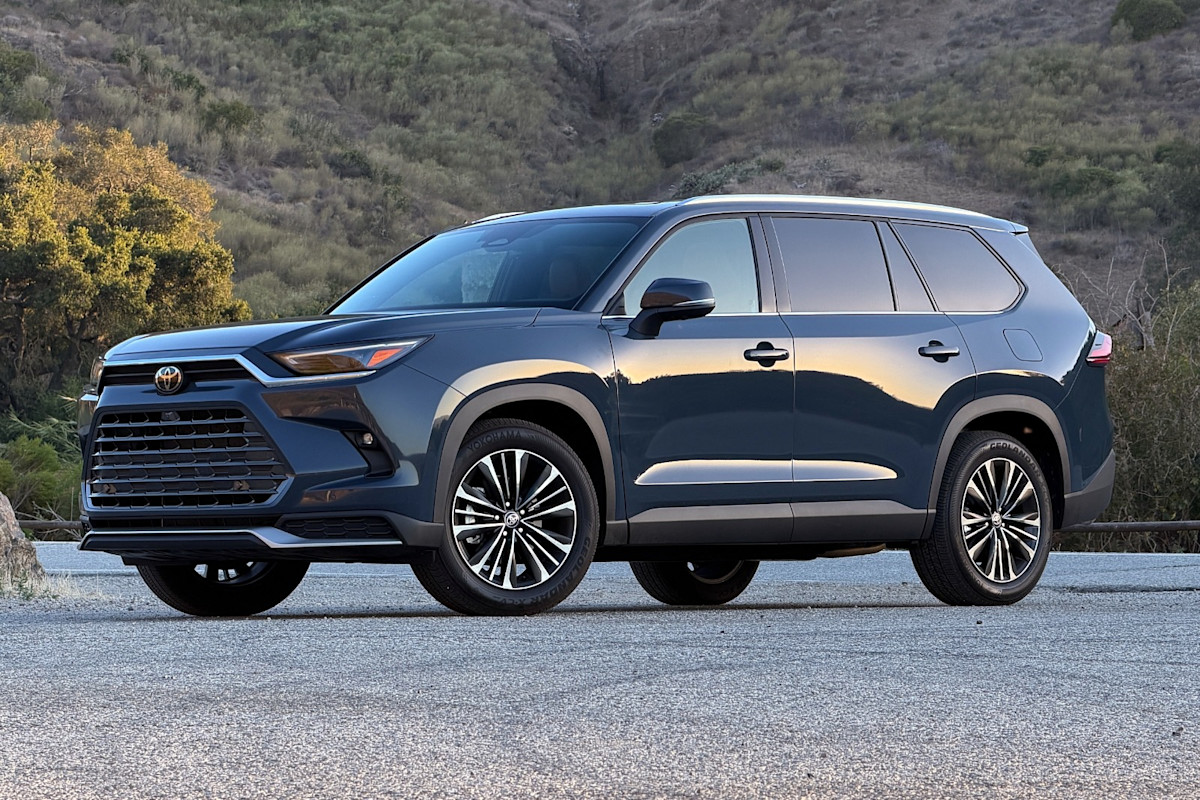
If you want the people- and stuff-hauling flexibility of a minivan but prefer the look and driving position of an SUV, the 2026 Toyota Grand Highlander Hybrid fits the assignment. Its big-body three-row layout is aimed at families who routinely use the third row (not just occasionally), and it backs that up with easy everyday livability—comfortable seating, lots of usable storage throughout the cabin, and the kind of cargo room that keeps weekend trips from turning into a packing puzzle.
The hybrid powertrain is a practical match for this much space because it helps cut fuel stops without asking you to downsize. Tech is another strength: the Grand Highlander Hybrid can be equipped with a modern set of infotainment and driver-assistance features that make long family drives easier. Just know it isn’t tuned to be entertaining on a back road, and some interior materials can feel more cost-conscious than you might expect in a family SUV at this size.
The CarGurus Verdict: "Need a minivan but want a crossover? Get a 2026 Toyota Grand Highlander." - Christian Wardlaw
Read our most recent 2026 Toyota Grand Highlander Hybrid review
Search for Toyota Grand Highlander Hybrid
See all
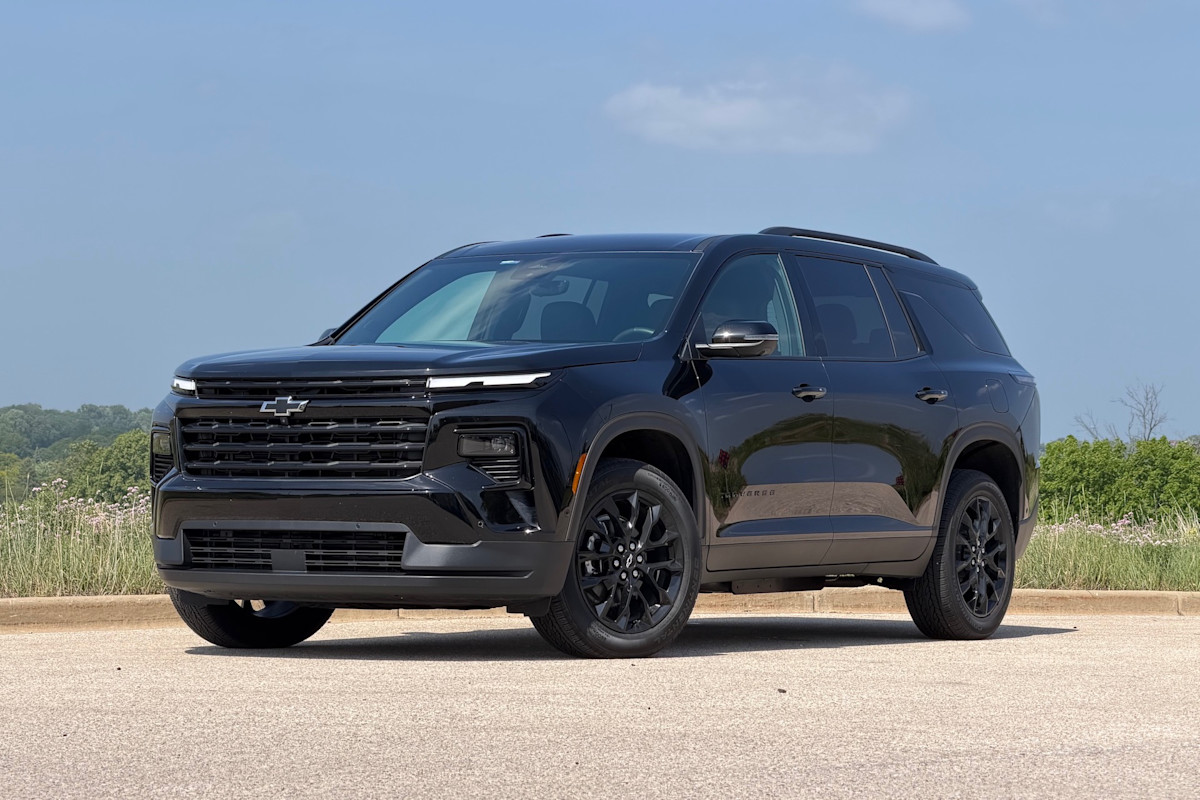
2. Chevrolet Traverse
CarGurus expert rating: 7.3 out of 10
CarGurus user rating: 4.7 out of 5
Percentage of Good and Great Deals available on CarGurus: 31.6%
Overall CarGurus rating: 4.7 out of 5
| Pros |
Cons |
| Spacious interior |
Gruff engine |
| Pleasant ride |
Too big to handle well |
| Lots of safety equipment |
Mediocre power |
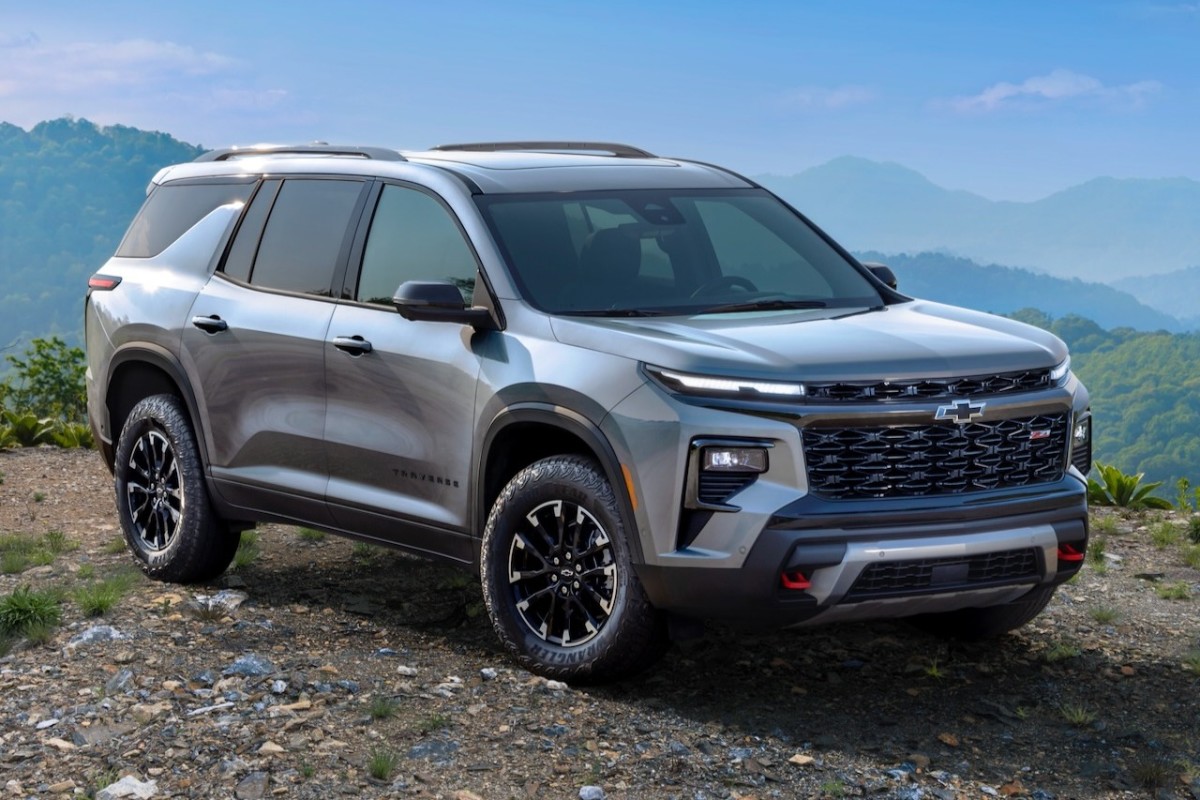
If you’re shopping for one SUV to cover big-family duty, the 2026 Chevrolet Traverse is aimed squarely at the space-and-flexibility mission. It’s sized and packaged to substitute for a minivan when you need room for people and their stuff, while also delivering the tall seating position and road-presence many shoppers want from a large three-row SUV.
On the road, the Traverse prioritizes an easy, comfortable ride that works well for long trips and daily kid-hauling, and it backs that up with a strong roster of available safety equipment. The trade-off is that its large footprint can make it feel cumbersome when you’re pushing through tight parking lots or twisty roads, and the engine can sound coarse while delivering only middling real-world punch.
The CarGurus Verdict: "The 2026 Chevrolet Traverse substitutes for both minivans and full-size body-on-frame SUVs." - Kirk Bell
Read our most recent Chevrolet Traverse review
Search for Chevrolet Traverse
See all

3. Chevrolet Suburban
CarGurus expert rating: 8.2 out of 10
CarGurus user rating: 4.5 out of 5
Percentage of Good and Great Deals available on CarGurus: 31.5%
Overall CarGurus rating: 4.6 out of 5
| Pros |
Cons |
| Excellent performance from the diesel engine |
Ungainly size |
| Impressive technology |
Expensive in every trim level |
| Massively useful cargo space |
Skip the 24-inch wheels |
The Chevrolet Suburban is basically the benchmark for a three-row SUV that still leaves real room for cargo. Behind the third row, it offers 41.5 cubic feet of space—enough for family luggage, sports gear, or big grocery runs without playing Tetris. Drop the third row and you get 93.8 cubic feet, and with all seats folded the Suburban reaches 144.7 cubic feet, a number that’s tough to match outside of commercial-grade vehicles. It’s also a solid choice for families who tow: properly equipped, it can pull up to 8,300 lbs with the 5.3-liter V8, RWD, and the available Max Trailering Package.
The biggest recent improvements were the ones you’ll appreciate every day from the driver’s seat, starting with a much more modern cabin layout and a standard 17.7-inch touchscreen that finally fits the Suburban’s large dash. Powertrain choices include a 355-hp 5.3-liter V8, a 420-hp 6.2-liter V8 (460 lb-ft of torque), and an updated 3.0-liter Duramax diesel making 305 hp and 495 lb-ft of torque; the diesel also brings the kind of long-haul range big-road-trip households love, thanks to its efficiency and the Suburban’s standard 28-gallon tank. The trade-offs are real—this is an expensive SUV in any trim, and its sheer size can feel like a handful in tight parking lots—so it makes the most sense when you’ll regularly use its passenger room, cargo volume, and capability.
The CarGurus Verdict: "Z71 shoppers will love the newly available 3.0-liter diesel, but the majority of shoppers are going to want a new Suburban because of its impressive 17.7-inch touchscreen display." - Matt Smith
Read our most recent Chevrolet Suburban review
Search for Chevrolet Suburban
See all
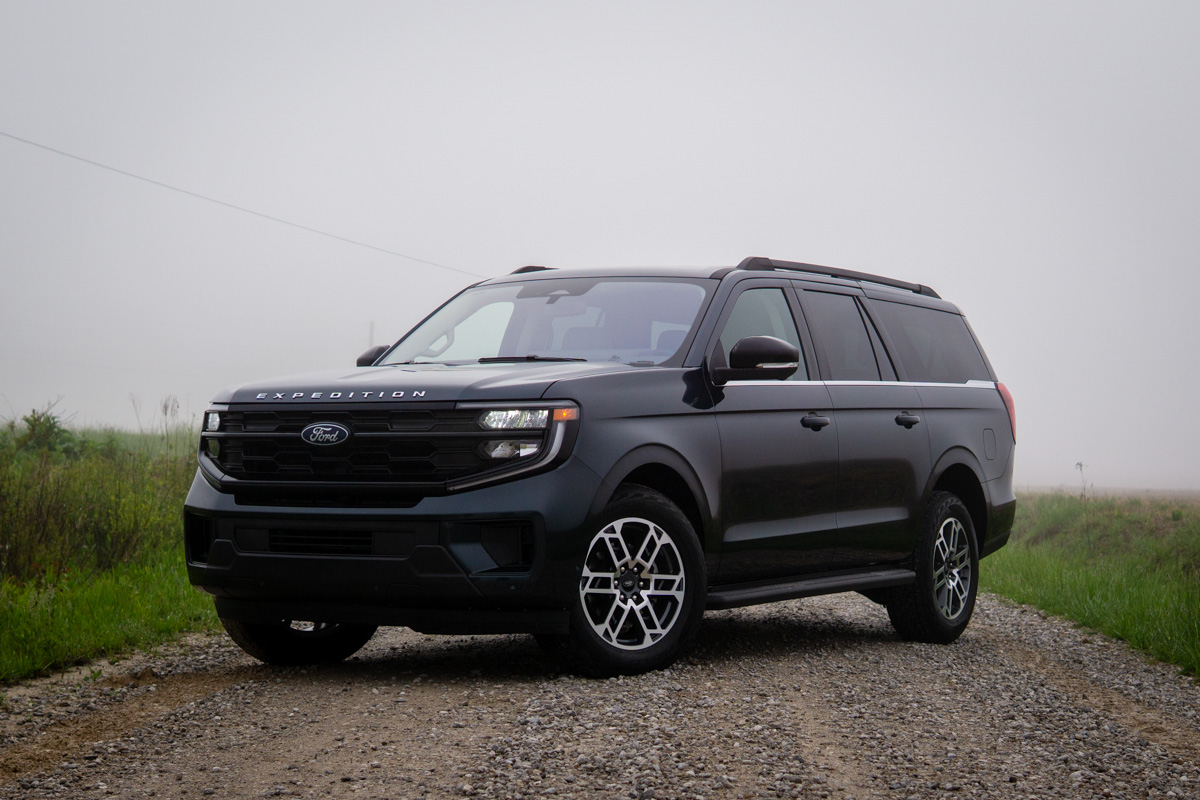
4. Ford Expedition
CarGurus expert rating: 7.5 out of 10
CarGurus user rating: 4.6 out of 5
Percentage of Good and Great Deals available on CarGurus: 33.2%
Overall CarGurus rating: 4.6 out of 5
| Pros |
Cons |
| Powerful engines |
Thirsty engines |
| Impressive technology |
Tech requires additional subscription |
If your “most spacious SUV” checklist includes a usable third row and a cargo area that can handle real family life, the redesigned Ford Expedition is built around that mission. It comes in two body lengths—standard and Expedition MAX—with the MAX specifically aimed at shoppers who pack heavy. Cargo volume measures 21.6 cubic feet behind the third row in the standard model, but a much more road-trip-friendly 36.1 cubic feet in the MAX. Fold the third row and you get 69.9 cubic feet (standard) or 84.5 cubic feet (MAX), and with all rear seats down the numbers swell to 108.5 and 123.1 cubic feet, respectively. For 2025, Ford also switches to a split-gate tailgate design, which can be handier in tight parking spots and helps keep cargo from spilling out when you open the upper portion.
Big SUVs can feel like a chore in daily driving, but the Expedition’s twin-turbo 3.5-liter V6 helps it feel confident when loaded with people and gear—400 hp and 480 lb-ft of torque in standard form, or 440 hp and 510 lb-ft of torque in Tremor and available on Platinum. The payoff for families who tow is significant, too: maximum towing is 9,600 pounds, and 4WD models include useful hardware like an integrated trailer brake controller. Inside, the tech-forward layout is anchored by a 24-inch driver display and a 13.2-inch infotainment screen with Google-based software, though some features are tied to a subscription after the included trial period—something to factor in if you plan to keep the SUV for the long haul.
The CarGurus Verdict: "Both the Expedition and Expedition MAX offer a ton of standard equipment, and given their capability, both are priced in line with the Chevrolet Tahoe and Chevrolet Suburban." - Matt Smith
Read our most recent Ford Expedition review
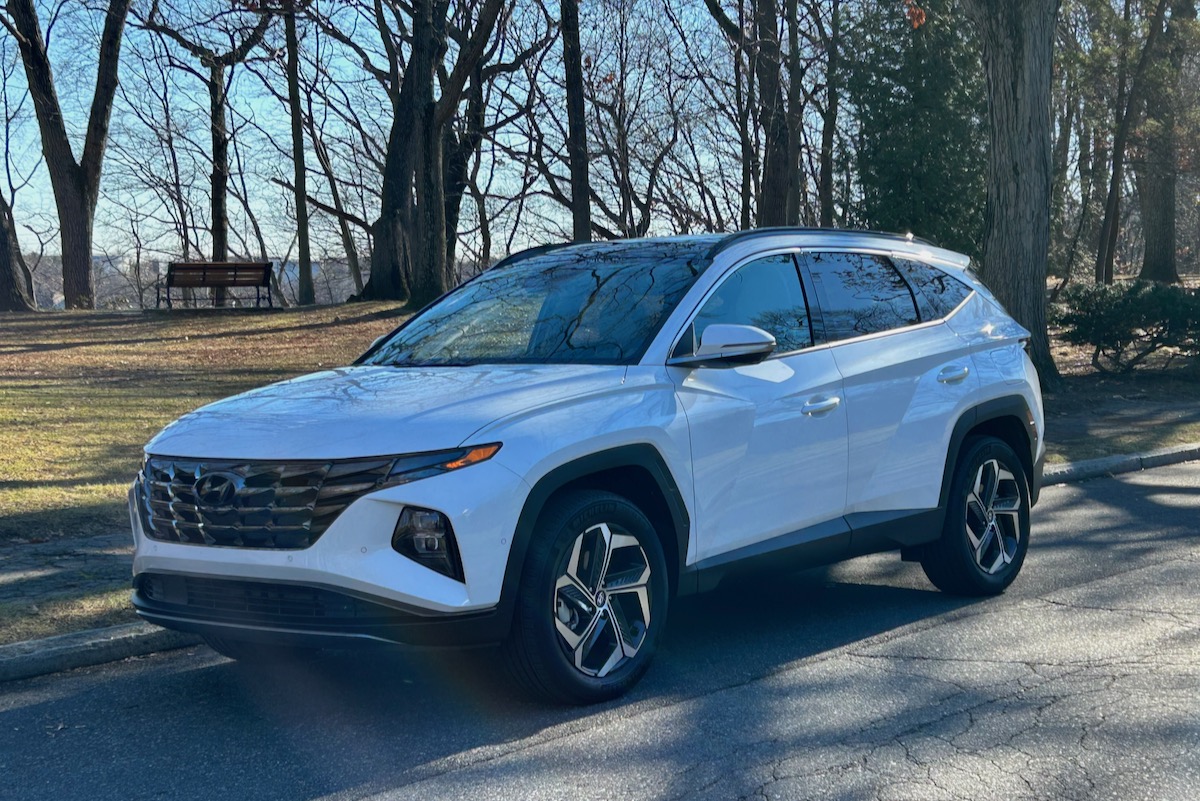
5. Hyundai Tucson
CarGurus expert rating: 8.5 out of 10
CarGurus user rating: 4.5 out of 5
Percentage of Good and Great Deals available on CarGurus: 33.3%
Overall CarGurus rating: 4.6 out of 5
| Pros |
Cons |
| Energetic turbocharged powertrain |
Infotainment system can be frustrating |
| Good passenger and cargo space |
Learning curve on shifter controls in Limited models |
| Refined cabin styling |
Disappointing powertrain |
If you’re shopping for space in a compact SUV, the 2024 Hyundai Tucson is an easy one to short-list because it prioritizes room for people and cargo without forcing you into a bigger, harder-to-park vehicle. Behind the rear seats, it offers up to 38.7 cubic feet of cargo space for strollers, groceries, or airport bags, and with the second row folded it opens up to 74.8 cubic feet for bulky DIY runs. It also seats up to five with adult-friendly space in both rows, which matters when you’re planning real road trips and not just short commutes.
For day-to-day usability, the Tucson’s available hands-free power liftgate is designed to work when you approach with the key fob (no awkward foot-waving), and the cabin layout mixes modern screens with some less intuitive touch controls, depending on trim. Power comes from a 2.5-liter four-cylinder rated at 187 hp and 178 lb-ft of torque, and while it can feel strained during quick highway passes, the ride quality and handling balance comfort and control well—helpful when the vehicle is loaded up. Hyundai also packs in a long list of standard driver-assistance features like automatic emergency braking, blind-spot monitoring, and rear cross-traffic alert, making the Tucson a practical pick for families who want space plus everyday peace of mind.
The CarGurus Verdict: "The Tucson is a well-rounded small SUV and a good value. It does not shine in any particular area, instead blending good performance with a comfortable and spacious cabin, impressive tech and safety features, and an attractive price tag." - George Kennedy
Read our most recent Hyundai Tucson review

6. Kia Telluride
CarGurus expert rating: 8.2 out of 10
CarGurus user rating: 4.7 out of 5
Percentage of Good and Great Deals available on CarGurus: 32.9%
Overall CarGurus rating: 4.6 out of 5
| Pros |
Cons |
| Stylish design |
Outdated technology |
| Comfortable |
Irritating lane-assist system |
| Great safety ratings |
Sticky brakes in thick traffic |
If you’re shopping for a spacious three-row SUV that works for real family life, the Kia Telluride remains a smart pick even as newer rivals arrive. Its boxy shape translates into everyday usefulness: 21 cubic feet of cargo space behind the third row for strollers and grocery runs, 46 cubic feet with the third row folded for road-trip luggage, and up to 87 cubic feet when you flatten the second row. It’s also thoughtfully laid out for passengers, with available second-row captain’s chairs, available heated and ventilated second-row seats, lots of charging options, and the kind of storage details that help keep the back seats from turning into chaos.
Power comes from a 3.8-liter V6 making 291 hp and 262 lb-ft of torque, paired with an eight-speed automatic, and it’s well-suited to hauling people and gear without feeling strained in normal driving. Available X-Line and X-Pro packages add AWD hardware and a bit more ground clearance (8.4 inches versus the standard 8.0), which can be handy for snowy driveways, rough access roads, or campsite trails—but the all-terrain tires on X-Pro can trade some on-road grip for extra dirt-road confidence. The biggest day-to-day drawback is tech that feels behind the times—most notably the lack of wireless Apple CarPlay and Android Auto—and some drivers may want to dial back the lane-centering assist if it feels too bossy on curvy roads.
The CarGurus Verdict: "Aging technology caused some irritation during a five-day road trip in the 2025 Kia Telluride. Otherwise, the Telluride was perfectly suited to long-distance travel–whether rolling down an Interstate, roaming a major city, or romping down trails near a national park." - Christian Wardlaw
Read our most recent Kia Telluride review
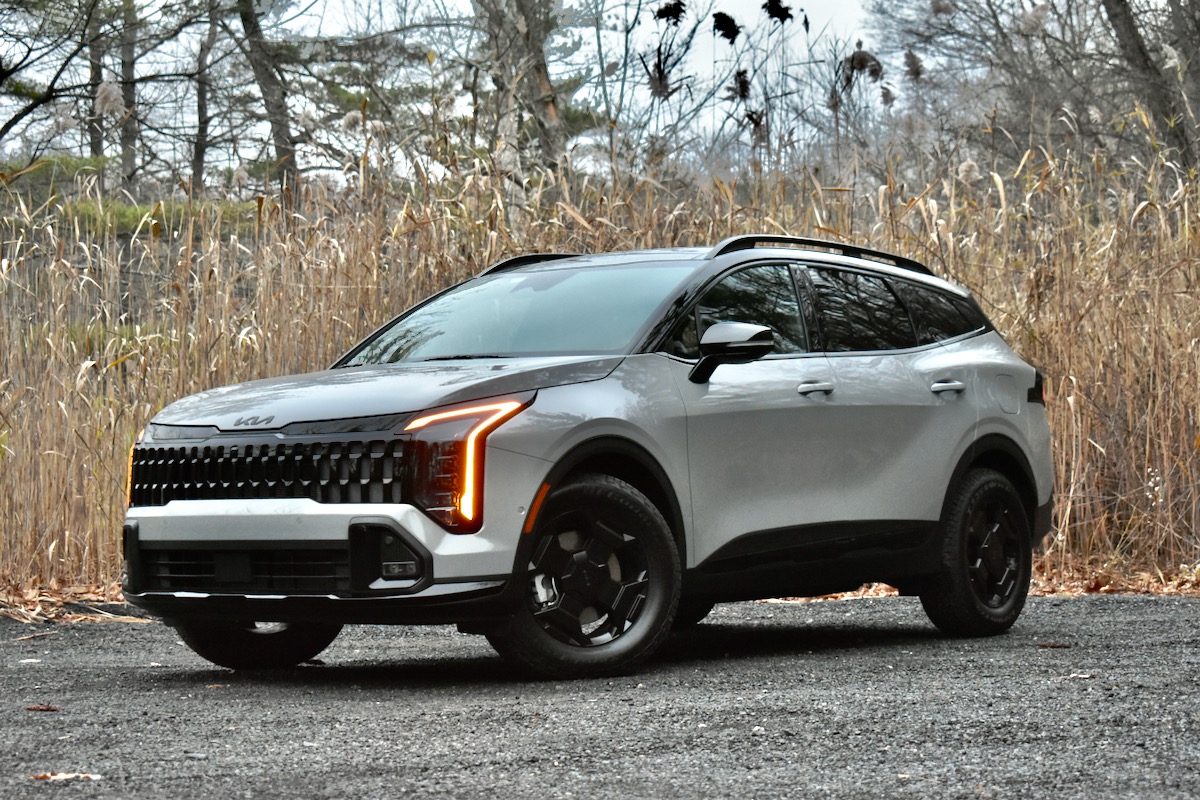
7. Kia Sportage
CarGurus expert rating: 7.3 out of 10
CarGurus user rating: 4.5 out of 5
Percentage of Good and Great Deals available on CarGurus: 32.7%
Overall CarGurus rating: 4.5 out of 5
| Pros |
Cons |
| Stylish design |
Fairly pedestrian performance |
| Great safety ratings |
X-Pro’s underwhelming value proposition |
| Impressive technology |
|
For shoppers prioritizing space in a compact SUV, the 2026 Kia Sportage makes a strong case with an interior that’s sized like it’s edging into the next class up. Its 108.5-inch wheelbase helps deliver adult-friendly room in both rows, and the rear-seat legroom is among the best in the segment—beating key rivals like the Nissan Rogue and Subaru Forester, and even topping the redesigned 2026 Toyota RAV4. Up front, Kia also leans into everyday usability with a center console that has a big, easy-to-reach wireless charging pad, adaptable cupholders, and plenty of small-item storage.
Cargo versatility is another reason the Sportage belongs on a “most spacious” list. You get 36.6 cubic feet behind the second row and 69.3 cubic feet with the rear seat folded, and the standard dual-level cargo floor lets you open that up to 39.6 and 74.1 cubic feet, respectively, when set in its lower position. Families will also appreciate that Kia’s tech is generous across trims—dual 12.3-inch displays and wireless Apple CarPlay/Android Auto are standard—and that safety credentials are top-tier, including an IIHS Top Safety Pick+ award and a 5-star overall NHTSA rating.
The CarGurus Verdict: "The refreshed Sportage arrives with the competent execution we’ve come to expect from Kia, but the X-Pro Prestige model doesn’t live up to the brand’s reputation for value." - Stephen Edelstein
Read our most recent Kia Sportage review

8. Honda HR-V
CarGurus expert rating: 5.3 out of 10
CarGurus user rating: 4.5 out of 5
Percentage of Good and Great Deals available on CarGurus: 31.2%
Overall CarGurus rating: 4.4 out of 5
| Pros |
Cons |
| Comfortable driver’s seat |
Sluggish performance |
| Easy-to-use technology |
Poor fuel economy |
| Great safety ratings |
Uncomfortable back seat |
For shoppers prioritizing usable space in a small footprint, the Honda HR-V’s biggest win is cargo room: 24.4 cubic feet behind the rear seats and 55.1 cubic feet with the rear seat folded. That’s a practical amount of storage for groceries, strollers, and weekend luggage, and the HR-V’s boxier roofline helps when you’re loading taller items. Up front, the cabin is thoughtfully executed—especially in EX-L trim—with comfortable seating and a clean, simple layout that’s easy to live with day to day.
The roomy cargo area comes with some compromises for passengers, particularly in back. While the rear seat has enough headroom and legroom for adults, the low seat cushion, overly reclined seatback, and lack of a center armrest make it less supportive on longer drives—and there are no rear air vents, USB ports, or even cupholders. Power is another trade-off: the 2.0-liter four-cylinder makes 158 hp and 138 lb-ft of torque, and even with available AWD, acceleration is a common complaint. For 2026, Honda does at least modernize the tech with a 9-inch touchscreen, wireless Apple CarPlay and Android Auto, and a wireless phone charger, while Honda Sensing driver assists remain standard.
The CarGurus Verdict: "The 2026 Honda HR-V is a simple, uncomplicated thing. And that’s its most appealing attribute." - Christian Wardlaw
Read our most recent Honda HR-V review
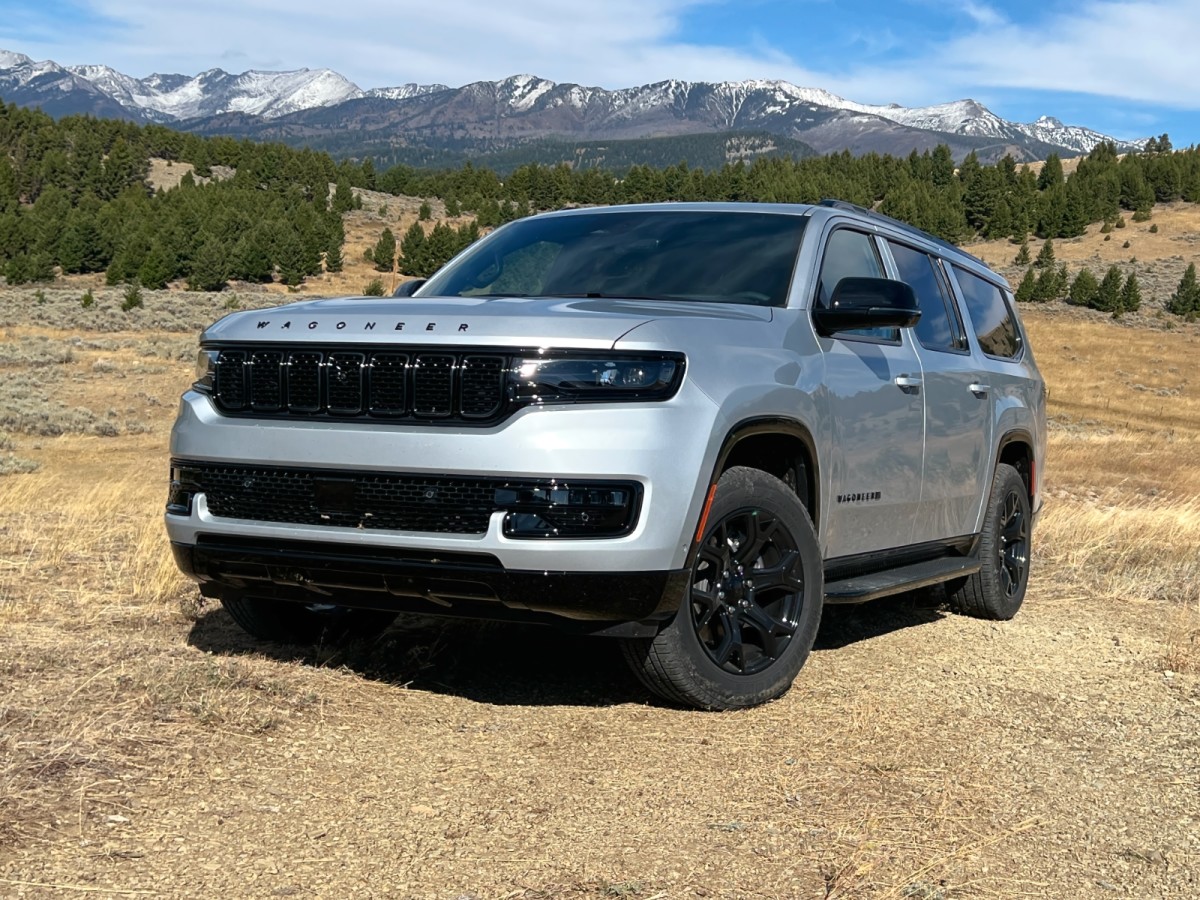
9. Jeep Wagoneer L
CarGurus expert rating: 7 out of 10
CarGurus user rating: 5 out of 5
Percentage of Good and Great Deals available on CarGurus: 38.3%
Overall CarGurus rating: 4.4 out of 5
| Pros |
Cons |
| Powerful engine |
Significant turbo lag |
| Comfortable |
Dissatisfying voice recognition system |
| Plenty of cargo space |
Active Drive Assist is unavailable |
The Jeep Wagoneer L is all about extra space and easy long-haul comfort, taking an already large full-size SUV and stretching it to deliver more cargo room behind the third row. It also swaps in a standard twin-turbo engine, giving this three-row family hauler strong passing power for highway merges, towing-duty weekends, and fully loaded road trips.
There are a few practical drawbacks to know before you shop. Our notes call out significant turbo lag, so it may not feel immediately responsive from a stop if you’re expecting instant shove, and the voice recognition system can be frustrating if you rely on hands-free controls. Also, Active Drive Assist is unavailable, which matters if you’re shopping this class specifically for driver-assistance tech to reduce fatigue on long interstate miles.
The CarGurus Verdict: "The new Wagoneer L adds more cargo space and a standard twin-turbo engine to an already big and powerful full-size SUV package." - Christian Wardlaw
Read our most recent Jeep Wagoneer L review
The Most Spacious SUVs in 2026 FAQs
Which SUV has the most cargo space?
The Chevrolet Suburban is the leader for overall cargo capacity on this list, offering a massive 144.7 cubic feet of space with all rear seats folded down. The Jeep Wagoneer L is also a top contender with 130.9 cubic feet. For those who need maximum space even with the third row in use, the Wagoneer L provides 42.1 cubic feet and the Suburban offers 41.5 cubic feet.
Are there any spacious compact SUVs on this list?
Yes. If you want a roomy interior without the massive footprint of a large SUV, the Hyundai Tucson and Kia Sportage are excellent choices. The Tucson provides up to 74.8 cubic feet of cargo space, while the Sportage offers up to 74.1 cubic feet with its adjustable cargo floor. Both models are noted for having adult-friendly passenger room in both rows.
What's the difference between the Ford Expedition and the Expedition MAX?
The Ford Expedition MAX is the extended-length version of the standard Expedition. It's built for shoppers who need to maximize cargo space while still using the third row. The MAX offers 36.1 cubic feet of room behind the third row, compared to 21.6 in the standard model. With all seats folded, the MAX has 123.1 cubic feet of space versus 108.5 in the standard Expedition.
What are the main trade-offs of buying a very large SUV?
While large SUVs like the Chevrolet Suburban and Jeep Wagoneer L excel in passenger and cargo space, they come with practical drawbacks. They are typically more expensive to purchase and have lower fuel economy than smaller SUVs. Their large size can also make them difficult to park and maneuver in tight spaces like city streets and parking garages.
What Makes CarGurus Best Cars Guides Different?
Most car-shopping websites publish lists of the best cars across a variety of categories, with recommendations generally driven by editorial expertise. Here's what makes ours different: In addition to the insights and verdicts of our team of car-testing experts, our best cars guides take into account other factors that we know matter to buyers-real owner experiences and current market value.
Our expert reviewers are among this country's most trusted automotive journalists, also writing for publications including US News and World Report, Edmunds, Digital Trends, J.D. Power, and Car & Driver. They put each car through real-world testing and create detailed reviews of performance in a range of categories, from practicality and driving manners to cost-effectiveness and safety.
We also analyze hundreds of thousands of used car listings on CarGurus.com to track which models consistently offer the highest percentage of best deals relative to how many are listed for sale. Then we factor in reviews from owners-people who actually live with these cars every day. Our proprietary Best Cars algorithm then creates a final Overall CarGurus rating combining expert scores, user reviews, and the percentage of listings that have earned the Good or Great Deal rating. This multi-pronged approach reveals not just which cars excel on paper, but which ones deliver satisfaction and value when you're ready to buy.
The CarGurus market data used in this guide was last updated in August 2026. Values were accurate at time of publication and should be used as a guide only.
Shopping Tools
## Related Topics