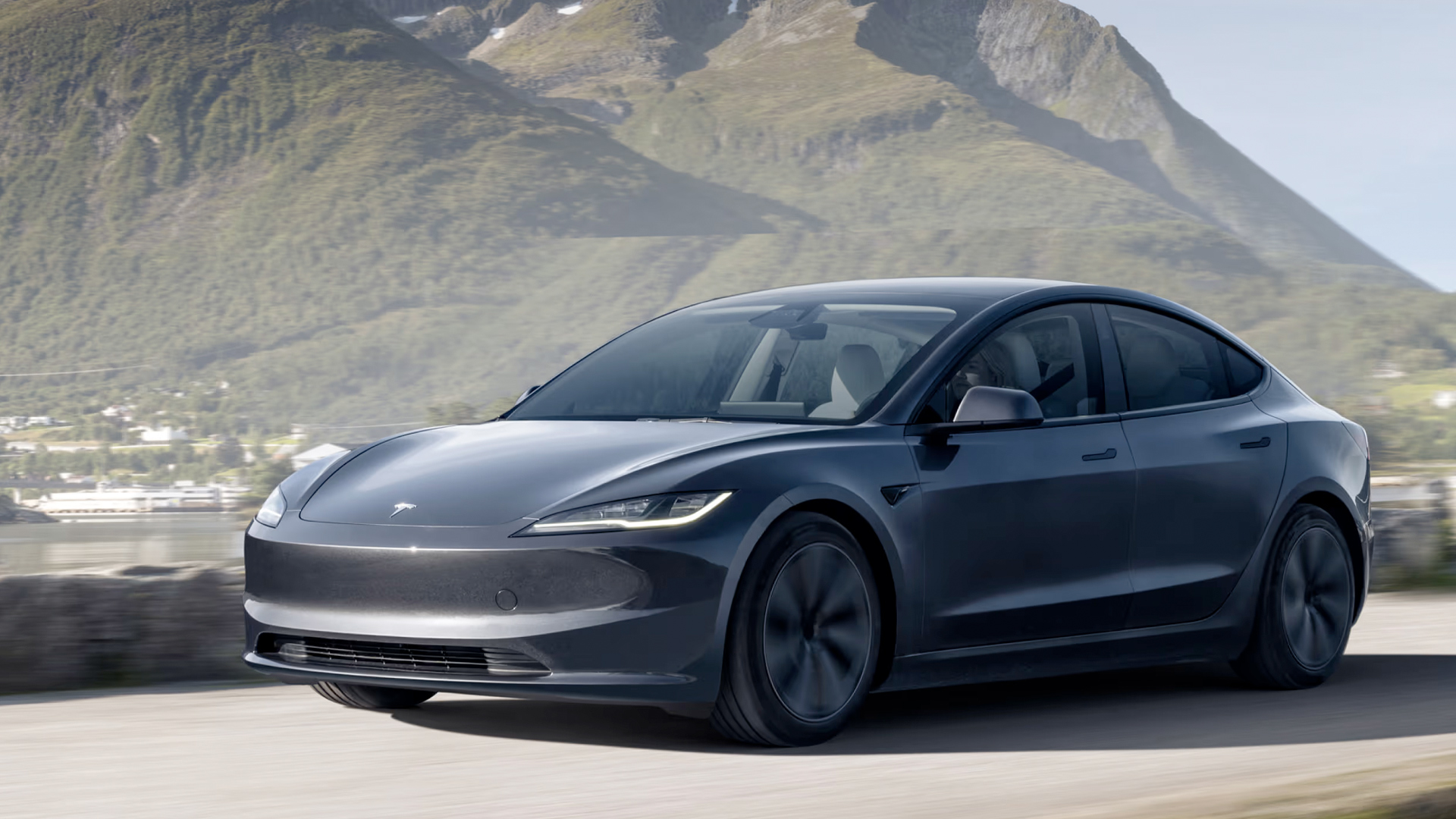
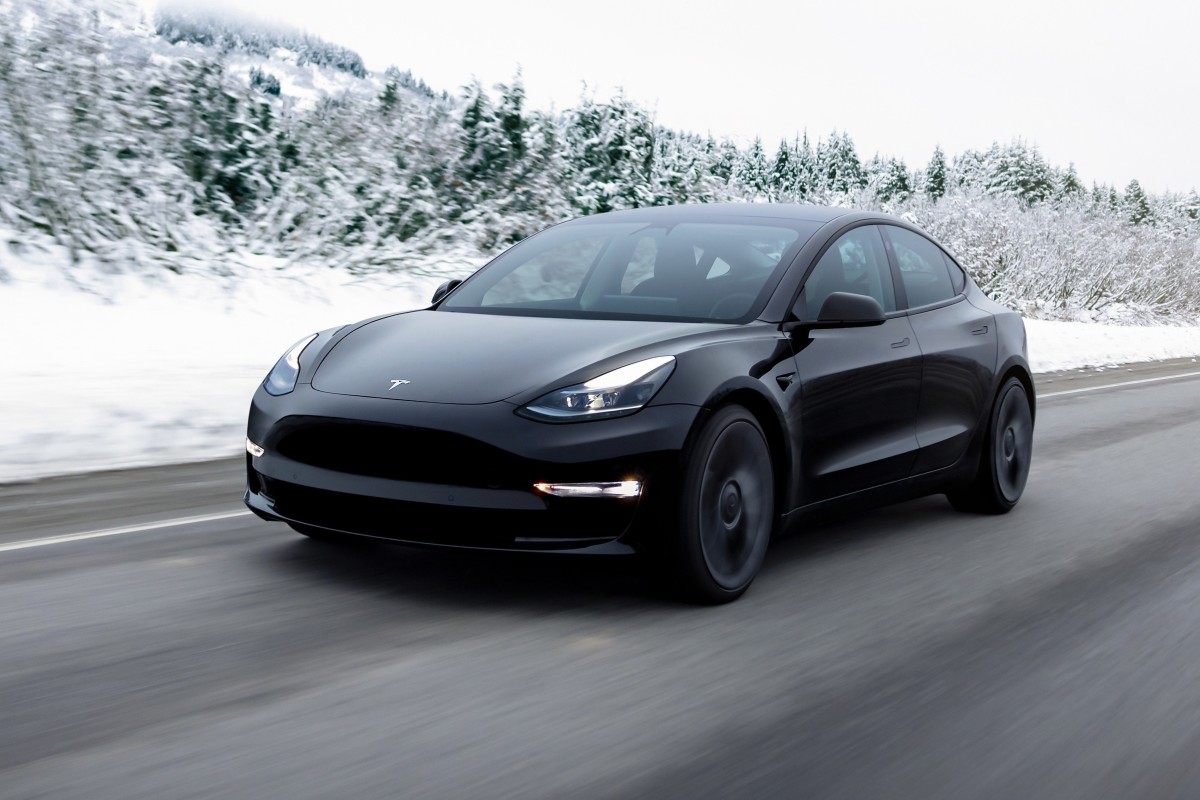
Although the Model Y is positioned as a compact luxury crossover, it generally competes with mainstream EVs such as the BMW i4, the Hyundai Ioniq 5, the Kia EV6, the Toyota bZ, and the Ford Mustang Mach-E. Other potential competitors with a more luxury bent include the Genesis Electrified GV70, the Audi Q6 e-tron, and the Mercedes-Benz EQB.
Tesla recently discontinued the Model S and the Model X, but the Model 3 and the Model Y are still holding strong. And even though the Cybertruck has largely been a flop, Tesla seems determined to keep it around for a little while longer as it shifts focus from electric cars to AI, robotics, and automation.
As of early 2026, new Model Y prices ran from about $40,000 to $57,000. Used examples start at less than half that, and if buyers choose carefully, the Tesla Model Y is a great option for those who want a used EV with a long range and lots of standard features.
Tesla Model Y Buying Guide: Cost, Reliability, and the Best Years to Buy
Frequently Asked Questions
Which Tesla Model Y years are the best?
Budget permitting, buyers will want to start with late 2023 models. This model has zero recalls, complaints, and investigations according to the National Highway Traffic Safety Administration (NHTSA), and it's the only model year, other than 2026, that Consumer Reports gives a better-than-average predictive reliability rating.
What are the worst Tesla Model Y years?
Buyers should avoid anything before 2023 if reliability is a top priority. According to the NHTSA website, the early Model Ys were plagued by recalls, investigations, and complaints, and both the 2020 and 2021 model years had more than 20 recalls. Even though Consumer Reports shows these models have decent Ownership Satisfaction scores, the Reliability Verdict is low. Tesla’s new-car warranty coverage is an industry-standard four-year/50,000-mile bumper-to-bumper package, while the Model Y has a separate eight-year/100,000-mile warranty for the battery and drive unit of standard models and an eight-year/120,000-mile warranty for Premium or Performance models.
Is a used Tesla Model Y a good deal?
For those willing to risk an earlier model year, a used Tesla Model Y can be a very good deal, with prices representing at least 50% off the original MSRP. Better quality models from 2023 on are more expensive, but can be found for under $30,000, which is $15,000 to $23,000 off new-car prices.
Tesla Model Y Pros and Cons
Pros:
- Impressive acceleration
- Large cargo area
- Range tops 300 miles
Cons:
- Lacks Apple CarPlay and Android Auto
- Firm ride
- Almost all controls are through the touchscreen
Tesla Model Y Generations
Tesla Model Y First Generation (2020–Present)
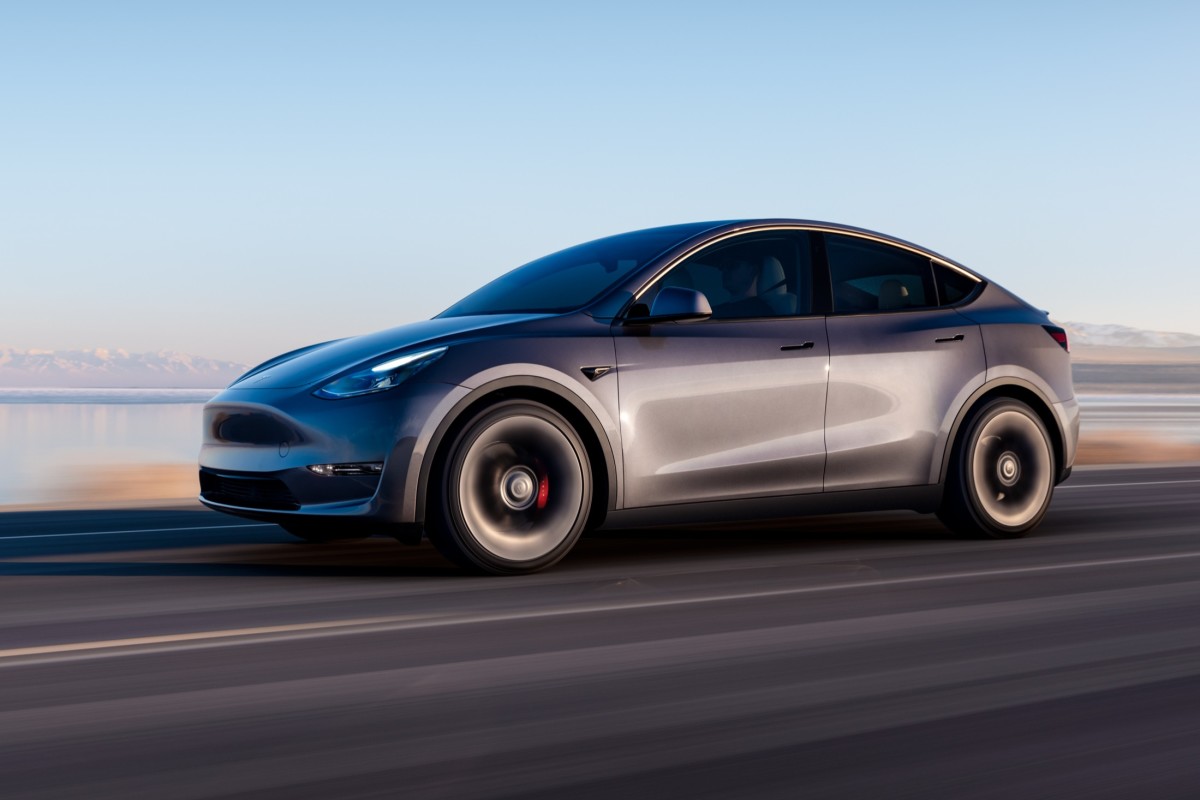
The Tesla Model Y launched in 2020 and was Tesla’s fifth production model, preceded by the Roadster, the Model S, the Model X, and the Model 3. Based on the Tesla Model 3 and sharing 70% to 75% of its parts, the Model Y looks essentially like an over-inflated version of it, being slightly longer and wider but notably taller. It has coupe-like SUV styling that provides lots of space, with extra versatility provided by a rear hatch instead of the Model 3’s sedan tailgate. The two cars look very similar, with more or less identical design themes inside and out.
When it was introduced, this entry-level Tesla crossover came with standard AWD, two electric motors, and in two guises: Long Range and Performance. Maximum range for the Long Range models is about 316 miles, and Performance models get an EPA estimated 291 to 315 miles of range depending on the size of the wheels. It promised a charge time of about 10 hours on a typical home charger.
Standard specs were generous from the start, including 12-way power-adjustable seats, a 15-inch infotainment touchscreen that doubles as a gauge cluster, heated front and rear seats, reclining rear seats, a glass roof, four USB ports, video streaming capability, a top speed of 150 mph, and Tesla’s driver-assistance Autopilot system. Plus, since it's an EV, the Tesla Model Y has generous cargo space with under-floor storage in the rear and a front trunk (frunk). Available features include larger wheels, a tow hitch with a 3,500-pound tow rating, Full Self-Driving (Supervised) capability (FSD), and Smart Summon.
While early models were equipped with radar for driver-assistance functions such as adaptive cruise control, the Tesla Model Y switched to a camera-based system called Tesla Vision in 2021. Other changes that hit full production in 2021 included optional third-row seating, a heated steering wheel, dual-pane front windows for noise reduction, and a new lower-priced Standard Range RWD model with a single electric motor and an EPA-estimated 244 miles of range. With some changes for efficiency, the Long Range model range estimate was boosted to 326 miles.
There weren’t any big changes in 2022, but the Standard Range RWD model was only available in limited quantities at the beginning of the year. In mid-2023, Tesla began rolling out updated high-definition cameras, ambient lighting, updated suspension tuning, and a new Autopilot processor. The Standard Range RWD model was also reintroduced at the end of the year.
Trying to follow along with the EPA on range estimates is confusing at best, since Tesla doesn’t adhere to a strict model-year cycle and the EPA keeps readjusting its estimates based on real-world mileage. Range for the Tesla Model Y Long Range increased to 330 miles in 2023, then dropped to 310 miles in 2024. The Tesla Model Y Performance model gets an estimated 279 miles of range, the base Model Y RWD model manages 260 miles. In short, all early range estimates should be taken with a grain of salt.
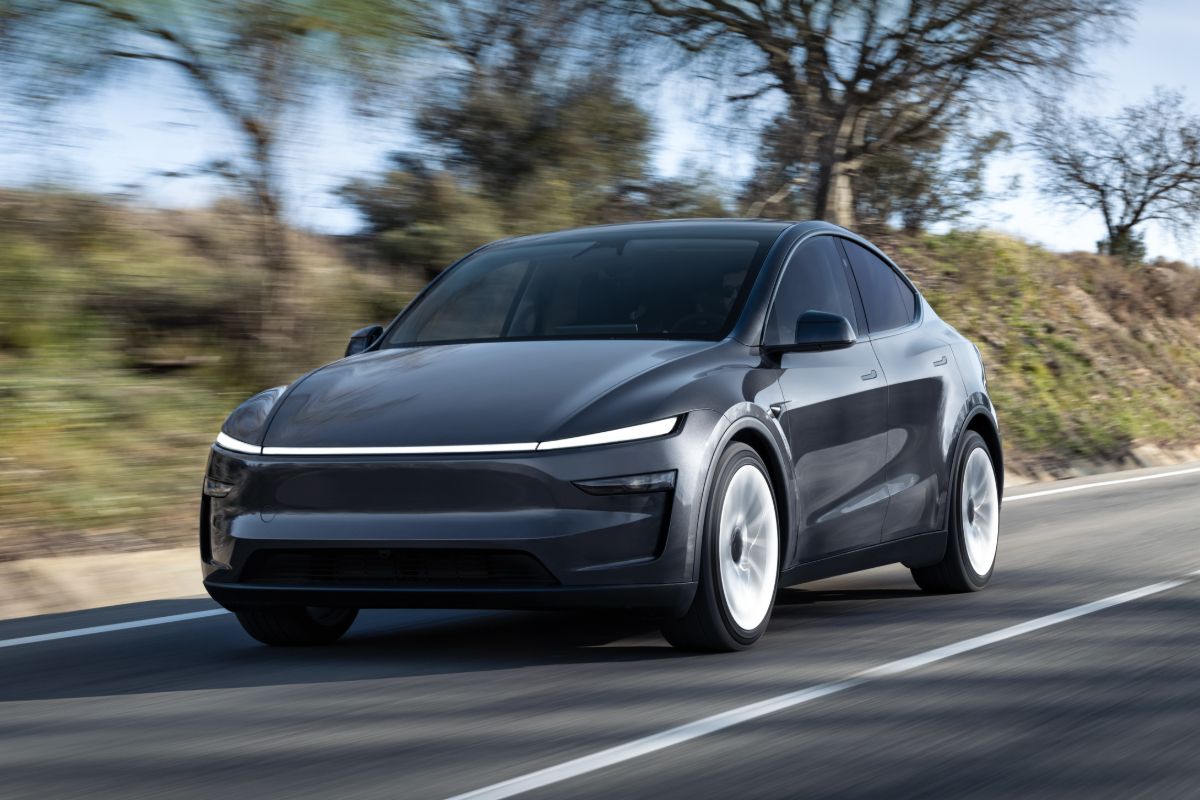
The Tesla Model Y received its biggest update in the shape of the “Juniper” refresh, with the first examples reaching customers in March 2025. There were major changes to the exterior, with an entirely new front end and new bumper, tailgate, and tail lights at the rear. With front and rear light bars and a Cybertruck-inspired look at the front, the Model Y gained a much sleeker, more modern appearance.
There were also changes to boost comfort and refinement in the shape of retuned suspension, improved aerodynamics, more sound-deadening, and upgraded interior materials.
Initially, the new Tesla Model Y was available only as the Launch Edition, which was a fully loaded Model Y Long Range AWD model with exclusive badging and vegan upholstery. It had a limited run and was quickly replaced by the Long Range RWD, Long Range AWD, and Performance AWD models with 337, 311, and 277 miles of range, respectively. The seven-seat option was dropped, as were 21-inch wheels, but new available features included ventilated front seats and a rear-seat entertainment screen. Standard features included ambient lighting, an updated audio system with more speakers, Autopilot, heated seats in the front and rear, and a panoramic glass roof. Full Self-Driving (FSD) was still optional, and the top speed was 155 mph.
Even though 2025 brought big changes, there were more to come. A new entry-level Tesla Model Y Standard RWD model joined the range in late 2025, missing out on features such as the front light bar and switching to cloth upholstery, smaller alloy wheels and simpler suspension to keep costs down. Oddly, the Model Y retained its glass roof, but the addition of a headliner meant it allowed no light into the cabin. An AWD version of this base model was added in February 2026, and the ‘Standard’ name tag for these variants was simultaneously dropped, leaving them badged as simply Tesla Model Y Rear-Wheel Drive and Tesla Model Y All-Wheel Drive. As of this writing, the Model Y range consisted of the Tesla Model Y RWD and AWD, Premium RWD and AWD, and Performance AWD. Maximum range was up to 357 miles in the Premium RWD model, with the lowest range pegged at 294 miles for the AWD model. The seven-seat option returned (for the Model Y Premium AWD only), as did 21-inch wheels (Model Y Performance AWD only).
Prices for the Tesla Model Y as a used car vary widely, ranging from about $15,000 to $60,000 for the pre-Juniper models, but even cars that have covered less than 60,000 miles can still be found for under $25,000.
Options are more limited for post-2025 cars, although they have started filtering through to the used market with starting prices of about $42,000.
Related Topics