Rivian has quickly emerged as one of the most prominent new EV brands in the U.S. but it operates very differently from the automakers that have dominated the market for decades. Here's what you need to know.
Quick Answer: Who Makes Rivian Cars?
Rivian vehicles are made by Rivian Automotive, Inc., an independent American electric vehicle manufacturer founded in 2009 by RJ Scaringe.
The company is headquartered in Irvine, California, with primary vehicle production taking place in Normal, Illinois.
While Rivian has received significant investment from Amazon and Ford, it designs, engineers, and builds its vehicles in-house.
Rivian is not a subsidiary of another automaker. It's a standalone EV brand with its own manufacturing and product development.
Rivian in Today's Market
Rivian's market presence looks different from what you'd see with an established automaker. Inventory is tighter, pricing tends to hold firm, and the used market is still relatively young. Here's a current snapshot based on CarGurus listings data.
Current snapshot (based on listings data)
| Model |
Average Price |
Total Listings |
% Good / Great Deals |
Avg. Owner Rating |
| Rivian R1T |
~$51,000 |
~214 |
~24.8% |
4.65 / 5 |
| Rivian R1S |
~$65,000 |
~237 |
~29.1% |
4.71 / 5 |
The numbers tell a consistent story: total inventory is modest, sellers aren't discounting aggressively, and the owners who do buy them tend to love them.
Rivian Models and Market Positioning
Rivian's current consumer lineup consists of two vehicles, with two more on the way.
Rivian R1T
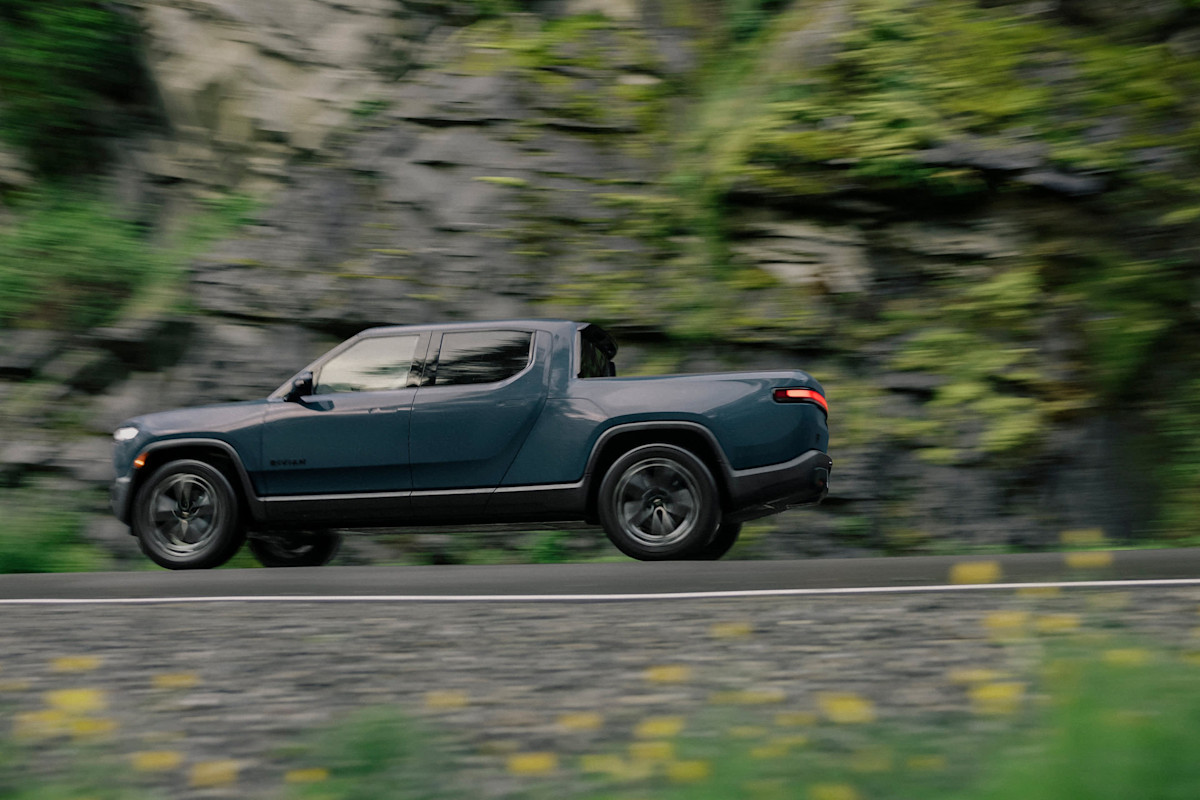
The R1T is a fully electric pickup truck built around performance and off-road capability. It's positioned as a premium alternative to traditional trucks, and it is priced accordingly. It's the more affordable of Rivian's two current models, though it's still firmly in upper-segment territory.
Read our expert review of the 2026 Rivian R1T
Rivian R1S
The R1S is a three-row electric SUV targeting the premium family segment. It commands higher average transaction prices than the R1T and, based on current listings, actually shows slightly better deal availability, though neither model is known for heavy discounting.
Watch our expert review of the 2025 Rivian R1S
Coming Soon: Rivian R2 and R3
Rivian's lineup is about to get a lot more accessible. The Rivian R2 is a smaller, more affordable SUV expected to arrive in late 2026 and it could be the model that brings Rivian into the mainstream. Close behind it is the Rivian R3, a compact crossover slated for early 2027. Both are expected to undercut the R1S and R1T on price significantly, which should open the brand up to a much wider pool of buyers.
Rivian Frequently Asked Questions
Is Rivian Owned by Amazon?
No. Amazon is a major investor and has a commercial relationship with Rivian (it's ordered a large fleet of electric delivery vans from the company) but it doesn't own Rivian. Rivian is an independent, publicly traded company.
Where Are Rivian Vehicles Built?
Rivian builds its vehicles in Normal, Illinois, at a former Mitsubishi plant the company retooled for EV production.
Why Are Rivian Vehicles Expensive?
Both models sit in the premium segment, and the used market is still limited enough that sellers don't need to discount much to move inventory. If the R2 and R3 arrive as promised, that calculus should shift. But for now, expect to pay near asking price.
Are Rivians Hard to Find?
Relative to mainstream brands, yes. Total listings are modest and heavily discounted examples are rare. That's partly a production scale issue and partly a reflection of strong demand holding prices up.
Is Rivian a Good Brand?
Owner ratings across both models average between 4.6 and 4.7 out of 5, which is excellent by any measure. Owners consistently point to performance, design, and the overall driving experience. The brand's weak spots are mostly about access, availability, and pricing rather than the vehicles themselves.
How Rivian Compares to Other EV Brands
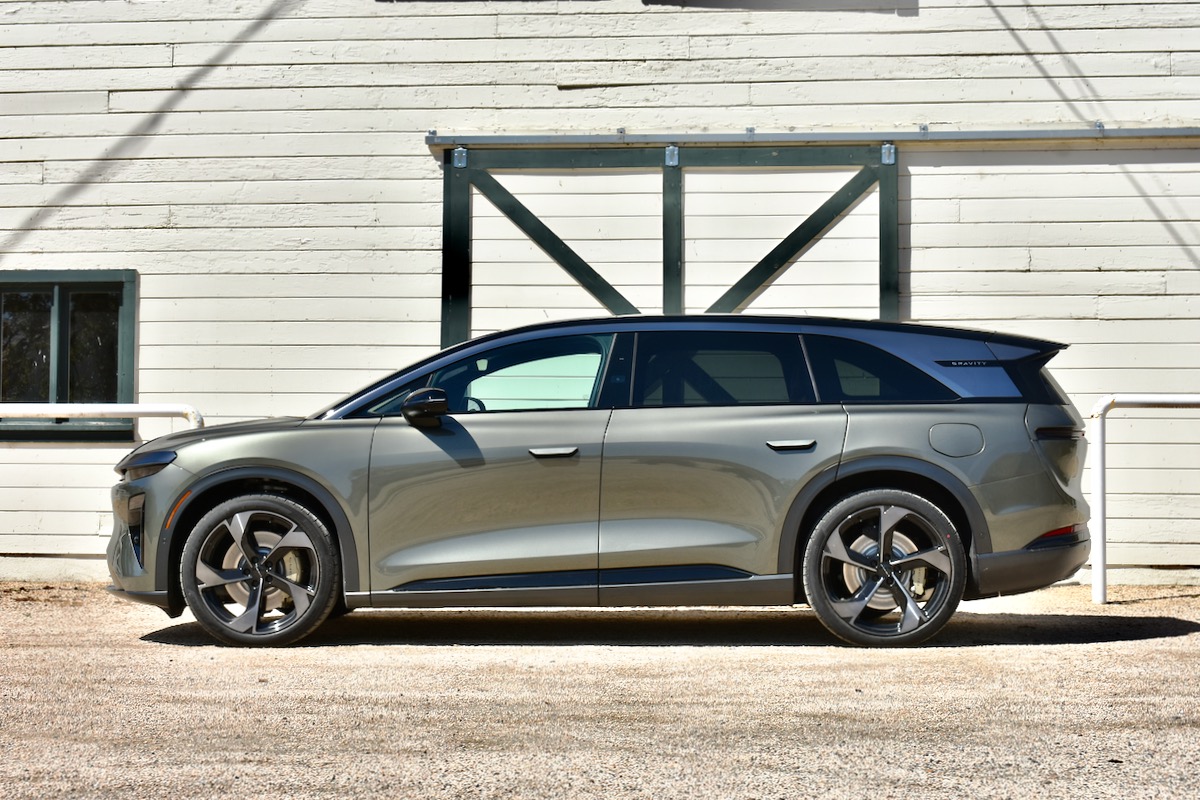
Rivian occupies a fairly specific lane. Tesla has a broader lineup and far greater production scale. Lucid is chasing a different buyer entirely—luxury sedan shoppers who prioritize range and on-road refinement over off-road chops. And compared to the truck and SUV offerings from traditional automakers, Rivian's advantage is in the EV execution rather than brand heritage or dealer network depth.
The R2 and R3 will be the real test of whether Rivian can compete at volume. Right now, it's a brand that's earned strong loyalty from early adopters—the next chapter is whether it can scale.
The Bottom Line
Rivian is an independent American automaker that builds its own vehicles, operates its own factory, and answers to no parent company. Amazon and Ford hold stakes, but neither calls the shots on product.
What defines the Rivian ownership experience today is a combination of limited availability, firm pricing, and owners who are genuinely happy with what they bought. That's a reasonable foundation—and with the R2 and R3 on the horizon, the brand's next few years could look very different.


