For nearly 30 years, the Toyota RAV4 has been the benchmark for compact SUVs. It's the best-selling non-truck in America, and the bar it set for practicality, efficiency, and long-term dependability is what every competitor gets measured against. So when Toyota announced a complete sixth-generation redesign for 2026—including a landmark shift to an all-hybrid lineup—it was bound to spark some conversation.
If you're weighing a 2025 model against the all-new 2026 Toyota RAV4, the choice is more nuanced than it first appears. Here's what you actually need to know before you decide.
Toyota RAV4 2025 vs. 2026 at a Glance
| 2025 RAV4 | 2026 RAV4 | |
|---|---|---|
| Generation | Fifth (since 2019) | Sixth (all-new) |
| Powertrain Options | Gas, Hybrid, or Plug-in Hybrid | Hybrid or Plug-in Hybrid only |
| Standard Hybrid Output | 219 hp combined | 226 hp (FWD) / 236 hp (AWD) |
| PHEV Output | 302 hp | 324 hp |
| Fuel Economy (gas) | Up to 30 mpg combined | N/A — no gas option |
| Fuel Economy (hybrid) | Up to 39 mpg combined | Up to 43 mpg combined (FWD) |
| PHEV Electric Range | Up to 42 miles | Up to 52 miles |
| Standard Infotainment Screen | 8-inch | 10.5-inch (12.9-inch on higher trims) |
| Digital Gauge Cluster | Not standard | 12.3-inch, standard on all trims |
| Safety Suite | Toyota Safety Sense 2.0 | Toyota Safety Sense 4.0 |
| Cargo Space (behind 2nd row) | 37.5 cu. ft. | 37.8 cu. ft. |
As the table above shows, the 2026 RAV4 is more powerful, more fuel-efficient, and better equipped than the 2025 in virtually every measurable category. But the elimination of the gas-only option and a shift away from some physical controls have generated some consumer pushback—and it's worth understanding why before assuming the newest version is automatically the right choice for you.
Exterior and Styling: What Changed in the 2026 RAV4 Redesign?
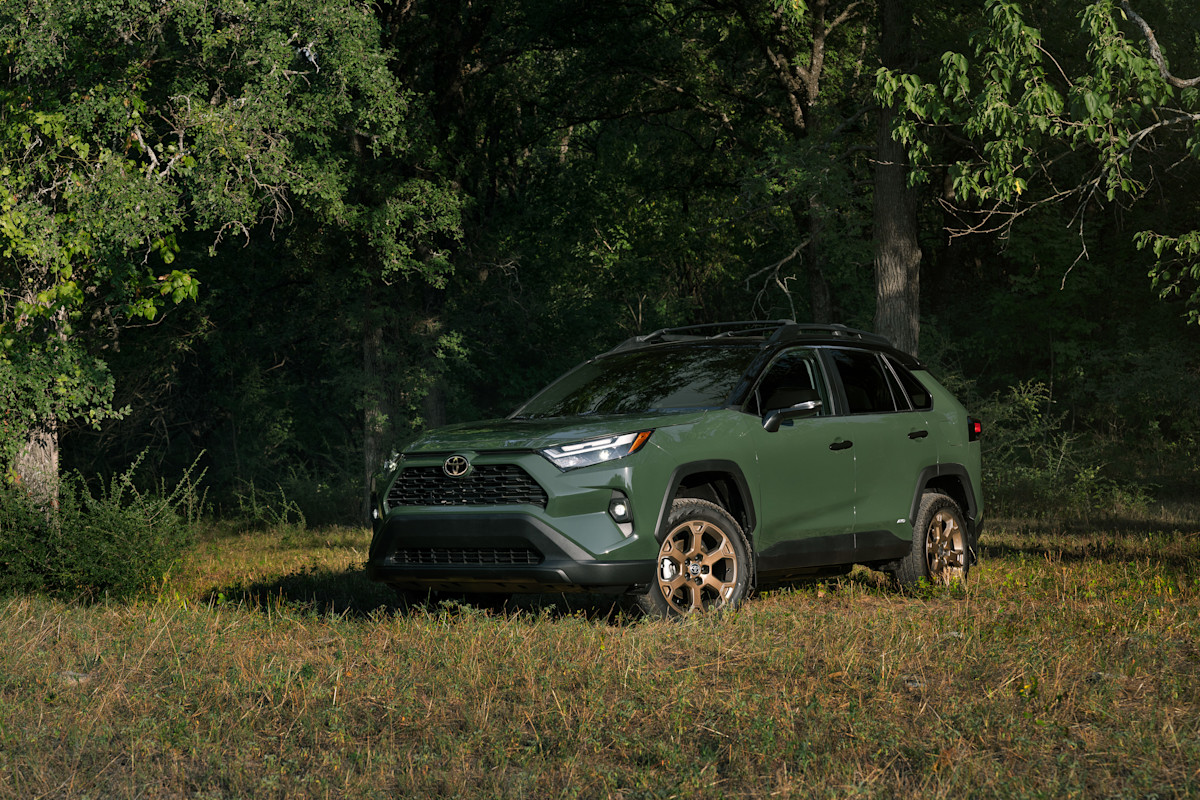
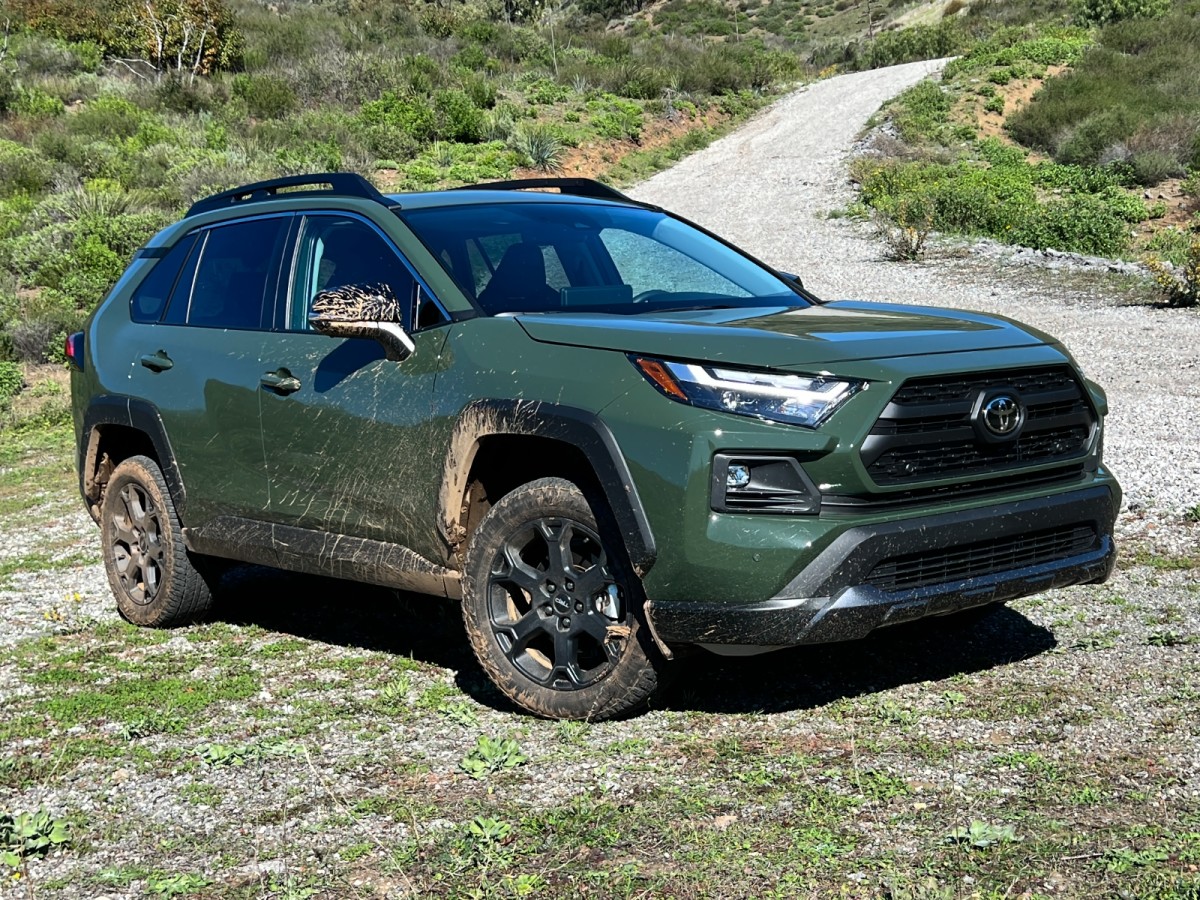
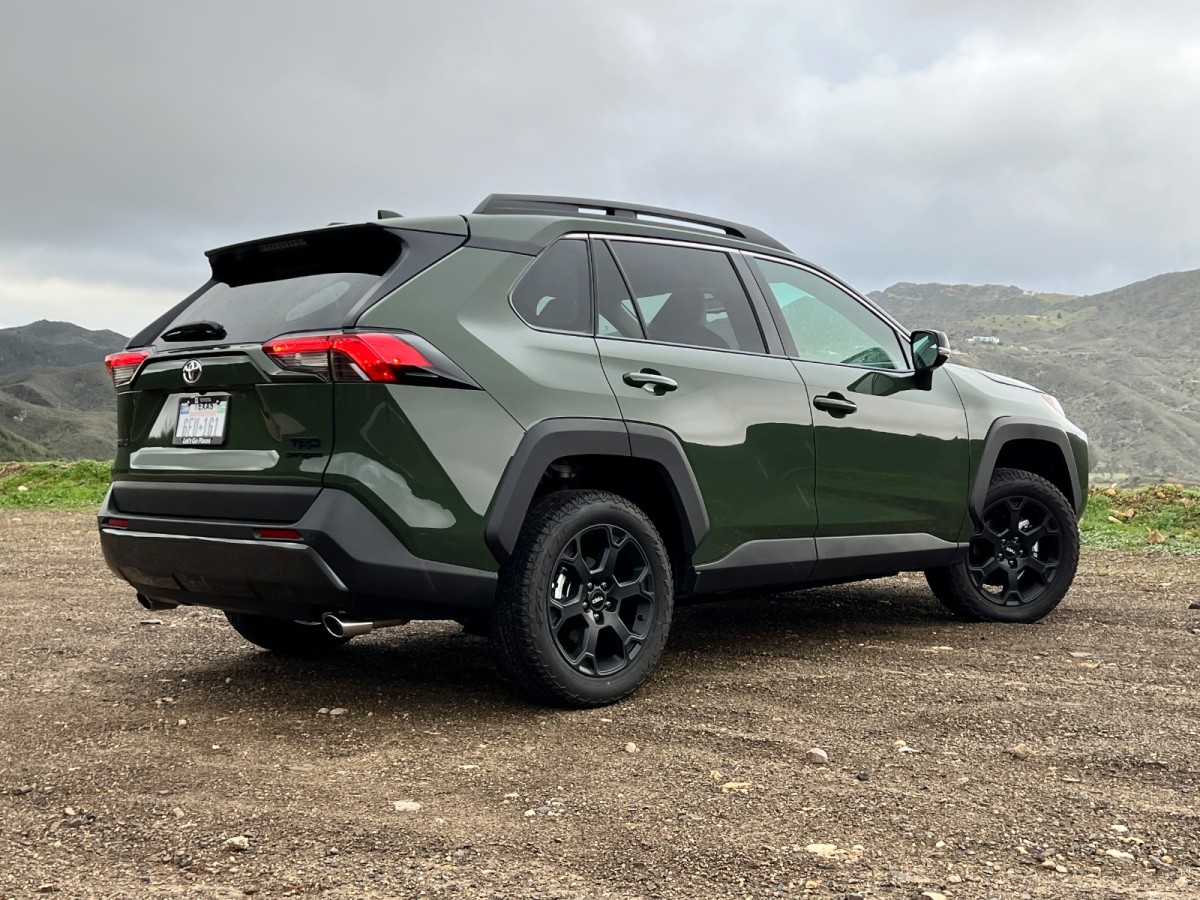
The 2025 RAV4 (above, in green) had been wearing the same fifth-generation design since 2019, and it held up well. Its angular, rugged look was confident and purposeful, and the visual spread across trim levels gave buyers options that felt intentional rather than arbitrary.
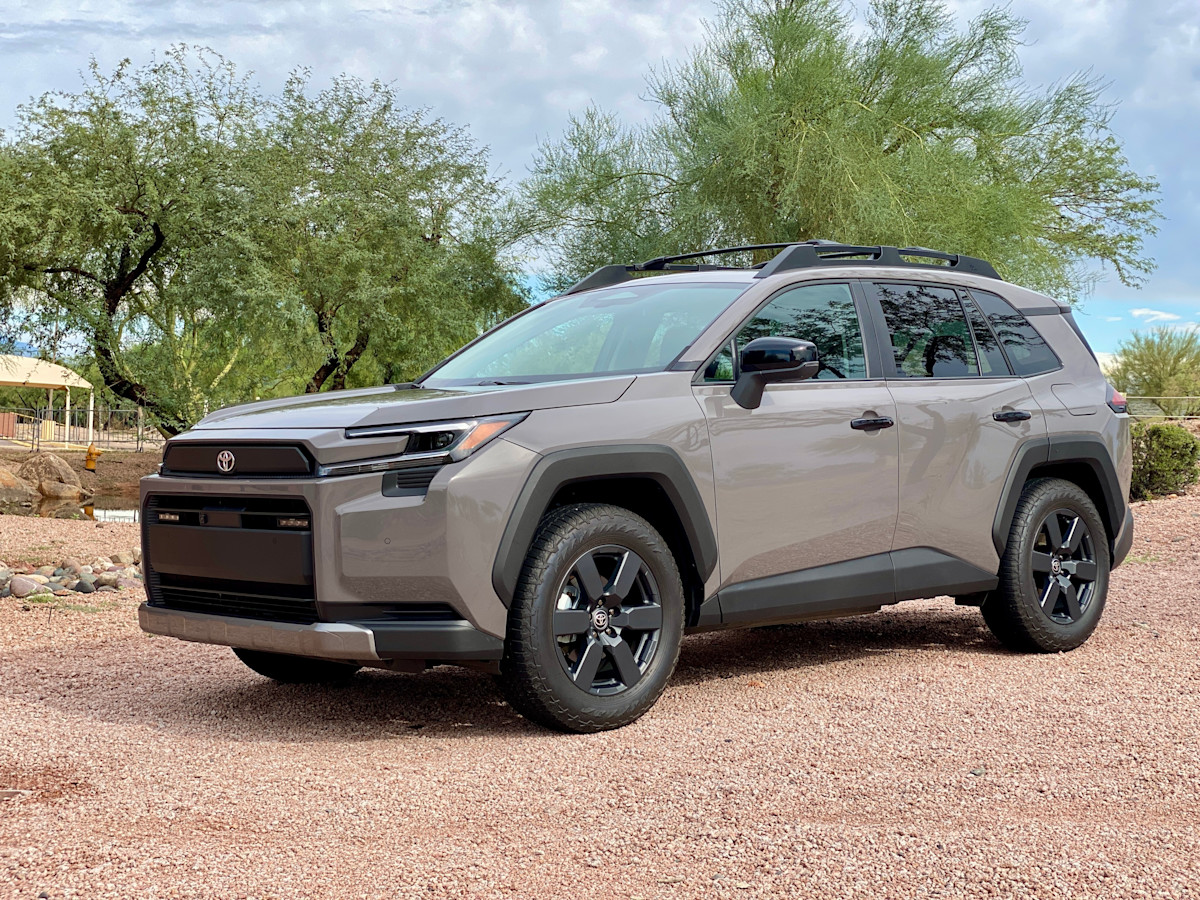
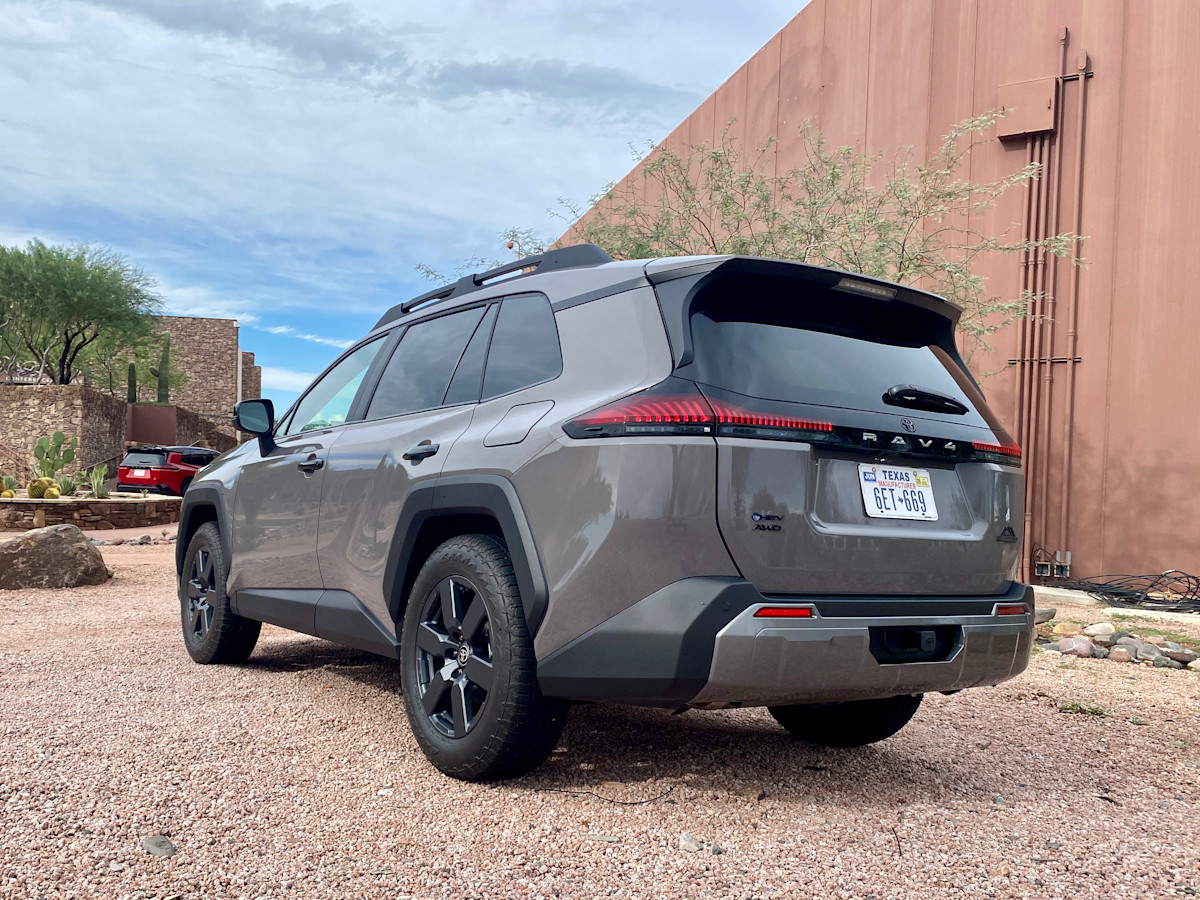
The 2026 RAV4 (above, in gray) goes in a noticeably different direction. Toyota redesigned the sixth-generation RAV4 with a boxier, more upright silhouette—large tires, an elevated ride height, and an upright rear cargo area that telegraphs capability before you've even opened the door. Standard dual-beam LED projector headlights are now universal across the lineup. Around back, vertically stacked LED taillights extend onto the trunk lid, a distinctive detail that aesthetically sets the 2026 apart.
Toyota differentiates the 2026 lineup into three distinct design directions:
- Core trims (LE, XLE Premium, Limited): A refined, upscale front end with a clean, modern stance
- Rugged trim (Woodland): A 4Runner-inspired front bumper with standard Rigid Industries LED fog lights, raised roof rails with crossbars, and all-terrain tires from the factory
- Sport design trims (SE, XSE, GR Sport): Darker trim, gloss black accents, and unique bodywork; the first-ever GR Sport is a plug-in hybrid developed with Toyota Gazoo Racing featuring a unique steering and suspension tune—the most performance-focused RAV4 ever built
The overall footprint remains nearly identical to the 2025, so this is a restyled and re-engineered RAV4, not a physically larger one.

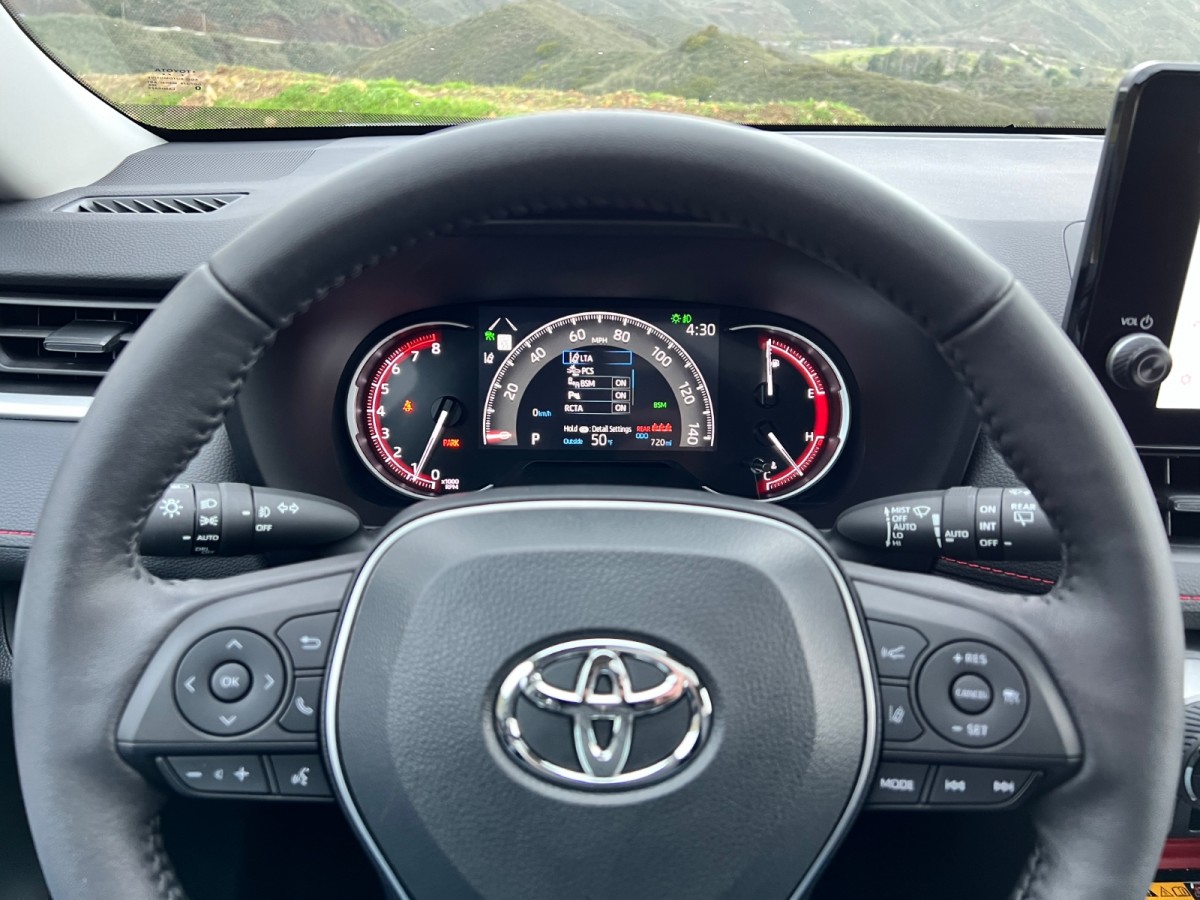
2026 Toyota RAV4 Interior, Tech, and Comfort Upgrades
The 2026 cabin is a significant departure from the 2025 in two areas that matter most to daily drivers: technology and comfort. The screens get bigger, the software gets smarter, and the available features list grows considerably. Whether all of those changes land as upgrades depends partly on how you feel about physical buttons.
Infotainment and the Button Debate
The interior is where the 2026 makes its biggest leap—and where the most consistent pushback from existing RAV4 owners has come from.
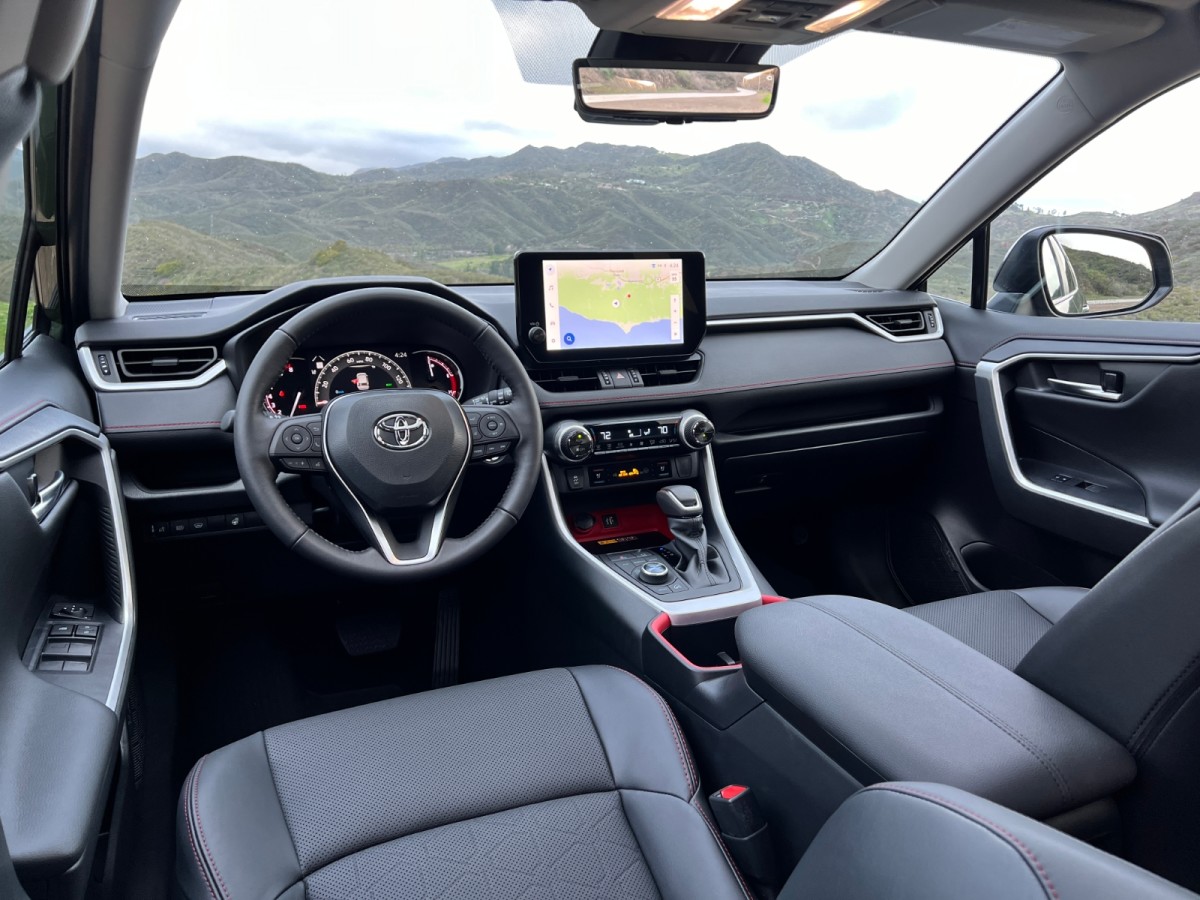
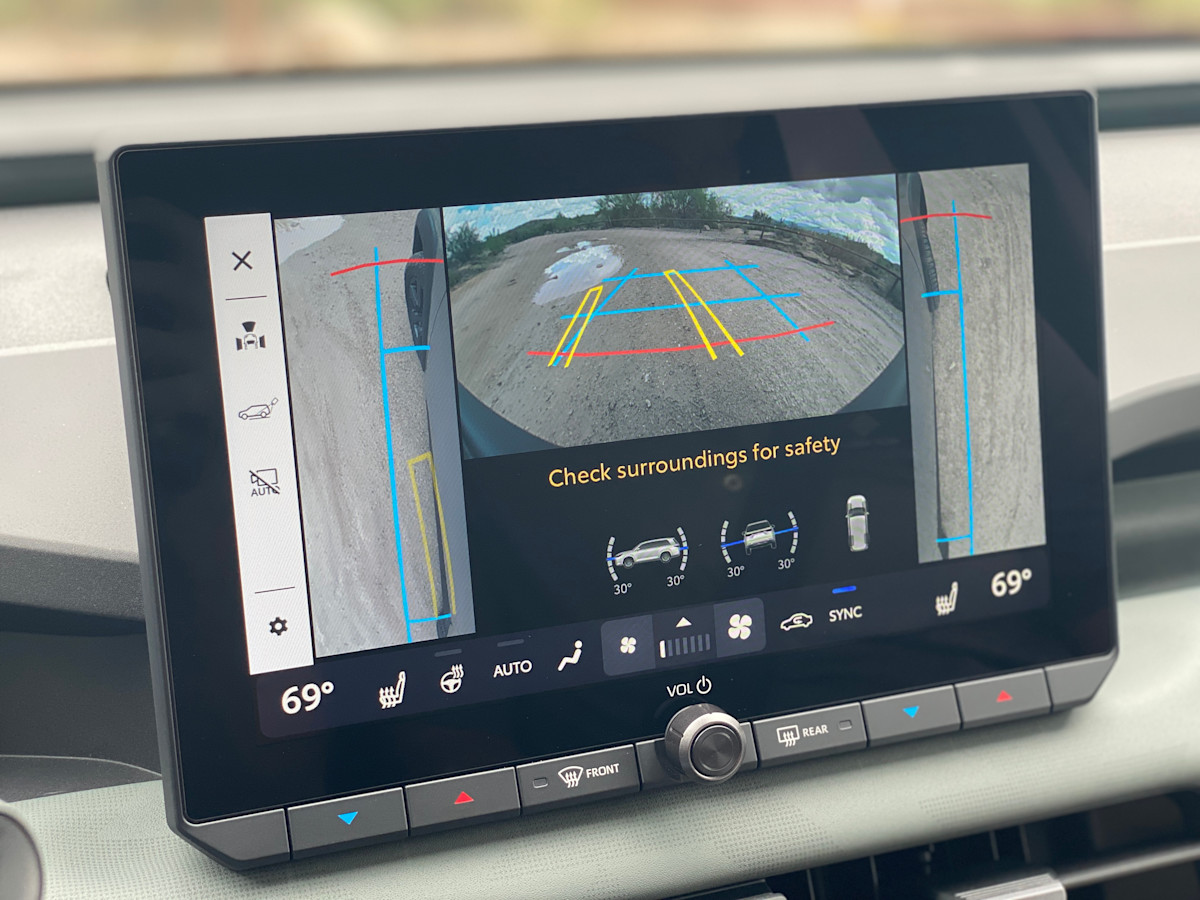
Every 2026 RAV4 comes standard with a 12.3-inch customizable digital gauge cluster and either a 10.5-inch or 12.9-inch Toyota Audio Multimedia touchscreen depending on trim, both with wireless Apple CarPlay and Android Auto compatibility. The system runs on Toyota's new Arene software platform, which brings 5G connectivity, an available head-up display, a standard Drive Recorder, and over-the-air update capability. Toyota Safety Sense 4.0 is standard on every trim.
The 2025, by comparison, offered an 8-inch touchscreen and wired CarPlay on base trims, paired with Toyota Safety Sense 2.0. It works, but it's now a full generation behind.
The trade-off for the 2026 RAV4 is that while Toyota kept the physical knobs for temperature and volume, fan speed, and several secondary climate functions have moved to the touchscreen. For most buyers, that's a minor adjustment. For those who've spent years reaching for a dedicated dial without looking away from the road, it's a genuine frustration—and it's been the most discussed complaint in RAV4 owner communities since the 2026 was first revealed.
Space, Comfort, and Cargo
From a dimensions standpoint, the 2026 is largely consistent with the 2025. Cargo space behind the second row is 37.8 cubic feet versus 37.5 in the outgoing model, and five-passenger seating carries over unchanged. The rear seat is comfortable for most adults, though it remains slightly tighter than some segment rivals. Toyota redesigned the rear seatback to fold flatter for cargo and updated the available hands-free power liftgate with an expanded detection area—practical gains that don't require a bigger footprint.
New comfort features available on 2026 trims include:
- Heated and ventilated front seats
- Dual wireless Qi-compatible charging pads
- Up to five USB-C ports throughout the cabin
- Available head-up display
Related Reading: For a full breakdown of RAV4 reliability by model year, see the Toyota RAV4 Reliability Guide on CarGurus.
Performance Differences: The 2026 Toyota RAV4's All-Hybrid Shift
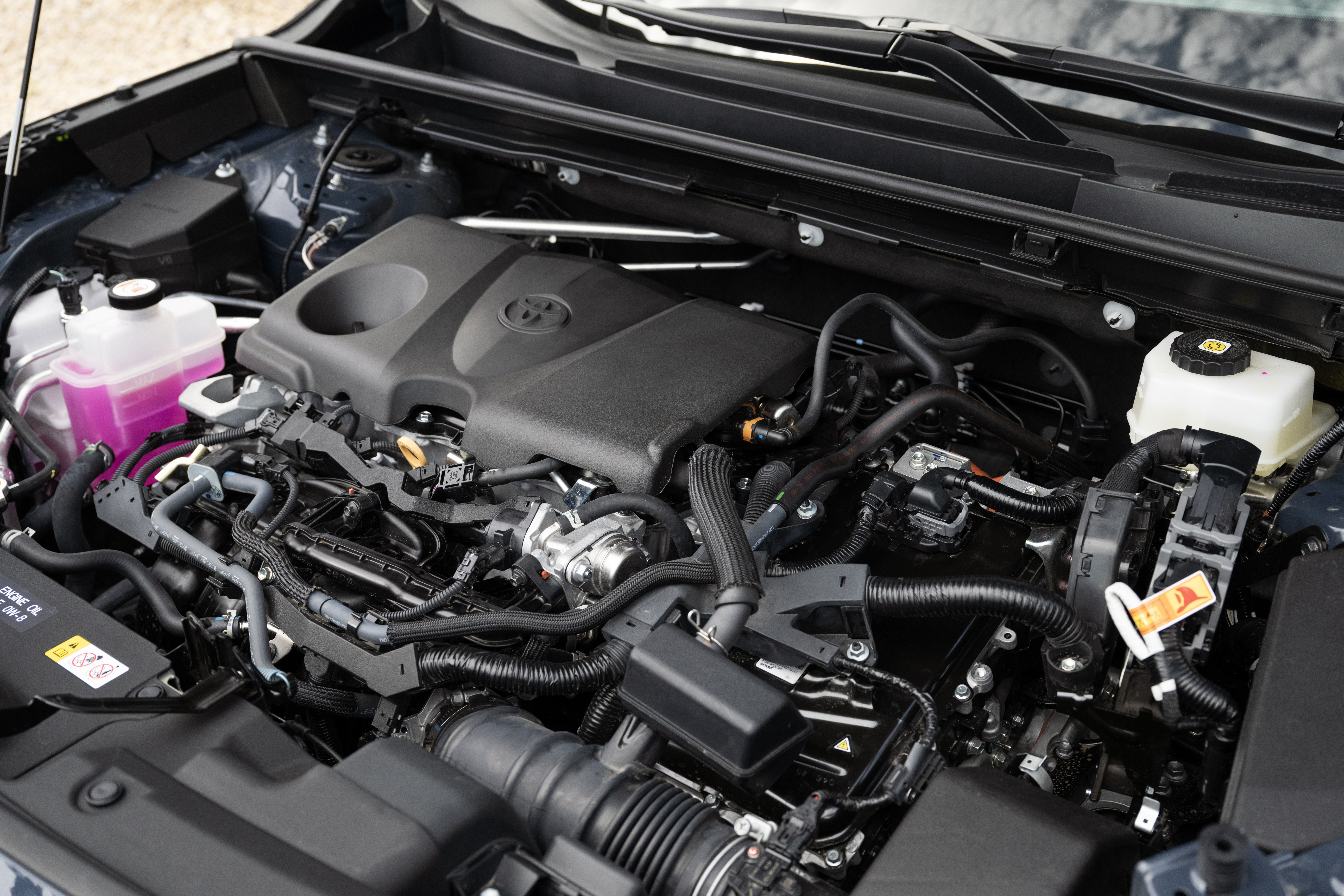
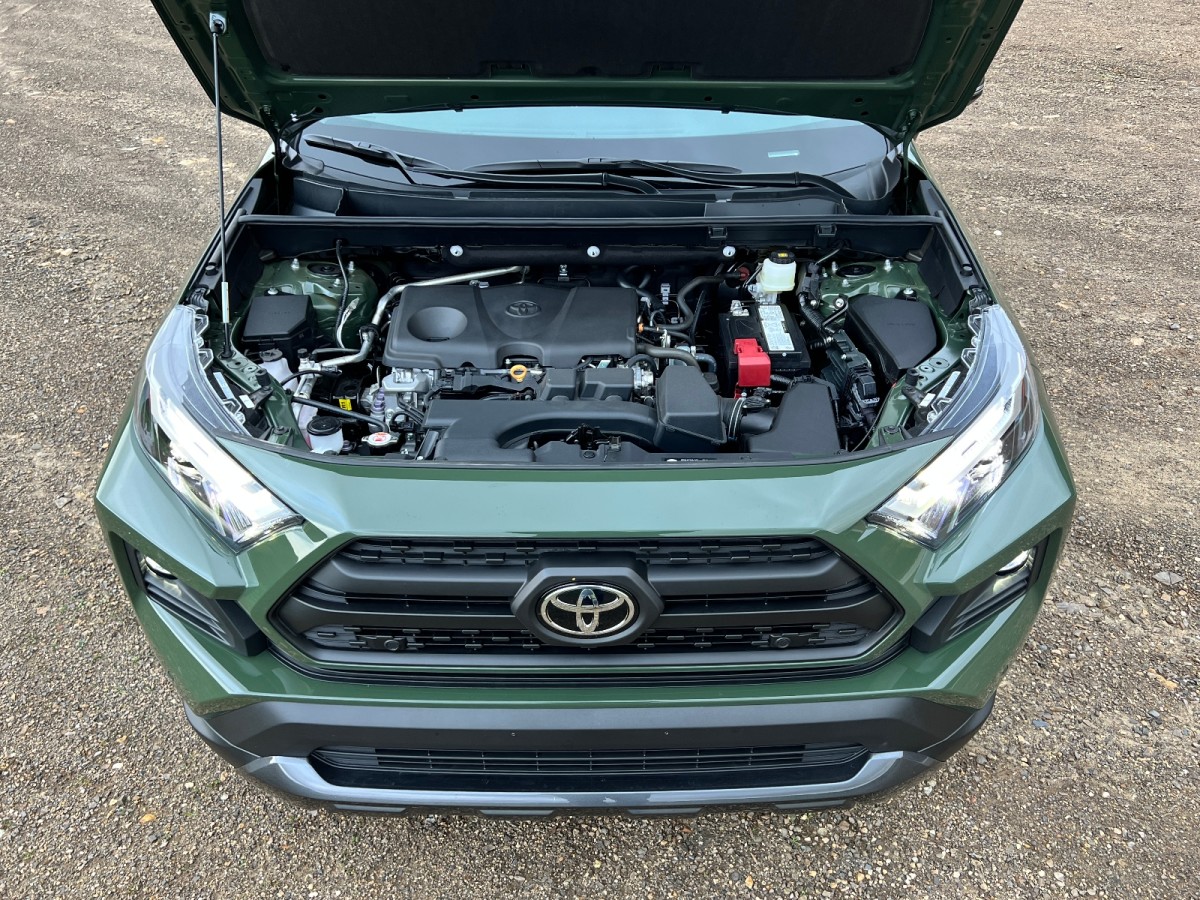
The powertrain is where the Toyota RAV4 2025 vs. 2026 comparison gets most interesting—and most consequential. Toyota didn't just update the engine lineup for 2026; it eliminated the gas-only option entirely and retooled the hybrid and plug-in hybrid systems from the ground up.
Why Toyota Dropped the Gas-Only Option
The biggest change for 2026 is the complete elimination of the gas-only powertrain. Every 2026 RAV4 is now a hybrid or plug-in hybrid. There is no gas-only option in this new generation.
On paper, this sounds like it might limit the RAV4's appeal. In practice, it's more of an upgrade than a compromise:
- The 2026 standard hybrid uses a 2.5-liter Dynamic Force engine paired with Toyota's fifth-generation hybrid system, producing 226 horsepower with front-wheel drive and 236 horsepower in AWD form—more output than both the old gas and old hybrid versions.
- Front-wheel drive returns as an option on the 2026 for buyers who prioritize efficiency, while AWD remains standard on upper trims.
- The new hybrid system is calibrated for smoother transitions between electric and gas power than the outgoing generation.
- The engine start-up is quieter, and power delivery at low speeds feels more immediate—differences you notice in daily driving more than in spec comparisons.
The 2026 RAV4 Plug-in Hybrid: A Meaningful Step Up
The 2026 RAV4 Plug-in Hybrid (Toyota dropped the "Prime" name this generation) is the most substantially upgraded version:
- Output climbs from 302 hp to 324 hp
- Electric-only range increases from up to 42 miles to up to 52 miles (trim-dependent)
- The PHEV lineup expands from two grades to four: SE, XSE, Woodland, and the GR Sport
- All PHEV models include AWD as standard
- XSE and Woodland trims add DC fast-charging, allowing a 10%–80% charge in approximately 30 minutes under ideal conditions
Related Reading: Want more detail on the RAV4 Prime's history and specs? See the 2021 Toyota RAV4 Prime overview on CarGurus.
Fuel Economy and Towing
The efficiency gains with the 2026 RAV4 are small but worthwhile. Here's a quick comparison:
| Powertrain | 2025 RAV4 | 2026 RAV4 |
|---|---|---|
| Gas (combined) | Up to 30 mpg | N/A |
| Hybrid FWD (combined) | Up to 39 mpg | Up to 43 mpg |
| Woodland Hybrid (combined) | Up to 37 mpg | Up to 38 mpg |
| Towing capacity | Up to 3,500 lbs | Up to 3,500 lbs |