Subaru has always had a clear sense of who it builds cars for — the hiker who needs to get to the trailhead, the commuter who wants all-weather confidence without a truck-sized footprint, the road-tripper who refuses to choose between practicality and personality. For 2026, the brand is doubling down on that identity with a model year that spans familiar favorites and genuinely exciting new arrivals, making this one of the more compelling lineups Subaru has put together in years.
This roundup covers the full breadth of what Subaru is bringing to market for 2026, from updated versions of its most popular gas-powered crossovers to a growing roster of electric vehicles that reflect where the brand is clearly headed. Whether you're drawn to a rugged subcompact SUV, a freshly redesigned wagon with serious adventure credentials, or one of several new all-electric options making their debut, there's meaningful news across every segment of the lineup. The selections here weren't chosen arbitrarily — each model represents either a significant update, a new generation, or an all-new nameplate that Subaru buyers and EV shoppers alike will want to know about.
Reading through each section will give you a clear-eyed look at what makes these vehicles worth considering, where they lead their class, and where they still have room to grow. The goal isn't to sell you on any one model — it's to give you the honest, specific information you need to figure out which Subaru, if any, belongs in your driveway.
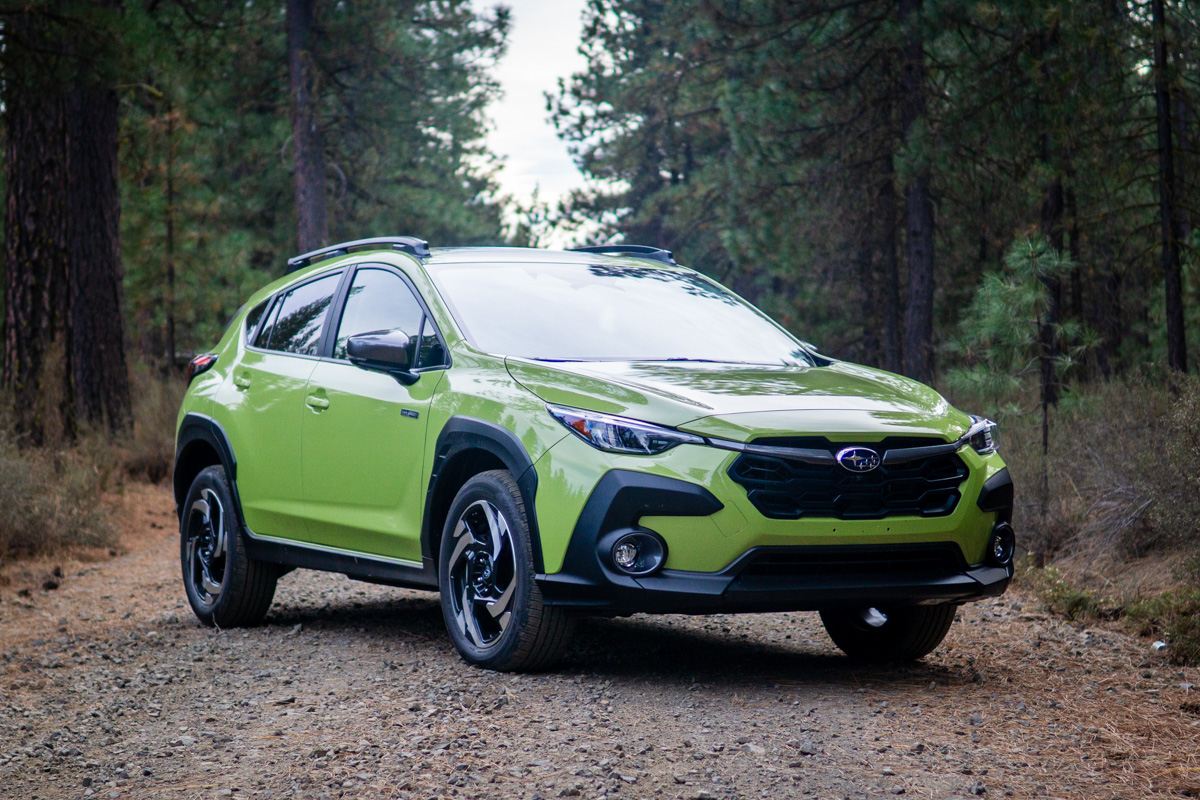
For 2026, the Subaru Crosstrek makes a welcome powertrain upgrade by dropping its weaker base engine in favor of a more capable one across the entire lineup. Having entered its current generation in 2024, the rugged subcompact SUV receives a few key updates for the 2026 model year. The updated vehicle is on sale now, with a starting price of $26,995 plus destination fees.
Every 2026 Crosstrek now comes standard with a 2.5-liter four-cylinder engine that produces 180 horsepower, paired with a continuously variable automatic transmission (CVT) and Subaru's signature all-wheel drive (AWD). This setup delivers acceptable power and returns an impressive 29 mpg combined. Based on the Impreza hatchback, the Crosstrek features a raised ride height and protective body cladding, giving it a crossover identity. While this design results in a snug back seat and cargo space that's modest for an SUV, it provides plenty of versatility and charm.
Inside, the cabin is functional, with cloth upholstery on lower trims and durable, easy-to-clean StarTex material on the adventure-focused Wilderness model. While base versions use a dual seven-inch screen setup, all other trims feature a large 11.6-inch vertical touchscreen with crisp graphics, wireless Apple CarPlay and Android Auto, and wireless device charging. Standard safety features are generous, including adaptive cruise control, forward automatic emergency braking, and lane-keep assist, helping the Crosstrek earn mostly Good scores in IIHS crash testing.
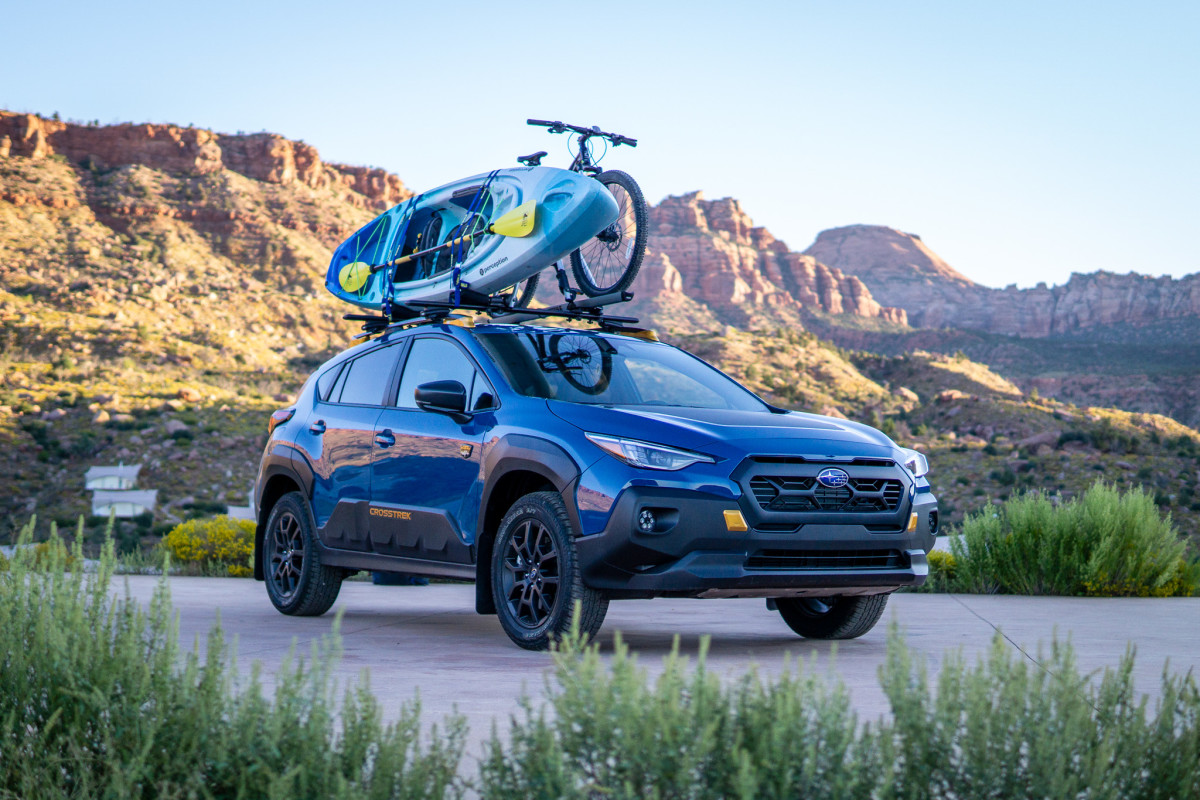
The 2026 Subaru Crosstrek Hybrid carves out a unique space for itself as one of the few subcompact crossovers that pairs a hybrid powertrain with genuinely capable all-wheel drive. It also happens to be the "fastest Crosstrek of all time," with a combined 194 horsepower delivering noticeably quicker and smoother acceleration than the gas-only model. While the hybrid system improves fuel economy, our one-hour test drive on mixed roads returned 31 miles per gallon—a respectable figure but short of the EPA’s 36 mpg combined estimate and behind key rivals. Where this crossover truly distances itself from competitors like the Toyota Corolla Cross Hybrid is in its capability. The Crosstrek uses a mechanical AWD system with a driveshaft for more predictable power flow, and the standard X-Mode traction management system provides specific settings for dirt, snow, and mud, making it the best choice in its class for shoppers who venture off the pavement.
Inside, the cabin strikes a thoughtful balance between rugged utility and comfort, with durable StarTex seats and a straightforward design. This latest Crosstrek Hybrid successfully avoids the compromises of past versions, offering a healthy 18.6 cubic feet of cargo space and a full 16.6-gallon gas tank for a potential range of nearly 600 miles. The primary drawback is the technology; the large 11.6-inch touchscreen looks impressive but is hampered by slow, laggy software that’s frustrating to use. Standard wireless Apple CarPlay and Android Auto are a welcome escape hatch. Because the Hybrid is only offered in well-equipped Sport and Limited trims, it’s not a budget option, with prices starting over $35,000. For that money, you get a handsome and capable package, but buyers should know that while the Crosstrek earned a five-star NHTSA rating, the model it's based on received mixed scores in updated IIHS crash tests. For those who don’t need its all-terrain prowess, competitors offer better fuel economy for less money.
The 2026 Subaru Forester Wilderness establishes itself as the most rugged model in the lineup, fortified with all-terrain tires, increased ground clearance of 9.3 inches, and underbody protection for serious off-road pursuits. While its trail performance is impressive enough to tackle terrain you might think is reserved for a Ford Bronco or Jeep Wrangler, this capability also serves as an insurance policy for drivers confronting unexpected conditions. The powertrain, however, lacks the punch of some turbocharged rivals. Its 180-horsepower 2.5-liter four-cylinder engine can feel sluggish, a fact you can't ignore when competitors offer significantly more power. Still, the continuously variable transmission (CVT) does a good job keeping the engine responsive, and a shorter final-drive ratio gives the SUV better low-speed traction for off-roading, contributing to a respectable 3,500-pound towing capacity.
Inside, the Forester Wilderness prioritizes function, a trait defined by its classic two-box shape that maximizes passenger room, cargo space, and outward visibility. The cabin is outfitted for adventure with water-resistant artificial leather and all-weather mats for easy cleanup, though the rugged styling with its extra body cladding and copper accents is an acquired taste. A new center console improves interior storage for 2026, but some comfort features like a heated steering wheel and ventilated seats are reserved for other trims. The standard 11.6-inch touchscreen can feel cluttered and its native voice assistant is not conversational, making wireless Apple CarPlay and Android Auto the preferred interface. Similarly, while a 180-degree forward-view camera is included for trail navigation, its distorted view on the screen is hard to trust.
Subaru’s standard EyeSight suite provides a comprehensive package of driver-assistance systems, and for 2026, the automaker has improved the rear seatbelts to enhance occupant safety. This focus on safety and practicality helps the Forester Wilderness present a compelling value story. While it can’t match the speed of the turbocharged Ford Bronco Sport Badlands, it delivers more genuine capability than cosmetically enhanced competitors like the Honda CR-V TrailSport or Toyota RAV4 Woodland. With more ground clearance and cargo space than its most capable rivals, the Forester Wilderness stands out as a highly competent and sensible choice, held back only by its modest engine power and fussy infotainment system.
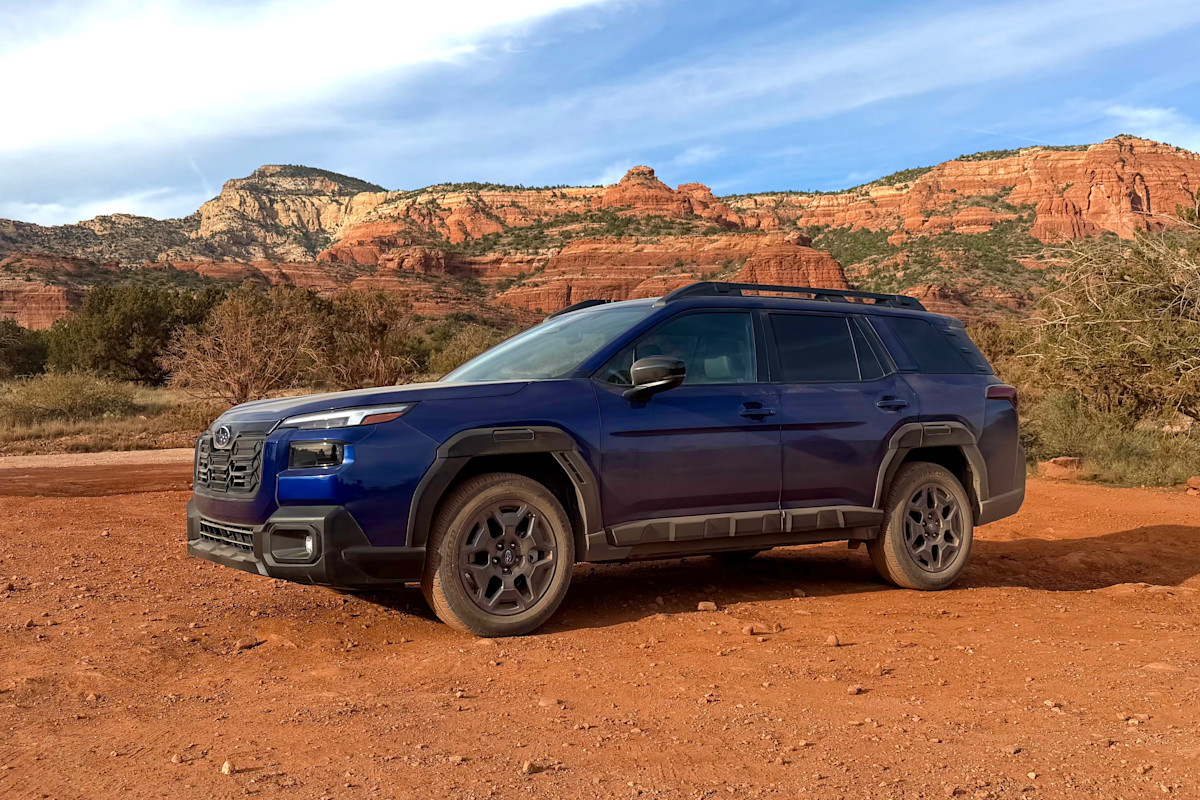
The redesigned 2026 Subaru Outback confidently embraces a new, more SUV-like identity with a blockier, upright design that gives it a commanding visual presence. Despite looking bigger, it retains the practical advantages of its wagon predecessors, delivering a driving experience that’s as impressive off-road as it is comfortable on pavement. The Outback feels composed and confident on the highway, soaking up road flaws for a smooth ride. We were pleasantly surprised by the standard 180-horsepower engine, which feels responsive and more than adequate for most drivers, though a 260-hp turbocharged option is available. With 8.7 inches of ground clearance and an easy-to-use X-Mode for improved traction, it’s ready for adventure right out of the box.
Inside, the redesign yields a more spacious cabin that now qualifies as a midsize SUV, with an abundance of legroom for rear passengers. It’s clear Subaru pays close attention to its customers, with numerous thoughtful enhancements like cupholders that can hold mugs with handles, door pockets big enough for 32-ounce flasks, and a cavernous cargo area that expands to 80.5 cubic feet. One of the most novel additions is a multifunction cargo cover that can be reconfigured as a partition or pet gate. The interior also gets a tech-forward update with a new digital instrument panel and a large, responsive infotainment touchscreen. Best of all, physical knobs and buttons for the climate controls have been reintroduced for easy, glove-friendly use.
Subaru continues its commitment to safety by equipping every Outback with its comprehensive EyeSight suite of driver-assistance features, including adaptive cruise control and blind-spot monitoring. In terms of value, we found no notable flaws, making this crossover a top choice. The new entry-level Premium trim, starting around $36,445, is so well-equipped that it will easily please the majority of shoppers. It delivers an excellent balance of price, performance, and practicality that keeps it at the head of the pack for adventure-bound buyers.
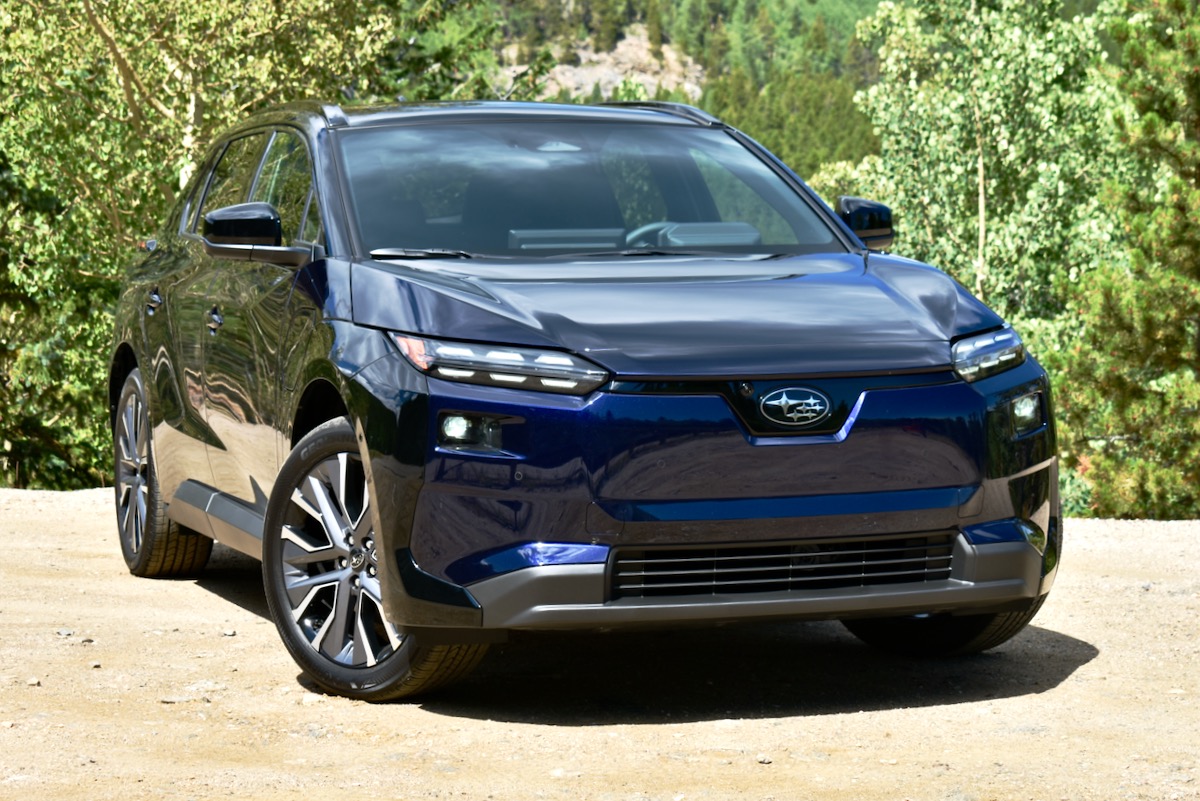
The 2026 Subaru Solterra receives numerous updates that make it a much-improved electric vehicle, though it still faces stiff competition. A fresh front-end design with new headlights and a revised grille gives this EV a distinct look that separates it from its Toyota bZ twin, but the rear styling is unchanged. Inside, the cabin remains one of the quirkiest on the market, featuring an oddly shaped steering wheel, a distant instrument cluster, and no glovebox. All-wheel drive remains standard, and power gets a bump to 233 horsepower, with new XT models offering a potent 338 hp for a sub-five-second 0-to-60 mph time. While the acceleration will feel quick to EV newcomers, the Solterra’s heavy steering and aggressive traction control mean it's not the car for sideways antics. Instead, its true strength is refinement; changes under the skin deliver a remarkably quiet cabin and a comfortable ride that soaks up harsh, cratered roads without disturbing passengers.
Practicality is reasonable but not class-leading. The Solterra offers less rear-seat legroom and cargo space than most rivals, though folding the rear seats opens up a competitive 63.5 cubic feet of room. Technology sees a major upgrade with a 14-inch touchscreen and wireless Apple CarPlay and Android Auto now standard across all trims. For 2026, this crossover also addresses key EV concerns with an improved estimated range of up to 288 miles and a switch to Tesla’s NACS port for faster charging. However, it still charges slower than key competitors from Hyundai and Kia, and rivals like the Chevrolet Equinox EV may offer more range for less money. Ultimately, the Solterra’s improvements will likely appeal most to loyal Subaru customers looking to go electric, while brand-agnostic shoppers might want to consider other options.
The all-new 2026 Subaru Trailseeker is a purpose-built electric wagon that fully embraces the brand’s outdoor identity. As the quickest production Subaru ever sold in the US, its standard dual-motor all-wheel-drive system delivers 375 horsepower for a brisk 0-to-60-mph time of 4.4 seconds. The power is immediate and linear, but the driving experience is defined by more than just speed. The Trailseeker’s steering is direct and well-weighted—a refreshing quality in an EV—and makes it genuinely enjoyable to drive with enthusiasm. Its off-road-tuned AWD system, complete with X-Mode traction management, provides legitimate capability on the trail, while the suspension delivers a beautifully smooth ride on pavement. With a real-world driving range of approximately 276 miles and access to the Tesla Supercharger network, this wagon is as capable on a road trip as it is on a dirt road.
Inside its unapologetically Subaru-styled body, the Trailseeker is impressively practical. The wagon proportions yield a generous 31.3 cubic feet of cargo space, comparable to a midsize SUV, which expands to 74 cubic feet with the rear seats folded. Higher trims include a useful 120-volt outlet in the cargo area, and a 3,500-pound tow rating adds versatility. The cabin is logically organized and features a large, responsive 14-inch touchscreen with standard wireless Apple CarPlay and Android Auto. While some hard plastics are noticeable, the list of standard safety features is extensive across all trims. The Trailseeker makes its strongest case on value, with a starting price that significantly undercuts its platform-mate, the Toyota bZ Woodland. Shoppers should be aware, however, that several advanced tech features, including navigation and hands-free driving assist, require a subscription.
The 2026 Subaru Uncharted is the EV you choose for the joy of the drive, not for maximum utility. As the smallest and most affordable entry in Subaru’s electric lineup, this Crosstrek-sized crossover prioritizes driving engagement with its sleek fastback silhouette and sharp, put-together look. That sloping roofline looks great, but it comes at a cost to practicality, resulting in a tight rear seat and modest cargo capacity compared to its larger siblings, the Trailseeker and Solterra. Inside, the cabin feels well-built and thoughtful, with soft-touch materials up high and a large 14-inch standard touchscreen, though it leans more practical than luxurious. The Uncharted is for the buyer who is willing to trade some interior space for a striking design and excellent road manners.
While a base Premium trim offers a 221-horsepower front-wheel-drive (FWD) setup, the real story is the dual-motor all-wheel-drive (AWD) system in the Sport and GT trims, which delivers a potent 338 horsepower. This powertrain provides the immediate shove characteristic of modern EVs, but pairs it with something many rivals lack: excellent steering that feels direct, predictable, and linear. Combined with a chassis tuned for stability and grip, the Uncharted feels nimble and confident through corners. A full suite of EyeSight driver-assistance features comes standard on all models, with advanced tech like a 360-degree camera and low-speed hands-free driving available on upper trims.
With a starting price of $36,445, the Uncharted presents a compelling package, but the Sport trim at $41,245 is the clear sweet spot. It delivers the powerful AWD system, a well-equipped cabin with StarTex upholstery and a heated steering wheel, and upgraded safety tech at a competitive price. The GT adds luxuries like a panoramic glass roof and a Harman Kardon sound system for an additional $4,000. With an estimated range of up to 308 miles for the FWD model and fast-charging that can replenish the battery from 10 to 80 percent in about 28 minutes, the Uncharted has the performance and character to stand out in a crowded field.
Sometimes our content pages are the result of a team effort. As with all CarGurus editorial, you can expect high levels of automotive insight and expertise delivered in a style that is approachable and free from jargon.
The content above is for informational purposes only and should be independently verified. Please see our Terms of Use for more details.