There will always be buyers who think carefully about which cars might become tomorrow's most coveted collectibles. Limited production runs, serious performance credentials, and historical significance all tend to factor into the equation, but predicting the future is a fool's errand. Who could have anticipated that the initially slow-selling BMW M3 of the late '80s would one day fetch prices well above its original sticker?
It's equally baffling when genuinely exceptional machines never quite achieve collector status—consider an early Audi R8 V8 paired with a six-speed manual, for instance. Perhaps its moment is still coming; they remain a legitimate bargain as we move through the mid-2020s.
Below is our curated list of potential future collector cars. We're deliberately sidestepping the usual candidates: the Chevy Corvette, Dodge Viper, and Ford Mustang. All three are celebrated performance icons, and the first two arguably qualify as outright supercars. Instead, our focus is on performance machines that everyday enthusiasts can realistically afford—cars that could also prove to be savvy investments as the years roll by.
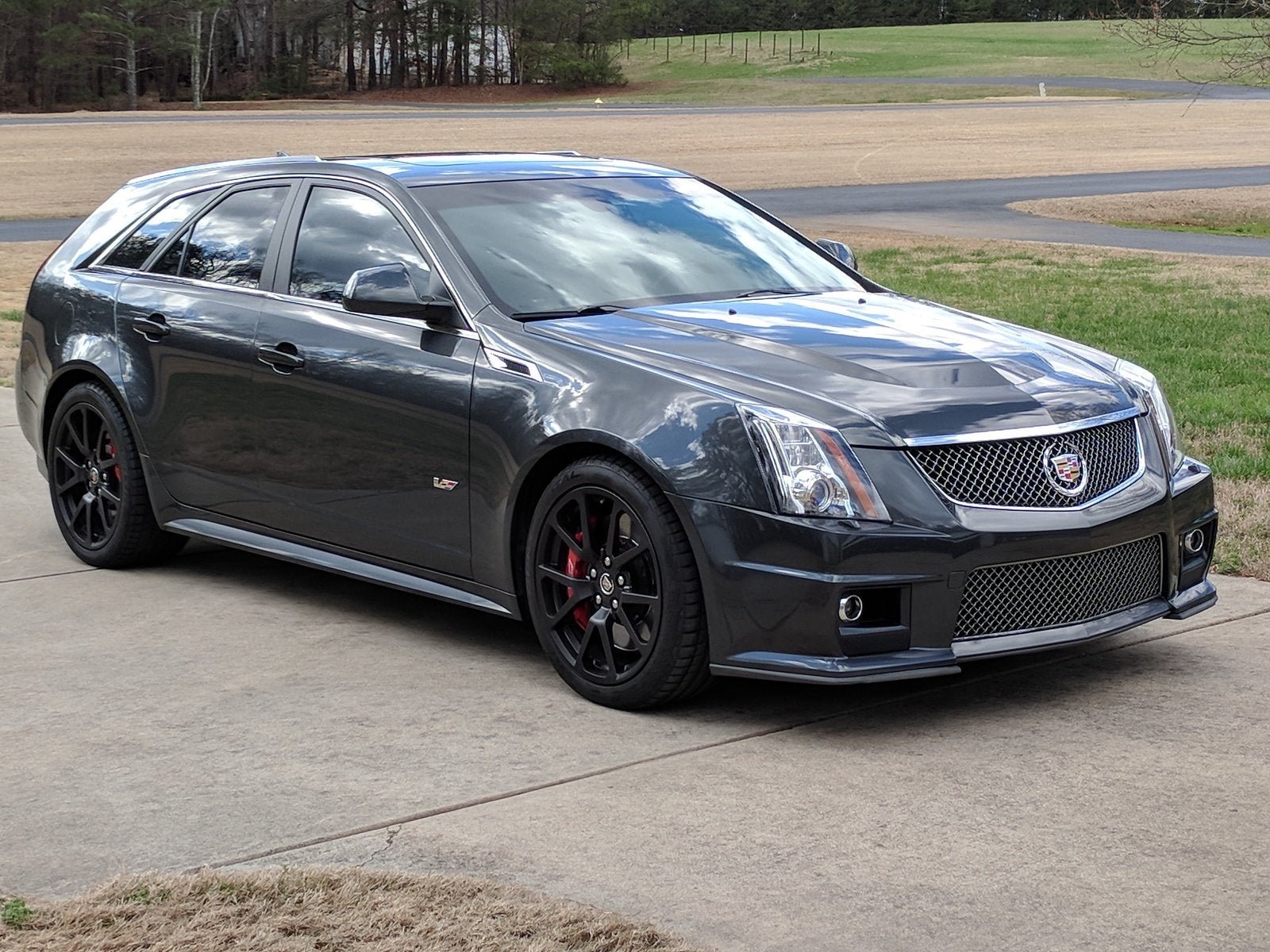
When the CTS-V wagon first hit showrooms, nearly every automotive journalist on the planet declared it the dawn of a bold new chapter—proof positive that an American luxury brand could build a sport wagon capable of embarrassing its German competitors. The catch was that the only people actually buying them were those same automotive journalists. The rest of America simply walked away. One can't help but wonder whether a Chevrolet badge on the tailgate might have changed the story entirely.
Let's go ahead and add "beloved by auto journalists" to our collectibility checklist alongside "limited production" and "horsepower," because history is littered with critically celebrated cars that almost nobody actually purchased. (See: the first-generation Nissan Sentra SE-R.)
All of that aside, the CTS-V wagon is a genuinely thrilling machine. There's something deeply satisfying about pulling up to a stoplight in what appears to be a sensible family hauler, then leaving a confused Subaru WRX owner staring at your taillights. Values on these cars have already bottomed out, and prices are quietly beginning their upward climb.
Dodge Durango SRT Hellcat/Jeep Grand Cherokee Trackhawk
Priced from: $85,000 to $95,000
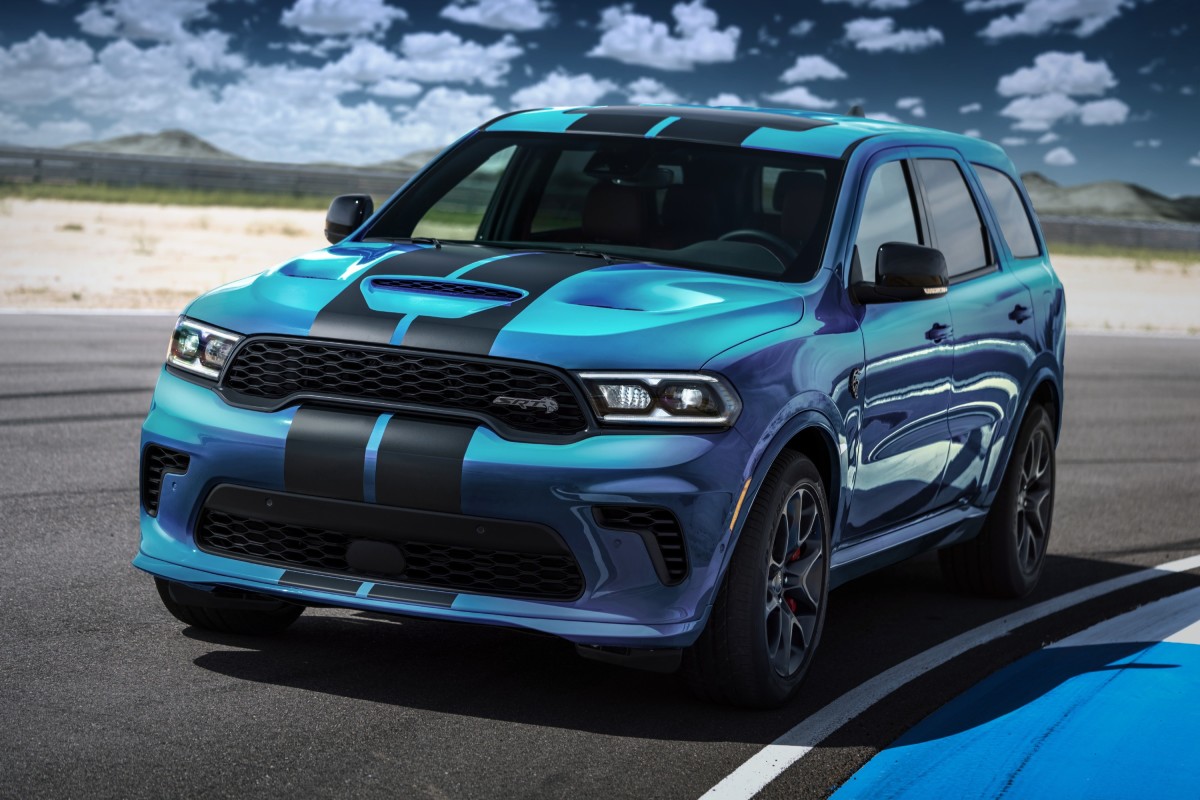
Consider this a two-for-one from the Mopar family. The Dodge Durango SRT Hellcat and the Jeep Grand Cherokee Trackhawk are, at their core, the same vehicle: a muscle car wearing family-friendly clothing. They share an identical platform, the same 707-horsepower supercharged Hellcat V8, and the same burly ZF 8HP eight-speed automatic transmission built to handle well north of 1,000 hp.
The real difference between the two is how many passengers you can terrify. The Jeep Trackhawk seats four unfortunate souls alongside the driver, while the Durango SRT Hellcat expands that terror to seven—yourself included. By any contemporary measure, these are extraordinary automobiles.
This pick stretches our limited-production rule a bit, since while Hellcats and Trackhawks aren't exactly commonplace, Chrysler/Jeep/Dodge/RAM famously embarked on a "Hellcat everything" campaign, stuffing the supercharged Hemi into virtually every vehicle in the lineup short of a Jeep Renegade. That will inevitably weigh on future values. But one thing is beyond dispute: for a very long time, there will always be enthusiastic buyers willing to pay handsomely for anything wearing that supercharged badge under the hood.
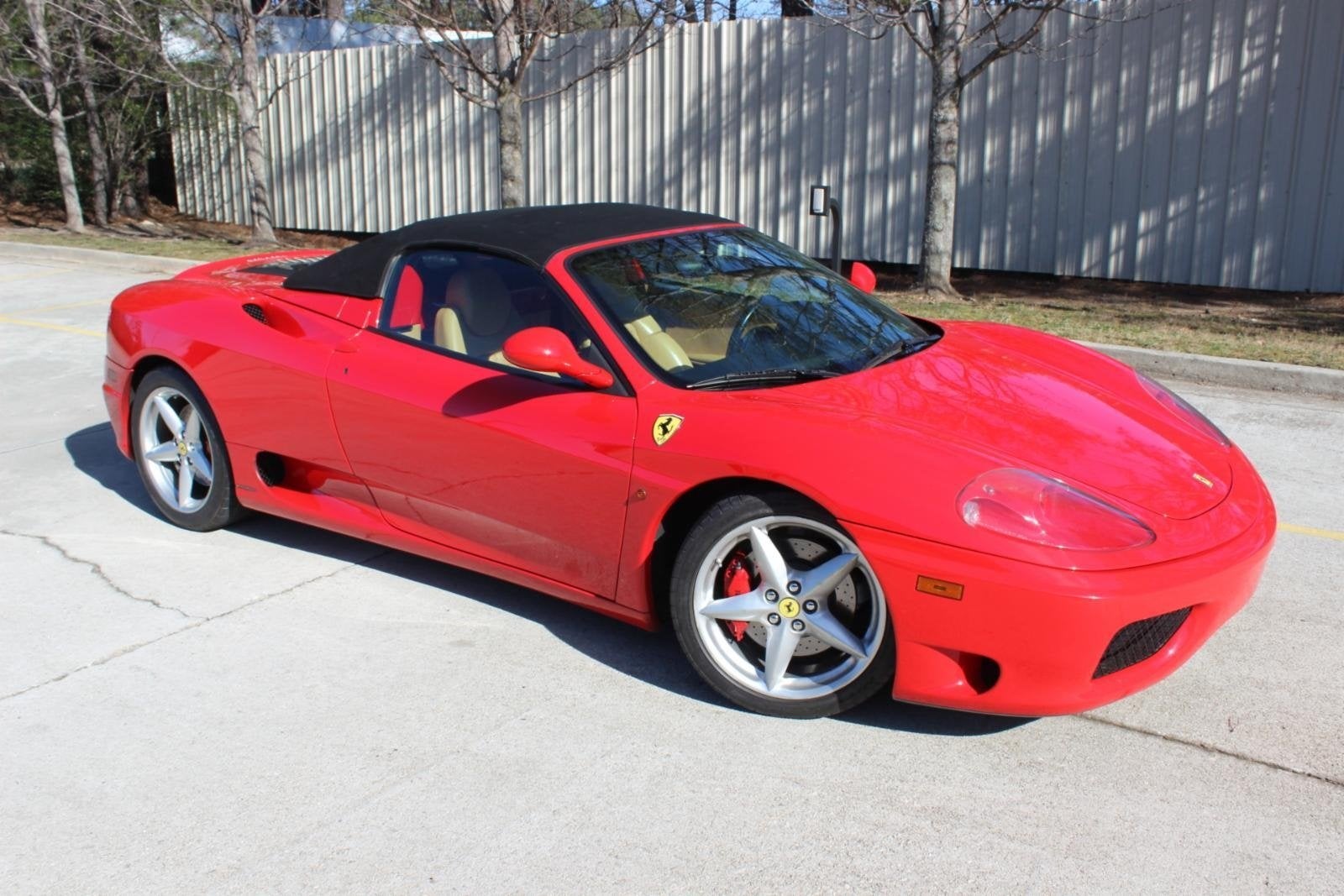
Yes, we said we'd sidestep cars that routinely appear on collectible lists—but this Italian thoroughbred is simply too compelling to ignore. The 360 Spider comes in at roughly half the price of the 360 Modena—which, granted, is a more dramatic car in coupe form—and it represents about as close as most of us will realistically ever get to genuine Ferrari ownership.
Enthusiasts have long played a version of this mental game: "For the price of a new [insert ordinary car here], you could own a Ferrari." There was a time when a new Camry's sticker price could get you behind the wheel of a 308GTI. Those days are firmly in the rearview mirror. Today, for the price of a well-equipped F-150, you can park a Ferrari 360 Spider in your garage.
As with several cars on this list, dramatic financial returns are unlikely—the entry price is simply too high for that. But these cars hold their value with remarkable tenacity, and as the years accumulate, that value continues to build much like a well-managed retirement account.
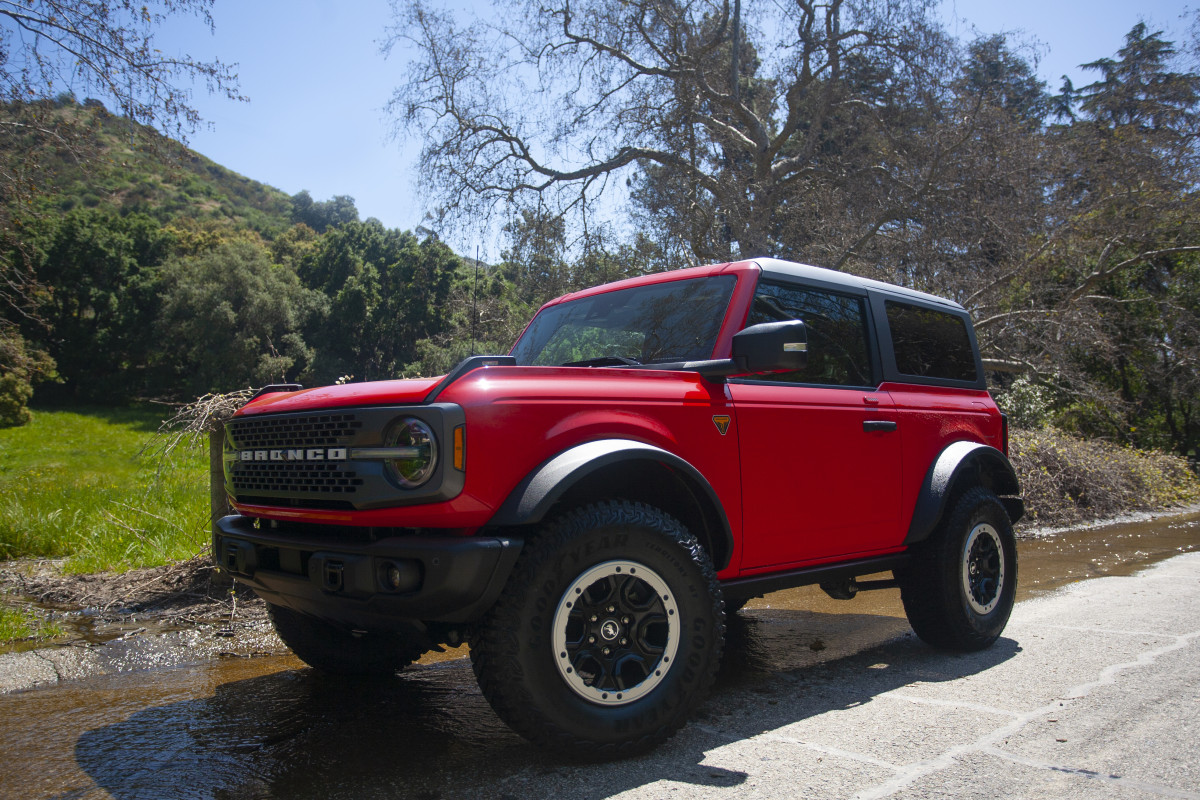
The current-generation Bronco hasn't been around all that long, yet its future collectibility already feels like a foregone conclusion. And there are plenty of good reasons to get into one sooner rather than later.
One of Ford's shrewdest moves was making the Sasquatch package available on even the base Bronco, without needing to climb to Wildtrak or Badlands trim levels. That package delivers serious off-road hardware that can genuinely rival a Wrangler Rubicon's capability—without demanding a $54,000 commitment to access it.
And if the trajectory of the Toyota FJ Cruiser taught us anything, it's that iconic off-roaders like the Bronco hold their value with remarkable stubbornness, regardless of how the sales numbers ultimately shake out.
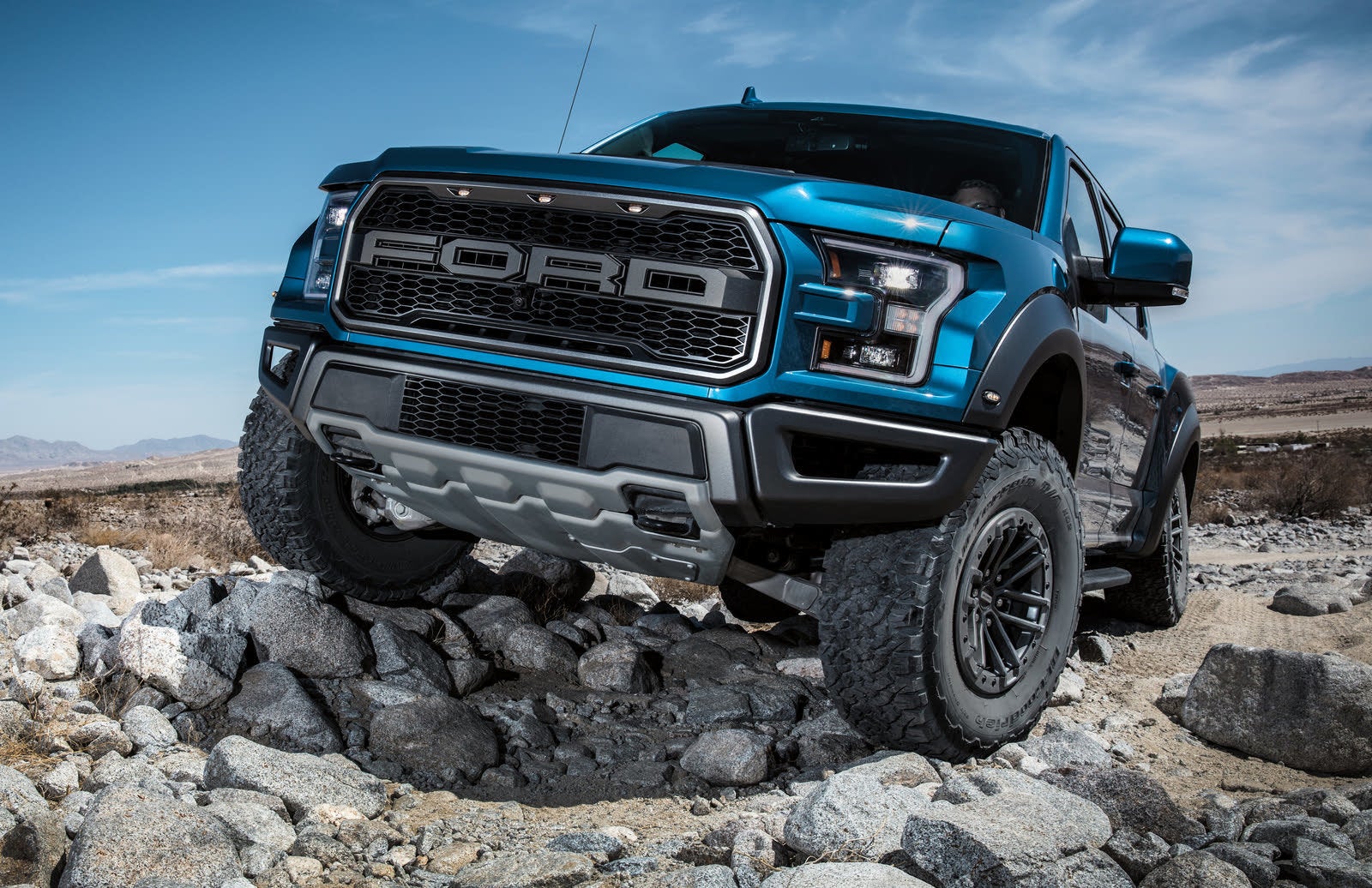
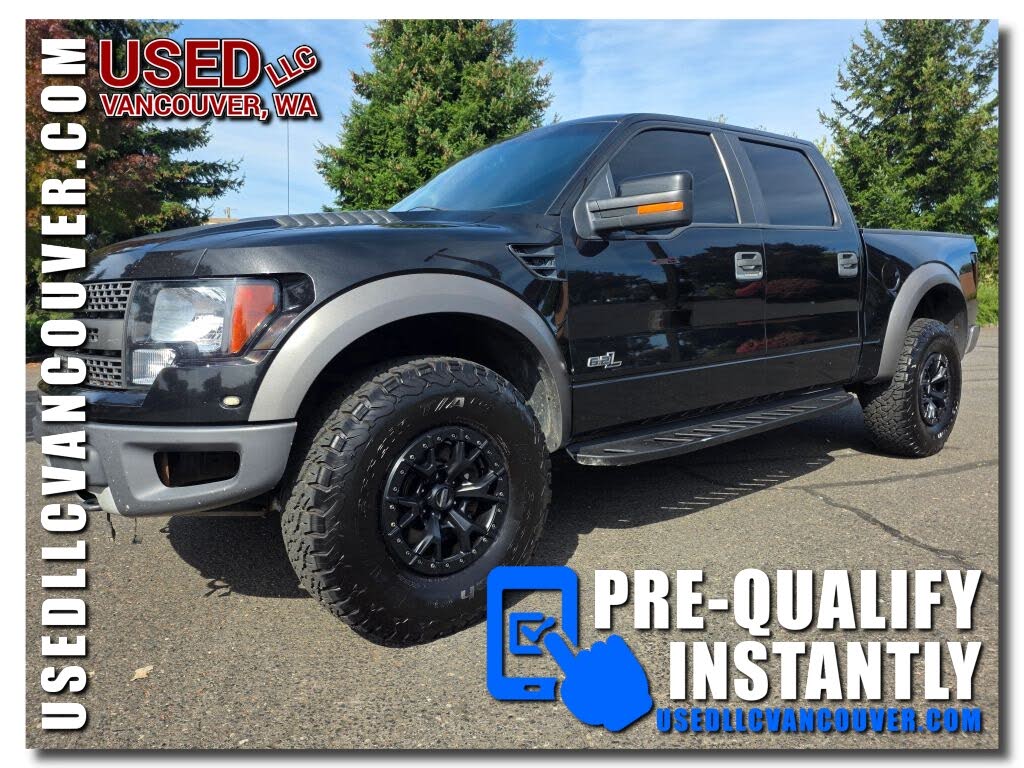
Our attention here falls primarily on the original, first-generation SVT Raptor, built across the 2010 to 2014 model years. Forecasting future collectibility is never a precise science, of course. Applying the standard "limited production" and "engine power" benchmarks, one might conclude the second-generation SVT Raptor is the smarter long-term play—it produces 450 horsepower versus the first-gen's 411, and annual production figures have generally been lower.
But here's the thing: we're talking about trucks. And in truck culture, few things carry more street credibility than a big, naturally aspirated V8. Boasting about a turbocharged V6 when the guy next to you is running a 6.2-liter Boss V8 just doesn't land the same way. That said, the SVT Raptor commands a fiercely loyal following no matter what's under the hood. It makes a statement wherever it goes—whether you're talking the six or the eight, Supercab or Super Crew. As always, mileage and overall condition will be the primary drivers of real-world value.
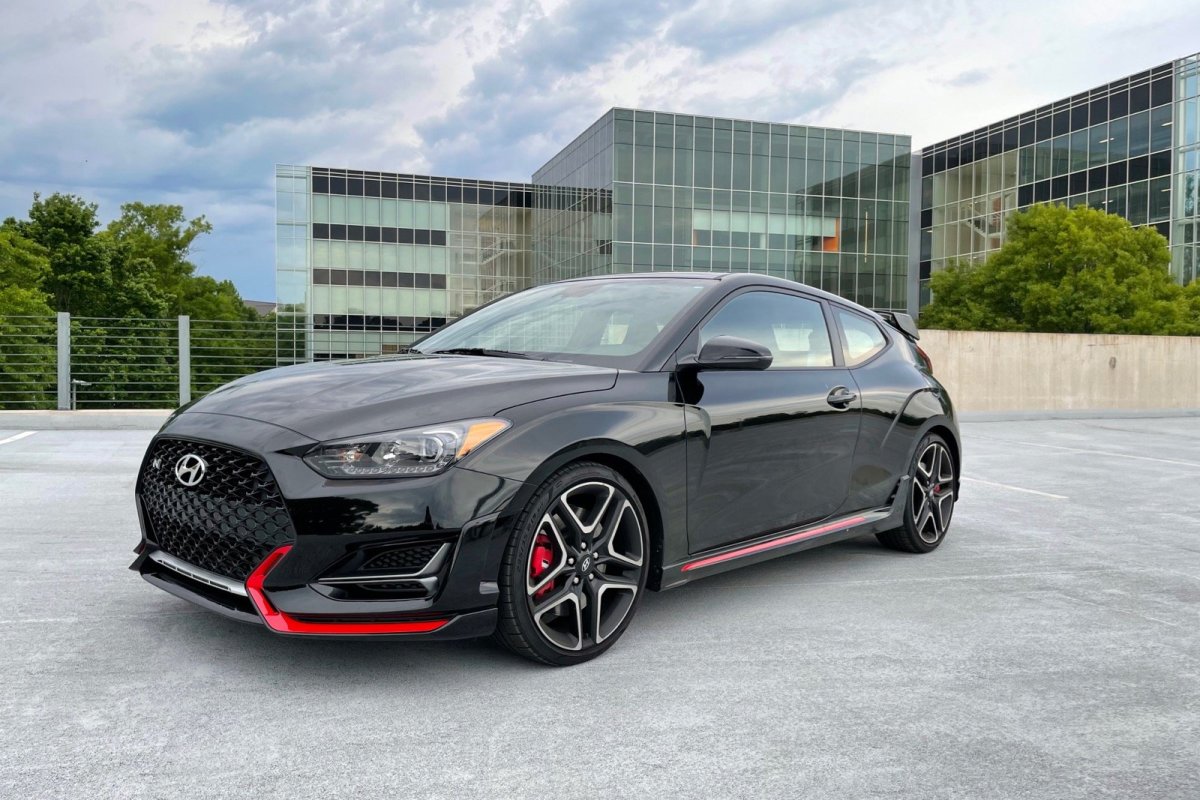
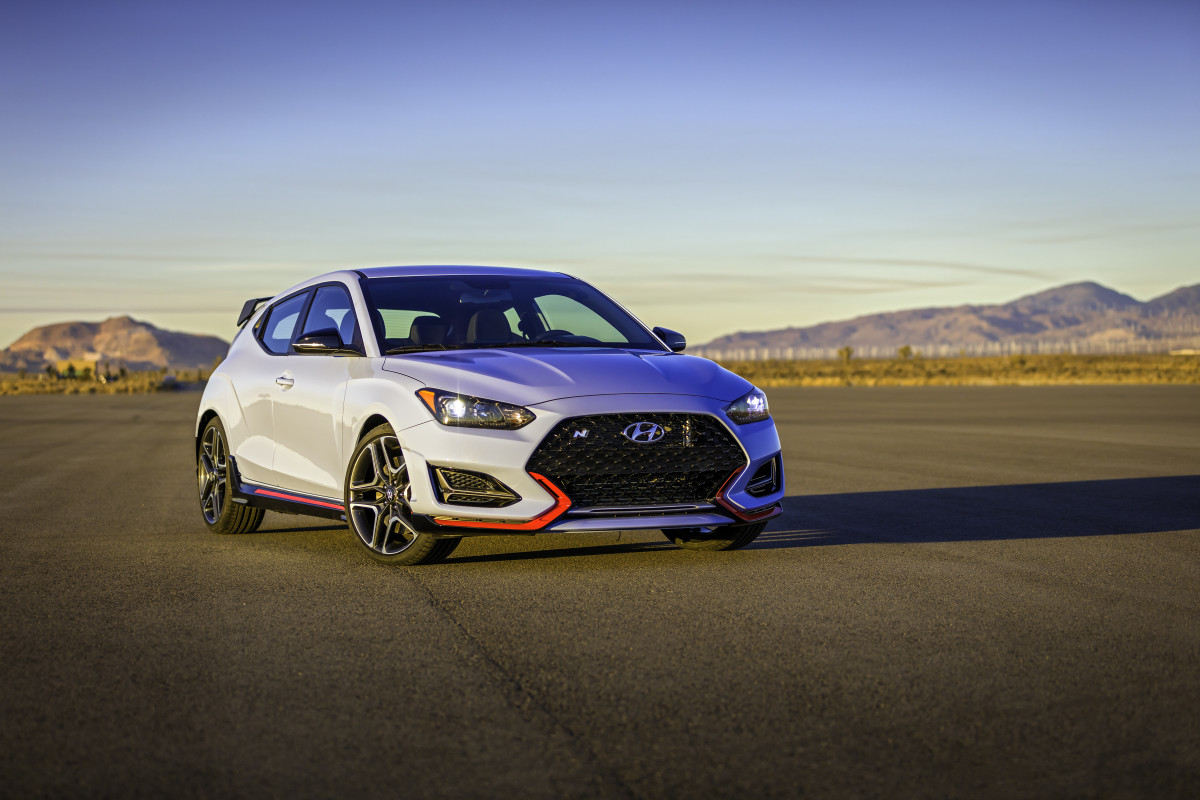
This is the second time we've invoked the first-gen Nissan Sentra SE-R: it was a sensational little car that delivered far more driving joy than its spec sheet had any right to promise. The Veloster N follows that same blueprint almost to the letter—and it also holds the distinction of being the first genuinely exciting sport compact from Asia that isn't Japanese.
"Hold on," you might be thinking. "Are you seriously suggesting a Korean car is going to become a collectible?" Yes, that's precisely what we're saying. The Veloster N has flown under the radar for far too long. On paper, it doesn't always stack up against class rivals like the Honda Civic Type R. But in practice, it adheres to a purer hot hatch philosophy than almost anything produced in the past two decades. It's equally at home on a full track day as it is dominating an autocross layout. Light weight, excellent balance, a willing turbocharged four-cylinder, and a limited-slip differential combined to make it one of the most entertaining cars we drove in the year it debuted.
You probably won't get rich owning a front-wheel-drive Veloster N. It has been out of production for some time now, but we're confident that serious driving enthusiasts will be paying real money for a clean example before too long.
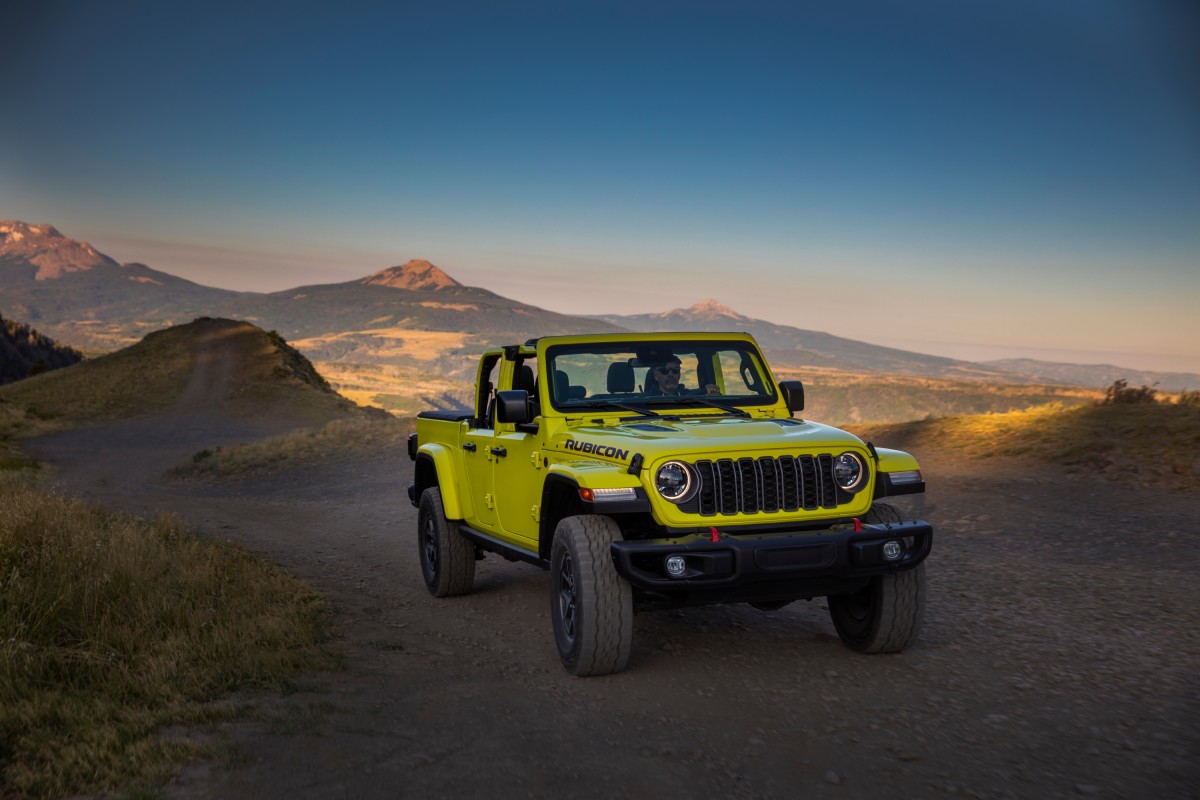
We're including the Gladiator because it has the hallmarks of a vehicle that could genuinely appreciate in value—just not on any near-term timeline. If you're hoping to outperform the S&P 500 with a Gladiator purchase, you're playing an extremely long game. These trucks won't be commanding collector premiums this year, next year, or even a decade from now. But at some point further down the road, certain variants are going to attract serious attention and serious money.
Look no further than the Jeep CJ-8 Scrambler to understand where this is headed, because the Gladiator's story is tracking remarkably close to that one. When Jeep launched the Scrambler in 1981, it posted one strong year of sales before trucks began collecting dust on dealer lots. The Gladiator has followed a nearly identical arc—a strong debut, followed by model years where Jeep has had to work considerably harder to move inventory.
Here's a bold prediction: the Gladiator likely has just one generation in it before Jeep moves on. Single-generation vehicles with a devoted niche following are practically tailor-made for future classic status. Just don't expect the base Sport trim to command much of a premium. The off-road-focused Rubicon is the one to watch, and a six-speed manual transmission is well worth seeking out.
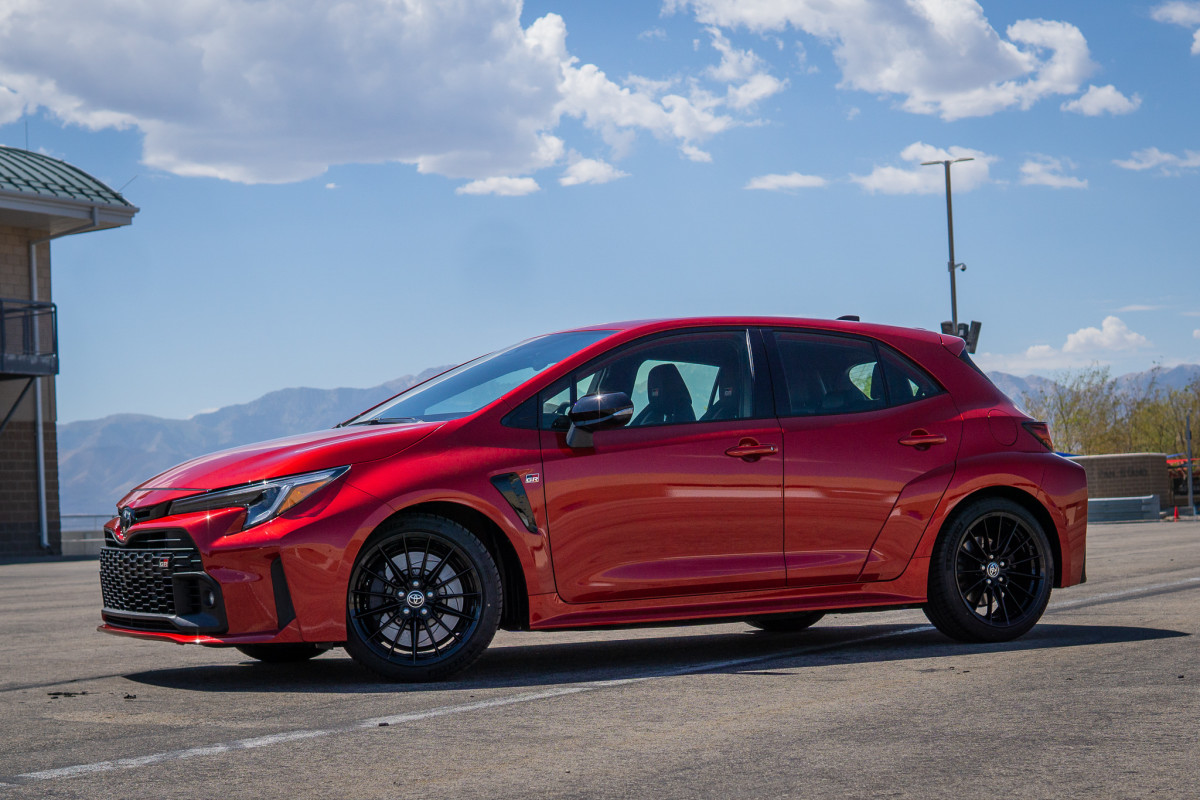
The Toyota Corolla is one of the best-selling vehicles in the history of the automobile. A pillar of the "transportation as appliance" school of thought, it earns consistent praise for its reliability and affordability while simultaneously being dismissed as thoroughly uninspiring. The standard Corolla, then, has no business appearing on any future classics list.
The Toyota GR Corolla, however, is an entirely different animal. Those two letters—"GR"—make clear immediately that this is no ordinary economy car. Introduced for the 2023 model year, the GR Corolla arrives with all-wheel drive, a manual transmission (though an automatic became available in 2025), and a 1.6-liter turbocharged three-cylinder engine producing 300 horsepower and 273 pound-feet of torque, along with a sophisticated differential capable of directing 70 percent of that power to the rear axle.
Unlike its sensible siblings, the GR Corolla is built in genuinely limited numbers. Fewer than 6,000 were sold in its debut year, and the special limited-run Morizo Edition is the rarest of the bunch. Even without a Morizo badge, any GR Corolla makes a strong case for future collectibility—and every single one is guaranteed to put a grin on your face in the process.
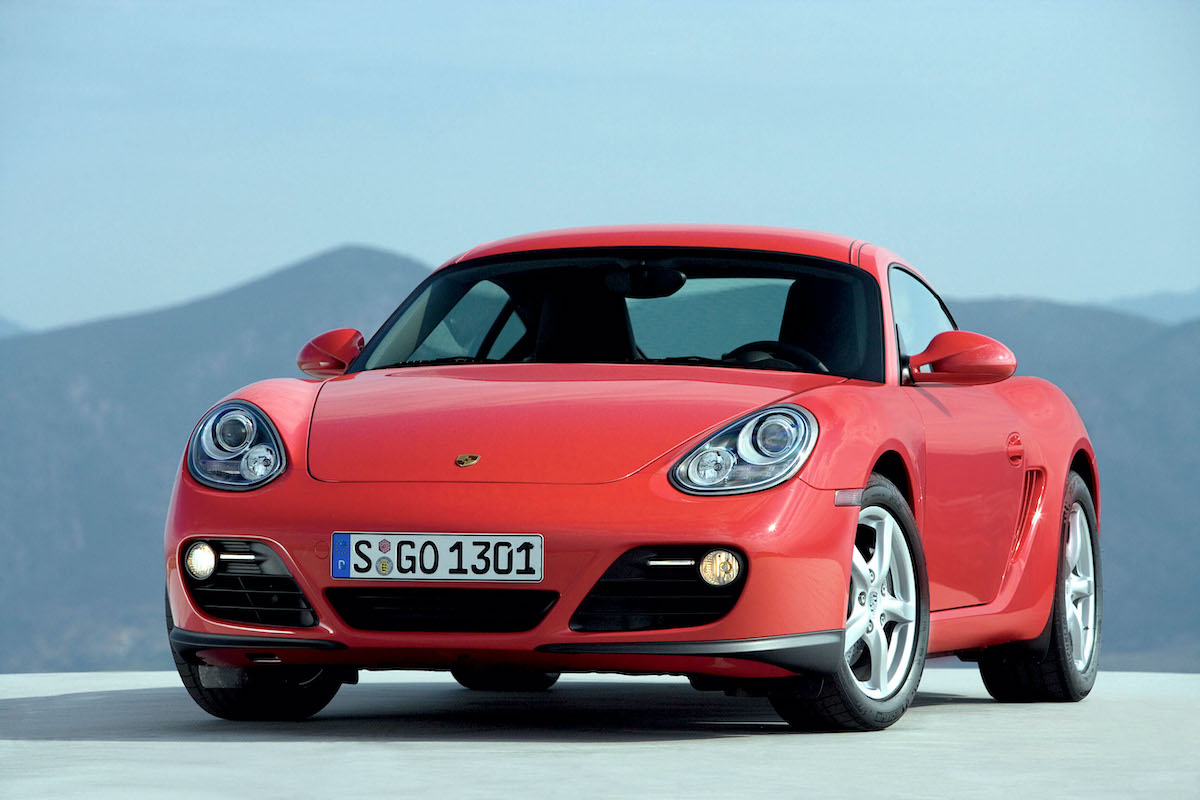
When early Porsche 911s were beginning to appreciate around 2005, enthusiasts could be heard saying things like, "You can still get into an affordable early 911—it might come with a dodgy Sportomatic gearbox and a bit of rust, but it won't cost a fortune."
The Cayman/Boxster twins have long occupied an uneasy position within the Porsche lineup—the brand's perennial underdogs, kept deliberately in check so the 911 can retain its crown. But these are beautifully engineered, genuinely thrilling sports cars that look every bit as good as they drive. In many ways, they're actually truer to the original 911 design philosophy than the current 911 itself—they're compact in a way the bloated modern 911 simply no longer is. And when the broader market eventually catches on, the prices will follow.
Right now, the 987.1-generation Cayman S is essentially a three-quarter-scale Porsche 911 at a fraction of the price. It offers hydraulic steering, finely calibrated chassis dynamics, and a characterful 3.4-liter flat-six mounted directly behind the driver. Around $25,000 will get you into a surprisingly well-maintained example—but make sure you have comprehensive service records and commit to looking after it properly. These are becoming genuinely old cars now, and neglect can lead to expensive consequences, including engine cylinder damage and cooling system failures.
WRX sedans are plentiful enough and easy to find at reasonable prices. What's considerably harder to track down is a WRX hatchback—whether in standard WRX or the quicker STI configuration. The STI naturally commands a premium, but the base WRX hatch is no less desirable among collectors who appreciate what these cars represent as genuine hot hatches.
Like the Solstice Coupe, there aren't many hatchbacks in history that anyone would seriously call "collectible," but this one absolutely earns that label. Compared to an equivalent WRX sedan, expect to pay a meaningful premium for the hatch, particularly for examples with fewer than 80,000 miles on the clock. Push your threshold to 120,000 miles or beyond, and you can likely find one for under $12,000.
These are explosively entertaining cars that also happen to be genuinely practical. Fuel economy isn't their strong suit—full-time all-wheel drive takes care of that—but they're outstanding year-round companions, whether you're commuting, exploring unpaved back roads, or putting in laps at a track day.
Future classic status typically comes down to a combination of limited production numbers, strong performance credentials, and historical significance — though predicting which cars will actually appreciate is far from an exact science. A devoted enthusiast following, critical acclaim from automotive journalists, and the simple fact that a car was genuinely fun and distinctive to drive in its era all tend to factor in as well.
Which affordable cars today have the best chance of becoming collectibles?
Among the most promising candidates are the Toyota GR Corolla, Hyundai Veloster N, and Subaru WRX hatchback — all attainable performance cars with the kind of driver-focused credentials that tend to age well. The GR Corolla stands out in particular, with fewer than 6,000 sold in its debut year, while clean WRX hatchbacks are already commanding premiums over their sedan counterparts.
Is the Porsche Cayman S a good used sports car buy right now?
The 987.1-generation Cayman S is one of the more compelling used sports car values on the market, with solid examples available for around $25,000. It offers hydraulic steering, a characterful 3.4-liter flat-six, and chassis dynamics that many argue are truer to the original Porsche sports car philosophy than the current 911 — just be sure to verify thorough service records, as aging cooling systems and engine issues can lead to costly repairs if the car has been neglected.
Which future classic trucks or SUVs are worth buying now?
The Ford Bronco, Jeep Gladiator Rubicon, and Dodge Durango SRT Hellcat all stand out as trucks and SUVs with genuine future collectible potential. The Bronco benefits from the same iconic off-roader appeal that kept Toyota FJ Cruiser values strong, while the Gladiator — particularly in Rubicon trim with a six-speed manual — mirrors the sales arc of the now-desirable Jeep CJ-8 Scrambler.
What Makes CarGurus Best Cars Guides Different?
Most car-shopping websites publish lists of the best cars across a variety of categories, with recommendations generally driven by editorial expertise. Here's what makes ours different: In addition to the insights and verdicts of our team of car-testing experts, our best cars guides take into account other factors that we know matter to buyers-real owner experiences and current market value.
Our expert reviewers are among this country's most trusted automotive journalists, also writing for publications including US News and World Report, Edmunds, Digital Trends, J.D. Power, and Car & Driver. They put each car through real-world testing and create detailed reviews of performance in a range of categories, from practicality and driving manners to cost-effectiveness and safety.
We also analyze hundreds of thousands of used car listings on CarGurus.com to track which models consistently offer the highest percentage of best deals relative to how many are listed for sale. Then we factor in reviews from owners-people who actually live with these cars every day. Our proprietary Best Cars algorithm then creates a final Overall CarGurus rating combining expert scores, user reviews, and the percentage of listings that have earned the Good or Great Deal rating. This multi-pronged approach reveals not just which cars excel on paper, but which ones deliver satisfaction and value when you're ready to buy.
The CarGurus market data used in this guide was last updated in July 2026. Values were accurate at time of publication and should be used as a guide only.
Sometimes our content pages are the result of a team effort. As with all CarGurus editorial, you can expect high levels of automotive insight and expertise delivered in a style that is approachable and free from jargon.
The content above is for informational purposes only and should be independently verified. Please see our Terms of Use for more details.