What is a Good Price for a Used Escape in Philadelphia?
Used Escapes in Philadelphia average $15,118 — a 12.7% discount versus the national average of $17,327. That’s roughly $2,200 in savings, making Philly one of the more favorable markets for Escape buyers.
Price by Model Year in Philadelphia
The Escape spans four generations on the used market, but local inventory concentrates on the fourth generation (2020–present) and third generation (2013–2019). The fourth generation introduced hybrid and plug-in hybrid options alongside updated turbocharged engines, while the third generation offers budget-friendly pricing with some reliability caveats on early models.
| Model Year | Philadelphia Avg. Price | National Avg. Price | Philadelphia Avg. Mileage | Inventory Share |
|---|
| 2026 | $33,138 | $28,823 | 4,147 miles | 23% |
| 2025 | $24,305 | $24,892 | 21,738 miles | 48% |
| 2024 | $20,920 | $23,528 | 42,762 miles | 72% |
| 2023 | $22,566 | $23,496 | 27,194 miles | 38% |
| 2022 | $21,975 | $20,734 | 36,803 miles | 68% |
| 2021 | $17,157 | $17,178 | 60,063 miles | 62% |
| 2020 | $14,579 | $15,516 | 79,703 miles | 49% |
| 2019 | $13,542 | $13,530 | 81,893 miles | 67% |
| 2018 | $12,469 | $11,713 | 83,652 miles | 78% |
| 2017 | $10,502 | $10,583 | 96,186 miles | 69% |
| 2016 | $8,607 | $9,454 | 112,110 miles | 49% |
| 2015 | $8,688 | $8,657 | 111,113 miles | 32% |
| 2014 | $7,937 | $8,164 | 116,117 miles | 30% |
Fourth Generation (2020–2026): $14,579–$33,138
The current-generation Escape introduced Ford’s most diverse powertrain lineup yet — turbocharged gas, conventional hybrid, and plug-in hybrid options. The 2024 model year stands out in Philadelphia with an 11.1% discount versus national pricing ($20,920 vs. $23,528) and strong local inventory at 72% share. The 2025 at $24,305 offers a modest 2.4% discount with lower mileage at 21,738 miles. The 2026 is an outlier — Philadelphia pricing runs 15.0% above national at $33,138, reflecting limited early supply.
Third Generation, Late Models (2017–2019): $10,502–$13,542
The sweet spot for budget-conscious buyers who want reliability without the risks of earlier third-gen models. The 2019 at $13,542 is the final and most refined year of this generation, with the lowest complaint rates and a J.D. Power reliability score of 86/100. The 2017 at $10,502 offers similar reliability credentials at a lower price point, with a modest Philadelphia discount. Both years represent the best the third generation has to offer.
Third Generation, Early Models (2014–2016): $7,937–$8,688
Prices below $9,000 look attractive, but these years carry significant reliability baggage. The 2014 in particular suffered from well-documented transmission failures averaging $4,500 to repair at around 70,000 miles, and the 2013–2014 models accumulated 15–17 recalls each. The 2016 at $8,607 shows a meaningful 9.0% Philadelphia discount and represents the safer end of this price tier, but buyers should budget for a thorough pre-purchase inspection.
Understanding the Philadelphia Price Advantage
Strong buyer leverage: Philadelphia’s 12.7% average discount over national pricing reflects the region’s competitive dealer landscape and high inventory volume. With 510 active listings, buyers have genuine negotiating power.
Deal quality stands out: Philadelphia’s 52% Good and Great Deal rate versus 33% nationally is the most striking local advantage. This means more than half of local Escape listings are priced below market expectations — a rate that significantly outperforms the national market.
Regional considerations: Philadelphia’s freeze-thaw winters, road salt, and pothole-heavy roads are worth factoring into any used Escape purchase. Second-generation models (2008–2012) are particularly prone to underbody corrosion, and even newer models should be inspected for rust and suspension wear. The upside: Philadelphia’s dense dealer market means competitive pricing on service and repairs.
Comparable mileage, better pricing: Philadelphia Escape inventory averages 75,898 miles versus 74,848 nationally — a negligible 1.4% difference. You’re getting the price discount without meaningfully higher-wear vehicles.
Good and Great Deals in Philadelphia
52% of Philadelphia Escape listings qualify as Good or Great Deals — dramatically better than the national average of 33%. This 19-percentage-point advantage is among the strongest local deal quality margins for any compact SUV.
| Deal Rating | Philadelphia Percentage | National Percentage |
|---|
| Great Deals | 10% | 9% |
| Good Deals | 42% | 25% |
Philadelphia’s Good Deal rate of 42% is the standout figure — nearly double the national 25%. The 2024 model year shows a particularly strong 11.1% local discount, and the 2016 offers a 9.0% advantage for budget shoppers. The 2020 at $14,579 (6.0% below national) also represents solid value as an entry point into the fourth generation.
What is the Most Reliable Used Escape in Philadelphia?
The Ford Escape’s reliability record is genuinely uneven — more so than most compact SUVs. No Escape model year has ever exceeded a 40 out of 100 reliability score from Consumer Reports, and the difference between the best and worst years is dramatic. Understanding which eras to target (and which to avoid entirely) is critical for Philadelphia buyers navigating a market with 13 model years of inventory.
Most Reliable by Era
Third Generation, Late Models (2017–2019):
The most reliable era for buyers with a realistic budget. By 2017, Ford had resolved most of the catastrophic issues that plagued early third-gen models. The 2017 earned a J.D. Power quality and reliability score of 86/100 with only two recalls issued. The 2019 — the final third-gen year — is even stronger: just 279 NHTSA complaints (the lowest of any Escape from the first three generations), a J.D. Power reliability score of 86/100, and only 25 complaints on CarComplaints. Philadelphia inventory for 2017–2019 models averages 81,893–96,186 miles, which is within the range where these engines and transmissions have proven durable.
Fourth Generation, Recent Models (2024–2025):
The newest Escapes show the most promising reliability indicators of any generation. The 2025 earned the highest J.D. Power rating of any fourth-gen model at 85/100, and complaint volumes have dropped significantly compared to the 2020–2021 launch years. Philadelphia’s 2024 inventory averages 42,762 miles at $20,920 — relatively low mileage for a meaningful discount. These models benefit from Ford’s switch to a conventional 8-speed automatic (no more dual-clutch transmission) and refined EcoBoost engines.
Fourth Generation, Early Models (2020–2021):
Approach with caution. The 2020 launched with multiple recalls for faulty powertrain components that posed fire hazards, including cracked fuel injectors recalled twice between 2022 and 2025. The 2021 is worse — Consumer Reports gave it a reliability score of just 5 out of 100, with structural complaints making up roughly one-third of the 270 NHTSA complaints already filed. At $14,579–$17,157 in Philadelphia, the prices are tempting, but the reliability risk is real.
Third Generation, Early Models (2013–2016):
The least reliable Escape era. The 2013 is widely considered the worst Escape ever produced: 2,600+ NHTSA complaints, 477 CarComplaints entries, 17 recalls, and a J.D. Power reliability score of just 68/100 — the lowest of any Escape. The 2014 isn’t much better, with transmission failure at around 70,000 miles costing an average of $4,500 to repair. Coolant intrusion into the engine caused misfires, overheating, and complete engine failure on 2013–2014 models. Fuel injector cracking created actual fire risks. In Philadelphia’s budget tier ($7,937–$8,688), these models look affordable but carry serious mechanical risk.
Key Improvements by Model Year — Fourth Generation
Key Improvements by Model Year — Fourth Generation (2020–2026)| Model Year | Key Improvements |
|---|
| 2020 | All-new fourth generation; new 1.5L three-cylinder and 2.0L four-cylinder turbo engines; first hybrid and plug-in hybrid Escape; 8-speed automatic replaces dual-clutch |
| 2021 | Minor updates; reliability issues persisted from launch year |
| 2023 | Mid-cycle refresh with updated exterior styling; improved Ford SYNC infotainment; wireless Android Auto and Apple CarPlay standard |
| 2024 | Continued refinement; recall volumes and complaint rates declined significantly |
| 2025 | Highest J.D. Power rating of the generation (85/100); improved build quality |
Compact SUV-Specific Reliability Considerations
Transmission durability:
The third-generation Escape’s dual-clutch "Powershift" automatic transmission is one of the most documented reliability failures in recent Ford history. Rough shifting, hesitation, and complete failure were widespread — Ford paid millions in settlements over the issue. The fourth generation’s conventional 8-speed automatic is a significant improvement, though early reviewers note it can still shift abruptly. Philadelphia’s stop-and-go commutes on I-76 and I-95 put extra stress on transmissions, making this a critical inspection point.
EcoBoost engine longevity:
Ford’s turbocharged EcoBoost engines deliver good power but require attentive maintenance. Coolant intrusion was a serious issue on 2013–2014 models (1.6L turbo), and fuel injector cracking has prompted multiple recalls on fourth-gen models. On well-maintained examples, the 1.5L and 2.0L EcoBoost engines are generally durable past 100,000 miles, but skipped oil changes and neglected coolant service accelerate wear.
Hybrid battery health:
Fourth-gen Escape hybrids and plug-in hybrids use lithium-ion battery packs. These are still relatively new to the used market, but Ford provides an 8-year/100,000-mile warranty on hybrid battery components. Check for reduced electric range on PHEVs and any battery-related warning lights. Philadelphia’s cold winters can temporarily reduce hybrid efficiency, though this doesn’t indicate permanent degradation.
Rust and underbody corrosion:
Philadelphia’s road salt and freeze-thaw cycles are hard on any vehicle’s underbody. Second-generation Escapes (2008–2012) are particularly prone to rust on wheel wells, tailgate, and subframe — Ford even issued a recall for subframe corrosion on first-gen models. Regardless of generation, inspect the undercarriage thoroughly on any used Escape that has spent winters in the Northeast.
What to Check When Buying
- Transmission behavior (all years): Drive through stop-and-go traffic and highway merging. On third-gen models, feel for hesitation, shuddering, or harsh shifts — these are early signs of Powershift failure. On fourth-gen models, note any abrupt upshifts or delayed downshifts.
- Coolant system (2013–2014 especially): Check for coolant leaks, sweet smell from the engine bay, and milky residue on the oil cap — all signs of coolant intrusion that can lead to complete engine failure.
- Underbody and subframe rust: Get under the vehicle or request a lift inspection. Look for rust on the subframe, control arms, brake lines, and wheel wells. Philadelphia salt exposure makes this non-negotiable.
- Recall completion history: With some Escape years carrying 15+ recalls, verify that all outstanding recalls have been completed. Ford dealers can run the VIN for free.
- Interior trim condition (2020–2022): Check the headliner attachment and interior trim panels — early fourth-gen models had documented issues with trim coming loose at low mileage.
- Hybrid battery diagnostics (2020+ hybrids): If considering a hybrid or PHEV, check the battery health report and verify the 8-year/100,000-mile hybrid battery warranty status.
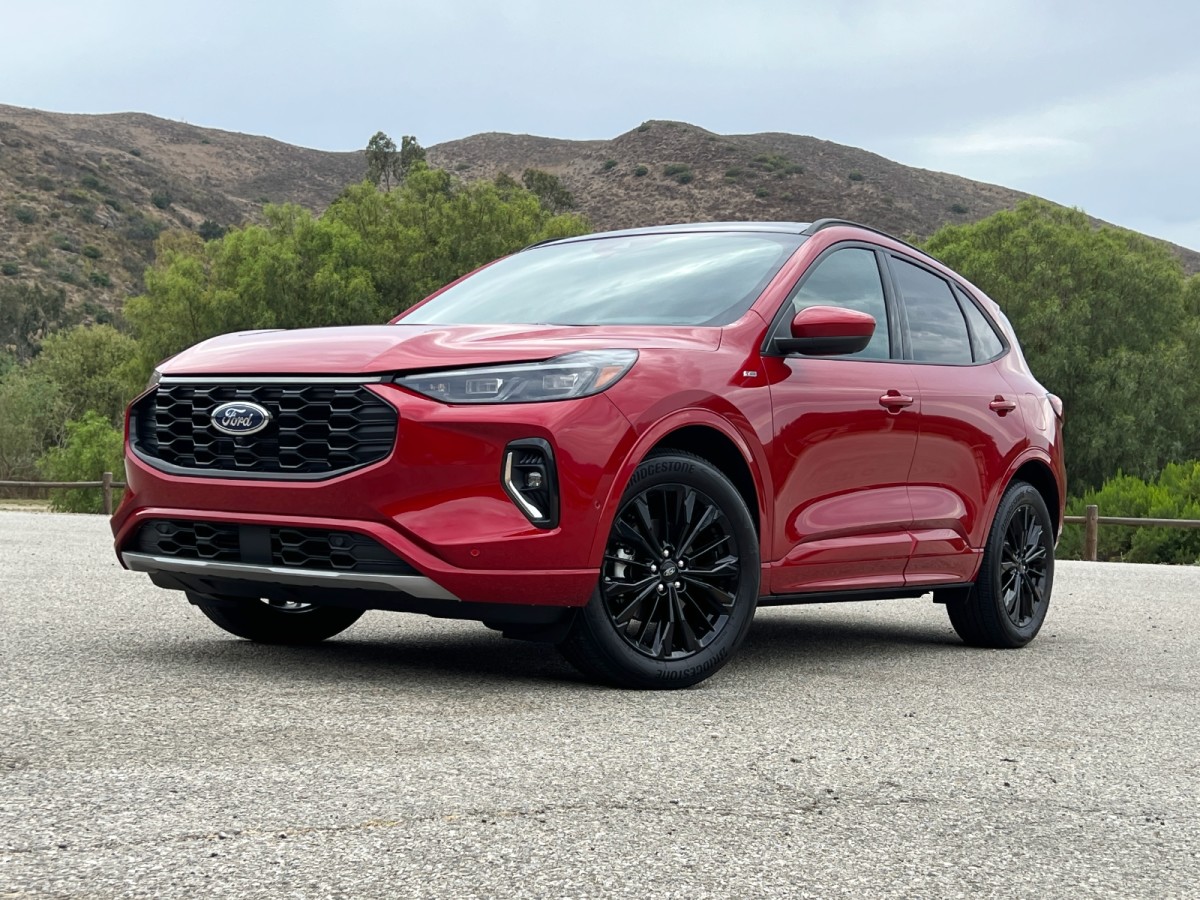
Best and Worst Escape Years in Philadelphia
Choosing the right Escape model year matters more than it does for most compact SUVs — the gap between the best and worst years is unusually wide. CarGurus market data and reliability records reveal clear patterns about where the value is and where the risk lies in Philadelphia’s inventory.
For more information on the Escape by generation and model year, check out our Ford Escape Buying Guide.
Best Escape Years for Philadelphia
| Category | Best Years | Philadelphia Avg. Price | Why They’re Best |
|---|
| Best Overall | 2024 | $20,920 | 11.1% Philly discount, best fourth-gen reliability, post-refresh features |
| Best Value | 2019 | $13,542 | Most reliable third-gen year, J.D. Power 86/100, fewest complaints |
| Best Budget Option | 2017 | $10,502 | J.D. Power 86/100 reliability, only 2 recalls, under $11k |
| Best Local Discount | 2016 | $8,607 | 9.0% below national, mid-generation refinement, sub-$9k pricing |
Best Overall: 2024
The 2024 Escape hits the sweet spot of modern features, improving reliability, and a strong Philadelphia discount. At $20,920 versus $23,528 nationally, you’re saving over $2,600 on a model that benefits from four years of fourth-generation refinement. The 2023 mid-cycle refresh brought updated styling, improved infotainment, and standard wireless smartphone integration. Complaint volumes and recall rates dropped significantly starting with the 2024 model year, making this the first fourth-gen year we’d recommend without major reservations. Local inventory share is the highest of any model year at 72%.
Best Value: 2019
The final year of the third generation is also its finest. The 2019 at $13,542 in Philadelphia filed just 279 NHTSA complaints — the fewest of any Escape from the first three generations — and only 25 complaints on CarComplaints. Its J.D. Power reliability score of 86/100 matches the 2017 as the best in the third generation. At this price, you get a well-sorted compact SUV with the 1.5L or 2.0L EcoBoost engine and a conventional 6-speed automatic (not the problematic dual-clutch). Average mileage of 81,893 miles is manageable for this platform.
Best Budget Option: 2017
At $10,502, the 2017 Escape delivers the same J.D. Power reliability score (86/100) as the 2019 at a $3,000 lower price point. Only two recalls have ever been issued for this model year. Average mileage runs higher at 96,186 miles, but the 1.5L EcoBoost engine in these models has a solid track record past 100,000 miles with proper maintenance. For Philadelphia commuters on a tight budget, this is the most compelling under-$11,000 option.
Best Local Discount: 2016
The 2016 at $8,607 — 9.0% below the national $9,454 — offers the strongest Philadelphia price advantage in the budget tier. This model year falls in the middle of the third generation and avoids the worst of the early-year issues. Average mileage of 112,110 miles is high, so factor in a pre-purchase inspection and potential near-term maintenance. But for a sub-$9,000 compact SUV, the value is real.
Worst Escape Years for Philadelphia
| Years | Philadelphia Avg. Price | Avg. Mileage | Concerns |
|---|
| 2014 | $7,937 | 116,117 mi | Transmission failure at ~70k miles ($4,500 repair), coolant intrusion, 15 recalls, engine overheating |
| 2021 | $17,157 | 60,063 mi | Consumer Reports reliability 5/100, 270+ NHTSA complaints, 9 recalls, structural quality issues |
| 2015 | $8,688 | 111,113 mi | Carries forward many third-gen early issues; higher mileage at similar prices to 2016 |
Avoid: 2014
The 2014 Escape is one of the most problematic model years in Ford’s entire SUV lineup. At $7,937 in Philadelphia with 116,117 average miles, these have likely already passed the mileage where transmission failures tend to occur — but if the transmission hasn’t been replaced, the risk remains. Coolant intrusion causing engine failure, fuel injector cracking posing fire risk, and 15 issued recalls make this a model year to skip entirely. The 2017 at $10,502 offers dramatically better reliability for $2,500 more.
Avoid: 2021
Despite being a relatively recent model, the 2021 Escape at $17,157 carries a Consumer Reports reliability score of just 5 out of 100 — one of the lowest scores the publication has ever given a compact SUV. Structural complaints account for roughly a third of the 270+ NHTSA complaints, suggesting fundamental build quality issues, not just isolated component failures. Nine recalls in just five years is excessive. The 2024 at $20,920 costs $3,763 more but delivers vastly better reliability — that’s money well spent.
Approach Carefully: 2015
The 2015 at $8,688 sits in a tricky spot — priced nearly identically to the 2016 ($8,607) but with a less refined product and many of the same third-generation reliability concerns. At 111,113 average miles, these are high-mileage vehicles where deferred maintenance can become expensive quickly. If your budget is in the $8,500–$9,000 range, the 2016 is the better pick.
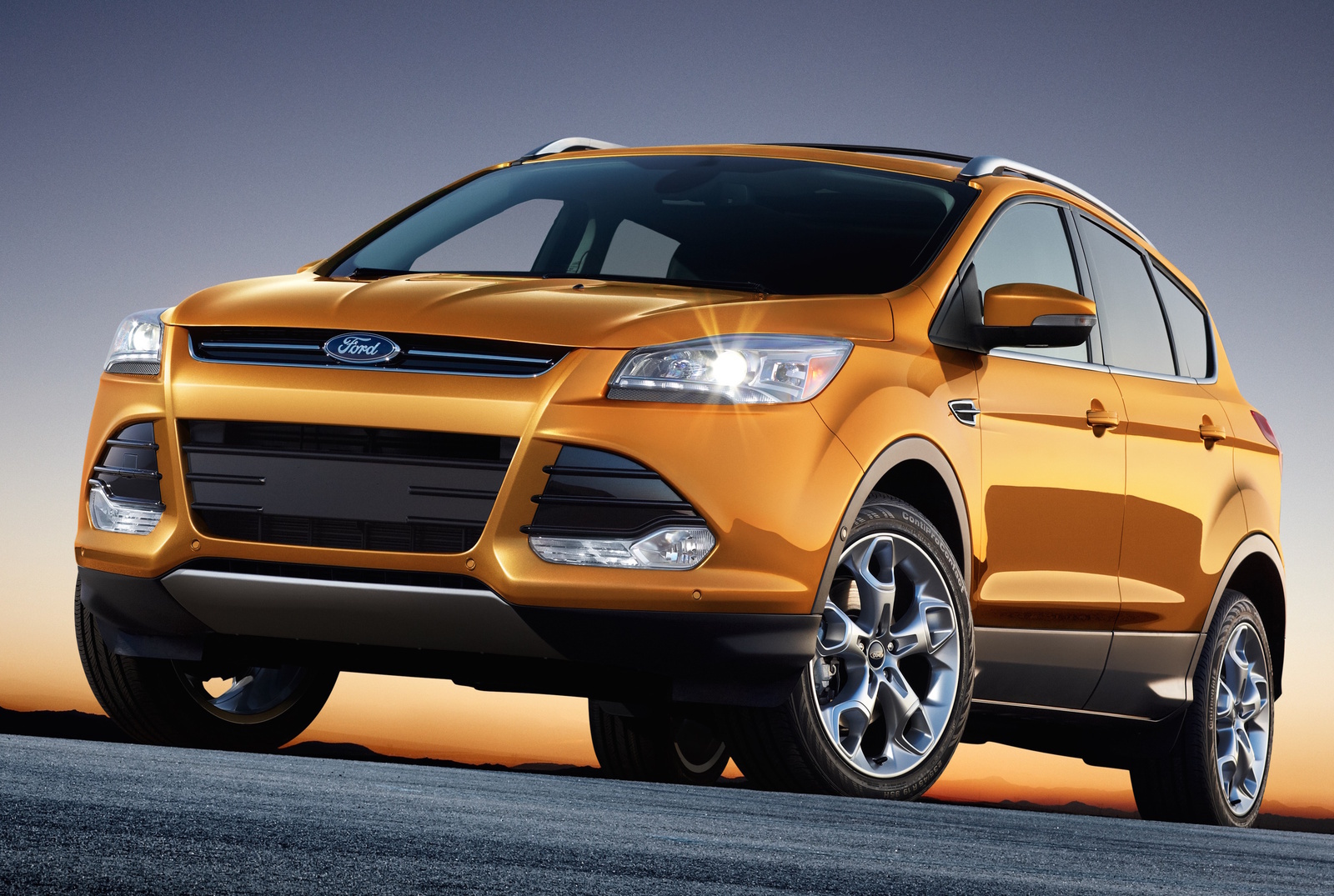
Escape Pros and Cons
Philadelphia rewards the Escape’s practical strengths — versatile powertrains for varying commute needs, comfortable seating for long drives on I-76, and a competitive price point in a market where 52% of listings are Good or Great Deals. But the Escape’s inconsistent reliability record and some interior shortcomings mean buyers need to weigh the trade-offs carefully.
Pros
Strong Philadelphia Market Conditions
The numbers tell a clear story: $15,118 average price versus $17,327 nationally — a 12.7% discount. Philadelphia’s 52% Good and Great Deal rate nearly doubles the national 33%, and local inventory of 510 listings across 13 model years gives buyers genuine selection and negotiating leverage.
Versatile Powertrain Options (Fourth Gen)
The fourth-generation Escape offers more powertrain diversity than almost any competitor: a 1.5L turbocharged three-cylinder (180 hp, 30 mpg combined), a 2.0L turbo four-cylinder (250 hp), a conventional hybrid (~40 mpg combined), and a plug-in hybrid (~37 miles of electric range). For Philadelphia commuters, the hybrid is particularly compelling — city driving is where hybrids deliver their best efficiency, and 40 mpg combined meaningfully reduces fuel costs on daily drives.
Comfortable and Roomy Interior
The Escape seats five adults comfortably with well-shaped front seats and adequate rear thigh support. Interior storage is a highlight — large cubbies, sizable door pockets, and anti-tip tabs on all cupholders. Wireless Android Auto and Apple CarPlay come standard on post-2023 models, and the Ford SYNC infotainment system is intuitive and responsive.
Easy-to-Use Technology
The Escape’s in-cabin tech is a strength. The navigation system is quick and easy to use, the standard six-speaker audio is excellent for a base system, and the optional 10-speaker B&O system punches above its class. Standard advanced driving aids, including lane centering that works well on highways, add genuine value for I-95 and turnpike commuters.
Competitive Pricing Across Model Years
From the 2017 at $10,502 to the 2024 at $20,920, there’s an Escape at nearly every budget level. Ford’s pricing is competitive with other compact SUVs, and Philadelphia’s local discounts make the value proposition even stronger. The 3-year/36,000-mile basic warranty and 5-year/60,000-mile powertrain coverage are average for the class but adequate.
Cons
Inconsistent Reliability Across Generations
This is the Escape’s biggest liability. No model year has ever exceeded a 40/100 Consumer Reports reliability score. The third generation (2013–2019) is the most problematic, with the dual-clutch Powershift transmission causing widespread failures on early models — repairs averaging $4,500. Even the fourth generation launched poorly: the 2021 earned a 5/100 reliability score from Consumer Reports. Buyers must research specific model years carefully; the Escape doesn’t offer the "buy any year and you’ll be fine" confidence of a Honda CR-V or Toyota RAV4.
Abrupt Transmission Behavior (Fourth Gen)
While the fourth-generation’s 8-speed automatic is far more reliable than the third-gen’s dual-clutch, it’s not refined. Reviewers note slow, jerky upshifts and rough downshifts, with the engine stop-start system adding unwelcome bucking when it restarts. In Philadelphia’s stop-and-go traffic, this behavior becomes noticeable and tiring on daily commutes.
Interior Quality Lags Competitors
The Escape’s interior materials don’t match class leaders. Hard plastics, inconsistent panel gaps, and cheap-feeling door handles detract from the cabin experience. Early fourth-gen models (2020–2022) have documented issues with headliner and trim panels coming loose at low mileage. The RAV4 and CR-V offer better interior build quality at similar prices.
Lackluster Handling
Excessive body roll, ponderous steering, and a comfort-focused suspension mean the Escape isn’t engaging to drive. For Philadelphia’s narrow streets and aggressive traffic patterns, more precise handling from competitors like the Mazda CX-5 or Honda CR-V can feel meaningfully better.
Real-World Fuel Economy Can Disappoint
Real-world testing with the 2.0L turbo engine returned just 20.2 mpg — well below the EPA estimate of 26 mpg combined. The hybrid models deliver closer to their rated efficiency, but buyers choosing the turbocharged gas engines should temper their fuel economy expectations, especially in Philadelphia’s stop-and-go conditions.
Salt Belt Corrosion Risk
Philadelphia’s road salt and freeze-thaw cycles accelerate underbody rust on all Escape generations. Second-generation models (2008–2012) are especially vulnerable, and even first-gen models had a subframe corrosion recall. Any used Escape that has spent winters in the Northeast needs a thorough underbody inspection — a cost and consideration that southern-market buyers don’t face.
Who Should Buy an Escape in Philadelphia?
Ideal buyers based on data patterns:
- Budget-conscious commuters who want a compact SUV under $14,000 and are willing to target specific reliable model years (2017 or 2019)
- Buyers seeking hybrid or plug-in hybrid efficiency for city commuting, where the 2024 Escape hybrid offers ~40 mpg combined at an 11.1% Philadelphia discount
- Families needing a practical, roomy interior with strong infotainment and good child seat accommodation
- Shoppers who prioritize powertrain options and want to choose between gas, hybrid, and plug-in hybrid in the same model
- Value-focused buyers who can take advantage of Philadelphia’s 52% Good and Great Deal rate
Consider alternatives if:
- Long-term reliability with minimal research is your priority — the Honda CR-V and Toyota RAV4 offer more consistently dependable ownership across model years
- Driving engagement matters — the Mazda CX-5 delivers significantly better handling and steering feel
- Interior quality is a dealbreaker — the CR-V and RAV4 offer noticeably better cabin materials and build quality
- You want to avoid model-year-specific reliability risks entirely — the Escape requires more homework than most competitors to buy confidently
Final Verdict for Philadelphia Buyers
The 2024 Escape represents the clearest recommendation for most buyers — modern features, improving reliability, and a $20,920 price point that’s 11.1% below national. For budget shoppers, the 2019 at $13,542 and the 2017 at $10,502 deliver the best the third generation has to offer with J.D. Power reliability scores of 86/100. Philadelphia’s 12.7% average price discount and 52% Good and Great Deal rate create genuinely favorable buying conditions. Just steer clear of the 2013–2014 models (transmission and engine failures) and the 2021 (catastrophically low reliability scores). The Escape demands more model-year awareness than a CR-V or RAV4 — but for Philadelphia buyers who do the homework, the savings and selection are hard to beat.


