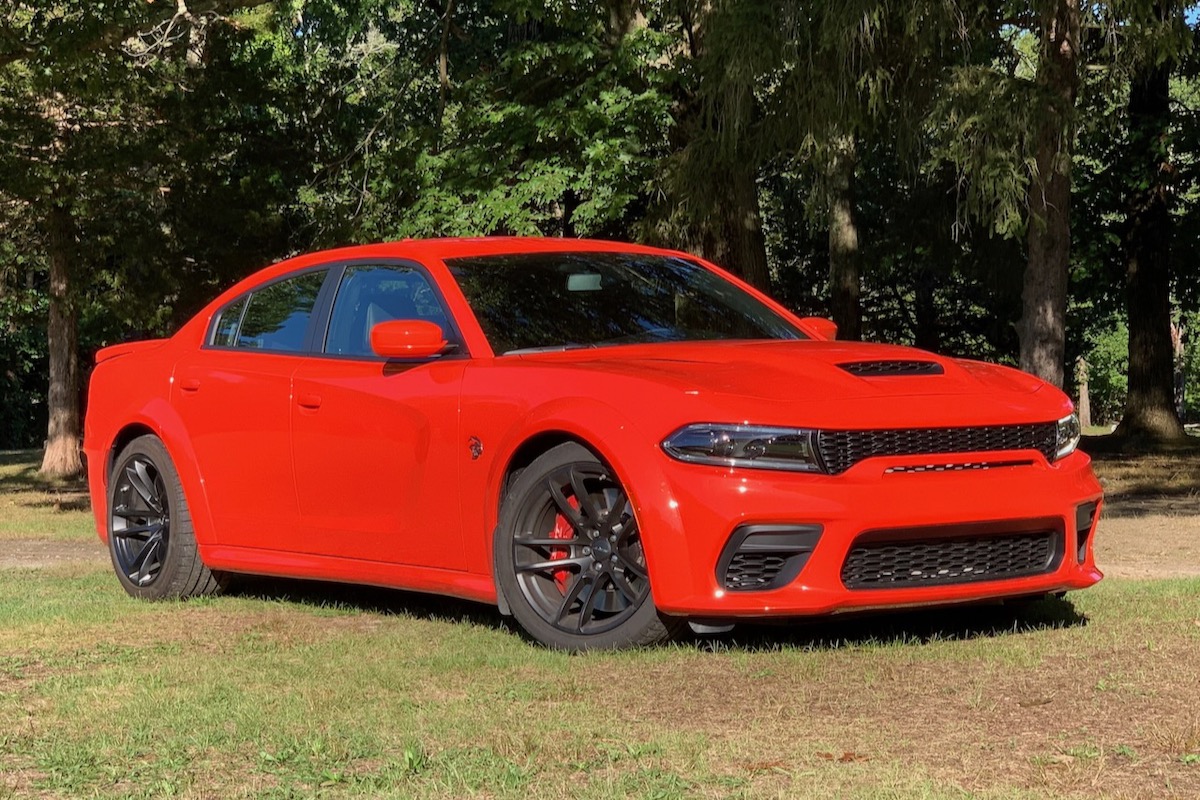
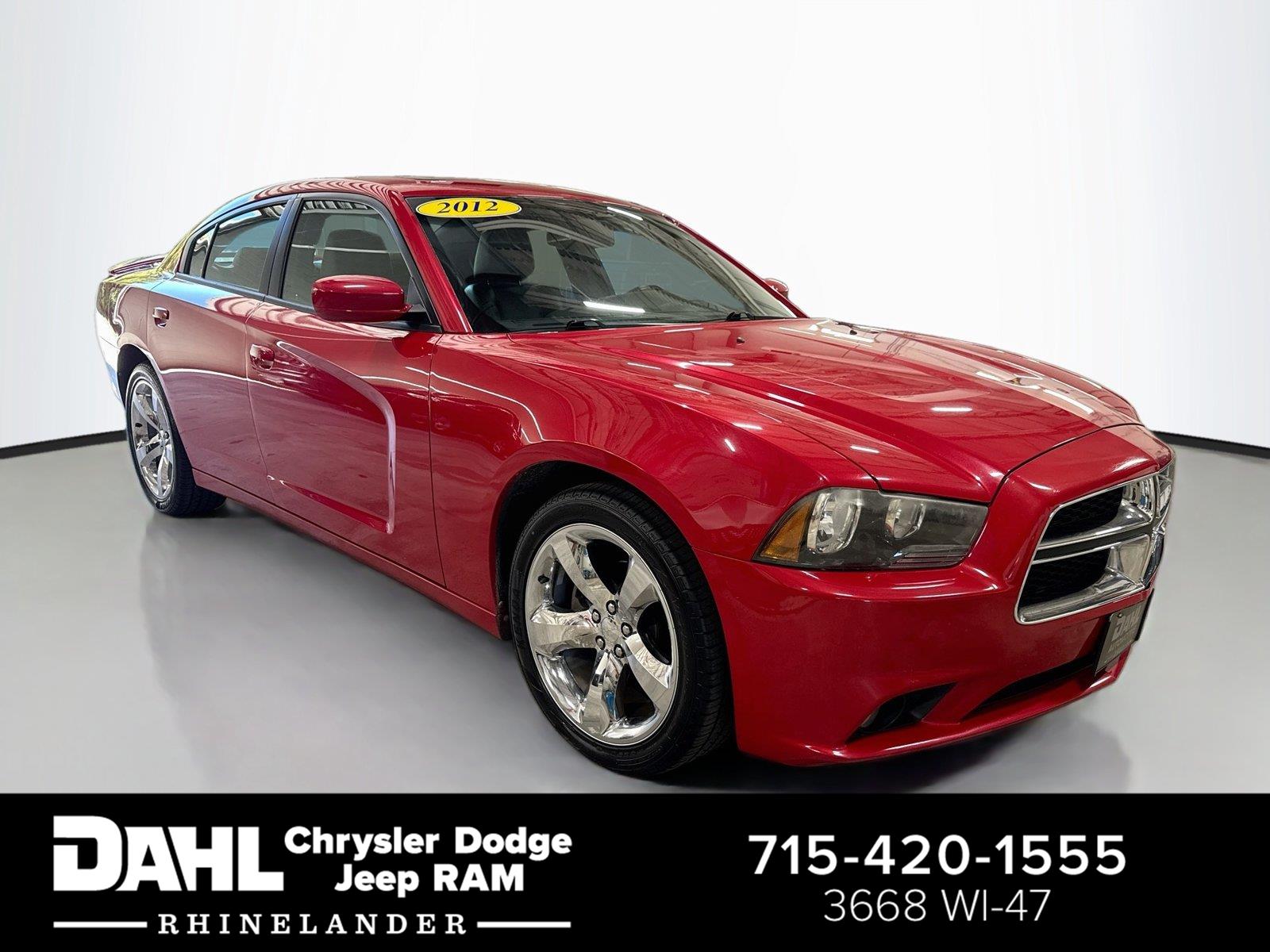
What Is a Good Price for a Used Dodge Charger in Philadelphia?
Used Chargers in Philadelphia average $26,995—a 4.3% premium over the national average of $25,874. But that headline number masks a more nuanced story: Philadelphia's Charger market skews toward higher-value performance models, and buyers targeting specific years can find prices well below national averages.
Price by Model Year in Philadelphia
The Charger spans two major modern generations in the used market. The seventh-generation "LD" models (2011–2023) received a comprehensive update in 2015 with standard eight-speed transmission, retuned chassis, and the introduction of Hellcat models. The sixth-generation "LX" models (2006–2010) used Mercedes-derived underpinnings and offer the most affordable entry point.
| Model Year |
Philly Avg. Price |
National Avg. Price |
Philly Avg. Mileage |
| 2023 |
$39,665 |
$34,755 |
27,333 miles |
| 2022 |
$41,819 |
$29,716 |
43,669 miles |
| 2021 |
$28,047 |
$28,377 |
68,615 miles |
| 2020 |
$29,523 |
$24,022 |
62,079 miles |
| 2019 |
$22,076 |
$20,418 |
70,251 miles |
| 2018 |
$18,595 |
$20,172 |
86,355 miles |
| 2017 |
$25,210 |
$18,247 |
121,694 miles |
| 2016 |
$23,193 |
$16,086 |
96,802 miles |
| 2015 |
$13,777 |
$12,755 |
104,628 miles |
| 2014 |
$8,937 |
$10,852 |
120,761 miles |
Late Seventh Generation (2020–2023): $28,047–$41,819
The final years of the Charger's production run, including last-call special editions, Wide Body models, and Hellcat variants. The high Philly averages for 2022 ($41,819, a 40.7% premium over national) and 2020 ($29,523, +22.9%) reflect a concentration of high-performance trims in local inventory. The 2021 model year is the exception—priced at $28,047, just 1.2% below national, making it the best value in this tier with 68,615 average miles.
Mid Seventh Generation (2015–2019): $13,777–$25,210
The post-2015 refresh brought the eight-speed automatic standard, improved interior materials, and the introduction of Hellcat and Scat Pack models. The 2018 stands out as the strongest local value at $18,595—a 7.8% discount versus the $20,172 national average. The 2015 at $13,777 offers the most affordable entry into the refreshed generation. Note that 2016 and 2017 local averages skew high (44.2% and 38.2% above national), likely reflecting performance-model inventory.
Early Seventh Generation and Sixth Generation (2014 and earlier): $8,937
The 2014 model at $8,937 offers the deepest local discount in the market at 17.6% below the national average of $10,852. This is a late seventh-generation car with the refined 3.6-liter Pentastar V6 or the proven 5.7-liter Hemi V8—solid mechanical foundations at an accessible price point. Earlier sixth-generation models would be even cheaper but are not well-represented in current Philly inventory.
Understanding the Philadelphia Price Context
Performance-model skew: Philadelphia's 4.3% aggregate premium doesn't mean every Charger costs more here. The local market has a heavy concentration of high-value trims—Scat Packs, SRT 392s, Hellcats, and Wide Body models—that pull the average up. Buyers shopping for V6 SXT or standard V8 R/T models will find competitive or below-national pricing, particularly on 2014 and 2018 examples.
Exceptional vehicle condition: The standout number in this market is condition, not price. With 98% of Philly listings carrying accident-free histories versus just 66% nationally, local buyers have access to an unusually clean pool of inventory. That 32-percentage-point gap is significant—it reduces the risk of hidden damage and supports long-term value.
Lower mileage: Philly Chargers average 71,097 miles versus 74,227 nationally, a 4.2% advantage. Combined with the clean-history rate, this means local inventory is genuinely better-conditioned than the national average, even if headline pricing runs slightly higher.
Good and Great Deals in Philadelphia
31% of Philadelphia Charger listings qualify as Good or Great Deals—modestly above the national average of 28%.
| Deal Rating |
Philadelphia Percentage |
National Percentage |
| Great Deals |
8% |
6% |
| Good Deals |
23% |
21% |
Philadelphia's 8% Great Deal rate edges out the national 6%, and the 23% Good Deal rate also outpaces the national 21%. The best value opportunities cluster around the 2014 and 2018 model years, where local pricing undercuts national averages.
What Is the Most Reliable Used Dodge Charger in Philadelphia?
The Dodge Charger's reliability story is a tale of two eras. The seventh-generation models from 2013 onward are genuinely dependable—even the supercharged Hellcat variants hold up well—but earlier cars need more scrutiny. Philadelphia's cold winters and road salt add a layer of concern for sixth-generation models that are already prone to electrical and corrosion issues.
Most Reliable by Era
Late Seventh Generation (2015–2023)
The most reliable Charger era. The 2015 refresh brought the eight-speed automatic standard, retuned chassis, and improved build quality across the board. Post-2017 models added Apple CarPlay and Android Auto and are considered very reliable, including the high-performance Hellcat variants. In Philadelphia, these models average 27,333 to 104,628 miles depending on year, and the 98% accident-free rate suggests owners maintain them well.
Early Seventh Generation (2011–2014)
A significant step forward from the sixth generation, with the new 3.6-liter Pentastar V6 replacing the older engines and comprehensive electrical system upgrades. However, the 2011 and 2012 models have more than their share of problems—mostly electrical system and infotainment issues rather than mechanical failures. From 2013 onward, quality improved steadily. The 2014 model in Philadelphia averages $8,937 with 120,761 miles, and at that age, documented service history becomes critical.
Sixth Generation (2006–2010): The Exception
The least reliable modern Charger era. The 2006–2008 models generate the highest complaint rates, with documented issues including valve seal failures, head gasket problems, transmission trouble, and electrical gremlins stemming from the complex Mercedes-derived wiring systems. These cars are also more rust-prone than later models—a meaningful concern in Philadelphia, where road salt and winter weather accelerate corrosion. The 2009 and 2010 models are somewhat improved, with cylinder deactivation technology and standard side-curtain airbags added, but they remain less dependable than any seventh-generation car.
Key Improvements by Model Year—Seventh Generation
Key Improvements by Model Year—Seventh Generation (2011–2023)
| Model Year |
Key Improvements |
| 2011 |
New 3.6L Pentastar V6 (292 hp), redesigned interior, updated styling, blind-spot monitoring available |
| 2012 |
Eight-speed automatic available (30 mpg hwy), SRT8 returned with 470-hp 6.4L Hemi |
| 2015 |
Comprehensive refresh: eight-speed standard, retuned chassis, Scat Pack/SRT 392 (485 hp), Hellcat (707 hp) |
| 2017 |
Apple CarPlay and Android Auto integration, Daytona trim levels added |
| 2018 |
SE dropped, SXT became entry-level; new AWD GT trim with V6 |
| 2020 |
Wide Body models for Hellcat and Scat Pack (fender flares, wider tires) |
| 2022 |
Jailbreak variant, Hellcat Redeye at 807 hp |
Charger-Specific Reliability Considerations
Electrical system complexity (2006–2012): The early Chargers use Mercedes-derived electrical architecture that's more complex than typical domestic systems. Wiring harness issues, sensor failures, and infotainment glitches are well-documented, particularly on 2006–2008 models. In Philadelphia's climate, moisture intrusion from freeze-thaw cycles can worsen these problems. Budget for a thorough pre-purchase electrical inspection on any pre-2013 car.
Rust and corrosion (2006–2010): Sixth-generation Chargers are notably more rust-prone than later models. Philadelphia's road salt means underbody and rocker panel corrosion is a serious concern on these cars. Check for rust along the lower body panels, inside the wheel wells, and around the suspension mounting points. Later seventh-generation models are better protected but still warrant inspection in the Northeast.
Hard-driving history: The Charger's muscular image and wide performance trim range—from Scat Packs to Hellcats—mean many examples have been driven aggressively. Inspect brake rotors for warping, look for signs of track use (modified exhaust, aftermarket tune indicators), and check tire wear patterns. This is especially relevant for the high-horsepower models that command premium prices in Philadelphia.
Transmission durability: The five-speed automatic in early models (2006–2011) is less refined than the eight-speed that became available in 2012 and standard in 2015. Test for smooth shifts and check for any transmission shudder on test drives. The eight-speed is a significantly better unit and is one of the key reasons to target 2015+ models.
What to Check When Buying
Service records: The Charger rewards consistent maintenance. Look for documented oil changes, transmission fluid services, and brake work. Cars with gaps in service history deserve extra scrutiny.
Undercarriage rust (all years): Philadelphia's winters mean salt exposure. Get under the car and inspect subframe, control arms, brake lines, and exhaust for corrosion. This is critical for 2006–2010 models but relevant for any age.
Electrical diagnostics (pre-2013): Run a full OBD-II scan on any early model. Check all power windows, locks, seat adjustments, and the infotainment system. Intermittent electrical issues are the most common complaint on these cars.
Engine oil condition (V8 models): Pull the dipstick and check for clean, full oil. The 5.7-liter Hemi in sixth-generation models is known for valve seal issues that cause oil consumption. Dark, low oil is a warning sign.
Brake inspection (performance models): Scat Pack, SRT, and Hellcat variants generate enormous heat under hard braking. Check rotors for warping, pads for uneven wear, and look for any aftermarket modifications that might indicate track use.
Transmission test drive: Drive through all gears and pay attention to shift quality. The eight-speed (2012+/standard 2015+) should shift smoothly and quickly. Any hesitation or shudder warrants further investigation.
Best and Worst Dodge Charger Years in Philadelphia
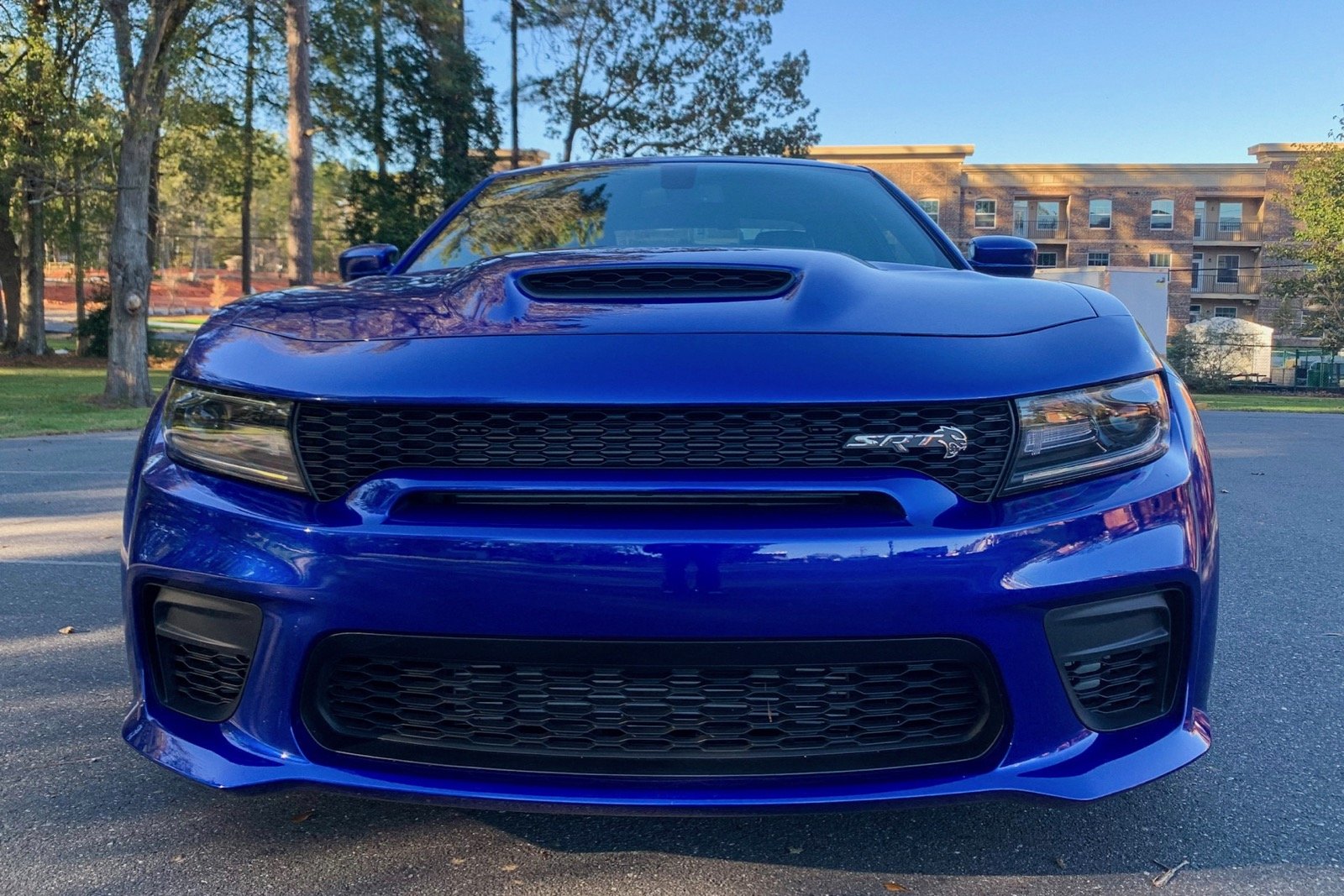
CarGurus data reveals clear patterns about which Charger model years deliver the best combination of value, reliability, and features in the Philadelphia market. For more information on the Charger by generation and model year, check out our Dodge Charger Buying Guide.
Best Charger Years for Philadelphia
| Category |
Best Years |
Philly Avg. Price |
Why They're Best |
| Best Overall |
2021 |
$28,047 |
Nearly at national pricing (-1.2%), proven late seventh-gen reliability, 68,615 avg miles |
| Best Value |
2018 |
$18,595 |
7.8% below national pricing, post-refresh with eight-speed standard, AWD GT available |
| Best Budget Option |
2014 |
$8,937 |
17.6% below national, reliable post-2013 seventh-gen, sub-$9k entry point |
| Best Local Discount |
2014 |
$8,937 |
Deepest discount in market at 17.6% below $10,852 national average |
Best Overall: 2021
The 2021 Charger hits the sweet spot of modern features, proven reliability, and fair local pricing. At $28,047, it's priced just 1.2% below the national average of $28,377—essentially at parity in a market where many years carry significant premiums. With average mileage of 68,615, these are relatively low-mileage examples of a refined late seventh-generation car with Apple CarPlay, Android Auto, and the full range of trim options from SXT to Hellcat.
Best Value: 2018
The 2018 model year represents the strongest local value in the post-refresh era, priced at $18,595—a 7.8% discount versus the national average of $20,172. This was the year the SXT became the base model and the AWD GT joined the lineup. The eight-speed automatic was already standard, and reliability data for this year is strong. Average mileage of 86,355 is reasonable for a seven-year-old car, and the 159 local listings provide good selection.
Best Budget Option: 2014
At $8,937, the 2014 Charger offers the most affordable path into reliable Charger ownership. This is a post-2013 seventh-generation model—past the electrical teething issues that plagued 2011–2012 cars—with the proven Pentastar V6 or 5.7-liter Hemi. The 17.6% local discount makes it the best deal in Philadelphia's Charger market. Average mileage of 120,761 is high, but these powertrains are built for it. Inspect for rust given the age and Northeast climate.
Worst Charger Years for Philadelphia
| Years |
National Avg. Price |
Concerns |
| 2006–2008 |
N/A (limited local inventory) |
Highest complaint rates, valve seal and head gasket failures, transmission issues, electrical gremlins, rust-prone |
| 2011–2012 |
N/A (limited local inventory) |
Electrical system and infotainment problems; first-year issues of the LD generation |
Avoid: 2006–2008
These are the worst modern Chargers for reliability. The 2006–2008 models have the highest complaint counts of any Charger generation, with documented valve seal failures, head gasket issues, transmission problems, and electrical gremlins stemming from complex Mercedes-derived systems. In Philadelphia, the rust concern compounds these issues—these cars are now 18–20 years old and have endured Northeast winters. The 2014 seventh-generation model at $8,937 is available for similar or less money with dramatically better reliability.
Approach Carefully: 2011–2012
The first two years of the seventh-generation Charger brought major improvements over the sixth generation, including the new Pentastar V6 and redesigned interior. But they still have more than their fair share of issues—primarily electrical and infotainment problems. From 2013 onward, these bugs were largely sorted. If you're shopping in this era, the 2014 at $8,937 in Philadelphia offers a more dependable entry point at an excellent local discount.
Dodge Charger Pros and Cons
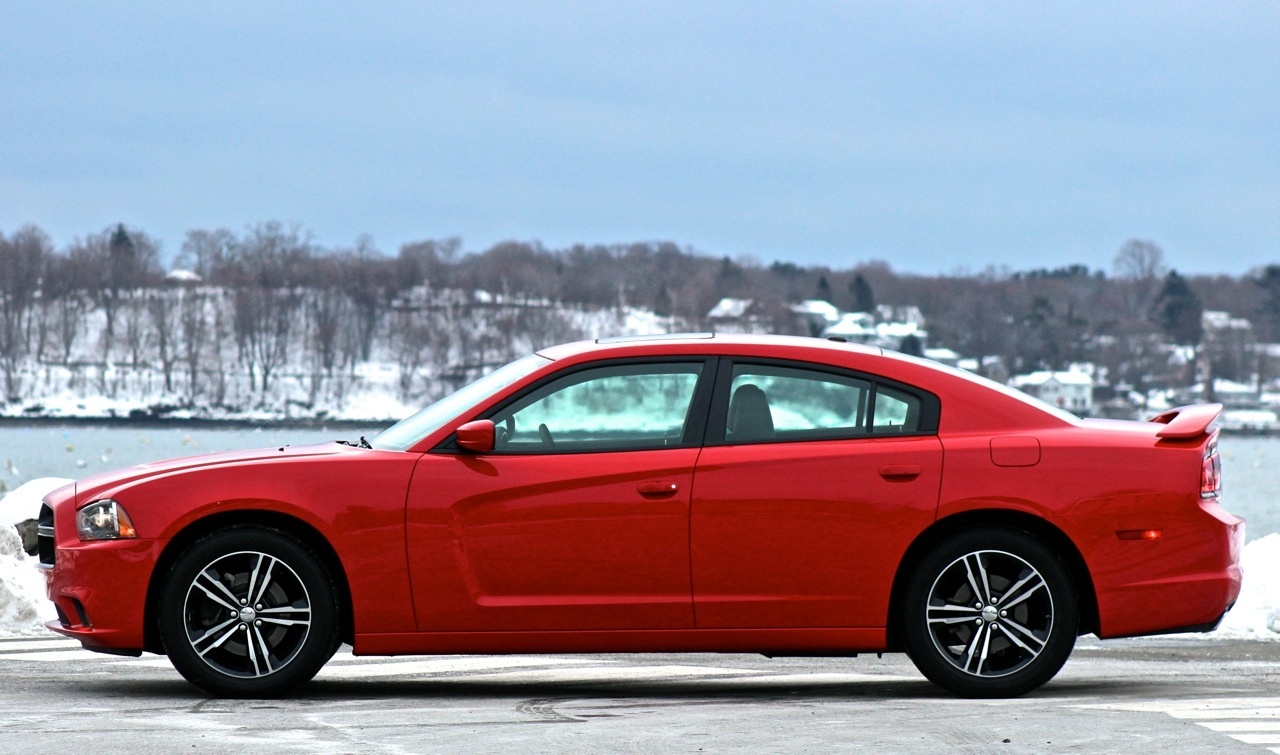
Philadelphia's driving conditions—highway commutes on I-76 and I-95, tight city streets, and harsh winters—put the Charger's strengths and weaknesses into sharp relief. This is a car that rewards buyers who value performance and interior space, but it demands awareness of its limitations in a four-season Northeast market.
Pros
Exceptional Vehicle Condition in Philadelphia
The numbers here are remarkable: 98% of Philadelphia Charger listings are accident-free, compared to just 66% nationally. That 32-percentage-point gap means Philly buyers have access to one of the cleanest Charger pools in the country. Local examples also average 71,097 miles versus 74,227 nationally, further confirming the quality of available inventory.
Genuine Muscle Car Performance
No other four-door sedan from a mainstream brand matches the Charger's performance range. From the 292-horsepower Pentastar V6 to the 807-horsepower Hellcat Redeye, there's a Charger for every performance appetite. The 5.7-liter Hemi V8 in R/T trim delivers 370 horsepower and remains the sweet spot for buyers who want V8 muscle without extreme insurance costs.
Available All-Wheel Drive
For Philadelphia buyers facing snow, ice, and wet roads from November through March, the Charger's available AWD system is a significant advantage. The AWD GT trim (2018+) pairs the V6 with all-wheel drive for year-round confidence. Earlier AWD models are available on SXT and R/T trims, providing options across the lineup.
Spacious Interior and Trunk
The Charger seats five adults comfortably with legitimate rear-seat legroom—something many sport sedans sacrifice. The trunk is genuinely large, making the Charger practical for family duty, road trips, or Costco runs. Despite its performance image, it's fundamentally a full-size sedan that handles daily life with ease.
Strong Post-2013 Reliability
Seventh-generation Chargers built from 2013 onward are genuinely dependable. Even the Hellcat models, despite their extreme power output, don't suffer significantly more reliability issues than the standard V6 SXT. For a performance car, that's an unusual and valuable trait.
Production Has Ended—Values May Stabilize
With seventh-generation Charger production ending in December 2023, these cars are no longer being made. The V8-powered models in particular may hold value better than typical used cars as the new eighth-generation shifts to turbocharged inline-sixes and electric powertrains. Buying now could mean buying at or near the bottom of the depreciation curve.
Cons
Local Premiums on Performance Models
Philadelphia's Charger market carries a 4.3% aggregate premium over national pricing, driven largely by high-value performance trims. The 2022 model year averages $41,819 locally versus $29,716 nationally—a 40.7% premium. Buyers targeting Scat Packs, SRTs, or Hellcats should compare against national listings and consider whether the condition advantage justifies the markup.
Heavy Fuel Consumption
The Charger is thirsty. The 5.7-liter Hemi V8 manages roughly 19 mpg combined, and the supercharged Hellcat is worse. Even the V6 tops out at about 27 mpg highway with the eight-speed automatic. For Philadelphia commuters covering 30+ miles daily on the Schuylkill Expressway, fuel costs add up quickly compared to a midsize sedan or hybrid.
Limited Modern Safety Technology
The seventh-generation Charger's long production run means even late-model examples lack the latest driver-assistance features that competitors offer as standard. No hands-free highway driving, no surround-view camera, and no rear cross-traffic alert until later years. Blind-spot monitoring and forward-collision warning are available but not always standard.
Northeast Winter and Rust Concerns
Philadelphia's road salt, freeze-thaw cycles, and wet winters are hard on any car, and the Charger is no exception. Sixth-generation models (2006–2010) are particularly rust-prone, but even seventh-generation cars deserve an undercarriage inspection after Northeast winters. RWD-only V8 models also demand good winter tires for safe cold-weather driving.
Interior Feels Dated
The Charger's cabin, while spacious and functional, hasn't kept pace with competitors. Materials are adequate but not premium, and the infotainment system—while intuitive—lacks the polish of more modern interfaces. Late-model 2022–2023 cars are the best of the bunch, but even they feel a generation behind compared to current midsize sedans.
Final Verdict for Philadelphia Buyers
The 2021 model year represents the clearest recommendation for most buyers—modern connectivity, proven reliability, and pricing that's essentially at national parity in a market that otherwise runs hot on performance models. For value hunters, the 2018 at $18,595 delivers post-refresh refinement at a 7.8% local discount, and the 2014 at $8,937 gets you into reliable seventh-generation Charger ownership for under $9,000. Just steer clear of 2006–2008 models—and budget for a rust inspection on any car that's spent its life in the Northeast. The Charger's V8 era is over, and Philadelphia's 98% accident-free inventory gives you an exceptional pool to find a clean one before they're gone.
Ready to start shopping? Search Cars on CarGurus to compare Philadelphia Charger listings, deal ratings, and vehicle histories.