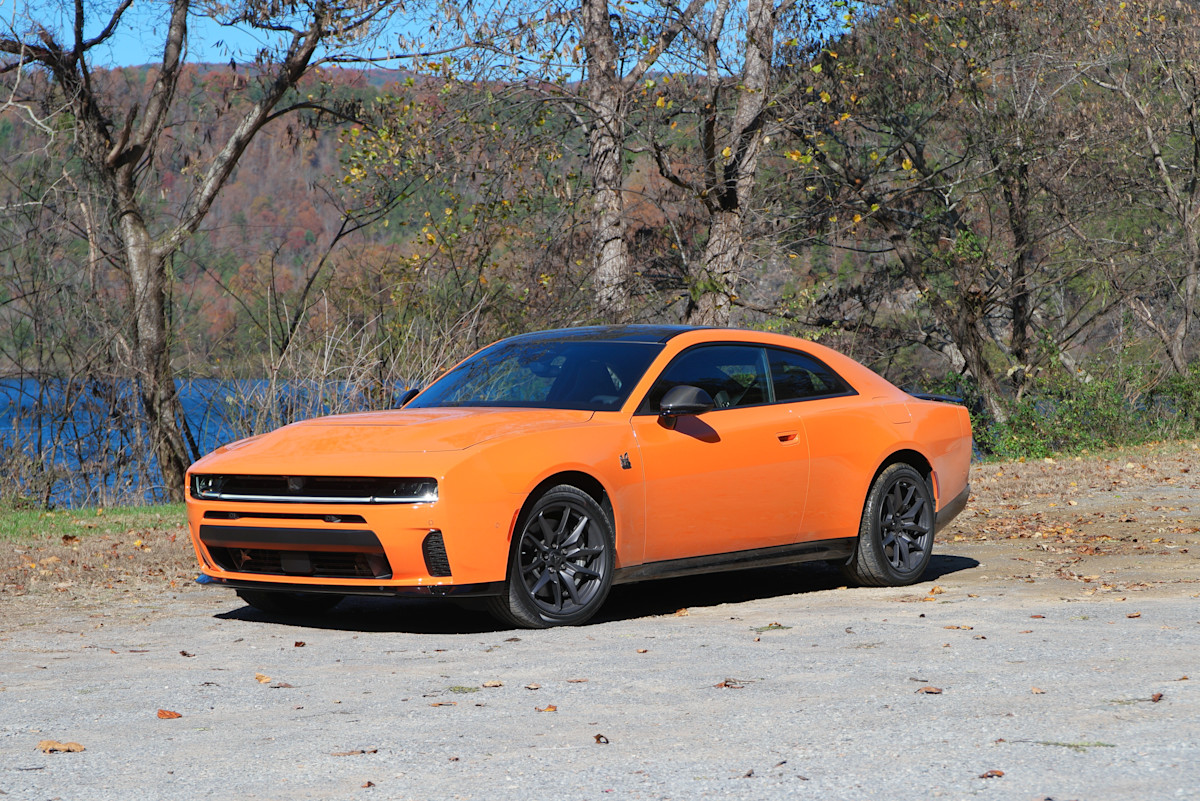
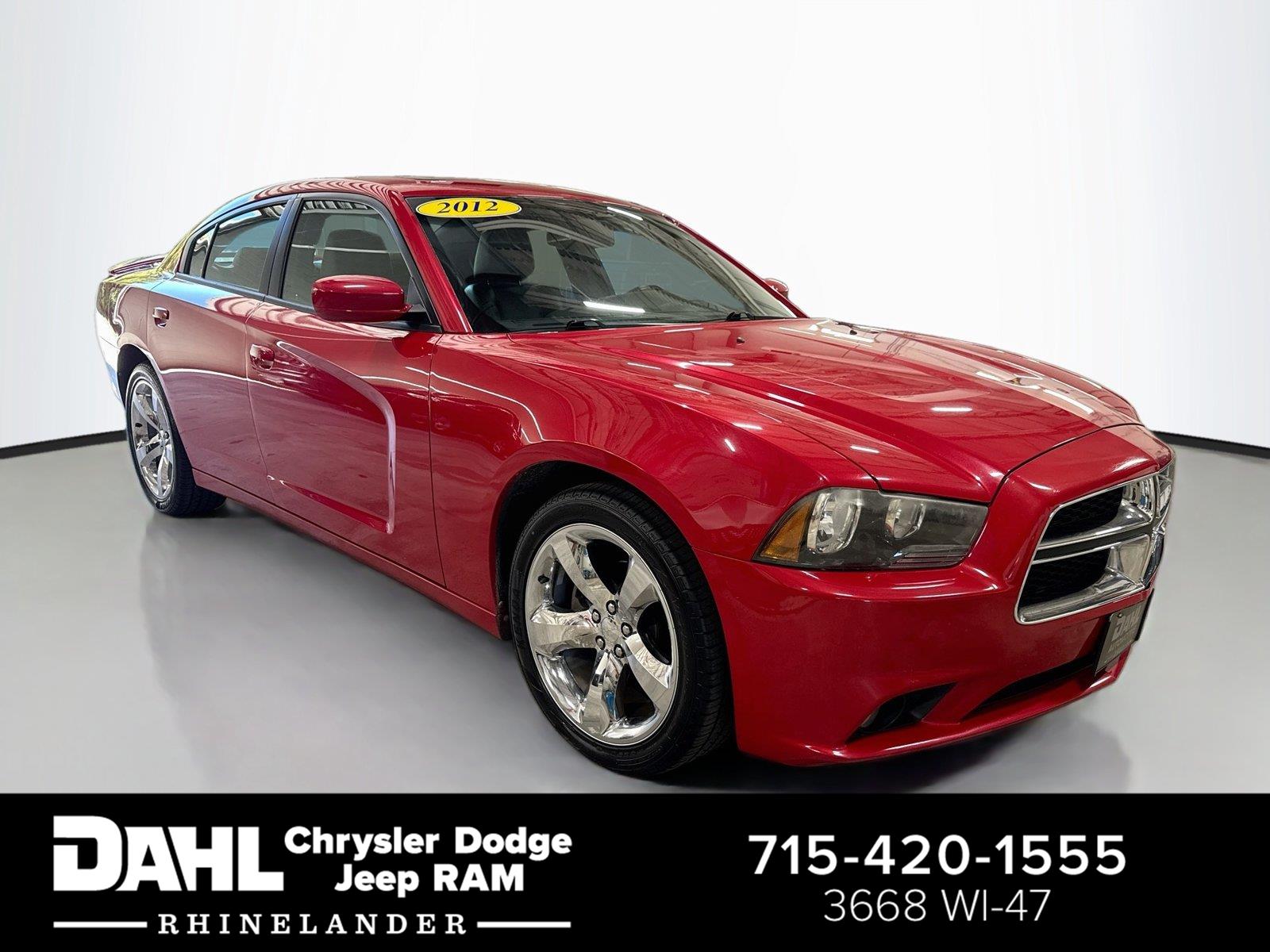
What is a Good Price for a Used Charger in Houston?
Used Chargers in Houston average $27,648 — a 6.9% premium over the national average of $25,874. That modest premium reflects Houston's lower-mileage inventory: local Chargers average 68,884 miles compared to 74,268 nationally. For buyers willing to shop strategically, older model years offer substantial Houston discounts.
Price by Model Year in Houston
The modern Charger spans two main generations in the used market. The seventh-generation "LD" (2011–2023) dominates inventory, with a major 2015 refresh creating a clear dividing line between earlier and later models. The sixth-generation "LX" (2006–2010) is largely absent from Houston listings at this point. Understanding these generational breaks helps identify where the best values sit.
| Model Year |
Houston Avg. Price |
National Avg. Price |
Houston Avg. Mileage |
Inventory Share |
| 2023 |
$34,985 |
$34,755 |
40,407 miles |
55% |
| 2022 |
$29,710 |
$29,716 |
53,830 miles |
68% |
| 2021 |
$30,815 |
$28,377 |
66,598 miles |
81% |
| 2020 |
$23,318 |
$24,022 |
80,500 miles |
73% |
| 2019 |
$20,024 |
$20,418 |
89,717 miles |
59% |
| 2018 |
$21,661 |
$20,172 |
90,739 miles |
47% |
| 2017 |
$12,185 |
$18,247 |
130,541 miles |
27% |
| 2016 |
$13,417 |
$16,086 |
131,097 miles |
17% |
| 2015 |
$10,330 |
$12,755 |
128,681 miles |
20% |
| 2014 |
$7,761 |
$10,852 |
161,521 miles |
14% |
Late Seventh Generation (2020–2023): $23,318–$34,985
The final years of Charger production command the highest prices but deliver the most refined experience. The 2020 model year introduced Wide Body variants with wider tires and fender flares. The 2023 — the Charger's final production year — includes coveted "Last Call" special editions. In Houston, the 2020 model offers the strongest value in this tier at $23,318, a 2.9% discount versus the national average of $24,022, with 80,500 average miles.
Mid Seventh Generation (2015–2019): $10,330–$21,661
The sweet spot for most Houston buyers. The 2015 refresh brought the eight-speed automatic as standard, a retuned chassis, and the arrival of the Hellcat. Apple CarPlay and Android Auto arrived for 2017. Houston pricing is exceptionally favorable for the 2017 model year at $12,185 — a remarkable 33.2% below the national average of $18,247. The 2015 also shows a strong 19.0% Houston discount ($10,330 vs. $12,755), making it the most affordable entry into the post-refresh Charger.
Early Seventh Generation (2014): $7,761
The most budget-friendly option in Houston's Charger market. The 2014 model sits at $7,761, a 28.5% discount versus the national average of $10,852. These are pre-refresh cars with the older interior and five-speed automatic on some trims, but they benefit from the improved reliability of the 2013+ model years. Average mileage is high at 161,521 miles, so a thorough pre-purchase inspection is essential.
Understanding the Houston Price Context
High-volume market with strong deals: Houston's overall 6.9% premium reflects strong demand for newer, lower-mileage Chargers — particularly the 2021 model year, which commands an 8.6% premium locally. But older model years tell a different story, with 2014–2017 models offering 16–33% discounts versus national pricing.
Lower mileage inventory: Houston Chargers average 68,884 miles compared to the national average of 74,268 — a 7.2% difference. Texas's flat highways and warm climate are easier on drivetrain components than northern freeze-thaw cycles, and the absence of road salt means rust is far less of a concern.
Strong selection: With 333 active listings, Houston offers healthy inventory across model years and trim levels. The 2020 and 2021 model years dominate with 244 and 270 listings respectively, giving buyers good negotiating leverage on the most popular years.
Performance model availability: Houston's Charger market includes a healthy mix of V6, V8, and high-performance variants. The Charger's popularity in Texas means more selection across the entire trim range — from commuter-friendly SXTs to track-ready Hellcats.
Good and Great Deals in Houston
36% of Houston Charger listings qualify as Good or Great Deals — meaningfully better than the national average of 28%. Houston's 8% Great Deal rate also exceeds the national 6%. For buyers who are patient and shop across the full inventory, the odds of finding a well-priced Charger in Houston are better than in most markets.
| Deal Rating |
Houston Percentage |
National Percentage |
| Great Deals |
8% |
6% |
| Good Deals |
28% |
21% |
The 2015–2017 model years show particularly strong Houston discounts, making them excellent targets for deal-seekers. The 2017 model year at $12,185 — 33.2% below national pricing — stands out as the single best value in Houston's Charger market.
What is the Most Reliable Used Charger in Houston?
The Dodge Charger's reliability varies significantly by generation. The seventh-generation "LD" models (2011–2023) are substantially more dependable than the sixth-generation "LX" cars (2006–2010), and within the seventh generation, post-2015 models are the clear standouts. For Houston buyers, the good news is that local inventory skews toward newer, more reliable model years.
Most Reliable by Era
2015–2023 Seventh Generation (Post-Refresh)
The most reliable era of the modern Charger. The 2015 update standardized the eight-speed automatic transmission, retuned the chassis with lightweight components, and refined the electrical systems that had caused earlier headaches. Complaint rates for these model years are low, and even the supercharged Hellcat models — pushing 707 to 807 horsepower — have proven remarkably durable. CarGurus test scores for this era range from 7.3 to 8.2. In Houston, 2019 and 2020 models average 89,717 and 80,500 miles respectively, and these cars are built to handle that kind of use.
2013–2014 Seventh Generation (Early LD, Improved)
After working through the teething issues of 2011–2012, the Charger hit its stride by 2013. These model years earned strong reliability marks, and the 2014 received a CarGurus test score of 8.3. In Houston, the 2014 averages 161,521 miles — high mileage, but these cars can handle it if maintained. The main trade-off is the five-speed automatic on some V6 models and an older infotainment system compared to 2015+ cars.
2011–2012 Seventh Generation (Early LD)
The first two years of the redesigned Charger introduced the excellent 3.6-liter Pentastar V6 and a much-improved interior, but they also brought electrical system and infotainment complaints. These aren't catastrophic mechanical failures — the engines and transmissions are solid — but nagging electrical glitches can be frustrating. The 2012 model added the SRT8 and an optional eight-speed automatic that improved fuel economy to 30 mpg highway.
2006–2010 Sixth Generation (LX)
The least reliable modern Charger generation. Built on a platform borrowing Mercedes-Benz suspension components and electrical architecture, these cars suffered from valve seal and head gasket failures, transmission issues, and complex electrical gremlins. The 2006–2008 model years generate the highest complaint counts of any Charger generation. They're also more rust-prone than later models — less of a concern in Houston's climate, but still a sign of weaker build quality. These cars are largely absent from Houston's current inventory.
Key Improvements by Model Year — Seventh Generation
Key Improvements by Model Year — Seventh Generation (2011–2023)
| Model Year |
Key Improvements |
| 2011 |
New 3.6L Pentastar V6 (292 hp), redesigned interior, 8.4-inch UConnect screen option, blind-spot monitoring available |
| 2012 |
Eight-speed automatic transmission available (30 mpg highway), SRT8 returned with 470-hp 6.4L Hemi, new SXT trim |
| 2015 |
Major refresh: retuned chassis, 8-speed auto standard, 7.0-inch TFT gauge cluster, Scat Pack and SRT 392 (485 hp), Hellcat debut (707 hp) |
| 2017 |
Apple CarPlay and Android Auto integration, Daytona trim levels added |
| 2018 |
SE trim discontinued, new GT AWD model with V6 power |
| 2020 |
Wide Body models for Hellcat and Scat Pack, 3.5 inches wider with larger tires |
| 2022 |
Jailbreak variant on SRT Hellcat Redeye, power bumped to 807 hp |
| 2023 |
"Last Call" special editions (Super Bee, King Daytona, Scat Pack Swinger), final production year |
Charger-Specific Reliability Considerations
Electrical systems (2006–2012): The Mercedes-derived electrical architecture in the sixth-generation LX platform and early seventh-generation LD models is the Charger's most common reliability weak point. Complex wiring harnesses and early UConnect infotainment systems generated the bulk of owner complaints. Post-2015 models resolved most of these issues. Houston's heat can stress electrical components, so pay extra attention to battery condition and alternator function on any pre-2015 Charger.
Engine durability across powertrains: The 3.6-liter Pentastar V6 (2011+) and 5.7-liter Hemi V8 are both proven, durable engines with strong long-term track records. The 6.4-liter Hemi in the Scat Pack and SRT 392 is equally robust. Even the supercharged 6.2-liter Hellcat engine has shown surprising reliability — if maintained properly, these high-output motors can accumulate serious mileage. The earlier 3.5-liter V6 and 5.7-liter Hemi in the sixth generation are more problematic, particularly regarding valve seals and head gaskets.
Transmission reliability: The eight-speed automatic that became standard in 2015 (and available from 2012) is a strong unit with smooth, responsive shifts. The earlier five-speed automatic is adequate but less refined. Sixth-generation cars with the Mercedes-derived five-speed generated some transmission complaints, particularly in high-mileage examples. Test any used Charger's transmission thoroughly, paying attention to shift quality under load.
Hard-driving history: The Charger's muscle car image and performance packages attract enthusiastic drivers. Hellcat, Scat Pack, and SRT models are more likely to have been driven hard. This doesn't make them unreliable — they're engineered for it — but it does mean inspecting tires, brakes, and suspension wear more carefully. Houston's straight, flat highways encourage speed, so a pre-purchase inspection is especially worthwhile on any high-performance variant.
What to Check When Buying
- Service records: Even durable Chargers need regular maintenance. Look for documented oil changes, transmission fluid service, and brake work. The Hemi V8s require proper synthetic oil and filter intervals to stay healthy long-term.
- Electrical system health (pre-2015): Test all electrical accessories, power windows, infotainment, and lighting. The Mercedes-derived wiring in older Chargers is the most common failure point. Check for aftermarket modifications that may have compromised wiring integrity.
- Transmission behavior: Drive the car through all gears under varying loads. The eight-speed auto (2012+/2015+ standard) should shift smoothly and without hesitation. Any harshness or delay warrants further investigation.
- Engine oil consumption (2006–2010): Sixth-generation Hemi V8s are prone to valve seal wear that causes increased oil consumption. Check the oil level and look for blue exhaust smoke, particularly at startup.
- Performance model inspection: For Hellcat, Scat Pack, or SRT models, check tires for uneven wear (indicates hard cornering or burnouts), examine brake rotors for warping, and inspect the supercharger belt and pulleys on Hellcat models. Ask about track use history.
- Rust inspection (sixth generation): While Houston's climate minimizes rust risk, early LX Chargers are inherently more rust-prone. Check wheel wells, rocker panels, and the undercarriage on any 2006–2010 model, particularly if the car spent time in northern states.
Best and Worst Charger Years in Houston
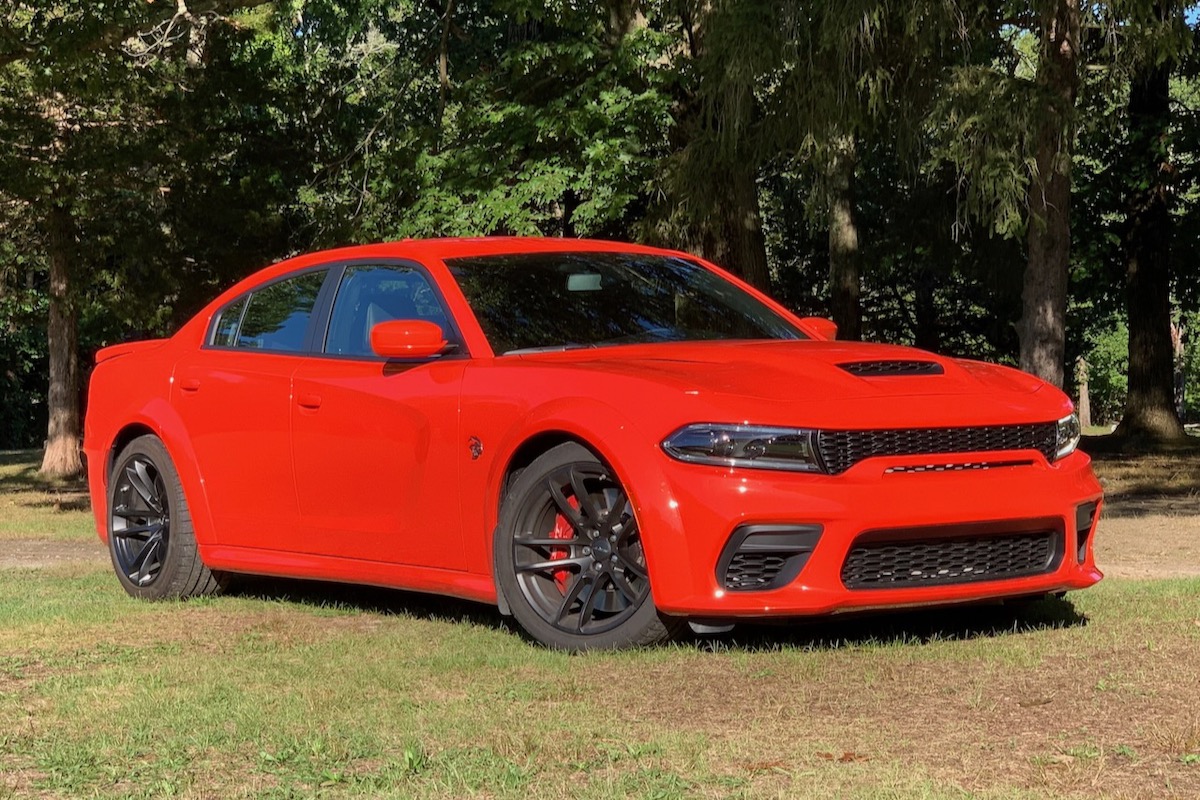
CarGurus data reveals clear patterns about which Charger model years deliver the best value in Houston. The right model year choice depends on your budget, your priorities, and how much car you want for the money. For more information on the Charger by generation and model year, check out our Dodge Charger Buying Guide.
Best Charger Years for Houston
| Category |
Best Years |
Houston Avg. Price |
Why They're Best |
| Best Overall |
2020–2022 |
$23,318–$29,710 |
Fully refined seventh-gen, Wide Body available, excellent reliability, modern connectivity |
| Best Value |
2019 |
$20,024 |
1.9% Houston discount, CarPlay/Android Auto, post-refresh reliability, balanced price-to-features |
| Best Budget Option |
2015–2017 |
$10,330–$12,185 |
Post-refresh chassis, 8-speed standard, 19–33% Houston discounts |
| Best Local Discount |
2017 |
$12,185 |
33.2% below national average, Apple CarPlay added, strong reliability record |
Best Overall: 2020–2022
These late seventh-generation model years represent the most complete Charger package. The 2020 introduced Wide Body variants for Scat Pack and Hellcat trims, adding wider tires and more aggressive styling. All three years benefit from a fully matured platform with excellent reliability. In Houston, the 2020 stands out at $23,318 — a 2.9% discount versus the national average of $24,022 — while the 2022 at $29,710 matches the national average exactly, offering fresh inventory with 53,830 average miles.
Best Value: 2019
The 2019 Charger hits an appealing balance of modern features and depreciation. It includes Apple CarPlay, Android Auto, and all the post-2015 chassis improvements. In Houston, the 2019 averages $20,024, a 1.9% discount versus the national average of $20,418, with 89,717 average miles. For buyers who want a well-equipped, reliable Charger without crossing the $25,000 threshold, the 2019 is the target.
Best Budget Option: 2015–2017
The post-refresh seventh generation at its most affordable. These cars share the same retuned chassis, standard eight-speed automatic, and improved interior materials as later models. Houston pricing is exceptionally favorable: the 2015 at $10,330 is 19.0% below national, the 2016 at $13,417 is 16.6% below, and the 2017 at $12,185 is a remarkable 33.2% below national pricing. Mileage runs higher (128,681–131,097 miles), but these Chargers are engineered to handle it.
Best Local Discount: 2017
The single best value in Houston's Charger market. At $12,185, the 2017 is 33.2% below the national average of $18,247 — a savings of over $6,000. The 2017 was the first Charger with Apple CarPlay and Android Auto, and it added Daytona trim levels. With 130,541 average miles, these are high-mileage cars, but the post-2015 Charger drivetrain is built for this kind of accumulation.
Worst Charger Years for Houston
| Years |
Houston Avg. Price |
Avg. Mileage |
Concerns |
| 2006–2008 |
N/A (limited inventory) |
N/A |
Highest complaint rates of any Charger generation; valve seal failures, transmission issues, electrical gremlins |
| 2011–2012 |
N/A (limited inventory) |
N/A |
Electrical and infotainment glitches; improved over sixth-gen but less reliable than 2013+ models |
Avoid: 2006–2008
These early sixth-generation Chargers generate the highest number of owner complaints of any modern Charger. The 2006 was an entirely new design with a new engine family and complex Mercedes-Benz-derived electrical systems — a recipe for teething problems. Valve seal and head gasket failures are common, particularly on the 5.7-liter Hemi V8, and the wiring system produces persistent electrical issues. These cars are largely absent from Houston's current inventory, which tells its own story. More reliable 2014–2015 seventh-generation models are available at similar or lower prices.
Approach Carefully: 2011–2012
The first two years of the redesigned seventh-generation Charger are significantly more reliable than the sixth generation, but they still trail later models. Electrical system and infotainment complaints are the primary issues — the engines and transmissions themselves are solid. These model years are also absent from Houston's current market data, but if you encounter one, get a thorough pre-purchase inspection focused on the electrical system and infotainment functionality before committing.
Charger Pros and Cons
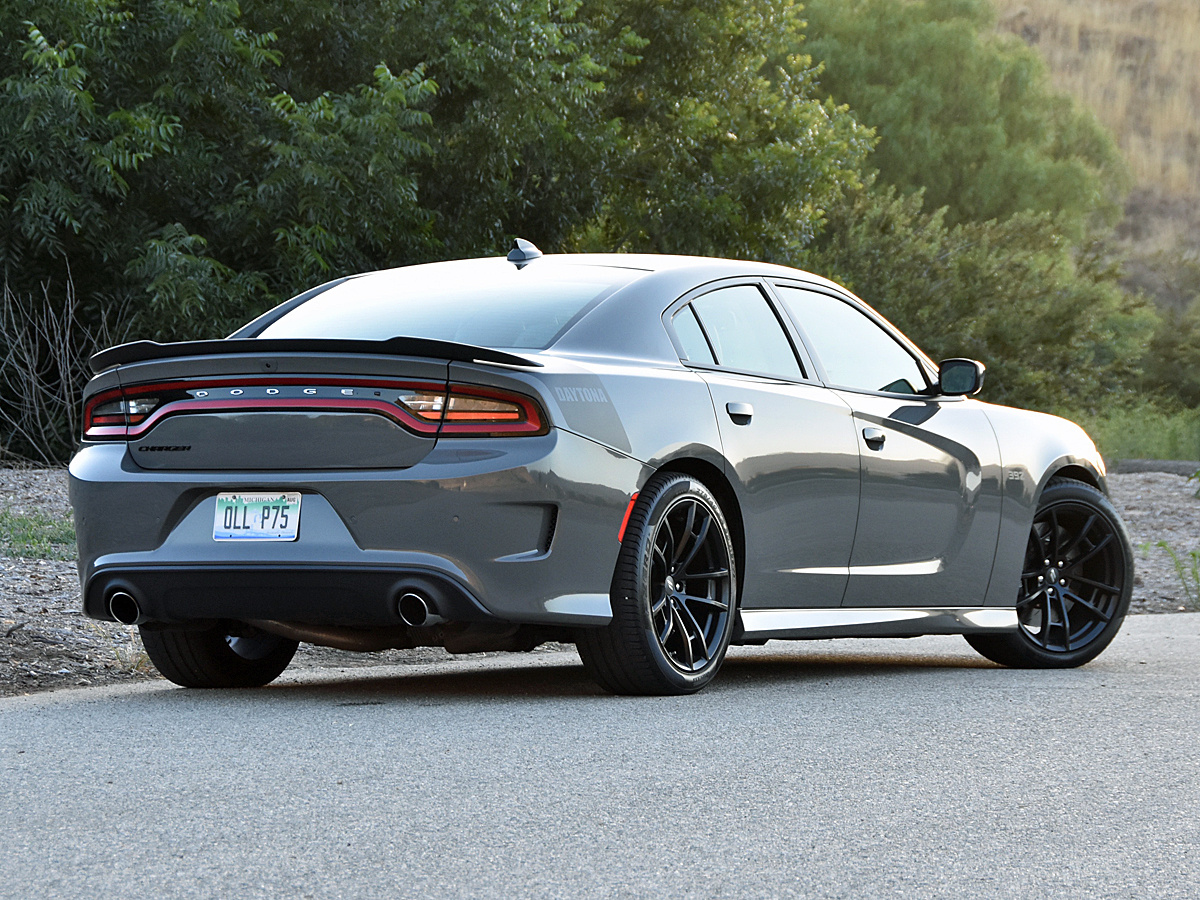
Houston rewards the Charger's strengths. Long highway commutes benefit from the spacious cabin and comfortable ride, Texas heat demands a reliable climate system, and the wide-open roads give the Charger's performance capabilities room to breathe. The Charger is a lot of car for the money — but it's not for everyone.
Pros
Muscle Car Style and Presence
The Charger looks like nothing else on the road — a full-size, four-door sedan with genuine muscle car proportions and attitude. The seventh-generation design (2011–2023) is aggressive and distinctive, and special editions like the Daytona, Scat Pack, and Hellcat add even more visual drama. In Houston's car-friendly culture, the Charger draws attention without trying.
Exceptional Powertrain Range
No other sedan offers this breadth of performance options. The 3.6-liter Pentastar V6 provides 292 horsepower for efficient daily driving. The 5.7-liter Hemi V8 delivers 370 horsepower for serious muscle. The 6.4-liter Hemi in the Scat Pack pushes 485 horsepower, and the supercharged Hellcat tops out at 707–807 horsepower. Every powertrain is proven and durable.
Spacious and Comfortable Interior
The Charger seats five adults comfortably with a large trunk — practical enough for daily family duty, road trips, and grocery runs. The cabin is functional and well-laid-out, with UConnect infotainment that remains one of the more intuitive systems on the market. Apple CarPlay and Android Auto have been standard since 2017.
Strong Houston Deal Quality
Houston buyers have a meaningful advantage when it comes to finding well-priced Chargers. 36% of Houston listings qualify as Good or Great Deals, compared to 28% nationally. The 8% Great Deal rate is also above the national 6%. Older model years (2015–2017) offer particularly steep Houston discounts — up to 33.2% below national pricing.
Proven Durability
The Charger's platform has been in service long enough to establish a strong durability record. Post-2015 seventh-generation models are notably reliable across all powertrains. These cars are used by law enforcement agencies across the country, which speaks to their mechanical toughness and ability to handle high-mileage, high-stress use.
Available All-Wheel Drive
While Houston rarely sees snow, the AWD option provides added traction during heavy rainstorms — a regular occurrence in the Houston metro. AWD is available on V6-powered SXT and GT models, making the Charger practical for drivers who want extra confidence in wet conditions.
Cons
Poor Fuel Economy
The Charger is a big, heavy car, and it drinks fuel accordingly. Even the V6 manages only about 27 mpg highway, and the 5.7-liter Hemi drops to around 19 mpg. Hellcat models are worse. For Houston commuters covering long daily distances, fuel costs add up. There is no hybrid option (the new eighth-generation electric model isn't widely available used yet).
Sixth-Generation Reliability Problems
The 2006–2010 Charger is the clear weak spot in the model's history. Valve seal failures, head gasket issues, transmission problems, and electrical gremlins make these cars risky purchases despite their low prices. The 2006–2008 model years are the worst offenders. Buyers on a tight budget are better off stepping up to a 2014 or 2015 seventh-generation car.
Dated Technology (Pre-2017)
Chargers built before 2017 lack Apple CarPlay and Android Auto. Pre-2015 models also have older infotainment software and a smaller standard display. While the UConnect system works well, older versions feel dated by current standards. For Houston commuters who rely on smartphone navigation for traffic routing, 2017+ models are worth the premium.
Higher Mileage on Best-Value Years
The strongest Houston discounts come with significant mileage. The 2017 model at $12,185 averages 130,541 miles; the 2014 at $7,761 averages 161,521 miles. These Chargers can handle it, but maintenance costs increase with mileage, and buyer expectations should be calibrated accordingly.
Performance Models Attract Hard Driving
The Charger's muscle car image and high-horsepower variants mean many used examples have been driven enthusiastically. Hellcat and Scat Pack models are particularly likely to have seen burnouts, hard launches, and spirited highway runs. A thorough pre-purchase inspection is essential on any high-performance Charger — check tires, brakes, and suspension wear carefully.
Final Verdict for Houston Buyers
The 2020–2022 model years represent the clearest recommendation for most buyers — fully refined seventh-generation cars with modern connectivity, excellent reliability, and Houston's strongest inventory selection. For buyers on a tighter budget, the 2019 offers the same post-refresh quality at $20,024, and the 2015–2017 models deliver proven performance under $14,000 with exceptional Houston discounts. Just steer clear of the sixth-generation cars (2006–2010), where the Charger's reliability reputation doesn't hold, and inspect any high-performance model carefully. The Charger won't save you money at the pump, but for Houston drivers who want a spacious, powerful, genuinely exciting sedan — and Houston's 36% Good and Great Deal rate makes finding one at a fair price easier than in most markets — it's hard to beat.