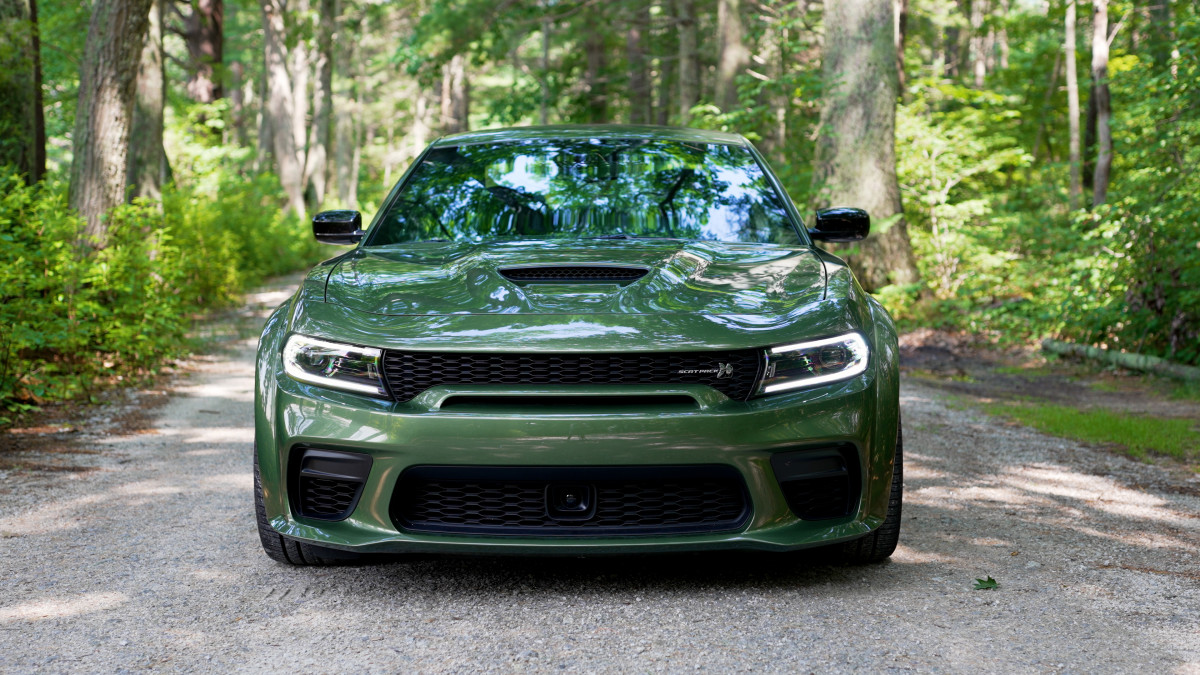
What is a Good Price for a Used Dodge Charger in Chicago?
Used Chargers in Chicago average $28,386 — a 9.7% premium over the national average of $25,874. Chicago's strong demand for muscle sedans drives prices slightly higher, but the market's exceptional deal quality rate means patient buyers can still land significant value.
Price by Model Year in Chicago
The modern Charger spans two main generations on the used market. The seventh-generation "LD" (2011–2023) received a major refresh in 2015, making it essentially two eras: the 2011–2014 models and the substantially improved 2015–2023 cars. The sixth-generation "LX" (2006–2010) is the oldest and least reliable of the modern Chargers. A new eighth-generation model arrived for 2025 with turbocharged inline-six and electric powertrains.
| Model Year |
Chicago Avg. Price |
National Avg. Price |
Chicago Avg. Mileage |
Inventory Share |
| 2023 |
$41,750 |
$34,755 |
33,088 mi |
105% |
| 2022 |
$33,355 |
$29,716 |
51,943 mi |
132% |
| 2021 |
$31,027 |
$28,377 |
60,801 mi |
86% |
| 2020 |
$23,164 |
$24,022 |
76,015 mi |
85% |
| 2019 |
$21,060 |
$20,418 |
82,007 mi |
78% |
| 2018 |
$20,591 |
$20,172 |
81,472 mi |
67% |
| 2017 |
$16,058 |
$18,247 |
114,632 mi |
44% |
| 2016 |
$23,846 |
$16,086 |
89,013 mi |
27% |
| 2015 |
$15,229 |
$12,755 |
112,106 mi |
28% |
| 2014 |
$9,469 |
$10,852 |
125,049 mi |
20% |
Late Seventh Generation (2020–2023): $23,164–$41,750
The final years of the seventh-generation Charger command the highest prices, particularly 2023 "last call" special editions averaging $41,750 in Chicago — a 20.1% premium over the national average of $34,755. The 2020 model year stands out as the value sweet spot in this tier at $23,164, actually 3.6% below the national average of $24,022 — the only recent model year where Chicago buyers have a price advantage. These cars benefit from the Wide Body option, mature infotainment, and the full suite of available powertrains.
Mid Seventh Generation (2015–2019): $15,229–$21,060
The 2015 refresh made the eight-speed automatic standard and introduced the Hellcat. Models from 2017 onward added Apple CarPlay and Android Auto. The 2017 is the standout value here at $16,058 — a 12.0% discount versus the national average of $18,247. The 2018 and 2019 model years hover near national pricing at $20,591 and $21,060, respectively, with meaningfully lower mileage than the national fleet.
Early Seventh Generation (2014): $9,469
The 2014 model year offers the most affordable entry into seventh-generation Charger ownership at $9,469 in Chicago — 12.7% below the national average of $10,852. These cars share the improved 3.6-liter Pentastar V6 and available SRT8 6.4-liter V8 with later models, though they lack the 2015 refresh's interior and transmission improvements. At 125,049 average miles, budget is the main draw here.
Understanding the Chicago Price Premium
The 9.7% premium over national pricing reflects several local dynamics unique to Chicago's market.
Muscle car culture: The Charger's bold styling and powerful engine options resonate strongly in the Midwest. Chicago's car culture, from cruise nights on Lake Shore Drive to suburban car meets, keeps demand elevated for performance sedans.
AWD demand: Chicago's harsh winters make the Charger's available all-wheel-drive system a genuine selling point. AWD models command higher prices locally, and the Charger is one of very few performance sedans that offered it.
Lower mileage inventory: Chicago Chargers average 69,619 miles versus 74,262 nationally — a 6.3% mileage advantage. Buyers are paying slightly more but getting fresher cars on average.
Strong deal quality offsets the premium: Despite higher average prices, 42% of Chicago listings qualify as Good or Great Deals compared to just 28% nationally. The market rewards buyers who shop carefully.
Good and Great Deals in Chicago
42% of Chicago Charger listings qualify as Good or Great Deals — 14 percentage points above the national average of 28%. This is an exceptionally strong deal market, meaning nearly half of all local Chargers are priced favorably relative to their condition and mileage.
| Deal Rating |
Chicago Percentage |
National Percentage |
| Great Deals |
7% |
6% |
| Good Deals |
35% |
21% |
Chicago's 35% Good Deal rate is especially notable — nearly double the national 21%. The 2020 and 2017 model years show the strongest local pricing advantages, making them the best targets for deal hunters.
What is the Most Reliable Used Dodge Charger in Chicago?
The Dodge Charger's reliability story is a tale of two eras. The sixth-generation "LX" models (2006–2010) earned a mixed reputation thanks to complex Mercedes-derived electronics and some engine issues. But the seventh-generation "LD" Charger (2011–2023) improved dramatically, particularly after the 2015 refresh — and even high-performance Hellcat models have proven surprisingly durable. For Chicago buyers facing salt, potholes, and temperature extremes, knowing which era to target matters.
Most Reliable by Era
Seventh Generation, Post-Refresh (2015–2023): This is the most reliable era of the modern Charger. The 2015 update standardized the eight-speed automatic transmission, refined the electrical systems, and introduced new trim levels including the Hellcat. Models from 2017 onward are particularly solid — Dodge had ironed out the remaining quirks, and complaint rates dropped to minimal levels. Even Hellcat models, despite their supercharged 707+ horsepower, don't appear to be meaningfully less reliable than the base V6 SXT. Chicago listings for 2018–2019 models average 81,472–82,007 miles, well within this generation's comfortable operating range.
Seventh Generation, Early (2011–2014): The 2011 redesign brought the new Pentastar V6, sleeker styling, and improved interiors, but the 2011 and 2012 model years had more than their share of teething problems — primarily electrical system and infotainment glitches, not fundamental mechanical failures. By 2013, quality improved noticeably, and the 2014 model year is a solid entry point. Chicago's 2014 Chargers average 125,049 miles at $9,469, and these cars are generally holding up well mechanically.
Sixth Generation (2006–2010): The least reliable modern Charger generation. The 2006–2008 models generate the highest complaint rates, with documented issues including valve seal and head gasket failures, transmission problems, and electrical gremlins in the complex Mercedes-derived wiring. These early Chargers are also more rust-prone than later models — a significant concern for Chicago buyers dealing with road salt every winter. The 2009 and 2010 models are somewhat improved, but this entire generation is best approached with caution.
Key Improvements by Model Year — Seventh Generation (2011–2023)
| Model Year |
Key Improvements |
| 2011 |
All-new Pentastar 3.6L V6 (292 hp), redesigned interior, updated UConnect infotainment, blind-spot monitoring available |
| 2012 |
Eight-speed automatic available, SRT8 returns with 470-hp 6.4L Hemi, new SXT trim |
| 2015 |
Comprehensive refresh — eight-speed auto standard, retuned chassis, improved interior materials, Hellcat (707 hp) and Scat Pack (485 hp) introduced |
| 2017 |
Apple CarPlay and Android Auto added, Daytona trim levels introduced |
| 2020 |
Wide Body option for SRT Hellcat and Scat Pack — fender flares and wider tires adding 3.5 inches of width |
| 2022 |
Jailbreak variant with 807-hp supercharged Hemi; SRT Hellcat Redeye enhancement |
Charger-Specific Reliability Considerations
Electrical systems (2006–2012): The Mercedes-derived electrical architecture in sixth-generation models and early seventh-generation cars is the Charger's biggest reliability concern. Complex wiring, sensitive control modules, and early UConnect infotainment systems account for the majority of complaints. In Chicago's temperature extremes — from sub-zero winters to hot summers — electrical components face additional stress. By 2013, these issues were largely resolved.
Rust and corrosion: Chicago's heavy use of road salt makes rust a legitimate concern, especially for sixth-generation models (2006–2010), which are documented as more rust-prone than later cars. Seventh-generation models use improved coatings, but any Charger driven through Illinois winters should be inspected for undercarriage corrosion. This is particularly important for high-performance models with exposed brake components and exhaust systems.
Engine durability: The 5.7-liter and 6.4-liter Hemi V8s are inherently robust engines, and the 3.6-liter Pentastar V6 has proven itself across millions of Chrysler products. The supercharged 6.2-liter Hellcat engine is surprisingly reliable given its output. The main engine-related issues are confined to the sixth generation's valve seal and head gasket problems, primarily in 2006–2008 models.
Transmission performance: The five-speed automatic in pre-2012 models is adequate but dated. The eight-speed automatic introduced in 2012 (standard from 2015) is more refined and efficient. Both are generally reliable, though the five-speed can develop shift quality issues at high mileage — a consideration given that Chicago's 2014 models average 125,049 miles.
What to Check When Buying
- Undercarriage rust inspection: Critical for any Charger that has spent winters in Chicago. Check rocker panels, wheel wells, subframe mounting points, and brake lines. Budget for rust remediation if needed.
- Electrical system test: Cycle through all windows, locks, lights, and infotainment functions. On 2006–2012 models, electrical gremlins are the most common complaint. Verify UConnect responds without freezing.
- Oil consumption check (2006–2010): Early Hemi V8s can consume oil. Check the dipstick and ask about top-off frequency. Bluish exhaust smoke at startup indicates valve seal wear.
- Transmission shift quality: Drive through all gears, including reverse. On five-speed models, look for delayed or rough shifts. On eight-speed models, the experience should be smooth and responsive.
- Performance model history: Hellcat and Scat Pack models attract aggressive driving. Look for signs of hard use — worn tires, aftermarket modifications, launch control wear on drivetrain components. A pre-purchase inspection is essential for high-performance variants.
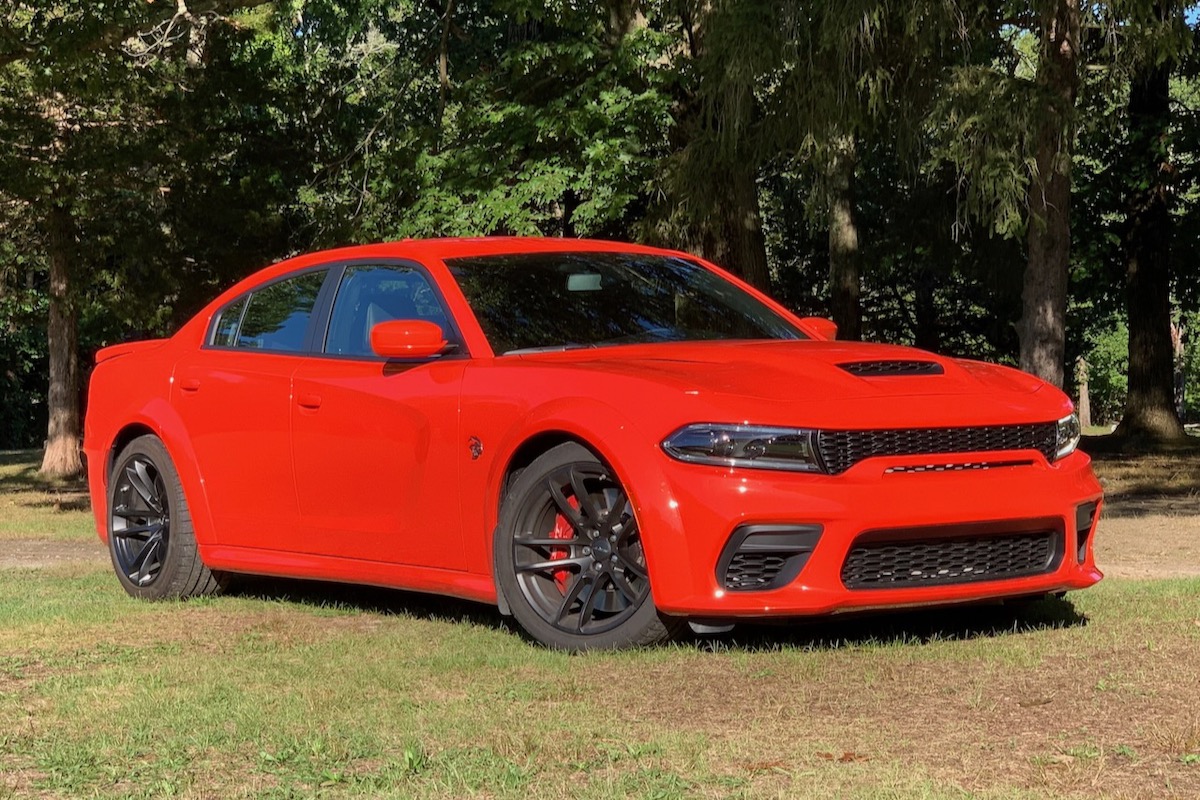
Best and Worst Dodge Charger Years in Chicago
CarGurus data reveals clear patterns about which Charger model years offer the best value and reliability in the Chicago market. For more information on the Charger by generation and model year, check out our Dodge Charger Buying Guide.
Best Charger Years for Chicago
| Category |
Best Years |
Chicago Avg. Price |
Why They're Best |
| Best Overall |
2020–2022 |
$23,164–$33,355 |
Mature seventh-gen, Wide Body available, proven reliability, full feature set |
| Best Value |
2020 |
$23,164 |
3.6% below national average, Wide Body debut year, 76,015 avg miles |
| Best for Modern Features |
2017–2019 |
$16,058–$21,060 |
Apple CarPlay/Android Auto standard, Daytona trims, strong reliability |
| Best Local Discount |
2014 |
$9,469 |
12.7% below national, dependable seventh-gen, sub-$10k entry point |
Best Overall: 2020–2022
These model years represent the fully mature seventh-generation Charger with the complete range of powertrains, from the efficient V6 to the 807-horsepower Jailbreak Hellcat. The 2020 introduced the Wide Body option, and by this point the platform had been refined over nearly a decade. In Chicago, the 2020 stands out at $23,164 — actually 3.6% below the national average of $24,022, making it a rare value in a market that generally carries a premium.
Best Value: 2020
The 2020 Charger is the clear value pick for Chicago buyers. It's the only recent model year priced below the national average, it introduced the Wide Body option, and it averages 76,015 miles locally — leaving plenty of life in these cars. For buyers who want modern features and proven reliability without paying the premium commanded by 2021–2023 models, the 2020 is hard to beat.
Best for Modern Features: 2017–2019
Apple CarPlay and Android Auto became standard in 2017, and the Daytona trim levels added a compelling mid-range performance option. The 2017 is the standout deal here at $16,058 — 12.0% below the national average of $18,247. The 2018 and 2019 hover near national pricing but offer lower average mileage than the national fleet at 81,472 and 82,007 miles, respectively.
Best Local Discount: 2014
At $9,469 — 12.7% below the national average of $10,852 — the 2014 Charger offers the most affordable entry into reliable seventh-generation ownership. By 2014, the early electrical teething issues had been resolved, and the Pentastar V6 and Hemi V8 were running smoothly. Higher average mileage at 125,049 miles is the trade-off, but these are fundamentally durable cars.
Worst Charger Years for Chicago
| Years |
Concerns |
| 2006–2008 |
Highest complaint rates of any Charger generation — valve seal failures, head gasket issues, transmission problems, electrical gremlins, rust-prone |
| 2011–2012 |
Electrical system and infotainment teething problems from the seventh-gen redesign; improved from sixth-gen but still below the post-2013 standard |
Avoid: 2006–2008
These are the worst modern Chargers for reliability, with the highest complaint volumes across valve seals, head gaskets, transmissions, and electrical systems. The complex Mercedes-derived components were still being sorted out, and these are now the oldest and most worn examples on the market. In Chicago, the added risk of salt-induced rust makes these models a particularly poor choice. More reliable 2014 models are available for similar money at $9,469.
Approach Carefully: 2011–2012
The seventh-generation redesign was a major improvement, but the first two years had above-average complaint rates, primarily for electrical and infotainment issues. These aren't fundamental mechanical failures, but they're annoying and can be expensive to diagnose. If you find a well-maintained 2011 or 2012, a pre-purchase inspection focused on electrical systems is essential. Otherwise, step up to a 2013 or 2014 for notably better reliability at a similar price point.
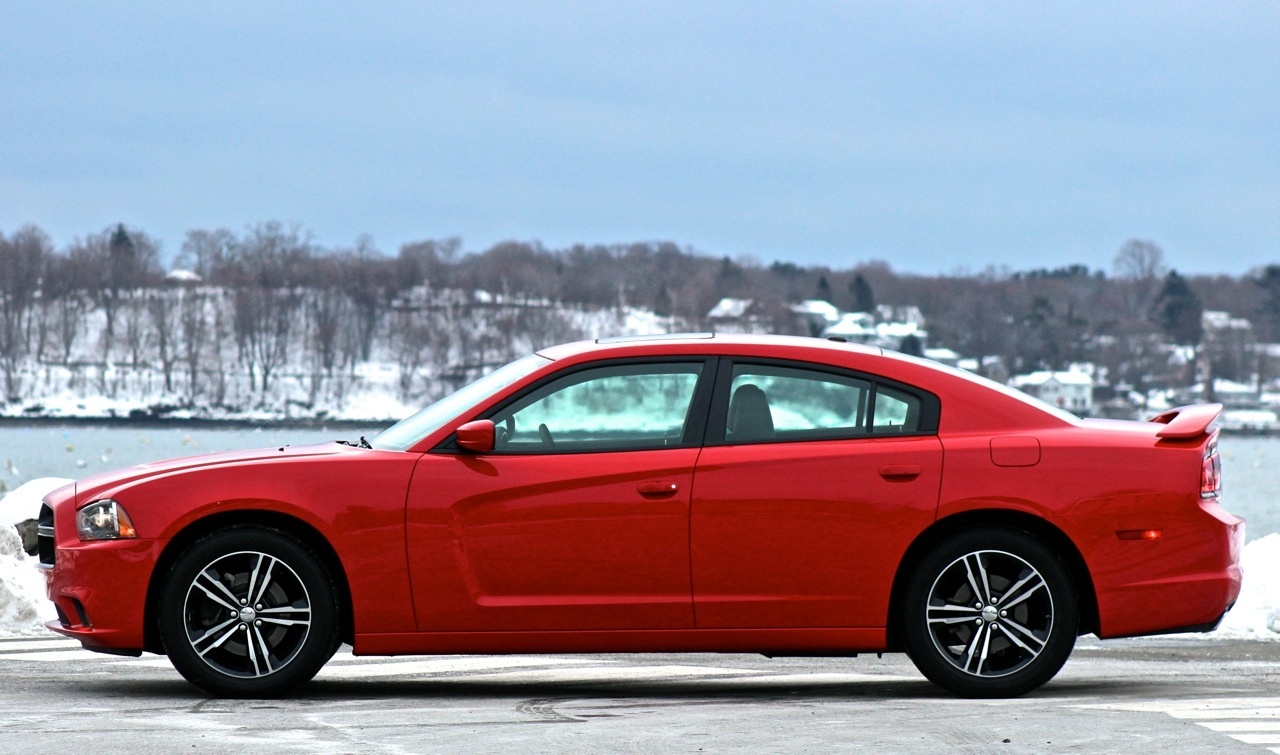
Dodge Charger Pros and Cons
Chicago rewards the Charger's strengths in some ways and exposes its weaknesses in others. Long expressway commutes benefit from its spacious cabin and available V8 power; harsh winters test its durability and make AWD versions genuinely practical. Here's how the Charger stacks up for Chicago ownership.
Pros
Exceptional Deal Quality in Chicago
Chicago's Charger market offers an outstanding 42% Good and Great Deal rate — 14 percentage points above the national average of 28%. Despite the 9.7% local price premium, nearly half of all listings are priced favorably. Patient shoppers who use CarGurus deal ratings can offset the premium entirely.
Genuine Muscle Car Character
No other four-door sedan offered the Charger's range of powertrains — from the 292-hp Pentastar V6 to the 807-hp supercharged Hellcat. The exhaust note, the aggressive styling, and the rear-wheel-drive dynamics give the Charger an emotional appeal that competitors simply can't match. For Chicago buyers who want a car with personality, the Charger delivers.
Spacious and Practical Interior
The Charger seats five adults comfortably with a generous trunk — it's a full-size sedan that happens to look like a muscle car. For families who need daily practicality but don't want to sacrifice style, the Charger makes a compelling case. The rear seat is particularly spacious compared to sportier alternatives.
Available All-Wheel Drive
In a city that sees significant snowfall, the Charger's available AWD system is a real advantage. AWD was offered on V6 SXT and GT models from 2015 onward, making the Charger one of very few performance-oriented sedans with winter capability. Chicago's expressways in January are much more manageable with power going to all four wheels.
Strong Post-2013 Reliability
Seventh-generation Chargers built from 2013 onward have proven durable and dependable. Even high-performance Hellcat models hold up well with proper maintenance. The 3.6-liter V6 and 5.7-liter Hemi V8 are both well-proven powerplants with long service lives, and the eight-speed automatic (standard from 2015) shifts smoothly and holds up to high mileage.
Lower Local Mileage
Chicago Chargers average 69,619 miles versus the national average of 74,262 miles — 6.3% less wear on the clock. Combined with the strong deal quality rate, this means Chicago buyers can find well-priced Chargers in above-average condition.
Cons
Chicago Price Premium
At $28,386, Chicago's average Charger price sits 9.7% above the national average of $25,874. Strong local demand — driven by muscle car culture and AWD appeal — inflates prices. Buyers need to be strategic, targeting model years like 2020 ($23,164, 3.6% below national) and 2017 ($16,058, 12.0% below national) where local discounts exist.
Fuel Economy
The Charger was never designed for efficiency. Even the base V6 manages only 27 mpg highway, and Hemi V8 models top out at 19–25 mpg highway depending on configuration. For Chicago commuters covering significant daily miles, fuel costs add up — especially in stop-and-go expressway traffic where real-world numbers fall further.
Rust Risk in Chicago Winters
Road salt is a Charger's enemy. Sixth-generation models (2006–2010) are documented as more rust-prone than later cars, and any Charger that's spent winters in the Chicago area should be carefully inspected for undercarriage corrosion. Budget for rust prevention or remediation, particularly on models over five years old.
Sixth-Generation Reliability Issues
The 2006–2010 Charger is the weak link in the lineup. Valve seal failures, head gasket problems, transmission issues, and electrical gremlins make these early models risky buys. Their low prices can be tempting, but the potential for expensive repairs makes seventh-generation models the smarter choice at similar money.
Dated Technology (Pre-2017)
Chargers built before 2017 lack Apple CarPlay and Android Auto. The earlier UConnect systems work but feel dated by modern standards. Interior materials on pre-2015 models are functional but not premium. If connectivity and interior refinement matter, target 2017 or newer.
Who Should Buy a Dodge Charger in Chicago?
Ideal buyers based on data patterns:
- Commuters who want a spacious, comfortable sedan with genuine performance character — especially at the 2020 price point of $23,164
- Families who need practical space but refuse to drive something boring — the Charger's trunk and rear seat rival midsize SUVs
- Winter drivers who want performance with AWD capability — V6 AWD models from 2015+ are uniquely positioned in this segment
- Performance enthusiasts seeking Hellcat or Scat Pack power in a practical package — Chicago's 42% deal rate makes even premium trims accessible
- Budget buyers targeting the 2014 model year at $9,469 for reliable seventh-gen ownership under $10,000
Consider alternatives if:
- Fuel economy is a top priority — the Charger is thirsty across all powertrain options
- You need the latest safety technology — even late-model Chargers lag behind newer competitors in driver-assistance features
- You're considering a 2006–2010 model — the reliability risk outweighs the price advantage; a 2014 Charger at $9,469 is the smarter sub-$10k choice
- You want a refined, quiet highway cruiser — the Charger is comfortable but never truly quiet, especially with V8 models
Final Verdict for Chicago Buyers
The Dodge Charger is a uniquely compelling used car — a full-size muscle sedan with available AWD, massive power options, and proven post-2013 reliability. Chicago's market carries a modest 9.7% price premium, but an exceptional 42% Good and Great Deal rate and 6.3% lower average mileage than the national fleet make this a strong market for informed buyers. Target the 2020 model year at $23,164 for the best combination of value, features, and reliability, or the 2017 at $16,058 for a strong deal on a fully connected Charger. Steer clear of 2006–2010 models, where Chicago's road salt amplifies already-questionable reliability. The Charger won't sip fuel or whisper down the highway, but for Chicago buyers who want a car that's equal parts practical and thrilling, few alternatives come close.