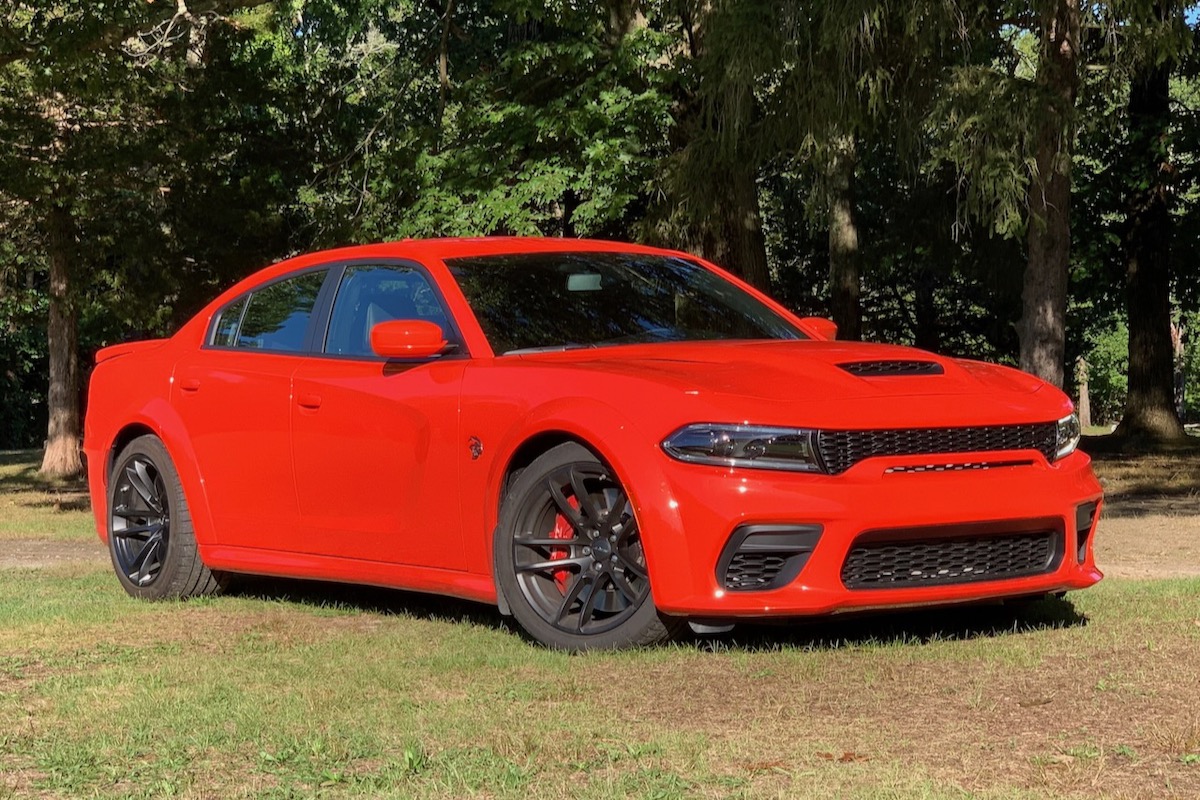
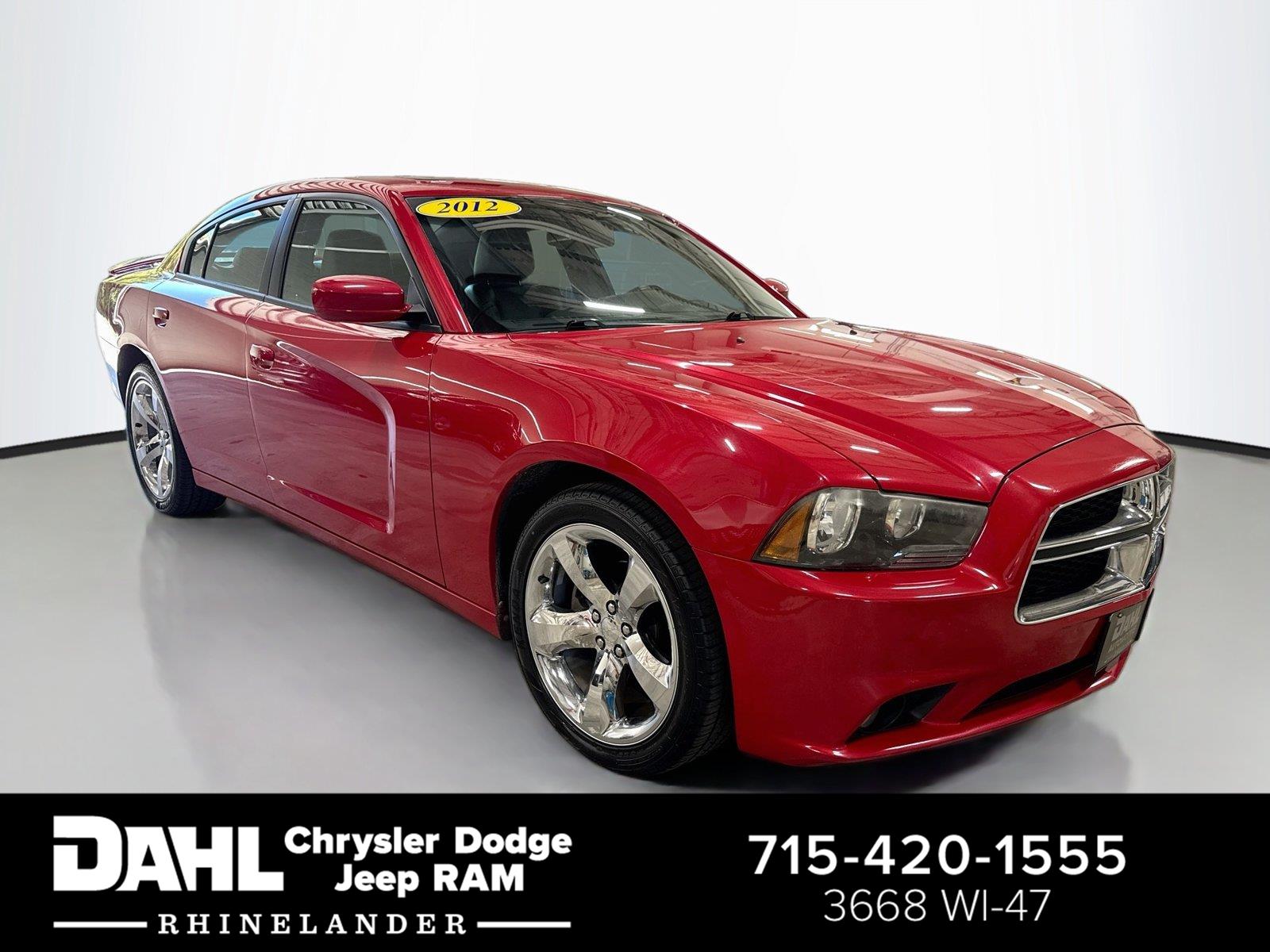
What is a Good Price for a Used Dodge Charger in Atlanta, GA?
Used Chargers in Atlanta average $29,241 — a 13% premium over the national average of $25,874. Atlanta's love affair with the Charger drives demand, but deal availability is surprisingly strong, and certain model years buck the trend entirely.
Price by Model Year in Atlanta, GA
The modern Charger spans two main generations in the used market. The seventh-generation "LD" (2011–2023) dominates listings and divides into two eras: the 2011–2014 models and the significantly updated 2015–2023 models that brought a standard eight-speed automatic, the Hellcat, and wide-body variants. The sixth-generation "LX" (2006–2010) represents the original modern Charger revival, sharing its platform with the Chrysler 300.
| Model Year |
Atlanta Avg. Price |
National Avg. Price |
Atlanta Avg. Mileage |
| 2023 |
$44,580 |
$34,755 |
34,489 miles |
| 2022 |
$34,839 |
$29,716 |
58,660 miles |
| 2021 |
$37,644 |
$28,377 |
71,210 miles |
| 2020 |
$25,232 |
$24,022 |
84,347 miles |
| 2019 |
$20,171 |
$20,418 |
102,340 miles |
| 2018 |
$22,087 |
$20,172 |
96,684 miles |
| 2017 |
$18,843 |
$18,247 |
121,494 miles |
| 2016 |
$17,383 |
$16,086 |
125,218 miles |
| 2015 |
$15,472 |
$12,755 |
125,553 miles |
| 2014 |
$10,769 |
$10,852 |
120,072 miles |
Late Seventh Generation (2020–2023): $25,232–$44,580
The final years of the LD Charger carry the biggest Atlanta premiums. The 2023 model year — the last production year, featuring coveted "last call" special editions like the Super Bee and King Daytona — averages $44,580 locally, a 28.3% premium over the national $34,755. The 2021 shows an even steeper premium at 32.7% ($37,644 vs. $28,377), reflecting Atlanta's appetite for higher-trim and performance variants. The 2020 model year is where premiums start to moderate at just 5.0% above national ($25,232 vs. $24,022), offering the wide-body Hellcat and Scat Pack in a more accessible price range.
Mid Seventh Generation (2015–2019): $15,472–$22,087
This is the sweet spot for Atlanta Charger shoppers. The 2015 refresh brought the standard eight-speed automatic, the Hellcat, and improved interior quality. The 2019 model year stands out as the only year priced below national average — $20,171 versus $20,418, a 1.2% discount — making it the best local value in the current market. The 2018 carries a modest 9.5% premium ($22,087 vs. $20,172) but offers Apple CarPlay, Android Auto, and the GT AWD option that debuted that year.
Early Seventh Generation (2014–2017): $10,769–$18,843
Budget-friendly territory for Charger ownership. The 2014 model at $10,769 sits just 0.8% below national pricing — essentially at parity — making it the most affordably priced modern Charger in Atlanta. The 2017 at $18,843 carries a small 3.3% premium but represents the final pre-refresh year with Apple CarPlay and Android Auto integration. Average mileage climbs significantly in this tier, with 2017 models averaging 121,494 miles locally.
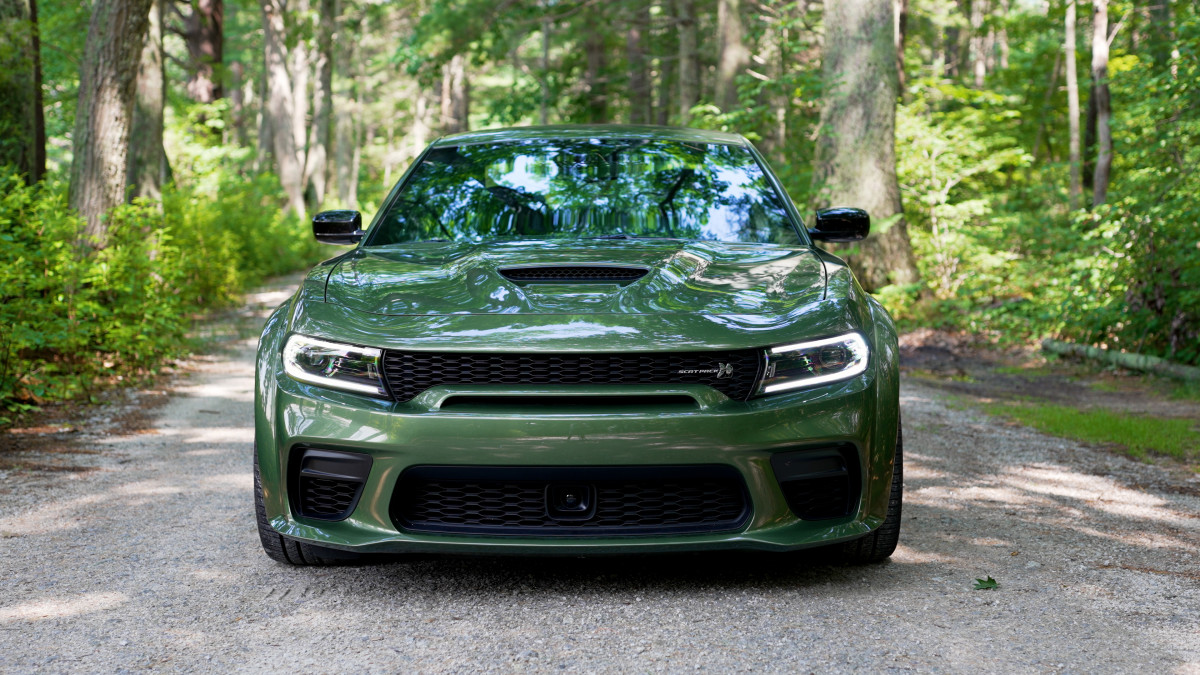
Understanding the Atlanta Price Premium
The 13% premium over national pricing reflects a few local dynamics.
The Southeast is Charger heartland. Rear-wheel-drive muscle sedans thrive in a region with mild winters, wide highways, and a strong car culture. Year-round driving conditions mean Atlanta Chargers rarely sit idle, which sustains demand even as national interest in sedans has softened.
Performance variants drive up the average. Atlanta's inventory skews toward higher-trim models. The 2021 and 2023 premiums of 32.7% and 28.3% suggest a disproportionate share of Scat Pack, SRT, Hellcat, and special-edition models in local listings. Buyers seeking base V6 SXT models may find less price pressure.
Higher local mileage reflects daily-driver use. Atlanta Chargers average 80,751 miles versus 74,139 nationally, an 8.9% difference. This is consistent with the Charger being used as a primary vehicle in a metro area where commutes are among the longest in the country.
Good and Great Deals in Atlanta, GA
41% of Atlanta Charger listings qualify as Good or Great Deals — substantially better than the national average of 28%. While the Great Deal rate is lower locally (3% vs. 6% nationally), the Good Deal rate is exceptionally strong at 38% compared to 21% nationally. This means competitive pricing is common in Atlanta, even if rock-bottom bargains are rarer.
| Deal Rating |
Atlanta Percentage |
National Percentage |
| Great Deals |
3% |
6% |
| Good Deals |
38% |
21% |
Atlanta's 38% Good Deal rate is nearly double the national 21%, indicating that while the overall market runs hot, a large share of listings are still competitively priced relative to market value. The 2019 and 2014 model years, which sit at or below national averages, represent the strongest opportunities for deal-focused buyers.
What is the Most Reliable Used Dodge Charger in Atlanta, GA?
The Dodge Charger's reliability story is one of clear generational improvement. The seventh-generation "LD" models (2011–2023) are substantially more dependable than the sixth-generation "LX" cars (2006–2010), and within the seventh generation, models from 2013 onward represent a meaningful step up from the early 2011–2012 cars. For Atlanta buyers, the good news is that the most reliable years also dominate local inventory.
Most Reliable by Era
2015–2023 (Late Seventh Generation)
The most reliable Chargers you can buy. The 2015 refresh brought a standard eight-speed automatic transmission, retuned chassis, and improved electronics. From this point forward, the Charger's complaint rate drops dramatically. Even the supercharged Hellcat models — producing up to 807 horsepower in Jailbreak trim — don't appear to be significantly less durable than the base V6 SXT. In Atlanta, these models average 84,347 to 34,489 miles depending on year, and the Charger's robust drivetrain handles high-mileage commuting well.
2013–2014 (Mid Seventh Generation)
After the initial bugs of 2011–2012 were ironed out, the LD Charger hit its stride. The 2012 model introduced the eight-speed automatic and SRT8 with the 470-horsepower 6.4-liter Hemi, and by 2013, most early electrical issues were resolved. CarGurus awarded the 2013 Charger a 7.7 overall score and the 2014 an 8.3. The 2014 model averages $10,769 in Atlanta with 120,072 miles — near national pricing and representing solid value for a reliable daily driver.
2011–2012 (Early Seventh Generation)
The LD Charger launched with updated styling and the new 3.6-liter Pentastar V6, but early models accumulated more than their fair share of problems — mostly electrical system and infotainment issues rather than fundamental mechanical failures. These aren't unreliable cars, but they're noticeably less polished than 2013+ models.
2006–2010 (Sixth Generation): The Exception
The least reliable modern Charger generation. Built on the "LX" platform with many Mercedes-Benz-derived components — E-Class and S-Class suspensions, a complex electrical system, and a five-speed automatic — these cars have generated many complaints about valve seals, head gaskets, transmission failures, and electrical gremlins. The 2006–2008 years are the worst offenders. In Atlanta's heat and humidity, the cooling system and electrical components face additional stress.
Key Improvements by Model Year — Seventh Generation (2011–2023)
| Model Year |
Key Improvements |
| 2011 |
New 3.6L Pentastar V6 (292 hp), redesigned interior, blind-spot monitoring, forward-collision warning |
| 2012 |
Eight-speed automatic transmission (30 mpg hwy), new SXT trim, SRT8 with 470-hp 6.4L Hemi |
| 2015 |
Comprehensive refresh: eight-speed auto standard, retuned chassis, 7.0" TFT display standard, R/T Scat Pack (485 hp), SRT Hellcat (707 hp) |
| 2017 |
Apple CarPlay and Android Auto integration, Daytona trim levels added |
| 2018 |
SE discontinued, SXT becomes entry-level; new AWD GT with 3.6L V6 |
| 2020 |
Wide Body models (Hellcat and Scat Pack), +3.5 inches overall width |
| 2022 |
Jailbreak variant, Hellcat Redeye bumped to 807 hp |
Charger-Specific Reliability Considerations
Electrical system complexity (2006–2012)
The LX and early LD Chargers use sophisticated wiring systems, some derived from Mercedes-Benz architecture. Electrical gremlins — phantom warning lights, infotainment freezes, power window and lock issues — are the most commonly reported problems for these years. Atlanta's summer heat and humidity can accelerate electrical connector corrosion, so inspect wiring harnesses carefully on pre-2013 models.
Valve seals and head gaskets (2006–2010)
The sixth-generation Charger is known for eating valve seals and head gaskets, particularly in V8 models. This is the single biggest reliability concern for any modern Charger. Repairs can be expensive, and the issue is well-documented across the 2006–2008 years especially. If you're considering a sixth-gen model, budget for a pre-purchase inspection that specifically checks for these issues.
Transmission durability
The five-speed automatic in 2006–2011 models is a known weak point, while the eight-speed that arrived in 2012 (and became standard in 2015) is a far more robust unit. High-performance models — even Hellcats — use the same ZF eight-speed and it holds up well under aggressive driving.
Hard-driving history
The Charger's muscle-car image and performance-oriented marketing encourage spirited driving. This is especially relevant in Atlanta, where straight stretches of I-285 and I-85 tempt owners. Always check for signs of abuse: uneven tire wear, aftermarket modifications, degraded brakes, and suspension wear beyond what mileage would suggest.
What to Check When Buying
- Service records: Look for documented oil changes and scheduled maintenance. The Charger is durable when maintained, but these cars often attract owners who prioritize modifications over maintenance.
- Oil consumption (2006–2010): Check oil levels on any sixth-generation model. Ask about consumption history and look for blue exhaust smoke. The seventh generation at similar prices is a safer investment.
- Electrical systems (pre-2013): Test all power windows, locks, infotainment functions, and warning lights. Cycle through every screen on the UConnect system. Intermittent electrical issues are the most common complaint on early models.
- Transmission behavior: Test the eight-speed (2012+) or five-speed (earlier) for clean, smooth shifts. Pay special attention to the five-speed automatic — harsh shifts or delayed engagement may signal impending failure.
- Undercarriage and cooling system: Atlanta's roads are generally kind to undercarriages, but check for damage from speed bumps and potholes. Inspect coolant condition and hose integrity, especially on V8 models — Atlanta summers stress cooling systems.
- Modification history: Chargers are heavily modified. Look for intake, exhaust, and tune modifications that may void warranty coverage or indicate hard use. Bone-stock examples in this market are worth a premium.
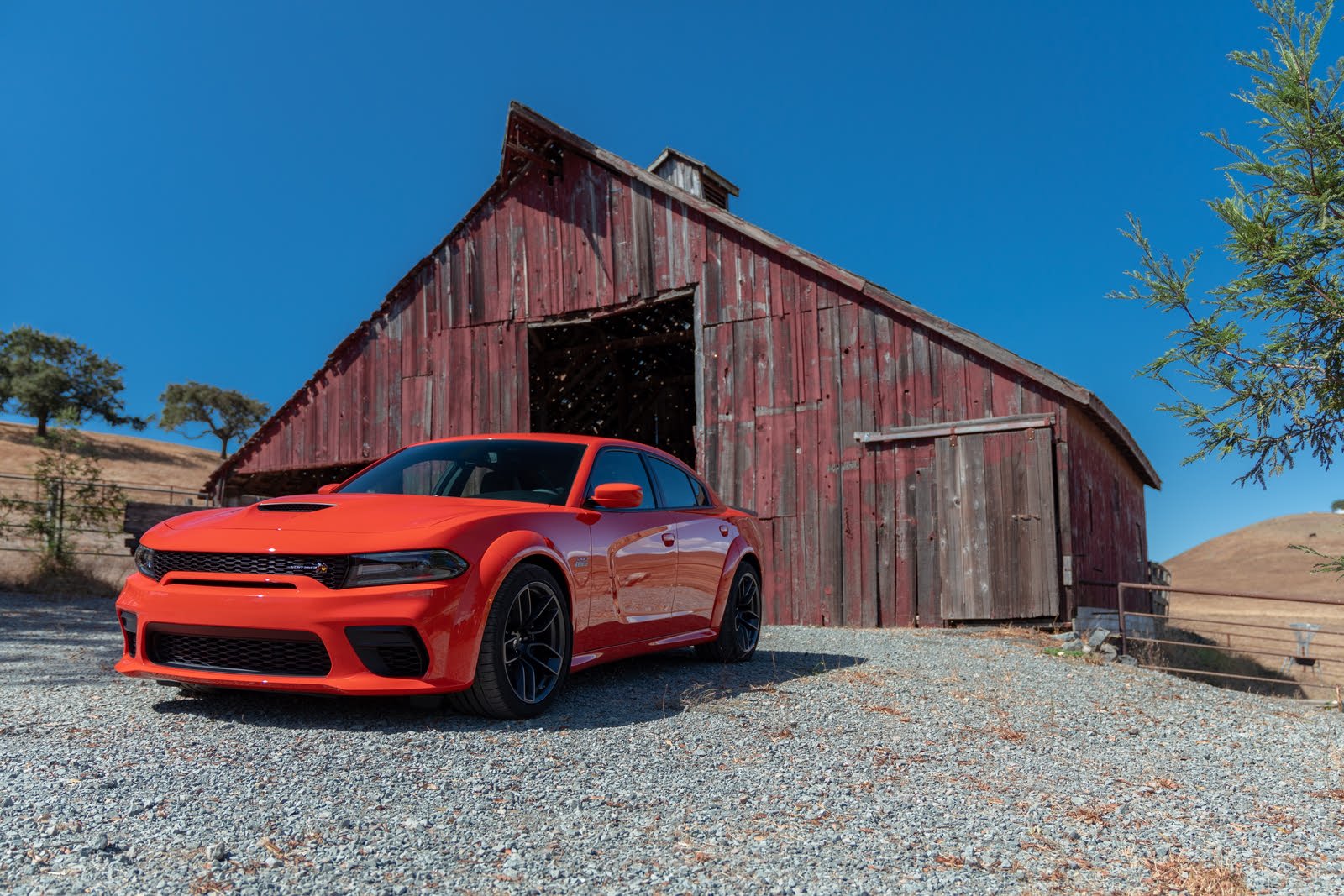
Best and Worst Dodge Charger Years in Atlanta, GA
CarGurus data reveals distinct pricing tiers and reliability patterns that make some Charger model years significantly better buys than others in the Atlanta market. For more information on the Charger by generation and model year, check out our Dodge Charger Buying Guide.
Best Charger Years for Atlanta, GA
| Category |
Best Years |
Atlanta Avg. Price |
Why They're Best |
| Best Overall |
2020–2022 |
$25,232–$34,839 |
Wide-body options, proven reliability, moderate premiums, full modern tech |
| Best Value |
2019 |
$20,171 |
Only year priced below national average in Atlanta, Apple CarPlay/Android Auto, post-2015 refresh reliability |
| Best for Modern Features |
2017–2018 |
$18,843–$22,087 |
First years with Apple CarPlay/Android Auto, AWD GT option (2018), small local premiums |
| Best Local Discount |
2014 |
$10,769 |
0.8% below national average, reliable post-2012 seventh-gen, sub-$11k entry point |
Best Overall: 2020–2022
These model years represent the peak of the seventh-generation Charger. The 2020 introduced the wide-body Hellcat and Scat Pack variants, and the 2022 brought the 807-horsepower Jailbreak. In Atlanta, the 2020 averages $25,232 with a moderate 5.0% premium over national pricing — the most accessible entry into the late-model Charger. The 2022 at $34,839 (17.2% premium) carries more of an Atlanta tax but also averages just 58,660 miles, meaning plenty of life ahead.
Best Value: 2019
The standout year for Atlanta Charger shoppers. At $20,171, the 2019 model is the only year where Atlanta pricing dips below the national average (-1.2% vs. $20,418 nationally). You get the post-2015 refresh reliability, Apple CarPlay, Android Auto, and the refined eight-speed automatic. Average mileage of 102,340 miles is significant but well within the Charger's capability.
Best for Modern Features: 2017–2018
The 2017 model year added Apple CarPlay and Android Auto — a meaningful upgrade for daily-driver comfort. The 2018 brought the AWD GT variant with the 3.6-liter V6, a smart choice for Atlanta's occasional winter weather. At $18,843 (2017) and $22,087 (2018), these represent modest premiums of 3.3% and 9.5% over national pricing.
Best Local Discount: 2014
At $10,769, the 2014 Charger is priced 0.8% below the national average of $10,852 — the deepest local discount alongside 2019. By 2014, the seventh-generation had ironed out its early electrical bugs, and this year earned an 8.3 overall score from CarGurus. With 120,072 average miles, it's a high-mileage proposition, but the Charger's robust drivetrain handles it.
Worst Charger Years for Atlanta, GA
| Years |
Concerns |
| 2006–2008 |
Highest complaint rates of any modern Charger; valve seal and head gasket failures; transmission issues; complex Mercedes-derived electrical systems prone to gremlins; more rust-prone than later models |
| 2011–2012 |
Early seventh-gen teething issues; electrical system and infotainment bugs; substantially improved by 2013 |
Avoid: 2006–2008
These are the worst modern Chargers by every reliability measure. The design was entirely new for 2006, and the combination of a new engine family (the 5.7-liter Hemi), complex Mercedes-Benz-derived electronics, and a five-speed automatic transmission produced a car that needed more development time. Valve seal and head gasket failures are well-documented, transmission issues are common, and the electrical system generates persistent complaints. In Atlanta's heat and humidity, these problems are amplified. More reliable 2014 Chargers are available at similar or lower prices — there's no reason to gamble on these years.
Approach Carefully: 2011–2012
The seventh-generation launch brought a much-improved car, but the first two years still carry more problems than what followed. The issues are primarily electrical and infotainment-related rather than mechanical, and they're less severe than the sixth-generation's problems. Still, with 2013–2014 models available at comparable prices and noticeably better track records, stepping up one or two years is the smarter move.
Dodge Charger Pros and Cons
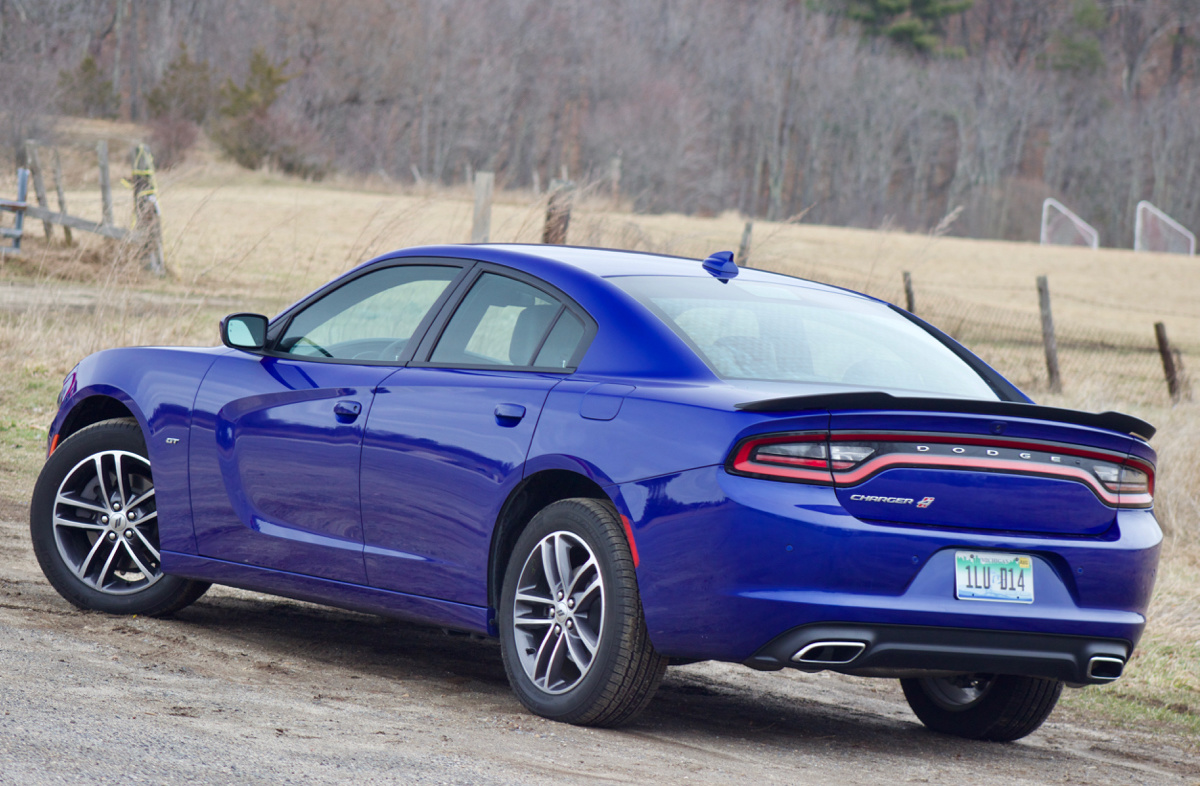
Atlanta's wide highways, warm climate, and strong car culture make it a natural home for the Charger. The car's strengths align well with what metro Atlanta demands from a daily driver, though its weaknesses are real and worth understanding before you buy.
Pros
Genuine Performance Credentials
The Charger offers a performance range unmatched by any other four-door sedan. From the 292-horsepower Pentastar V6 to the 807-horsepower Hellcat Redeye Jailbreak, there's a Charger for every speed appetite. Even the base V6 feels muscular on Atlanta's highway on-ramps, and the V8 models deliver the kind of soundtrack and acceleration that made this car an icon.
Full-Size Sedan Practicality
Despite its muscle-car image, the Charger is a genuine five-passenger sedan with a large trunk. For Atlanta commuters who need a car that handles the daily school drop-off and the weekend cruise equally well, the Charger delivers practical space that competitors like the Ford Mustang can't match.
Strong Deal Availability in Atlanta
While the Atlanta market carries a 13% premium over national pricing, 41% of local listings qualify as Good or Great Deals compared to 28% nationally. Patient shoppers who know which model years to target — particularly the 2019 at $20,171 and the 2014 at $10,769 — can find genuine value in this market.
Proven Reliability (2013+)
Seventh-generation Chargers from 2013 onward are genuinely reliable cars. The Pentastar V6 and Hemi V8 engines are proven durable, the ZF eight-speed automatic transmission is robust, and even the supercharged Hellcat powertrain holds up under hard use. For a car with this much performance, the maintenance demands are reasonable.
Available All-Wheel Drive
AWD has been available on V6 models since 2007, and the 2018 GT trim added a dedicated AWD option. While Atlanta doesn't face harsh winters, the occasional ice storm and heavy rain make AWD a practical advantage. AWD Chargers also tend to command less of a premium than rear-drive performance models.
Year-Round Driving in Atlanta's Climate
No salt, no snow accumulation, and mild winters mean Atlanta Chargers avoid the corrosion and harsh-weather damage that affects examples from northern states. The Southeast's climate preserves these cars well, making Atlanta a favorable market for finding clean examples.
Cons
Atlanta Price Premium
The Charger's popularity in the Southeast comes at a cost. Atlanta's $29,241 average sits 13% above the national $25,874, and some model years — like the 2021 at 32.7% above national — carry steep premiums. Budget-conscious buyers need to be strategic about which years they target.
Fuel Economy
The Charger is thirsty. The V6 manages 27–30 mpg highway, which is acceptable for a full-size sedan but below what a Camry or Accord achieves. V8 models are significantly worse — the 5.7-liter Hemi tops out at 19 mpg highway, and Hellcat models are in the mid-teens. For Atlanta's long commutes, fuel costs add up.
Higher Local Mileage
Atlanta Chargers average 80,751 miles versus 74,139 nationally, an 8.9% difference. This reflects the car's role as a primary commuter vehicle in a metro area with notoriously long drives. Higher mileage isn't disqualifying for a well-maintained Charger, but it's a factor in pricing and long-term ownership costs.
Sixth-Generation Reliability Risk
The 2006–2010 Charger is the exception to the reliability rule. Valve seal failures, head gasket issues, transmission problems, and electrical gremlins make these cars risky purchases. Atlanta's heat amplifies cooling and electrical concerns. Seventh-generation models at comparable prices are the smarter choice.
Modification Culture
The Charger attracts owners who modify heavily — intake, exhaust, tuning, suspension, and cosmetic changes are all common. In Atlanta's enthusiast market, finding a bone-stock example requires patience. Modified cars may have unknown reliability consequences and often lack documentation of the work performed.
Who Should Buy a Charger in Atlanta, GA?
Ideal buyers based on data patterns:
- Commuters who want a full-size sedan with genuine presence and performance, and are willing to pay Atlanta's premium for it
- V6 shoppers targeting the 2019 model year at $20,171 — the only year priced below national average
- Budget buyers who can stretch to the 2014 at $10,769 for a reliable seventh-gen entry point
- Performance enthusiasts willing to shop patiently for the 41% of listings rated as Good or Great Deals
- Families needing a practical five-passenger sedan that doesn't feel like a compromise
Consider alternatives if:
- Fuel economy is a top priority — the Charger can't compete with midsize sedans or hybrids on running costs
- You need the latest safety technology — most Chargers lack the advanced driver-assistance features found in newer competitors
- Your budget is under $11,000 and you're being drawn toward sixth-generation models — the reliability risk isn't worth the savings
- You want a car with low modification likelihood — the Charger's aftermarket culture means clean, stock examples take effort to find
Final Verdict for Atlanta, GA Buyers
The Dodge Charger is a lot of car for the money — comfortable, spacious, powerful, and more reliable than its muscle-car image might suggest. Atlanta buyers pay a 13% premium for that appeal, but 41% of local listings qualify as Good or Great Deals, and strategic shoppers who target the 2019 model year or the 2014 can find pricing at or below national averages. The key is to stick with 2013-or-newer seventh-generation models, inspect for modification and abuse history, and be patient enough to let Atlanta's deep inventory work in your favor. Avoid the sixth generation entirely, and you'll get a car that delivers genuine excitement without sacrificing daily-driver dependability.