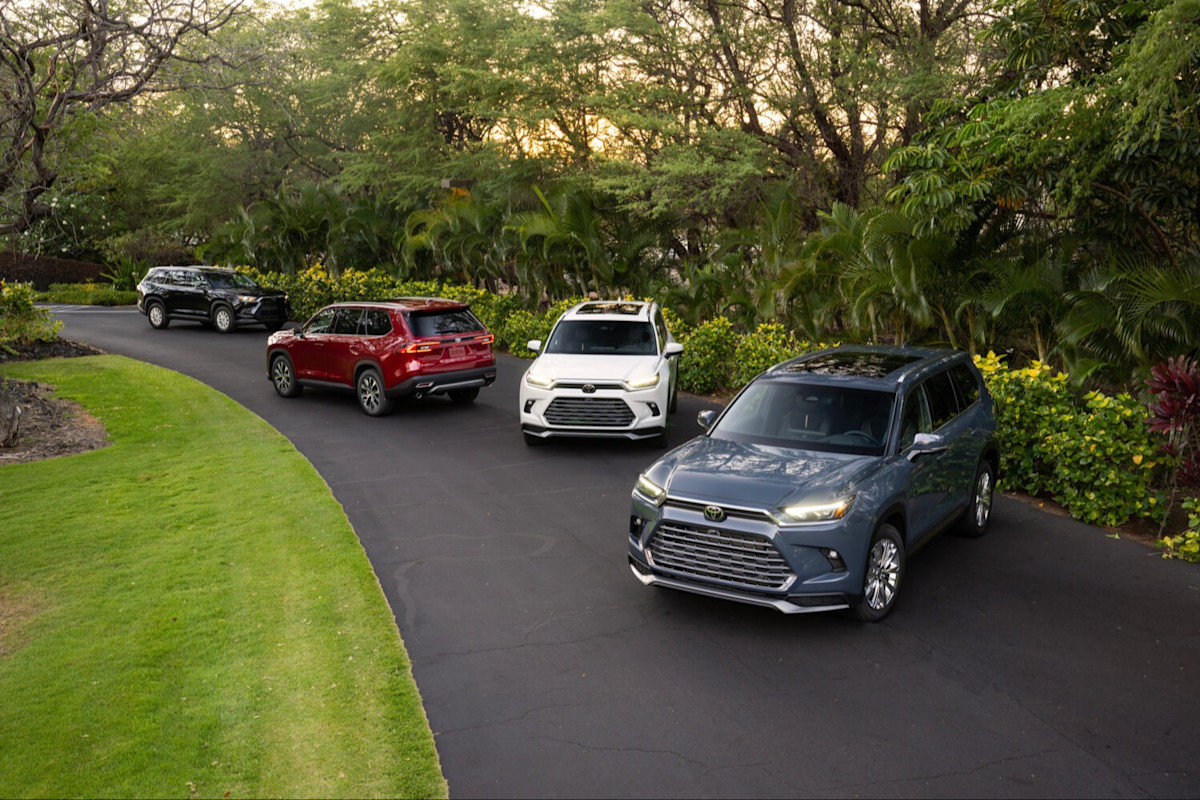
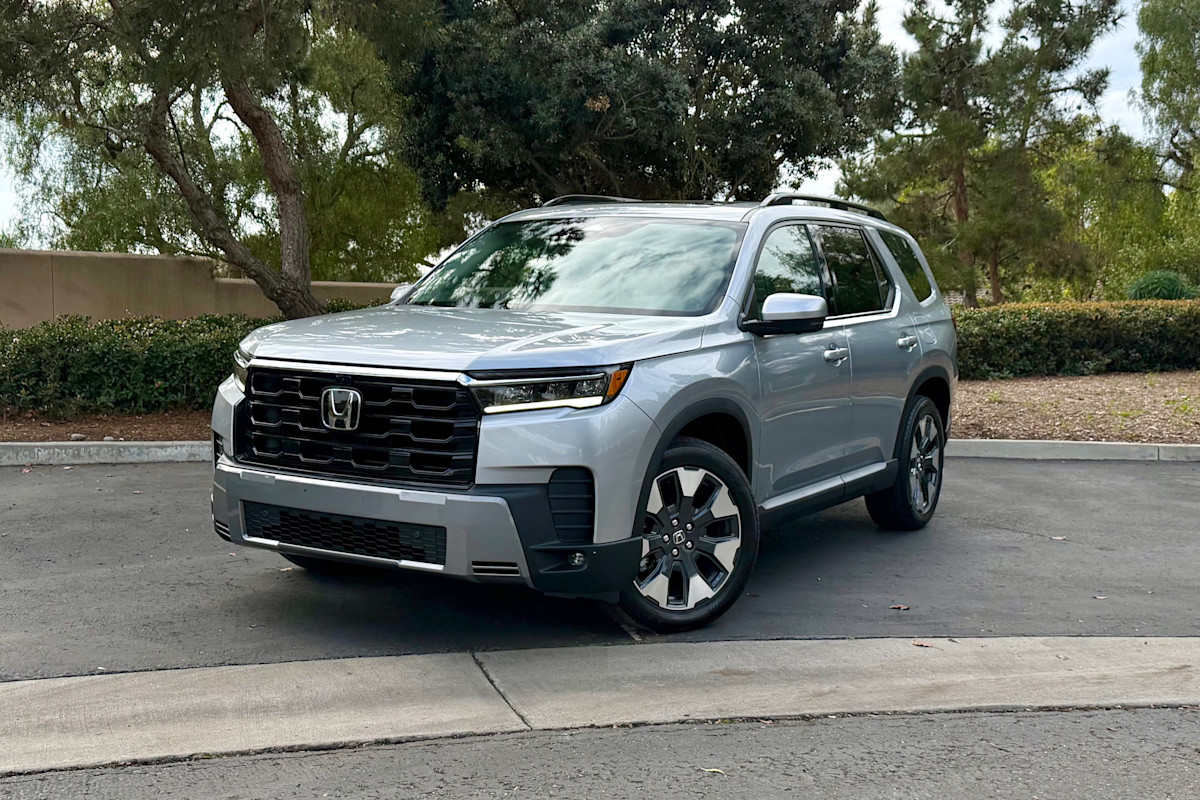
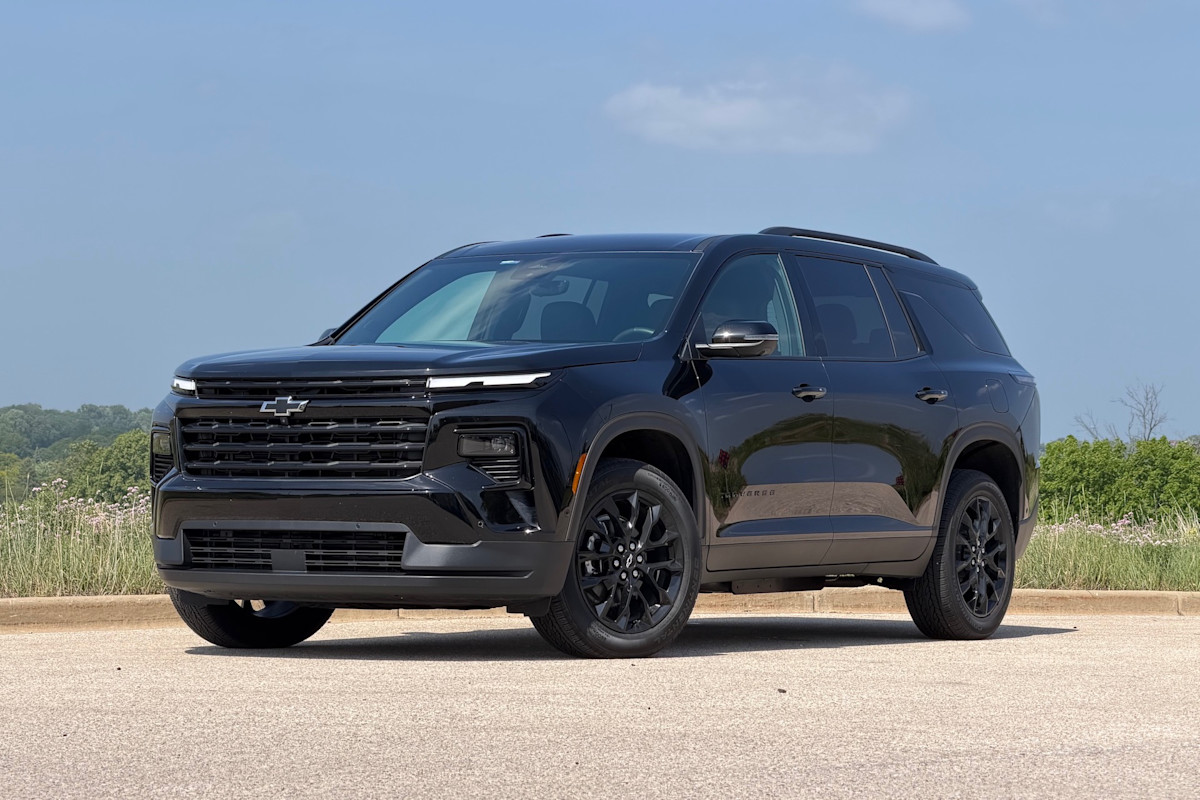
Toyota released the Grand Highlander in 2024 as a larger and more spacious three-row crossover than the original Highlander (that’s the non-Grand version) that’s still on the market. Unlike the regular Highlander, the Grand Highlander’s third row is roomy enough for regular use by adult passengers. It also has more cargo space, making it Toyota’s most direct competitor to the popular Hyundai Palisade and Kia Telluride.
2026 Toyota Grand Highlander Pricing, Specs, and Release Date
- What’s New for the 2026 Toyota Grand Highlander
- Design
- Powertrain
- Interior
- Technology
- Safety
- Pricing and Release Date
- Further Research
What’s New for the 2026 Toyota Grand Highlander
The Toyota Grand Highlander has only been around for a few years, and it hasn’t had any major updates since its debut for the 2024 model year. Last year, Toyota rounded out the lineup with an entry LE model. The LE returns for 2026, joining the XLE, Limited, and Platinum trim levels.
Design
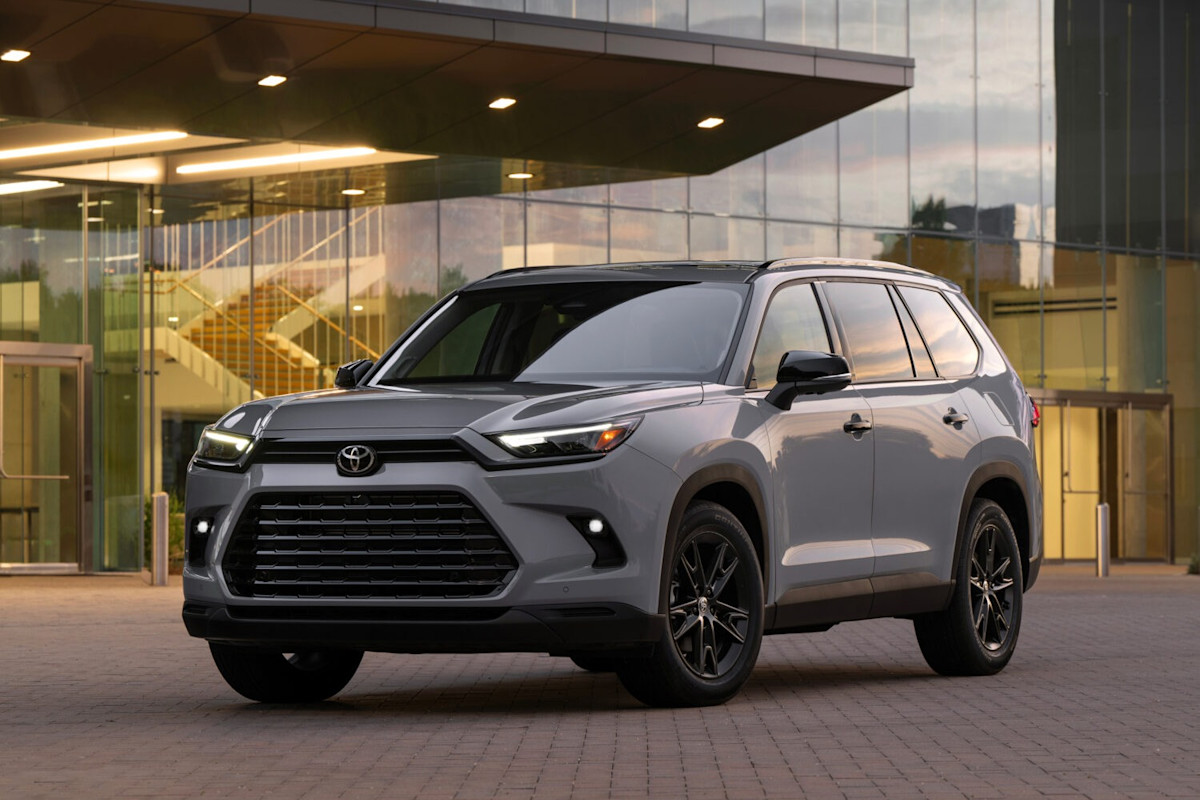
Toyota’s lineup of gasoline-fueled crossovers and SUVs—there’s the Corolla Cross, RAV4, Highlander, 4Runner, Land Cruiser, and Sequoia in addition to the Grand Highlander—share several exterior design elements. The blocky overall look and split front grille are all family traits, and the Grand Highlander’s length is disguised somewhat by its chunky wheel openings and lifted body that provides 8 inches of ground clearance. Immediately recognizable as a Toyota SUV as it may be, the Grand Highlander’s somewhat bland overall look doesn’t stand out in parking lots like the 4Runner and Land Cruiser do.
Powertrain
The Toyota Highlander’s standard powerplant is a turbocharged 2.4-liter four-cylinder engine that produces 265 horsepower and 310 pound-feet of torque. An eight-speed automatic transmission sends power to the front wheels or optionally to all four wheels on all-wheel-drive (AWD) models. Toyota also offers the Grand Highlander with a pair of hybrid powertrains producing 245 and 362 hp, respectively.
In its most efficient form with front-wheel drive (FWD), the gasoline-fueled Grand Highlander LE, XLE, and Limited models are estimated to deliver 21 mpg in the city, 28 mpg on the highway, and 24 mpg combined. With AWD, those figures fall a bit to 21 mpg city, 27 mpg highway, and 23 mpg combined in LE and XLE trim or 20 mpg city, 26 mpg highway, and 22 mpg combined in Limited or Platinum trim.
The 2026 Toyota Grand Highlander can tow up to 5,000 pounds with its standard 2.4-liter turbocharged engine in either FWD or AWD form.
Interior
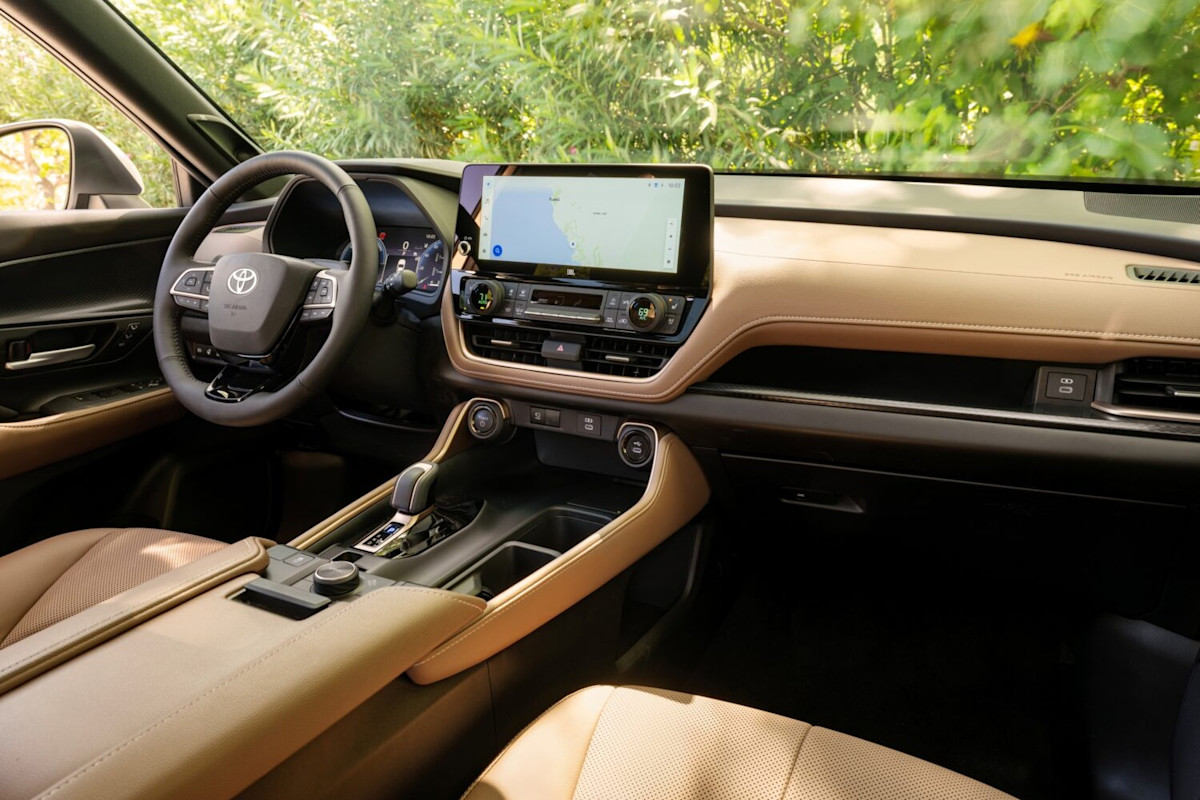
Space is what the Grand Highlander is all about. Its large exterior dimensions equal a roomy interior, and the Grand Highlander’s third row boasts 33.5 inches of legroom and 37.2 inches of headroom to provide true adult-size comfort. With the second and third seats folded flat, the Grand Highlander offers up to 97.5 cavernous cubic feet of cargo capacity. With all seats in place, there’s still a large 20.6-cubic-foot area for storage.
The Grand Highlander LE is fitted with cloth upholstery while the XLE is upgraded to a leatherette that Toyota calls SofTex. Limited and Platinum models get real leather upholstery. Platinum models also get heated and ventilated second-row seats. The Grand Highlander can be optioned with a middle-row bench for eight-passenger capability or captain’s chairs for seven-passenger seating.
Technology
All 2026 Grand Highlanders come standard with a 12.3-inch touchscreen infotainment system centrally mounted in the dashboard. Dual-device Bluetooth connectivity is standard, as are wireless Apple CarPlay and Android Auto. Grand Highlander LE and XLE models have a split cluster with analog gauges and a 7-inch digital information display. Limited and Platinum models have a full digital gauge cluster measuring 12.3 inches.
All but the base LE models have digital key capability to use a smartphone in lieu of a traditional key, though a subscription to Toyota’s Remote Connect package is required for that. Remote Connect also allows owners to remotely start the vehicle’s engine, lock or unlock the doors, or locate the vehicle. Toyota also offers subscriptions for Wi-Fi Connect, Safety Connect for 24/7 access to Toyota’s response center, Drive Connect for cloud-based navigation and more, and Service Connect for vehicle status and maintenance alerts.