2016 Jeep Cherokee Reviews, Pricing & Specs
Write a review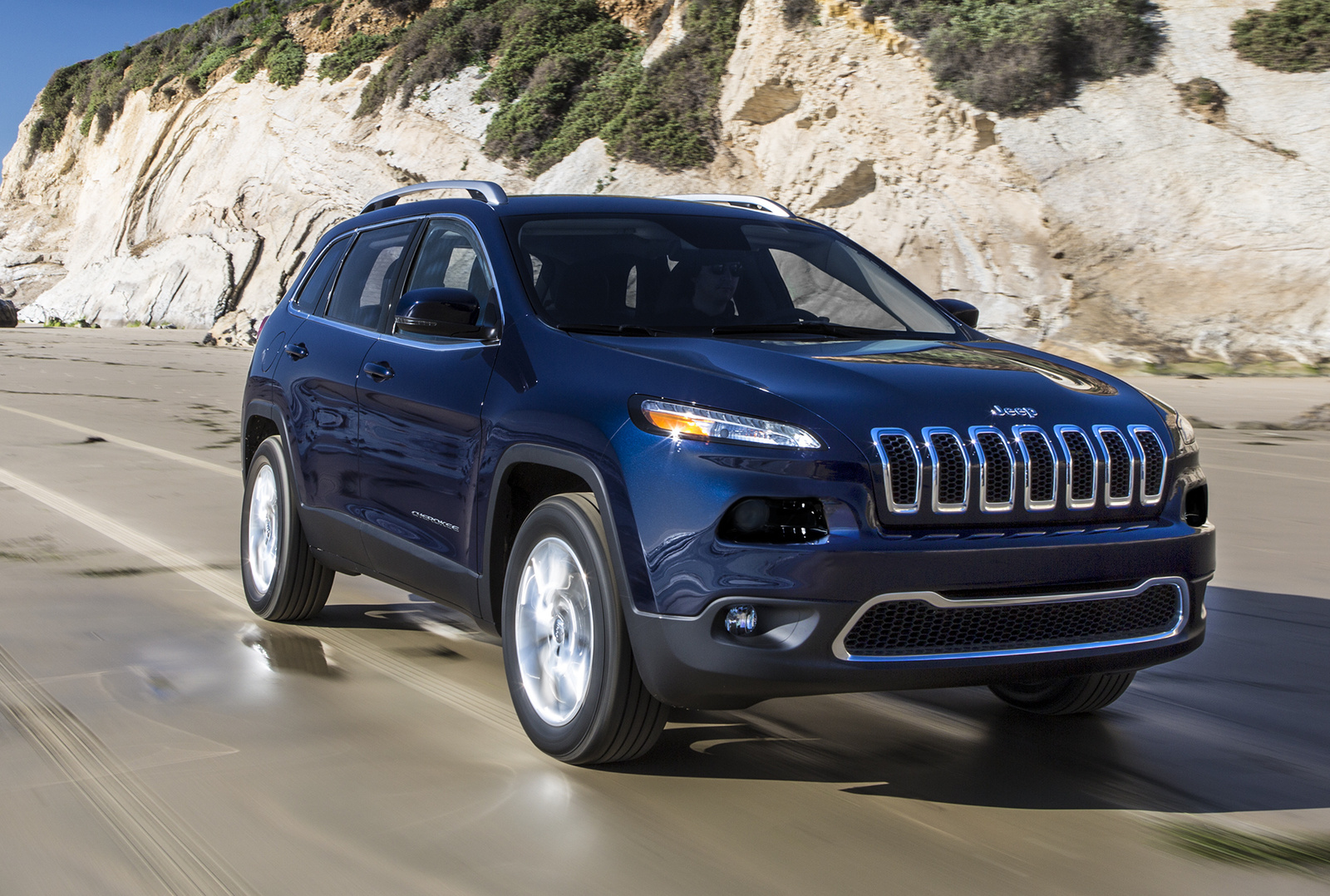
No matter the driving situation, the Jeep Cherokee Trailhawk is brilliant, shrugging off deteriorating city pavement, tackling freeway ramps with enthusiasm, and going places most other SUVs can’t.

Californians should make earthquake preparedness, survival, and evacuation plans, and my family is as ready as we can be in the event that severe shaking commences. The kids know what to do. We’ve got enough food and water to go several days without open stores and stocked shelves. But as for evacuation, it is doubtful that a decade-old, front-drive Nissan Murano is going to do the trick, especially if the Really Big One hits.
That’s why a new Jeep Cherokee Trailhawk would be a perfect addition to my garage. Equipped to deal with multiple doomsday scenarios, the Trailhawk is the rugged, “Trail Rated” version of the Cherokee, the one designed to actually crawl over rocks, across streams, and through the woods when necessary. It’s not quite as capable as a Jeep Wrangler, but it’s far easier to live with, and just like its sibling has tackled the Rubicon Trail and survived.
Jeep tops the Cherokee lineup with the Trailhawk. Other variants include the base Sport, popular Latitude, and upscale Limited, and they’re offered with a 4-cylinder or V6 engine, and front-wheel drive (FWD) or 4-wheel drive (4WD). Prices range from $24,390 for a Sport with no options to $43,815 for a Trailhawk with every option.
For this review, Jeep delivered a Deep Cherry Red Trailhawk with premium Brown leather, a V6 engine ($1,745), black painted wheels ($495), ventilated memory seats ($895), a SafetyTec Group ($1,045), a Leather Interior Group ($1,495), a Comfort/Convenience Group ($1,695), and a navigation system ($945). The total came to $40,305.
My wife and I play this little game. She examines the quality of our latest test car, we go over the different features, and then she guesses the price. Normally, her estimates fall far beneath the sticker price. With the Jeep, she guessed thousands higher, and that’s because the Cherokee exudes quality from how well it is screwed together to how the materials look and feel. The one mistake Jeep makes, and she and I both agree, is the use of bronze metallic plastic trim on the dashboard and center console instead of the polished silver metallic plastic used for the door release handles.
As for the exterior styling, I prefer the standard machined-face aluminum wheels to the gloss black painted wheels on my test vehicle. Otherwise, I like the Cherokee Trailhawk’s rugged look, raised height, white-lettered tires, and revised front and rear bumpers, which improve the Jeep’s approach and departure angles. Run at night with the fog lights on, and the Cherokee has an unmistakable, triple-light appearance. Get one dirty, and it looks better than it does clean.
Does the Cherokee represent an acquired taste? Yes. And I have acquired one.

Standard equipment includes a 184-horsepower, 2.4-liter 4-cylinder engine, but I strongly recommend upgrading to the optional, 271-horsepower, 3.2-liter V6. In the Trailhawk, the V6 is actually the more efficient engine on the highway, and it matches the 4-cylinder in terms of its 22-mpg rating in combined driving.
One reason is that it comes with an automatic stop/start system that shuts the engine off while the Jeep is idling in traffic or at an intersection. The driver can turn this feature off, but I kept it on, as it operates in quick and smooth fashion and never becomes an irritant.
Still, I think the EPA’s fuel-economy estimates are optimistic. Over the course of more than 500 miles of driving, with many of those miles covered on highways, the Jeep returned 20.6 mpg. Based on my driving and the Cherokee’s 15.9-gallon fuel tank, the Cherokee offers about 300 miles of range before you need to find a gas station, and fast.
A 9-speed automatic transmission is standard and comes with a manual shift gate featuring a counterintuitive pattern. Lots of Cherokee owners complain about this transmission, which is used in a wide range of models including Acuras, Maseratis, and Land Rovers. In fact, when you research reliability information about the Cherokee, the misbehaving transmission causes some organizations to predict that this SUV will be unreliable.
Personally, I have experienced dissatisfying behavior with this transmission in Acura, Chrysler, and Jeep products. Because of this, I paid special attention to how the transmission in my 2016 Cherokee behaved, and aside from disappointingly slow multi-gear downshifts that I requested in order to take advantage of holes in thick holiday traffic, I was satisfied with the latest iteration of this transmission.
When properly equipped, the Cherokee tows up to 4,500 pounds of trailer. Jeep also offers three different 4WD systems for the various Cherokee trims, and the Trailhawk comes standard with the most capable of them: Jeep Active Drive Lock with a locking rear differential that delivers an even split of power to each rear wheel for serious off-roading situations. The Cherokee Trailhawk also includes Jeep’s Selec-Terrain technology, which supplies driver-selected Auto, Snow, Sport, Sand/Mud, and Rock drivetrain settings.
Selec-Speed control is unique to the Trailhawk, allowing the driver to program a specific, and very low, travel speed, essentially programming the drivetrain to manage the braking and acceleration while the driver concentrates on steering. This is particularly useful for descending steep, rock-strewn grades.
Additional Trailhawk exclusives include a 56:1 4-Lo crawl ratio, an off-road suspension with a 1-inch lift and 8.7 inches of running ground clearance, 20 inches of water-fording capability, and substantial improvements to approach, breakover, and departure angles. Yep, a Cherokee Trailhawk is, in many respects, a completely different animal when compared to other Cherokees.
How does it work on rugged terrain? As advertised, which is always a good thing. I’ve had several opportunities in the past few years to drive a Cherokee Trailhawk in difficult conditions, and this SUV always proves that it can go places a typical crossover can’t. Therefore, the real question is this: Does the Cherokee Trailhawk owner trade off-road capability for on-road driving dynamics?
The short answer is no.
In fact, I would argue that many of the same qualities that allow the Trailhawk to perform brilliantly off the pavement also serve it well in the cities, suburbs, and mall parking lots where it will spend the bulk of its time serving as a daily driver.
In my opinion, no matter the driving situation or condition, the Trailhawk is terrific to drive. It shrugs off deteriorating pavement in cities, it tackles freeway on- and off-ramps with enthusiasm, and it flies down a freeway in quiet and composed fashion.
Credit, in part, goes to independent front and rear suspension designs employing frequency-selective dampers, as well as the Jeep’s expertly tuned speed-sensing electric steering. Providing excellent heft at all speeds, and in combination with an impressively tight turning radius, the steering is easy to use in cramped situations, both in cities and on trails. Plus, this Jeep fits into spaces marked “Compact” with no trouble at all.
During several hour-long highway trips, my wife and I marveled at how quiet the Cherokee was, with wind, road, and engine noise masterfully hushed. The brakes, apparently calibrated to allow fine-tuned inputs in tricky off-road situations, worked beautifully while navigating the urban jungle, and thanks to the all-terrain tires, lifted suspension, and revised front and rear styling, the Cherokee is unconcerned about parking blocks, deep drainage dips, steep driveway aprons, or severe speed bumps.
Although the V6 engine didn’t return what the EPA estimated it should and will never deliver acceleration that could be described as fast, it does supply enough power and acceleration to satisfy almost any driver. Plus, the engine sounds and feels refined when revved hard to motivate the Trailhawk’s 4,000+ pounds of curb weight.
Circling back around to the 9-speed transmission, in addition to delayed downshifts, it sometimes allows an unnatural amount of vehicle roll after the driver chooses “Park.” I’ve noticed this in the Acura MDX and Honda Pilot Elite, which also use this ZF-sourced transmission, and this kind of behavior is never a good thing out on the trail, so be sure to use the Jeep’s electronic parking brake.

Interior quality is impressive for the Cherokee’s price point. From the quality headliner and premium leather to the soft-touch interior surfaces and rugged rubber floor mats, the Cherokee Trailhawk looks and feels more expensive than it is. Yet, at the same time, you’re not afraid of getting the interior dirty or damaging any of the bits and pieces. A scratch or two adds character, after all.
Controls are logically laid out and intuitive to use. It would be nice if the automatic climate control system offered temperature control knobs rather than buttons, but that’s the only suggestion I have for improvement. I really like the stereo control buttons located on the backsides of the steering-wheel spokes, and using them quickly becomes second nature.
Equipped as my test vehicle was, with an 8-way power driver’s seat, heated and ventilated front seats, and a heated steering wheel, comfort is outstanding. From how the seats are shaped to how the steering wheel is shaped, a Cherokee supplies long-distance comfort. Plus, the upper door panels and center-console armrest are softly padded, providing comfortable spots to rest arms and elbows.
Jeep pitches the Cherokee as a midsize SUV, but interior room and cargo space are on the smaller side of that scale. While they look like they don’t offer much space, the rear seats are actually quite comfortable, sitting high off the floor and supplying good thigh, knee, and leg room. Plus, taller passengers will appreciate the softly padded front seatbacks, which are kind to knees and shins. Note, too, that it's easy to get into and out of the Cherokee’s back seat.
Cargo space is tight, but Jeep helps Cherokee owners make the best of it. Behind the rear seat, space is limited to 24.6 cubic feet on a cargo floor that hides a full-size spare tire, which is critical to have aboard a serious off-roading machine. Fold the 60/40-split rear seat, and the Cherokee supplies 54.9 cubes of space. Additionally, the front passenger seat folds flat to accommodate long items, and Jeep offers a wide variety of accessories to make the most of the Cherokee’s cargo space.

Start checking boxes on the Cherokee Trailhawk’s optional-equipment menu, and you can add a number of useful technologies to this SUV. For example, the Cherokee can be upgraded for severe winter weather with heated front seats, a heated steering wheel, heated side mirrors, and a wiper de-icer system. For sweltering summers, the automatic climate-control system features a humidity sensor, and ventilated front seats are available. A power liftgate is also optional, along with automatic high-beam headlights, rear parking-assist sensors, and an adaptive cruise control system with stop-and-go capability.
Less useful, at least from my perspective, is the Parallel and Perpendicular Park Assist system, which is designed to autonomously steer the Cherokee into a parking space while the driver operates the pedals and transmission. Honestly, if you think you need this kind of technology, you should probably be using public transportation. Or Uber.
Standard for the Cherokee Trailhawk, a Uconnect 8.4 infotainment system equips the SUV with a high-resolution 8.4-inch touchscreen display, USB and SD card ports, and Bluetooth calling and music streaming capability. New for 2016, the system includes Siri Eyes Free capability, Do Not Disturb and Reply with Text Message features, and a configurable menu bar. Unfortunately, the system’s voice text-message reply feature is not compatible with an iPhone, and the Uconnect Access services are subscription-based rather than free. A navigation system is optional for Uconnect 8.4.

Jeep equips the Cherokee with a standard Park View reversing camera, but in low light and nighttime driving situations, resolution and clarity are terrible. Given how important this technology is, especially when used in off-roading situations, Jeep needs to upgrade the camera and the display’s resolution.
Rain-sensing wipers are available for the Cherokee Trailhawk, and a subscription to Uconnect Access includes both 9-1-1 Call and Wi-Fi connectivity. Additional options include a blind-spot warning system with rear cross-traffic alert, a lane-departure warning system, and a forward-collision warning system with automatic emergency braking.
Crash-test ratings reflect room for improvement. The federal government rates the Cherokee at 4 stars, mainly because this Jeep earns no better than 4 stars for frontal impact protection. Worse, though, is the Marginal rating the Cherokee earns from the Insurance Institute for Highway Safety (IIHS) in the small overlap frontal impact test. That one is really unfortunate, as the IIHS gives the Cherokee Good ratings in all other assessments plus a Superior rating for front crash prevention.

When you research the Jeep Cherokee, you’re going to find unfavorable reliability predictions rooted primarily in the 9-speed automatic transmission’s reportedly troublesome shifts and complaints about how the Uconnect infotainment systems work. I suspect that the negative ratings fail to reflect the complete quality and dependability picture, and while the purchase of an extended warranty might be justified, I wouldn’t let complaints about the transmission or the infotainment technology deter you from choosing a Cherokee Trailhawk.
While we’re attempting to manage expectations, don’t assume you’ll match the fuel-economy numbers promised by the EPA. I came in short of the EPA’s 22-mpg estimate for combined driving, despite piling on lots of highway miles. Perhaps due to this, the costs of ownership associated with parking a Jeep Cherokee in your driveway are expected to be slightly higher than average.
You can help make up for this by taking advantage of the deals that Jeep regularly offers for the Cherokee. As this review is written, buyers can get a rebate of $2,000, or no-interest financing for 60 months plus a $500 cash rebate, or appealing lease deals.
Whether a deal is available or not, a Jeep Cherokee Trailhawk is worth strong consideration. This is the vehicular equivalent of a Swiss Army Knife, a terrific tool for tackling whatever life throws at you. From daily-driver duties to going where few people have dared tread before, the Cherokee Trailhawk does it all in comfort and style. It could perform better in crash tests and offer greater cargo capacity, but otherwise I have a hard time faulting the Cherokee Trailhawk.

User reviews for 2016 Jeep Cherokee
Write a review2016 Jeep Cherokee Pricing
Trims & specs
Air Conditioning
Single front air conditioning zones
Airbags
Dual front airbags · Dual front knee airbags · Passenger airbag deactivation: occupant sensing deactivation · Front side airbags · Front side curtain airbags
Audio System
Antenna Type: mast · Voice recognition audio system · Auxiliary audio input: jack · Touch screen display radio · Satellite Radio: SiriusXM · Total Number of Speakers: 6
Brakes
ABS: 4-wheel · Braking assist: hill start assist · Front brake diameter: 13.0 · Front brake width: 1.1 · Front brakes: ventilated disc · Rear brake diameter: 10.9 · Rear brake width: 0.47 · Rear brakes: disc
Comfort Features
Armrests: rear center with cupholders · Center console trim: simulated alloy · Door trim: cloth · Floor Mat Material: carpet · Floor Material: carpet · Floor Mats: front · Shift knob trim: urethane · Steering wheel trim: urethane
Convenience Features
Assist handle: rear · Cargo area power outlet: 12V · Center console: front console with armrest and storage · Cupholders: front · Multi-function remote: keyless entry · One-touch windows: 1 · Power outlet(s): two 12V front · Power steering: electric · Power windows: lockout button · Reading lights: front · Steering wheel: tilt and telescopic · Steering wheel mounted controls: cruise controls · Storage: front seatback · Vanity mirrors: dual illuminating
Driver Seat
Manual adjustments: 6
Drivetrain
Axle ratio: 3.73
Engine
Battery: maintenance-free · Oil cooler: auxiliary
Exterior Features
Body side moldings: body-color · Door handle color: black · Exhaust tip color: chrome · Front bumper color: body-color · Grille color: chrome surround · Headlamp bezel color: black · Mirror color: black · Rear bumper color: body-color · Rear trunk/liftgate: liftgate · Window trim: chrome
Headrests
Adjustable rear headrests: integrated headrests · Front headrests: adjustable · Number of front headrests: 2 · Number of rear headrests: 3
In Car Entertainment
Infotainment: Uconnect · Infotainment screen size: 5 in.
Instrumentation
Fuel economy display: MPG · Instrument cluster screen size: 3.5 in. · Warnings and reminders: lamp failure
Lights
Daytime running lights: LED · Headlights: auto delay off · Tail and brake lights: LED
Mirrors
Exterior mirrors: manual folding · Inside rearview mirror: manual day/night
Passenger Seat
Manual Adjustments: 6
Rear Seats
Type: 60-40 split bench
Roof
Roof rack color: chrome
Safety
Active head restraints: driver · Child seat anchors: LATCH system · Crumple zones: front
Seatbelts
Emergency locking retractors: front and rear · Front seatbelts: 3-point · Seatbelt force limiters: front · Seatbelt pretensioners: front · Seatbelt warning sensor: driver and passenger · Second row seatbelts: 3-point
Seats
Driver seat manual adjustments: height · Front seat type: bucket · Rear seat folding: split · Rear seat manual adjustments: reclining · Upholstery: cloth
Spare Tire
Kit: inflator kit
Steering
Steering ratio: 15.2 · Turns lock-to-lock: 2.6
Suspension
Front Arm Type: lower control arms · Front Shock Type: gas shock absorbers · Front Spring Type: coil springs · Front Suspension Classification: independent · Front Suspension Type: MacPherson struts · Rear Shock Type: gas shock absorbers · Rear Spring Type: coil springs · Rear Suspension Classification: independent · Rear Suspension Type: multi-link · Stabilizer bar(s): front
Telematics
Phone wireless data link: Bluetooth
Tires
Type: all season
Tires and Rims
Wheels: steel
Windows
Front wipers: variable intermittent · Liftgate window: fixed · Rear wiper: intermittent
Air Conditioning
Single front air conditioning zones
Airbags
Dual front airbags · Dual front knee airbags · Passenger airbag deactivation: occupant sensing deactivation · Front side airbags · Rear side curtain airbags
Audio System
Antenna Type: mast · Voice recognition audio system · Bluetooth auxiliary audio input · Touch screen display radio · Satellite Radio: SiriusXM · Total Number of Speakers: 6
Brakes
ABS: 4-wheel · Braking assist: hill start assist · Front brake diameter: 13.0 · Front brake width: 1.1 · Front brakes: ventilated disc · Rear brake diameter: 10.9 · Rear brake width: 0.47 · Rear brakes: disc
Comfort Features
Armrests: rear center with cupholders · Center console trim: simulated alloy · Door trim: cloth · Floor Mat Material: carpet · Floor Material: carpet · Floor Mats: front · Shift knob trim: urethane · Steering wheel trim: leather
Convenience Features
Assist handle: rear · Cargo area power outlet: 12V · Center console: front console with armrest and storage · Cupholders: rear · Multi-function remote: trunk release · One-touch windows: 1 · Power outlet(s): two 12V front · Power steering: electric · Power windows: lockout button · Reading lights: front · Steering wheel: tilt and telescopic · Steering wheel mounted controls: cruise controls · Storage: door pockets · Vanity mirrors: dual illuminating
Driver Seat
Manual adjustments: 6
Drivetrain
Axle ratio: 3.73
Engine
Battery: 600 CCA · Oil cooler: auxiliary
Exterior Features
Body side moldings: body-color · Door handle color: black · Exhaust tip color: chrome · Front bumper color: body-color · Grille color: black · Headlamp bezel color: black · Mirror color: black · Rear bumper color: body-color · Rear trunk/liftgate: liftgate · Window trim: chrome
Headrests
Adjustable rear headrests: integrated headrests · Front headrests: adjustable · Number of front headrests: 2 · Number of rear headrests: 3
In Car Entertainment
Infotainment: Uconnect · Infotainment screen size: 5 in.
Instrumentation
Fuel economy display: MPG · Instrument cluster screen size: 3.5 in. · Warnings and reminders: maintenance reminder
Lights
Daytime running lights: LED · Headlights: auto delay off · Tail and brake lights: LED
Mirrors
Exterior mirrors: manual folding · Inside rearview mirror: manual day/night
Passenger Seat
Manual Adjustments: 6
Rear Seats
Type: 60-40 split bench
Roof
Roof rack color: black
Safety
Active head restraints: driver · Child seat anchors: LATCH system · Crumple zones: rear
Seatbelts
Emergency locking retractors: front · Front seatbelts: 3-point · Seatbelt force limiters: front · Seatbelt pretensioners: front · Seatbelt warning sensor: driver and passenger · Second row seatbelts: 3-point
Seats
Driver seat manual adjustments: height · Front seat type: bucket · Rear seat folding: split · Rear seat manual adjustments: reclining · Upholstery: cloth
Spare Tire
Kit: inflator kit
Steering
Steering ratio: 15.2 · Turns lock-to-lock: 2.6
Suspension
Front Arm Type: lower control arms · Front Shock Type: gas shock absorbers · Front Spring Type: coil springs · Front Suspension Classification: independent · Front Suspension Type: MacPherson struts · Rear Shock Type: gas shock absorbers · Rear Spring Type: coil springs · Rear Suspension Classification: independent · Rear Suspension Type: multi-link · Stabilizer bar(s): front
Telematics
Phone wireless data link: Bluetooth
Tires
Type: all season
Tires and Rims
Wheels: steel
Windows
Front wipers: variable intermittent · Liftgate window: fixed · Rear wiper: intermittent
Air Conditioning
Single front air conditioning zones
Airbags
Dual front airbags · Dual front knee airbags · Passenger airbag deactivation: occupant sensing deactivation · Rear side airbags · Front side curtain airbags
Audio System
Antenna Type: mast · Voice recognition audio system · Auxiliary audio input: jack · AM/FM radio · Satellite Radio: SiriusXM · Total Number of Speakers: 6
Brakes
ABS: 4-wheel · Braking assist: hill start assist · Front brake diameter: 13.0 · Front brake width: 1.1 · Front brakes: ventilated disc · Rear brake diameter: 10.9 · Rear brake width: 0.47 · Rear brakes: disc
Comfort Features
Armrests: rear center with cupholders · Center console trim: simulated alloy · Door trim: cloth · Floor Mat Material: carpet · Floor Material: carpet · Floor Mats: front · Shift knob trim: urethane · Steering wheel trim: leather
Convenience Features
Assist handle: rear · Cargo area power outlet: 12V · Center console: front console with armrest and storage · Cupholders: front · Multi-function remote: keyless entry · One-touch windows: 2 · Power outlet(s): two 12V front · Power steering: electric · Power windows: lockout button · Reading lights: rear · Steering wheel: tilt and telescopic · Steering wheel mounted controls: cruise controls · Storage: sunglasses holder · Vanity mirrors: dual illuminating
Driver Seat
Manual adjustments: 6
Drivetrain
Axle ratio: 3.73
Engine
Battery: maintenance-free · Oil cooler: auxiliary
Exterior Features
Body side moldings: body-color · Door handle color: body-color · Exhaust tip color: chrome · Front bumper color: body-color · Grille color: black · Headlamp bezel color: black · Mirror color: body-color · Rear bumper color: body-color · Rear trunk/liftgate: liftgate · Window trim: chrome
Headrests
Adjustable rear headrests: integrated headrests · Front headrests: adjustable · Number of front headrests: 2 · Number of rear headrests: 3
In Car Entertainment
Infotainment: Uconnect · Infotainment screen size: 5 in.
Instrumentation
Fuel economy display: MPG · Instrument cluster screen size: 3.5 in. · Warnings and reminders: low fuel level
Lights
Daytime running lights: LED · Headlights: Halogen · Tail and brake lights: LED
Mirrors
Exterior mirrors: power · Inside rearview mirror: manual day/night
Passenger Seat
Manual Adjustments: 6
Rear Seats
Type: 60-40 split bench
Roof
Roof rack color: chrome · Roof rails: black
Safety
Active head restraints: driver · Camera system: rearview · Child seat anchors: LATCH system · Crumple zones: front · Rearview monitor: in dash
Seatbelts
Emergency locking retractors: front and rear · Front seatbelts: 3-point · Seatbelt force limiters: front · Seatbelt pretensioners: front · Seatbelt warning sensor: driver and passenger · Second row seatbelts: 3-point
Seats
Driver seat manual adjustments: height · Front seat type: bucket · Passenger seat folding: folds flat · Rear seat folding: split · Rear seat manual adjustments: reclining · Upholstery: cloth
Spare Tire
Kit: inflator kit
Steering
Steering ratio: 15.2 · Turns lock-to-lock: 2.6
Suspension
Front Arm Type: lower control arms · Front Shock Type: gas shock absorbers · Front Spring Type: coil springs · Front Suspension Classification: independent · Front Suspension Type: MacPherson struts · Rear Shock Type: gas shock absorbers · Rear Spring Type: coil springs · Rear Suspension Classification: independent · Rear Suspension Type: multi-link · Stabilizer bar(s): rear
Telematics
Phone wireless data link: Bluetooth
Tires
Type: all season
Tires and Rims
Wheel type: aluminum alloy
Windows
Front wipers: variable intermittent · Liftgate window: fixed · Rear wiper: intermittent
Air Conditioning
Single front air conditioning zones
Airbags
Dual front airbags · Dual front knee airbags · Passenger airbag deactivation: occupant sensing deactivation · Front side airbags · Front side curtain airbags
Audio System
Antenna Type: mast · Voice recognition audio system · Memory card slot auxiliary audio input · Touch screen display radio · Satellite Radio: SiriusXM · Total Number of Speakers: 6
Brakes
ABS: 4-wheel · Braking assist: hill start assist · Front brake diameter: 13.0 · Front brake width: 1.1 · Front brakes: ventilated disc · Rear brake diameter: 10.9 · Rear brake width: 0.47 · Rear brakes: disc
Comfort Features
Armrests: rear center with cupholders · Center console trim: simulated alloy · Door trim: cloth · Floor Mat Material: carpet · Floor Material: carpet · Floor Mats: front · Shift knob trim: urethane · Steering wheel trim: urethane
Convenience Features
Assist handle: front · Cargo area power outlet: 12V · Center console: front console with armrest and storage · Cupholders: front · Multi-function remote: keyless entry · One-touch windows: 1 · Power outlet(s): two 12V front · Power steering: electric · Power windows: lockout button · Reading lights: rear · Steering wheel: tilt and telescopic · Steering wheel mounted controls: cruise controls · Storage: sunglasses holder · Vanity mirrors: dual illuminating
Driver Seat
Manual adjustments: 6
Drivetrain
4WD Type: on demand · Axle ratio: 3.73
Engine
Battery: 600 CCA · Oil cooler: auxiliary
Exterior Features
Body side moldings: body-color · Door handle color: black · Exhaust tip color: chrome · Front bumper color: body-color · Grille color: black · Headlamp bezel color: black · Mirror color: black · Rear bumper color: body-color · Rear trunk/liftgate: liftgate · Window trim: chrome
Headrests
Adjustable rear headrests: integrated headrests · Front headrests: adjustable · Number of front headrests: 2 · Number of rear headrests: 3
In Car Entertainment
Infotainment: Uconnect · Infotainment screen size: 5 in.
Instrumentation
Fuel economy display: range · Instrument cluster screen size: 3.5 in. · Warnings and reminders: low fuel level
Lights
Daytime running lights: LED · Headlights: auto delay off · Tail and brake lights: LED
Mirrors
Exterior mirrors: power · Inside rearview mirror: manual day/night
Passenger Seat
Manual Adjustments: 6
Rear Seats
Type: 60-40 split bench
Roof
Roof rack color: chrome
Safety
Active head restraints: driver · Child seat anchors: LATCH system · Crumple zones: rear
Seatbelts
Emergency locking retractors: front and rear · Front seatbelts: 3-point · Seatbelt force limiters: front · Seatbelt pretensioners: front · Seatbelt warning sensor: driver and passenger · Second row seatbelts: 3-point
Seats
Driver seat manual adjustments: height · Front seat type: bucket · Rear seat folding: split · Rear seat manual adjustments: reclining · Upholstery: cloth
Spare Tire
Size: temporary
Spare Wheel
Rim type: aluminum alloy
Steering
Steering ratio: 15.2 · Turns lock-to-lock: 2.6
Suspension
Driver Adjustable Suspension: ride control · Front Arm Type: lower control arms · Front Shock Type: gas shock absorbers · Front Spring Type: coil springs · Front Suspension Classification: independent · Front Suspension Type: MacPherson struts · Rear Shock Type: gas shock absorbers · Rear Spring Type: coil springs · Rear Suspension Classification: independent · Rear Suspension Type: multi-link · Stabilizer bar(s): rear
Telematics
Phone wireless data link: Bluetooth
Tires
Type: all season
Tires and Rims
Wheels: steel
Windows
Front wipers: variable intermittent · Liftgate window: fixed · Rear wiper: intermittent
Air Conditioning
Single front air conditioning zones
Airbags
Dual front airbags · Dual front knee airbags · Passenger airbag deactivation: occupant sensing deactivation · Rear side airbags · Front side curtain airbags
Audio System
Antenna Type: mast · Voice recognition audio system · Memory card slot auxiliary audio input · AM/FM radio · Satellite Radio: SiriusXM · Total Number of Speakers: 6
Brakes
ABS: 4-wheel · Braking assist: hill start assist · Front brake diameter: 13.0 · Front brake width: 1.1 · Front brakes: ventilated disc · Rear brake diameter: 10.9 · Rear brake width: 0.47 · Rear brakes: disc
Comfort Features
Armrests: rear center with cupholders · Center console trim: simulated alloy · Door trim: cloth · Floor Mat Material: carpet · Floor Material: carpet · Floor Mats: front · Shift knob trim: urethane · Steering wheel trim: leather
Convenience Features
Assist handle: front · Cargo area power outlet: 12V · Center console: front console with armrest and storage · Cupholders: front · Multi-function remote: keyless entry · One-touch windows: 1 · Power outlet(s): two 12V front · Power steering: electric · Power windows: lockout button · Reading lights: front · Steering wheel: tilt and telescopic · Steering wheel mounted controls: cruise controls · Storage: sunglasses holder · Vanity mirrors: dual illuminating
Driver Seat
Manual adjustments: 6
Drivetrain
4WD Type: on demand · Axle ratio: 3.73
Engine
Battery: 600 CCA · Oil cooler: auxiliary
Exterior Features
Body side moldings: body-color · Door handle color: black · Exhaust tip color: chrome · Front bumper color: body-color · Grille color: black · Headlamp bezel color: black · Mirror color: black · Rear bumper color: body-color · Rear trunk/liftgate: liftgate · Window trim: chrome
Headrests
Adjustable rear headrests: integrated headrests · Front headrests: adjustable · Number of front headrests: 2 · Number of rear headrests: 3
In Car Entertainment
Infotainment: Uconnect · Infotainment screen size: 5 in.
Instrumentation
Fuel economy display: range · Instrument cluster screen size: 3.5 in. · Warnings and reminders: low fuel level
Lights
Daytime running lights: LED · Headlights: auto delay off · Tail and brake lights: LED
Mirrors
Exterior mirrors: manual folding · Inside rearview mirror: manual day/night
Passenger Seat
Manual Adjustments: 6
Rear Seats
Type: 60-40 split bench
Roof
Roof rack color: black
Safety
Active head restraints: driver · Child seat anchors: LATCH system · Crumple zones: front
Seatbelts
Emergency locking retractors: front · Front seatbelts: 3-point · Seatbelt force limiters: front · Seatbelt pretensioners: front · Seatbelt warning sensor: driver and passenger · Second row seatbelts: 3-point
Seats
Driver seat manual adjustments: height · Front seat type: bucket · Rear seat folding: split · Rear seat manual adjustments: reclining · Upholstery: cloth
Spare Tire
Size: temporary
Spare Wheel
Rim type: aluminum alloy
Steering
Steering ratio: 15.2 · Turns lock-to-lock: 2.6
Suspension
Driver Adjustable Suspension: ride control · Front Arm Type: lower control arms · Front Shock Type: gas shock absorbers · Front Spring Type: coil springs · Front Suspension Classification: independent · Front Suspension Type: MacPherson struts · Rear Shock Type: gas shock absorbers · Rear Spring Type: coil springs · Rear Suspension Classification: independent · Rear Suspension Type: multi-link · Stabilizer bar(s): rear
Telematics
Phone wireless data link: Bluetooth
Tires
Type: all season
Tires and Rims
Wheels: steel
Windows
Front wipers: variable intermittent · Liftgate window: fixed · Rear wiper: intermittent
Air Conditioning
Single front air conditioning zones
Airbags
Dual front airbags · Dual front knee airbags · Passenger airbag deactivation: occupant sensing deactivation · Rear side airbags · Rear side curtain airbags
Audio System
Antenna Type: mast · Voice recognition audio system · Memory card slot auxiliary audio input · AM/FM radio · Satellite Radio: SiriusXM · Total Number of Speakers: 6
Brakes
ABS: 4-wheel · Braking assist: hill start assist · Front brake diameter: 13.0 · Front brake width: 1.1 · Front brakes: ventilated disc · Rear brake diameter: 10.9 · Rear brake width: 0.47 · Rear brakes: disc
Comfort Features
Armrests: rear center with cupholders · Center console trim: simulated alloy · Door trim: cloth · Floor Mat Material: carpet · Floor Material: carpet · Floor Mats: front · Shift knob trim: urethane · Steering wheel trim: leather
Convenience Features
Assist handle: rear · Cargo area power outlet: 12V · Center console: front console with armrest and storage · Cupholders: rear · Multi-function remote: trunk release · One-touch windows: 2 · Power outlet(s): 115V · Power steering: electric · Power windows: lockout button · Reading lights: front · Steering wheel: tilt and telescopic · Steering wheel mounted controls: audio · Storage: front seatback · Vanity mirrors: dual illuminating
Driver Seat
Manual adjustments: 6
Drivetrain
4WD Type: on demand · Axle ratio: 3.73
Engine
Battery: maintenance-free · Oil cooler: auxiliary
Exterior Features
Body side moldings: body-color · Door handle color: body-color · Exhaust tip color: chrome · Front bumper color: body-color · Grille color: black surround · Headlamp bezel color: black · Mirror color: body-color · Rear bumper color: body-color · Rear trunk/liftgate: liftgate · Window trim: chrome
Headrests
Adjustable rear headrests: integrated headrests · Front headrests: adjustable · Number of front headrests: 2 · Number of rear headrests: 3
In Car Entertainment
Infotainment: Uconnect · Infotainment screen size: 5 in.
Instrumentation
Fuel economy display: MPG · Instrument cluster screen size: 3.5 in. · Warnings and reminders: lamp failure
Lights
Daytime running lights: LED · Headlights: Auto on/off · Tail and brake lights: LED
Mirrors
Exterior mirrors: power · Inside rearview mirror: manual day/night
Passenger Seat
Manual Adjustments: 6
Rear Seats
Type: 60-40 split bench
Roof
Roof rack color: chrome · Roof rails: black
Safety
Active head restraints: driver · Camera system: rearview · Child seat anchors: LATCH system · Crumple zones: front · Rearview monitor: in dash
Seatbelts
Emergency locking retractors: front and rear · Front seatbelts: 3-point · Seatbelt force limiters: front · Seatbelt pretensioners: front · Seatbelt warning sensor: driver and passenger · Second row seatbelts: 3-point
Seats
Driver seat manual adjustments: height · Front seat type: bucket · Passenger seat folding: folds flat · Rear seat folding: split · Rear seat manual adjustments: reclining · Upholstery: cloth
Spare Tire
Size: temporary
Spare Wheel
Rim type: aluminum alloy
Steering
Steering ratio: 15.2 · Turns lock-to-lock: 2.6
Suspension
Driver Adjustable Suspension: height · Front Arm Type: lower control arms · Front Shock Type: gas shock absorbers · Front Spring Type: coil springs · Front Suspension Classification: independent · Front Suspension Type: MacPherson struts · Rear Shock Type: gas shock absorbers · Rear Spring Type: coil springs · Rear Suspension Classification: independent · Rear Suspension Type: multi-link · Stabilizer bar(s): front
Telematics
Phone wireless data link: Bluetooth
Tires
Type: all season
Tires and Rims
Wheel type: aluminum alloy
Windows
Front wipers: variable intermittent · Liftgate window: fixed · Rear wiper: intermittent
Air Conditioning
Single front air conditioning zones
Airbags
Dual front airbags · Dual front knee airbags · Passenger airbag deactivation: occupant sensing deactivation · Front side airbags · Front side curtain airbags
Audio System
Antenna Type: mast · Voice recognition audio system · Bluetooth auxiliary audio input · AM/FM radio · Satellite Radio: SiriusXM · Total Number of Speakers: 6
Brakes
ABS: 4-wheel · Braking assist: hill start assist · Front brake diameter: 13.0 · Front brake width: 1.1 · Front brakes: ventilated disc · Rear brake diameter: 10.9 · Rear brake width: 0.47 · Rear brakes: disc
Comfort Features
Armrests: rear center with cupholders · Center console trim: simulated alloy · Door trim: cloth · Floor Mat Material: carpet · Floor Material: carpet · Floor Mats: front · Shift knob trim: urethane · Steering wheel trim: leather
Convenience Features
Assist handle: rear · Cargo area power outlet: 12V · Center console: front console with armrest and storage · Cupholders: rear · Multi-function remote: keyless entry · One-touch windows: 2 · Power outlet(s): two 12V front · Power steering: electric · Power windows: lockout button · Reading lights: front · Steering wheel: tilt and telescopic · Steering wheel mounted controls: cruise controls · Storage: front seatback · Vanity mirrors: dual illuminating
Driver Seat
Adjustable lumbar support: 4-way power · Power adjustments: 8
Drivetrain
Axle ratio: 3.73
Engine
Battery: maintenance-free · Oil cooler: auxiliary
Exterior Features
Body side moldings: body-color · Door handle color: body-color · Exhaust tip color: chrome · Front bumper color: body-color · Grille color: black · Headlamp bezel color: black · Mirror color: body-color · Rear bumper color: body-color · Rear trunk/liftgate: liftgate · Window trim: chrome
Headrests
Adjustable rear headrests: integrated headrests · Front headrests: adjustable · Number of front headrests: 2 · Number of rear headrests: 3
In Car Entertainment
Infotainment: Uconnect · Infotainment screen size: 5 in.
Instrumentation
Fuel economy display: MPG · Instrument cluster screen size: 3.5 in. · Warnings and reminders: coolant temperature warning
Lights
Daytime running lights: LED · Headlights: Auto on/off · Tail and brake lights: LED
Mirrors
Exterior mirrors: manual folding · Inside rearview mirror: manual day/night
Passenger Seat
Manual Adjustments: 6
Rear Seats
Type: 60-40 split bench
Roof
Moonroof: power panoramic · Roof rack color: chrome · Roof rails: black
Safety
Active head restraints: driver · Camera system: rearview · Child seat anchors: LATCH system · Crumple zones: front · Rearview monitor: in dash
Seatbelts
Emergency locking retractors: front and rear · Front seatbelts: 3-point · Seatbelt force limiters: front · Seatbelt pretensioners: front · Seatbelt warning sensor: driver and passenger · Second row seatbelts: 3-point
Seats
Driver seat power adjustments: reclining · Front seat type: bucket · Passenger seat folding: folds flat · Rear seat folding: split · Rear seat manual adjustments: reclining · Upholstery: cloth
Spare Tire
Kit: inflator kit
Steering
Steering ratio: 15.2 · Turns lock-to-lock: 2.6
Suspension
Front Arm Type: lower control arms · Front Shock Type: gas shock absorbers · Front Spring Type: coil springs · Front Suspension Classification: independent · Front Suspension Type: MacPherson struts · Rear Shock Type: gas shock absorbers · Rear Spring Type: coil springs · Rear Suspension Classification: independent · Rear Suspension Type: multi-link · Stabilizer bar(s): rear
Telematics
Phone wireless data link: Bluetooth
Tires
Type: all season
Tires and Rims
Wheels: painted aluminum
Windows
Front wipers: variable intermittent · Liftgate window: fixed · Rear wiper: intermittent
Air Conditioning
Dual front air conditioning zones
Airbags
Dual front airbags · Dual front knee airbags · Passenger airbag deactivation: occupant sensing deactivation · Rear side airbags · Front side curtain airbags
Audio System
Antenna Type: mast · Voice recognition audio system · Auxiliary audio input: jack · AM/FM radio · Satellite Radio: SiriusXM · Total Number of Speakers: 6
Brakes
ABS: 4-wheel · Braking assist: hill start assist · Front brake diameter: 13.0 · Front brake width: 1.1 · Front brakes: ventilated disc · Rear brake diameter: 10.9 · Rear brake width: 0.47 · Rear brakes: disc
Comfort Features
Armrests: rear center with cupholders · Center console trim: simulated alloy · Door trim: vinyl · Floor Mat Material: carpet · Floor Material: carpet · Floor Mats: front · Shift knob trim: leather · Steering wheel trim: leather
Convenience Features
Assist handle: rear · Cargo area power outlet: 12V · Center console: front console with armrest and storage · Cupholders: front · Dimming rearview mirror: auto-dimming · Multi-function remote: proximity entry system · One-touch windows: 2 · Power outlet(s): two 12V front · Power steering: electric · Power windows: lockout button · Reading lights: rear · Steering wheel: tilt and telescopic · Steering wheel mounted controls: audio · Storage: door pockets · Vanity mirrors: dual illuminating
Driver Seat
Adjustable lumbar support: 4-way power · Power adjustments: 8
Drivetrain
Axle ratio: 3.73
Engine
Battery: maintenance-free · Oil cooler: auxiliary
Exterior Features
Body side moldings: body-color · Door handle color: body-color · Exhaust tip color: chrome · Front bumper color: body-color · Grille color: black · Headlamp bezel color: black · Mirror color: body-color · Rear bumper color: body-color · Rear trunk/liftgate: liftgate · Window trim: chrome
Headrests
Adjustable rear headrests: integrated headrests · Front headrests: adjustable · Number of front headrests: 2 · Number of rear headrests: 3
In Car Entertainment
Infotainment: Uconnect · Infotainment screen size: 8.4 in.
Instrumentation
Fuel economy display: MPG · Instrument cluster screen size: 7 in. · Warnings and reminders: maintenance reminder
Lights
Daytime running lights: LED · Exterior entry lights: security approach lamps · Headlights: Halogen · Tail and brake lights: LED
Mirrors
Exterior mirrors: heated
Passenger Seat
Manual Adjustments: 6
Rear Seats
Type: 60-40 split bench
Roof
Roof rack color: chrome · Roof rails: black
Safety
Active head restraints: driver · Camera system: rearview · Child seat anchors: LATCH system · Crumple zones: front · Rearview monitor: in dash
Seatbelts
Emergency locking retractors: front and rear · Front seatbelts: 3-point · Seatbelt force limiters: front · Seatbelt pretensioners: front · Seatbelt warning sensor: driver and passenger · Second row seatbelts: 3-point
Seats
Driver seat power adjustments: height · Front seat type: bucket · Passenger seat folding: folds flat · Rear seat folding: split · Rear seat manual adjustments: reclining · Upholstery: leather-trimmed
Spare Tire
Kit: inflator kit
Steering
Steering ratio: 15.2 · Turns lock-to-lock: 2.6
Suspension
Front Arm Type: lower control arms · Front Shock Type: gas shock absorbers · Front Spring Type: coil springs · Front Suspension Classification: independent · Front Suspension Type: MacPherson struts · Rear Shock Type: gas shock absorbers · Rear Spring Type: coil springs · Rear Suspension Classification: independent · Rear Suspension Type: multi-link · Stabilizer bar(s): rear
Telematics
Phone wireless data link: Bluetooth
Tires
Type: all season
Tires and Rims
Wheel type: aluminum alloy
Windows
Front wipers: variable intermittent · Liftgate window: fixed · Rear wiper: intermittent
Air Conditioning
Single front air conditioning zones
Airbags
Dual front airbags · Dual front knee airbags · Passenger airbag deactivation: occupant sensing deactivation · Front side airbags · Front side curtain airbags
Audio System
Antenna Type: diversity · Voice recognition audio system · Bluetooth auxiliary audio input · AM/FM radio · Satellite Radio: SiriusXM · Total Number of Speakers: 6
Brakes
ABS: 4-wheel · Braking assist: hill start assist · Front brake diameter: 13.0 · Front brake width: 1.1 · Front brakes: ventilated disc · Rear brake diameter: 10.9 · Rear brake width: 0.47 · Rear brakes: disc
Comfort Features
Armrests: rear center with cupholders · Center console trim: simulated alloy · Door trim: cloth · Floor Mat Material: carpet · Floor Material: carpet · Floor Mats: front · Shift knob trim: urethane · Steering wheel trim: leather
Convenience Features
Assist handle: front · Cargo area power outlet: 12V · Center console: front console with armrest and storage · Cupholders: illuminated · Multi-function remote: trunk release · One-touch windows: 2 · Power outlet(s): two 12V front · Power steering: electric · Power windows: lockout button · Reading lights: front · Steering wheel: tilt and telescopic · Steering wheel mounted controls: cruise controls · Storage: door pockets · Vanity mirrors: dual illuminating
Driver Seat
Adjustable lumbar support: 4-way power · Power adjustments: 8
Drivetrain
4WD Type: on demand · Axle ratio: 3.73
Engine
Battery: maintenance-free · Oil cooler: auxiliary
Exterior Features
Body side moldings: body-color · Door handle color: body-color · Exhaust tip color: chrome · Front bumper color: body-color · Grille color: chrome surround · Headlamp bezel color: black · Mirror color: body-color · Rear bumper color: body-color · Rear trunk/liftgate: liftgate · Window trim: chrome
Headrests
Adjustable rear headrests: integrated headrests · Front headrests: adjustable · Number of front headrests: 2 · Number of rear headrests: 3
In Car Entertainment
Infotainment: Uconnect · Infotainment screen size: 5 in.
Instrumentation
Fuel economy display: range · Instrument cluster screen size: 3.5 in. · Warnings and reminders: low fuel level
Lights
Daytime running lights: LED · Headlights: Halogen · Tail and brake lights: LED
Mirrors
Exterior mirrors: power · Inside rearview mirror: manual day/night
Passenger Seat
Manual Adjustments: 6
Rear Seats
Type: 60-40 split bench
Roof
Moonroof: sliding sunshade · Roof rack color: chrome · Roof rails: black
Safety
Active head restraints: driver · Camera system: rearview · Child seat anchors: LATCH system · Crumple zones: rear · Rearview monitor: in dash
Seatbelts
Emergency locking retractors: front · Front seatbelts: 3-point · Seatbelt force limiters: front · Seatbelt pretensioners: front · Seatbelt warning sensor: driver and passenger · Second row seatbelts: 3-point
Seats
Driver seat power adjustments: height · Front seat type: bucket · Passenger seat folding: folds flat · Rear seat folding: split · Rear seat manual adjustments: reclining · Upholstery: cloth
Spare Tire
Size: temporary
Spare Wheel
Rim type: aluminum alloy
Steering
Steering ratio: 15.2 · Turns lock-to-lock: 2.6
Suspension
Driver Adjustable Suspension: ride control · Front Arm Type: lower control arms · Front Shock Type: gas shock absorbers · Front Spring Type: coil springs · Front Suspension Classification: independent · Front Suspension Type: MacPherson struts · Rear Shock Type: gas shock absorbers · Rear Spring Type: coil springs · Rear Suspension Classification: independent · Rear Suspension Type: multi-link · Stabilizer bar(s): rear
Telematics
Phone wireless data link: Bluetooth
Tires
Type: all season
Tires and Rims
Wheels: painted aluminum
Windows
Front wipers: variable intermittent · Liftgate window: fixed · Rear wiper: intermittent
Air Conditioning
Dual front air conditioning zones
Airbags
Dual front airbags · Dual front knee airbags · Passenger airbag deactivation: occupant sensing deactivation · Rear side airbags · Front side curtain airbags
Audio System
Antenna Type: mast · Voice recognition audio system · USB auxiliary audio input · AM/FM radio · Satellite Radio: SiriusXM · Total Number of Speakers: 6
Brakes
ABS: 4-wheel · Braking assist: hill start assist · Front brake diameter: 13.0 · Front brake width: 1.1 · Front brakes: ventilated disc · Rear brake diameter: 10.9 · Rear brake width: 0.47 · Rear brakes: disc
Comfort Features
Armrests: rear center with cupholders · Center console trim: simulated alloy · Door trim: vinyl · Floor Mat Material: carpet · Floor Material: carpet · Floor Mats: front · Shift knob trim: leather · Steering wheel trim: leather
Convenience Features
Assist handle: rear · Cargo area power outlet: 12V · Center console: front console with armrest and storage · Cupholders: rear · Dimming rearview mirror: auto-dimming · Multi-function remote: trunk release · One-touch windows: 2 · Power outlet(s): two 12V front · Power steering: electric · Power windows: lockout button · Reading lights: front · Steering wheel: tilt and telescopic · Steering wheel mounted controls: audio · Storage: front seatback · Vanity mirrors: dual illuminating
Driver Seat
Adjustable lumbar support: 4-way power · Power adjustments: 8
Drivetrain
Axle ratio: 3.73
Engine
Battery: maintenance-free · Oil cooler: auxiliary
Exterior Features
Body side moldings: body-color · Door handle color: body-color · Exhaust tip color: chrome · Front bumper color: body-color · Grille color: black · Headlamp bezel color: black · Mirror color: body-color · Rear bumper color: body-color · Rear trunk/liftgate: liftgate · Window trim: chrome
Headrests
Adjustable rear headrests: integrated headrests · Front headrests: adjustable · Number of front headrests: 2 · Number of rear headrests: 3
In Car Entertainment
Infotainment: Uconnect · Infotainment screen size: 8.4 in.
Instrumentation
Fuel economy display: MPG · Instrument cluster screen size: 7 in. · Warnings and reminders: lamp failure
Lights
Daytime running lights: LED · Exterior entry lights: security approach lamps · Headlights: Auto on/off · Tail and brake lights: LED
Mirrors
Exterior mirrors: heated
Passenger Seat
Manual Adjustments: 6
Rear Seats
Type: 60-40 split bench
Roof
Roof rack color: black
Safety
Active head restraints: driver · Camera system: rearview · Child seat anchors: LATCH system · Crumple zones: front · Rearview monitor: in dash
Seatbelts
Emergency locking retractors: front and rear · Front seatbelts: 3-point · Seatbelt force limiters: front · Seatbelt pretensioners: front · Seatbelt warning sensor: driver and passenger · Second row seatbelts: 3-point
Seats
Driver seat power adjustments: reclining · Front seat type: bucket · Passenger seat folding: folds flat · Rear seat folding: split · Rear seat manual adjustments: reclining · Upholstery: leather-trimmed
Spare Tire
Kit: inflator kit
Steering
Steering ratio: 15.2 · Turns lock-to-lock: 2.6
Suspension
Front Arm Type: lower control arms · Front Shock Type: gas shock absorbers · Front Spring Type: coil springs · Front Suspension Classification: independent · Front Suspension Type: MacPherson struts · Rear Shock Type: gas shock absorbers · Rear Spring Type: coil springs · Rear Suspension Classification: independent · Rear Suspension Type: multi-link · Stabilizer bar(s): front
Telematics
Phone wireless data link: Bluetooth
Tires
Type: all season
Tires and Rims
Wheel type: aluminum alloy
Windows
Front wipers: variable intermittent · Liftgate window: fixed · Rear wiper: intermittent
Air Conditioning
Single front air conditioning zones
Airbags
Dual front airbags · Dual front knee airbags · Passenger airbag deactivation: occupant sensing deactivation · Front side airbags · Rear side curtain airbags
Audio System
Antenna Type: mast · Voice recognition audio system · Auxiliary audio input: jack · AM/FM radio · Satellite Radio: SiriusXM · Total Number of Speakers: 6
Brakes
ABS: 4-wheel · Braking assist: hill start assist · Front brake diameter: 13.0 · Front brake width: 1.1 · Front brakes: ventilated disc · Rear brake diameter: 10.9 · Rear brake width: 0.47 · Rear brakes: disc
Comfort Features
Armrests: rear center with cupholders · Center console trim: simulated alloy · Door trim: vinyl · Floor Mat Material: carpet · Floor Material: carpet · Floor Mats: front · Shift knob trim: leather · Steering wheel trim: leather
Convenience Features
Assist handle: rear · Cargo area power outlet: 12V · Center console: front console with armrest and storage · Cupholders: illuminated · Multi-function remote: keyless entry · One-touch windows: 2 · Power outlet(s): 115V · Power steering: electric · Power windows: lockout button · Reading lights: front · Steering wheel: tilt and telescopic · Steering wheel mounted controls: audio · Storage: front seatback · Vanity mirrors: dual illuminating
Driver Seat
Manual adjustments: 6
Drivetrain
4WD Type: on demand · Axle ratio: 4.08 · Locking differential: rear · Transfer Case: electronic hi-lo gear selection
Engine
Battery: 730 CCA · Oil cooler: auxiliary
Exterior Features
Body side moldings: body-color · Door handle color: body-color · Exhaust tip color: chrome · Front bumper color: body-color · Grille color: body-color surround · Headlamp bezel color: black · Mirror color: body-color · Rear bumper color: body-color · Rear trunk/liftgate: liftgate · Skid plate(s): front · Window trim: chrome
Headrests
Adjustable rear headrests: integrated headrests · Front headrests: adjustable · Number of front headrests: 2 · Number of rear headrests: 3
In Car Entertainment
Infotainment: Uconnect · Infotainment screen size: 8.4 in.
Instrumentation
Fuel economy display: MPG · Instrument cluster screen size: 7 in. · Warnings and reminders: coolant temperature warning
Lights
Daytime running lights: LED · Headlights: Auto on/off · Tail and brake lights: LED
Mirrors
Exterior mirrors: manual folding · Inside rearview mirror: manual day/night
Passenger Seat
Manual Adjustments: 6
Rear Seats
Type: 60-40 split bench
Roof
Roof rack color: chrome · Roof rails: black
Safety
Active head restraints: driver · Camera system: rearview · Child seat anchors: LATCH system · Crumple zones: front · Rearview monitor: in dash
Seatbelts
Emergency locking retractors: front · Front seatbelts: 3-point · Seatbelt force limiters: front · Seatbelt pretensioners: front · Seatbelt warning sensor: driver and passenger · Second row seatbelts: 3-point
Seats
Driver seat manual adjustments: height · Front seat type: bucket · Passenger seat folding: folds flat · Rear seat folding: split · Rear seat manual adjustments: reclining · Upholstery: cloth
Spare Tire
Size: full-size
Spare Wheel
Rim type: aluminum alloy
Steering
Steering ratio: 15.4 · Turns lock-to-lock: 2.7
Suspension
Driver Adjustable Suspension: ride control · Front Arm Type: lower control arms · Front Shock Type: gas shock absorbers · Front Spring Type: coil springs · Front Suspension Classification: independent · Front Suspension Type: MacPherson struts · Rear Shock Type: gas shock absorbers · Rear Spring Type: coil springs · Rear Suspension Classification: independent · Rear Suspension Type: multi-link · Stabilizer bar(s): front
Telematics
Phone wireless data link: Bluetooth
Tires
Type: all terrain
Tires and Rims
Wheel type: aluminum alloy
Towing and Hauling
Tow hooks: front
Windows
Front wipers: variable intermittent · Liftgate window: fixed · Rear wiper: intermittent
Air Conditioning
Dual front air conditioning zones
Airbags
Dual front airbags · Dual front knee airbags · Passenger airbag deactivation: occupant sensing deactivation · Front side airbags · Rear side curtain airbags
Audio System
Antenna Type: mast · Voice recognition audio system · Memory card slot auxiliary audio input · Touch screen display radio · Satellite Radio: SiriusXM · Total Number of Speakers: 6
Brakes
ABS: 4-wheel · Braking assist: hill start assist · Front brake diameter: 13.0 · Front brake width: 1.1 · Front brakes: ventilated disc · Rear brake diameter: 10.9 · Rear brake width: 0.47 · Rear brakes: disc
Comfort Features
Armrests: rear center with cupholders · Center console trim: simulated alloy · Door trim: vinyl · Floor Mat Material: carpet · Floor Material: carpet · Floor Mats: front · Shift knob trim: leather · Steering wheel trim: leather
Convenience Features
Assist handle: front · Cargo area power outlet: 12V · Center console: front console with armrest and storage · Cupholders: rear · Dimming rearview mirror: auto-dimming · Multi-function remote: proximity entry system · One-touch windows: 2 · Power outlet(s): two 12V front · Power steering: electric · Power windows: lockout button · Reading lights: front · Steering wheel: tilt and telescopic · Steering wheel mounted controls: audio · Storage: door pockets · Vanity mirrors: dual illuminating
Driver Seat
Adjustable lumbar support: 4-way power · Power adjustments: 8
Drivetrain
4WD Type: on demand · Axle ratio: 3.73
Engine
Battery: 730 CCA · Oil cooler: auxiliary
Exterior Features
Body side moldings: body-color · Door handle color: body-color · Exhaust tip color: chrome · Front bumper color: body-color · Grille color: chrome surround · Headlamp bezel color: black · Mirror color: body-color · Rear bumper color: body-color · Rear trunk/liftgate: liftgate · Window trim: chrome
Headrests
Adjustable rear headrests: integrated headrests · Front headrests: adjustable · Number of front headrests: 2 · Number of rear headrests: 3
In Car Entertainment
Infotainment: Uconnect · Infotainment screen size: 8.4 in.
Instrumentation
Fuel economy display: MPG · Instrument cluster screen size: 7 in. · Warnings and reminders: low fuel level
Lights
Daytime running lights: LED · Exterior entry lights: security approach lamps · Headlights: Auto on/off · Tail and brake lights: LED
Mirrors
Exterior mirrors: heated
Passenger Seat
Manual Adjustments: 6
Rear Seats
Type: 60-40 split bench
Roof
Roof rack color: chrome · Roof rails: black
Safety
Active head restraints: driver · Camera system: rearview · Child seat anchors: LATCH system · Crumple zones: rear · Rearview monitor: in dash
Seatbelts
Emergency locking retractors: front · Front seatbelts: 3-point · Seatbelt force limiters: front · Seatbelt pretensioners: front · Seatbelt warning sensor: driver and passenger · Second row seatbelts: 3-point
Seats
Driver seat power adjustments: reclining · Front seat type: bucket · Passenger seat folding: folds flat · Rear seat folding: split · Rear seat manual adjustments: reclining · Upholstery: leather-trimmed
Spare Tire
Size: temporary
Spare Wheel
Rim type: aluminum alloy
Steering
Steering ratio: 15.2 · Turns lock-to-lock: 2.6
Suspension
Driver Adjustable Suspension: ride control · Front Arm Type: lower control arms · Front Shock Type: gas shock absorbers · Front Spring Type: coil springs · Front Suspension Classification: independent · Front Suspension Type: MacPherson struts · Rear Shock Type: gas shock absorbers · Rear Spring Type: coil springs · Rear Suspension Classification: independent · Rear Suspension Type: multi-link · Stabilizer bar(s): rear
Telematics
Phone wireless data link: Bluetooth
Tires
Type: touring
Tires and Rims
Wheel type: aluminum alloy
Windows
Front wipers: variable intermittent · Liftgate window: fixed · Rear wiper: intermittent
Air Conditioning
Dual front air conditioning zones
Airbags
Dual front airbags · Dual front knee airbags · Passenger airbag deactivation: occupant sensing deactivation · Front side airbags · Front side curtain airbags
Audio System
Antenna Type: diversity · Voice recognition audio system · Auxiliary audio input: jack · Touch screen display radio · Satellite Radio: SiriusXM · Total Number of Speakers: 6
Brakes
ABS: 4-wheel · Braking assist: hill start assist · Front brake diameter: 13.0 · Front brake width: 1.1 · Front brakes: ventilated disc · Rear brake diameter: 10.9 · Rear brake width: 0.47 · Rear brakes: disc
Comfort Features
Armrests: rear center with cupholders · Center console trim: simulated alloy · Door trim: vinyl · Floor Mat Material: carpet · Floor Material: carpet · Floor Mats: front · Shift knob trim: leather · Steering wheel trim: leather
Convenience Features
Assist handle: rear · Cargo area power outlet: 12V · Center console: front console with armrest and storage · Cupholders: rear · Dimming rearview mirror: auto-dimming · Multi-function remote: trunk release · One-touch windows: 2 · Power outlet(s): two 12V front · Power steering: electric · Power windows: lockout button · Reading lights: rear · Steering wheel: tilt and telescopic · Steering wheel mounted controls: cruise controls · Storage: sunglasses holder · Vanity mirrors: dual illuminating
Driver Seat
Adjustable lumbar support: 4-way power · Power adjustments: 8
Drivetrain
4WD Type: on demand · Axle ratio: 3.73
Engine
Battery: maintenance-free · Oil cooler: auxiliary
Exterior Features
Body side moldings: body-color · Door handle color: body-color · Exhaust tip color: chrome · Front bumper color: body-color · Grille color: black · Headlamp bezel color: black · Mirror color: body-color · Rear bumper color: body-color · Rear trunk/liftgate: liftgate · Window trim: chrome
Headrests
Adjustable rear headrests: integrated headrests · Front headrests: adjustable · Number of front headrests: 2 · Number of rear headrests: 3
In Car Entertainment
Infotainment: Uconnect · Infotainment screen size: 8.4 in.
Instrumentation
Fuel economy display: MPG · Instrument cluster screen size: 7 in. · Warnings and reminders: low fuel level
Lights
Daytime running lights: LED · Exterior entry lights: security approach lamps · Headlights: Auto on/off · Tail and brake lights: LED
Mirrors
Exterior mirrors: power
Passenger Seat
Manual Adjustments: 6
Rear Seats
Type: 60-40 split bench
Roof
Roof rack color: black
Safety
Active head restraints: driver · Camera system: rearview · Child seat anchors: LATCH system · Crumple zones: rear · Rearview monitor: in dash
Seatbelts
Emergency locking retractors: front · Front seatbelts: 3-point · Seatbelt force limiters: front · Seatbelt pretensioners: front · Seatbelt warning sensor: driver and passenger · Second row seatbelts: 3-point
Seats
Driver seat power adjustments: height · Front seat type: bucket · Passenger seat folding: folds flat · Rear seat folding: split · Rear seat manual adjustments: reclining · Upholstery: leather-trimmed
Spare Tire
Size: temporary
Spare Wheel
Rim type: aluminum alloy
Steering
Steering ratio: 15.2 · Turns lock-to-lock: 2.6
Suspension
Driver Adjustable Suspension: ride control · Front Arm Type: lower control arms · Front Shock Type: gas shock absorbers · Front Spring Type: coil springs · Front Suspension Classification: independent · Front Suspension Type: MacPherson struts · Rear Shock Type: gas shock absorbers · Rear Spring Type: coil springs · Rear Suspension Classification: independent · Rear Suspension Type: multi-link · Stabilizer bar(s): rear
Telematics
Phone wireless data link: Bluetooth
Tires
Type: touring
Tires and Rims
Wheel type: aluminum alloy
Windows
Front wipers: variable intermittent · Liftgate window: fixed · Rear wiper: intermittent
Air Conditioning
Dual front air conditioning zones
Airbags
Dual front airbags · Dual front knee airbags · Passenger airbag deactivation: occupant sensing deactivation · Rear side airbags · Rear side curtain airbags
Audio System
Antenna Type: mast · Voice recognition audio system · Bluetooth auxiliary audio input · Premium Brand: Harman-Kardon · AM/FM radio · Satellite Radio: SiriusXM · 1 subwoofer · Total Number of Speakers: 9
Brakes
ABS: 4-wheel · Braking assist: hill start assist · Front brake diameter: 13.0 · Front brake width: 1.1 · Front brakes: ventilated disc · Rear brake diameter: 10.9 · Rear brake width: 0.47 · Rear brakes: disc
Comfort Features
Armrests: rear center with cupholders · Center console trim: simulated alloy · Dash trim: leather · Door trim: vinyl · Floor Mat Material: carpet · Floor Material: carpet · Floor Mats: front · Shift knob trim: leather · Steering wheel trim: leather
Convenience Features
Assist handle: front · Cargo area power outlet: 12V · Center console: front console with armrest and storage · Cupholders: front · Dimming rearview mirror: auto-dimming · Multi-function remote: trunk release · One-touch windows: 2 · Power outlet(s): 115V · Power steering: electric · Power windows: lockout button · Reading lights: rear · Steering wheel: tilt and telescopic · Steering wheel mounted controls: audio · Storage: door pockets · Vanity mirrors: dual illuminating
Driver Seat
Adjustable lumbar support: 4-way power · Power adjustments: 8
Drivetrain
Axle ratio: 3.73
Engine
Battery: maintenance-free · Oil cooler: auxiliary
Exterior Features
Body side moldings: body-color · Door handle color: body-color · Exhaust: dual exhaust tips · Exhaust tip color: chrome · Front bumper color: body-color · Grille color: chrome surround · Headlamp bezel color: black · Mirror color: body-color · Rear bumper color: body-color · Rear trunk/liftgate: power operated · Window trim: chrome
Headrests
Adjustable rear headrests: integrated headrests · Front headrests: adjustable · Number of front headrests: 2 · Number of rear headrests: 3
In Car Entertainment
Infotainment: Uconnect · Infotainment screen size: 8.4 in.
Instrumentation
Fuel economy display: MPG · Instrument cluster screen size: 7 in. · Warnings and reminders: maintenance reminder
Lights
Daytime running lights: LED · Exterior entry lights: security approach lamps · Headlights: cornering · Tail and brake lights: LED
Mirrors
Exterior mirrors: power
Passenger Seat
Power adjustments: 8
Rear Seats
Type: 60-40 split bench
Roof
Roof rack color: chrome · Roof rails: black
Safety
Active head restraints: driver · Camera system: rearview · Child seat anchors: LATCH system · Crumple zones: rear · Parking sensors: rear · Rearview monitor: in dash
Seatbelts
Emergency locking retractors: front · Front seatbelts: 3-point · Seatbelt force limiters: front · Seatbelt pretensioners: front · Seatbelt warning sensor: driver and passenger · Second row seatbelts: 3-point
Seats
Driver seat power adjustments: height · Front seat type: bucket · Passenger seat folding: folds flat · Passenger seat power adjustments: 4-way power lumbar · Rear seat folding: split · Rear seat manual adjustments: reclining · Upholstery: leather-trimmed
Spare Tire
Kit: inflator kit
Steering
Steering ratio: 15.2 · Turns lock-to-lock: 2.6
Suspension
Front Arm Type: lower control arms · Front Shock Type: gas shock absorbers · Front Spring Type: coil springs · Front Suspension Classification: independent · Front Suspension Type: MacPherson struts · Rear Shock Type: gas shock absorbers · Rear Spring Type: coil springs · Rear Suspension Classification: independent · Rear Suspension Type: multi-link · Stabilizer bar(s): rear
Telematics
Navigation system: hard drive navigation system · Phone wireless data link: Bluetooth
Tires
Type: all season
Tires and Rims
Wheels: polished aluminum
Windows
Front wipers: variable intermittent · Liftgate window: fixed · Rear wiper: intermittent
Air Conditioning
Dual front air conditioning zones
Airbags
Dual front airbags · Dual front knee airbags · Passenger airbag deactivation: occupant sensing deactivation · Front side airbags · Front side curtain airbags
Audio System
Antenna Type: mast · Voice recognition audio system · Memory card slot auxiliary audio input · Premium Brand: Harman-Kardon · Touch screen display radio · Satellite Radio: SiriusXM · 1 subwoofer · Total Number of Speakers: 9
Brakes
ABS: 4-wheel · Braking assist: hill start assist · Front brake diameter: 13.0 · Front brake width: 1.1 · Front brakes: ventilated disc · Rear brake diameter: 10.9 · Rear brake width: 0.47 · Rear brakes: disc
Comfort Features
Armrests: rear center with cupholders · Center console trim: simulated alloy · Dash trim: leather · Door trim: vinyl · Floor Mat Material: carpet · Floor Material: carpet · Floor Mats: front · Shift knob trim: leather · Steering wheel trim: leather
Convenience Features
Assist handle: front · Cargo area power outlet: 12V · Center console: front console with armrest and storage · Cupholders: illuminated · Dimming rearview mirror: auto-dimming · Multi-function remote: trunk release · One-touch windows: 2 · Power outlet(s): 115V · Power steering: electric · Power windows: lockout button · Reading lights: rear · Steering wheel: tilt and telescopic · Steering wheel mounted controls: cruise controls · Storage: door pockets · Vanity mirrors: dual illuminating
Driver Seat
Adjustable lumbar support: 4-way power · Power adjustments: 8
Drivetrain
4WD Type: on demand · Axle ratio: 3.73
Engine
Battery: maintenance-free · Oil cooler: auxiliary
Exterior Features
Body side moldings: body-color · Door handle color: body-color · Exhaust: dual exhaust tips · Exhaust tip color: chrome · Front bumper color: body-color · Grille color: chrome surround · Headlamp bezel color: black · Mirror color: body-color · Rear bumper color: body-color · Rear trunk/liftgate: liftgate · Window trim: chrome
Headrests
Adjustable rear headrests: integrated headrests · Front headrests: adjustable · Number of front headrests: 2 · Number of rear headrests: 3
In Car Entertainment
Infotainment: Uconnect · Infotainment screen size: 8.4 in.
Instrumentation
Fuel economy display: range · Instrument cluster screen size: 7 in. · Warnings and reminders: maintenance reminder
Lights
Daytime running lights: LED · Exterior entry lights: security approach lamps · Headlights: HID · Tail and brake lights: LED
Mirrors
Exterior mirrors: power
Passenger Seat
Power adjustments: 8
Rear Seats
Type: 60-40 split bench
Roof
Roof rack color: chrome · Roof rails: black
Safety
Active head restraints: driver · Camera system: rearview · Child seat anchors: LATCH system · Crumple zones: rear · Parking sensors: rear · Rearview monitor: in dash
Seatbelts
Emergency locking retractors: front · Front seatbelts: 3-point · Seatbelt force limiters: front · Seatbelt pretensioners: front · Seatbelt warning sensor: driver and passenger · Second row seatbelts: 3-point
Seats
Driver seat power adjustments: height · Front seat type: bucket · Passenger seat folding: folds flat · Passenger seat power adjustments: 4-way power lumbar · Rear seat folding: split · Rear seat manual adjustments: reclining · Upholstery: leather-trimmed
Spare Tire
Size: temporary
Spare Wheel
Rim type: aluminum alloy
Steering
Steering ratio: 15.2 · Turns lock-to-lock: 2.6
Suspension
Driver Adjustable Suspension: height · Front Arm Type: lower control arms · Front Shock Type: gas shock absorbers · Front Spring Type: coil springs · Front Suspension Classification: independent · Front Suspension Type: MacPherson struts · Rear Shock Type: gas shock absorbers · Rear Spring Type: coil springs · Rear Suspension Classification: independent · Rear Suspension Type: multi-link · Stabilizer bar(s): rear
Telematics
Navigation system: hard drive navigation system · Phone wireless data link: Bluetooth
Tires
Type: touring
Tires and Rims
Wheels: polished aluminum
Windows
Front wipers: variable intermittent · Liftgate window: fixed · Rear wiper: intermittent

