1986 Volkswagen Vanagon Reviews, Pricing & Specs
Write a review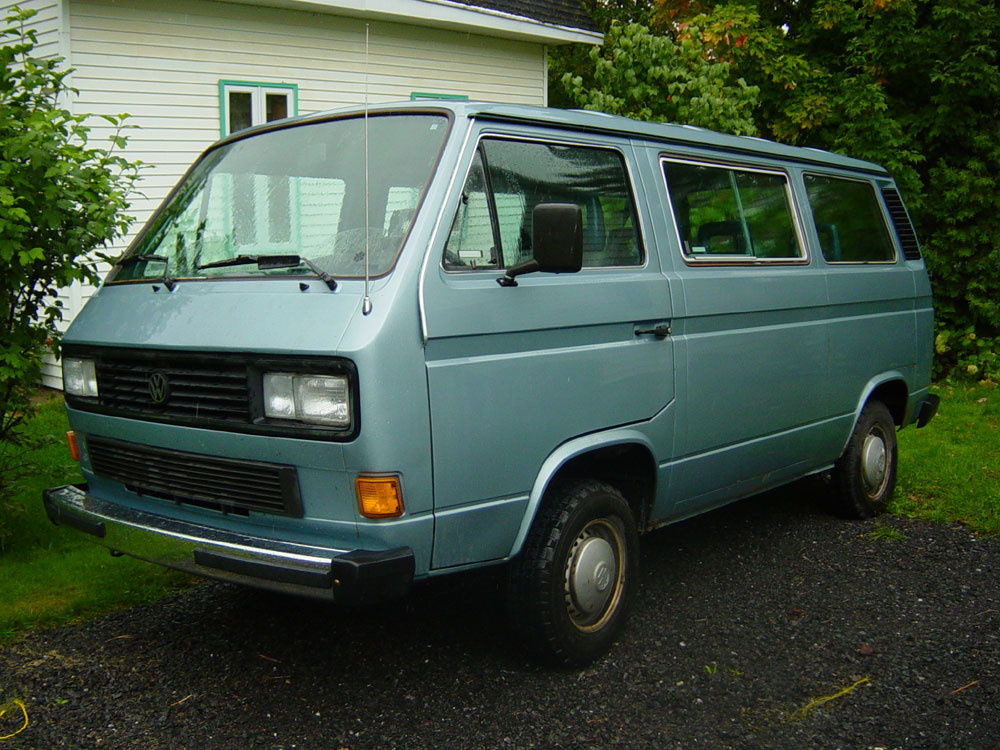
Several features distinguish the 1986 Volkswagen Vanagon from previous models. Perhaps the most significant upgrade was a more powerful engine. Starting in 1986 and continuing through the end of its U.S. run in 1991, the Vanagon was equipped with a 2.1-liter water-cooled four-cylinder engine that generated 95 horsepower, up from 83 horsepower the previous year. The engine used an updated fuel-injection system called the Digifant.
A four-speed manual transmission was standard, while a three-speed automatic was optional. The rear-wheel-drive vehicle was also equipped with rack and pinion steering, power-assisted brakes, and front and rear independent suspension.
The '86 Vanagon also came with rectangular rather than round headlights, which distinguished the late-'80s models from the early-'80s versions. And from 1986 on, the Vanagon came with an optional air conditioner that was significantly improved over earlier versions.
The Vanagon was available in a number of different trim packages, including the standard Vanagon L, the higher-end GL, the Vanagon Camper, and the GL Camper. A limited-edition Wolfsburg Edition was also available in mid-1986.
Standard features included front bucket seats, leatherette upholstery, carpeting, tinted glass, a rear window defogger, and a padded instrument panel. The Vanagon GL added deluxe front seats and velour upholstery, among other features. Synchro all-wheel-drive was also available on certain models.
While drivers appreciated the Vanagon's flexibility and functionality, many also noted that it often needed expensive repairs. The manual transmission and cylinder heads in particular were noted by drivers as commonly needing repairs.

User reviews for 1986 Volkswagen Vanagon
Write a review1986 Volkswagen Vanagon Pricing
Trims & specs
Audio System
AM/FM radio
Roof
OEM roof height: undefined
Seats
Front seat type: bucket · Passenger Seating: 9 · Upholstery: cloth
Windows
Front wipers: intermittent
Audio System
AM/FM radio
Convenience Features
Power steering: hydraulic
Rear Seats
Type: bench
Roof
OEM roof height: undefined
Seats
Front seat type: bucket · Upholstery: cloth
Third Row Seat
Type: bench
Tires and Rims
Wheels: steel
Windows
Front wipers: intermittent
Audio System
AM/FM radio
Convenience Features
Power steering: hydraulic
Roof
OEM roof height: undefined
Seats
Front seat type: bucket · Upholstery: cloth
Third Row Seat
Type: bench
Tires and Rims
Wheels: steel
Windows
Front wipers: intermittent
Audio System
AM/FM radio
Convenience Features
Power steering: hydraulic
Drivetrain
4WD Type: on demand
Rear Seats
Type: bench
Roof
OEM roof height: undefined
Seats
Front seat type: bucket · Upholstery: cloth
Third Row Seat
Type: bench
Tires and Rims
Wheels: steel
Windows
Front wipers: intermittent
Audio System
AM/FM radio
Convenience Features
Power steering: hydraulic
Drivetrain
4WD Type: on demand
Roof
OEM roof height: undefined
Seats
Front seat type: bucket · Upholstery: cloth
Third Row Seat
Type: bench
Tires and Rims
Wheels: steel
Windows
Front wipers: intermittent
Audio System
AM/FM radio
Convenience Features
Power steering: hydraulic
Roof
OEM roof height: undefined
Seats
Front seat type: bucket · Upholstery: cloth
Third Row Seat
Type: bench
Tires and Rims
Wheels: steel
Windows
Front wipers: intermittent
Audio System
AM/FM radio
Convenience Features
Power steering: hydraulic
Drivetrain
4WD Type: on demand
Roof
OEM roof height: undefined
Seats
Front seat type: bucket · Upholstery: cloth
Third Row Seat
Type: bench
Tires and Rims
Wheels: steel
Windows
Front wipers: intermittent

