1984 Volkswagen Rabbit Reviews, Pricing & Specs
Write a review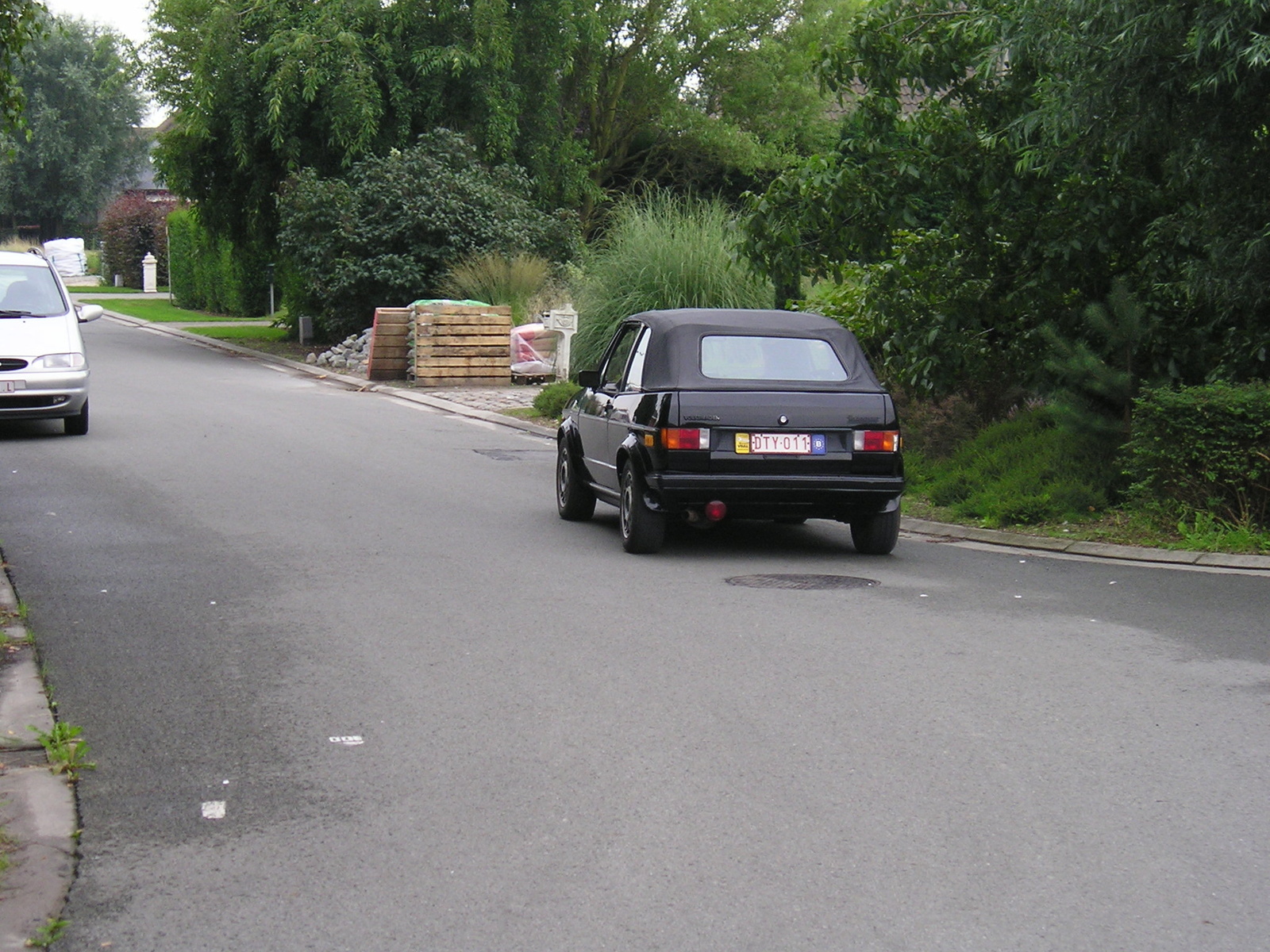
Now you see it, now you don't...and now you see it again. That could describe the Rabbit's history in the U.S. When it was introduced worldwide in the mid 1970s, the hatchback vehicle known in the U.S. as the VW Rabbit was known as the VW Golf throughout much of the rest of the world. But when the Rabbit/Golf was redesigned in 1985, the Rabbit name was dropped, and the vehicle was renamed the Golf when it showed up in U.S. showrooms. So 1984 would be the last year for the Rabbit...until, of course, it made its return in 2006, when the Golf named was dropped and the Rabbit name resurrected (in an effort to recapture some of that old Rabbit mystique, no doubt).
In anticipation of those mid-'80s changes, the 1984 Volkswagen Rabbit was essentially the same vehicle as the previous year's model. The standard powerplant was a four-cylinder, 1.7-liter single-overhead-cam gas engine that generated 74 horsepower. A 52-horsepower, 1.6-liter diesel engine was also available as an option.
In addition, the Rabbit was available in a sporty GTI package, which was spun off by VW into its own model lineup. The GTI came with a 1.8-liter, fuel-injected four-cylinder engine, which was rated at 90 horsepower.
The '84 Rabbit came in both two-door and four-door hatchback versions. A Rabbit pickup and a Rabbit convertible (later redubbed the Cabriolet) were also available.
MacPherson struts, large disc brakes, rack and pinion steering, four-wheel independent suspension, and energy-absorbing bumpers were all standard equipment for the Rabbit. Other standard features and options included an AM/FM radio, color-coordinated interiors, reclining front seats, a rear window defogger, a wood-grained dash, and air conditioning.
The Rabbit's durability is often singled out by drivers for praise, as the hatchbacked vehicles tended to run until their odometers were well into six figures. The Rabbit was not without its problems, but drivers remained loyal because the vehicle was considered to be fast, fuel efficient, and fun to drive.

User reviews for 1984 Volkswagen Rabbit
Write a review1984 Volkswagen Rabbit Pricing
Trims & specs
Audio System
AM/FM radio
Seats
Front seat type: bucket · Upholstery: cloth
Audio System
AM/FM radio
Seats
Front seat type: bucket · Upholstery: cloth
Audio System
AM/FM radio
Seats
Front seat type: bucket · Upholstery: cloth
Audio System
AM/FM radio
Seats
Front seat type: bucket · Upholstery: cloth
Tires and Rims
Wheel type: aluminum alloy
Audio System
AM/FM radio
Comfort Features
Steering wheel trim: leather
Seats
Front seat type: bucket · Upholstery: cloth
Tires and Rims
Wheel type: aluminum alloy
Windows
Front wipers: intermittent

