2021 Toyota Prius Reviews, Pricing & Specs



Pros & cons
What we like
Fuel-efficient
Quiet cabin
Excellent value for money
What to consider
Potentially polarizing design
Sluggish performance
The CarGurus verdict
When getting from Point A to Point B is the only reason you ever get behind the wheel of a car, the 2021 Toyota Prius is one of the best ways to do it.
To many people, cars are appliances made to serve a function. These consumers own a car because they need to get from where they are to where they’re going, and with a minimum of hassle, expense, or discomfort. Reliability, efficiency, safety, and economy are the critical deciding factors, and the 2021 Toyota Prius delivers on all fronts.
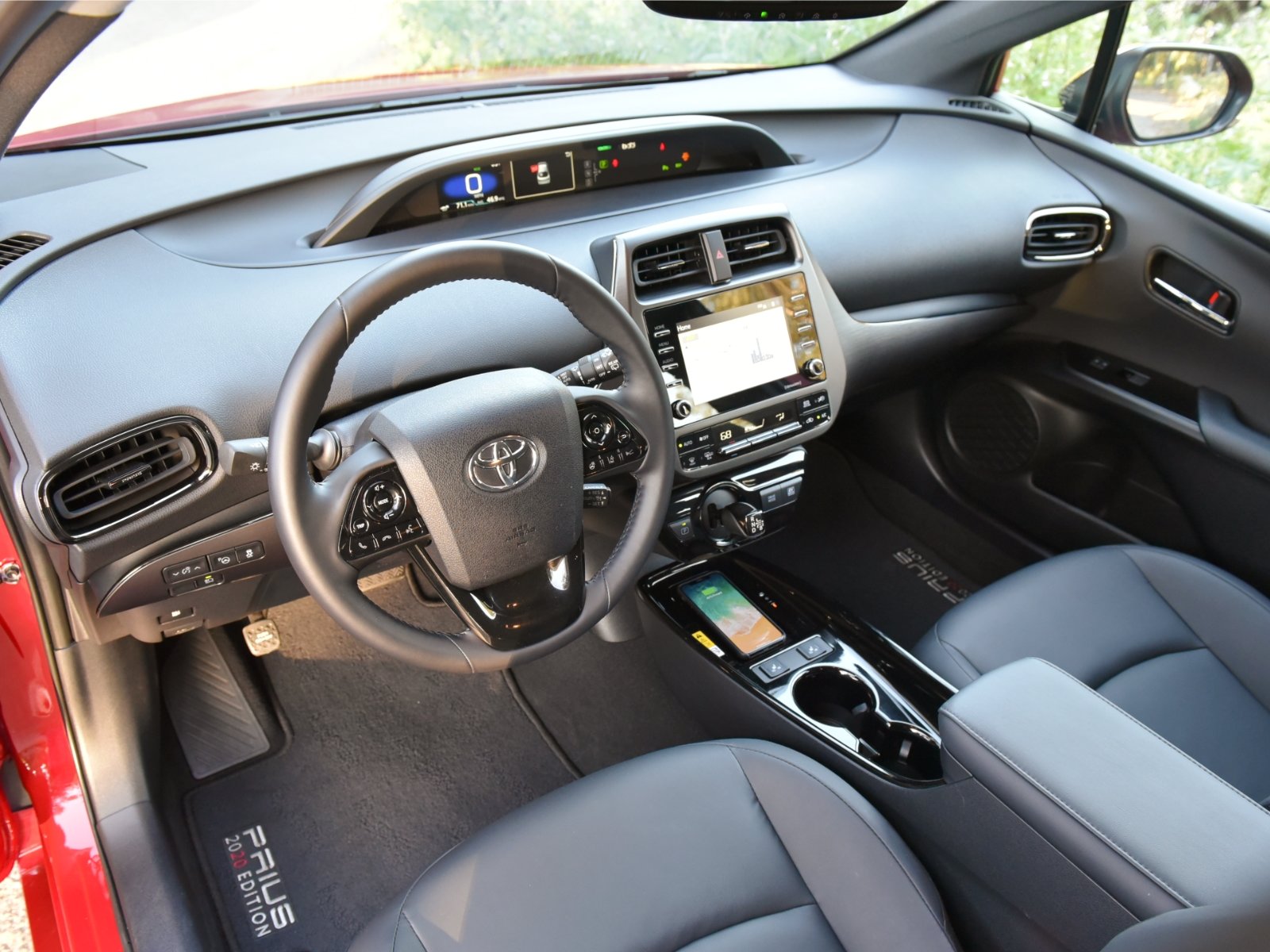
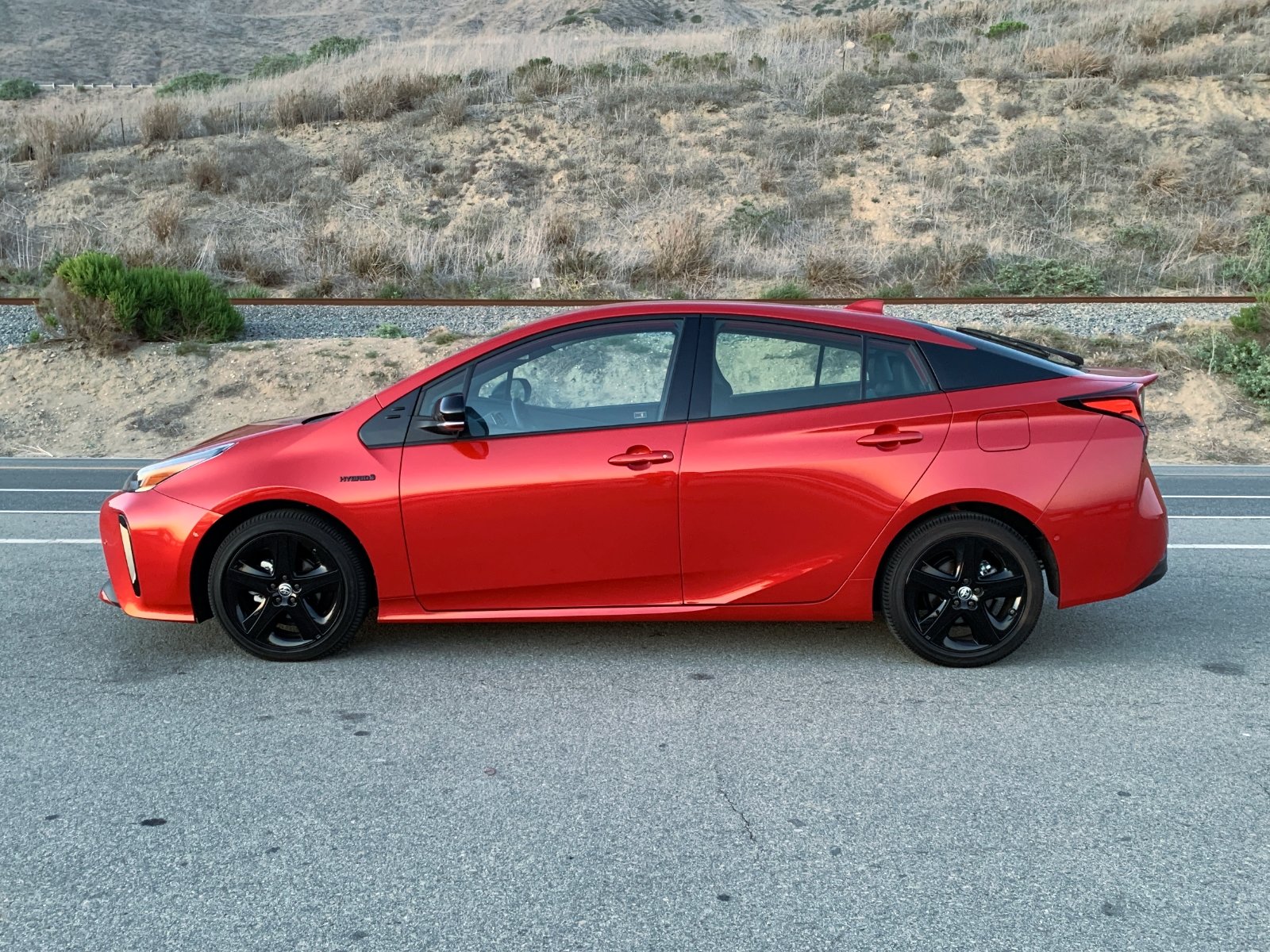
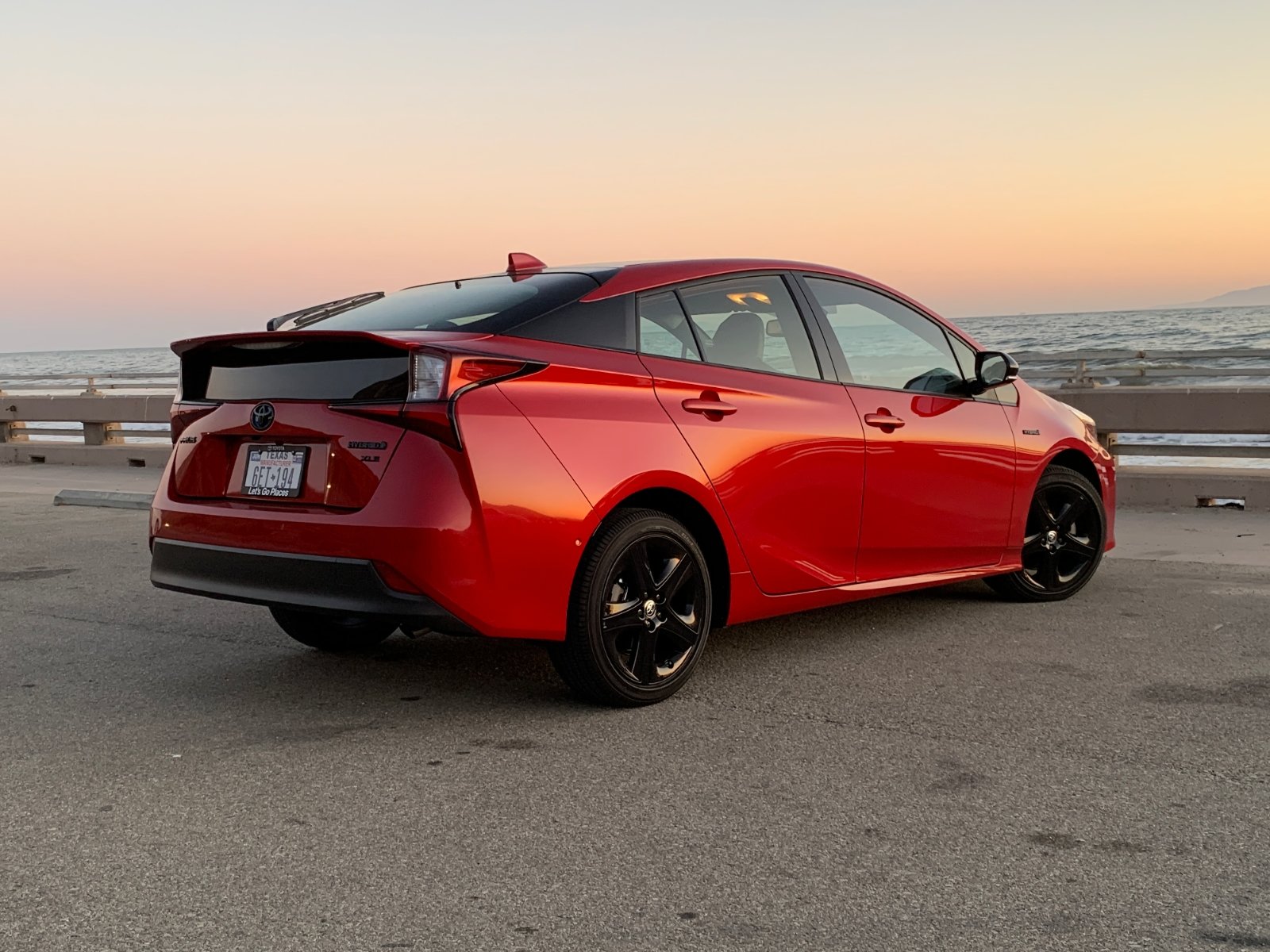
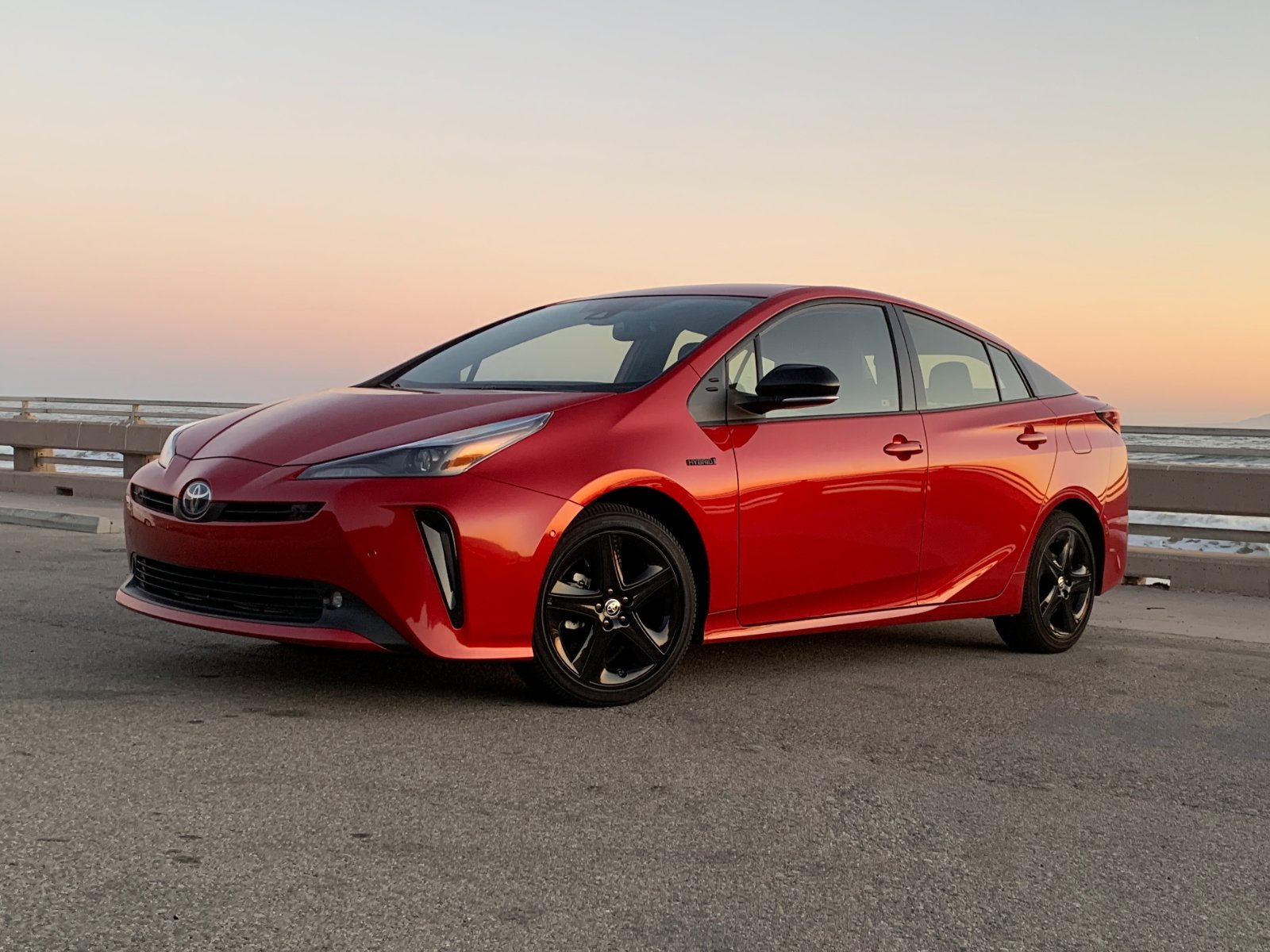
Confusingly, for 2021, the Prius lineup offered a 2020 Edition. Toyota built just 2,020 examples to commemorate the 20th anniversary of the first Prius sold in the U.S. market. It has blacked-out trim, black 17-inch wheels, a body-color rear spoiler, and comes in Supersonic Red or new Wind Chill paint colors.
Additionally, Toyota improved the 2021 Prius’s driving-assistance systems by making Toyota Safety Sense 2.0 standard across the board. Android Auto is also standard (joining Apple CarPlay), except for the unique infotainment system in the Prius Limited.
out of 10 expert review
Look & feel
It’s been more than 15 years since the Prius adopted its now-familiar boomerang-shaped hood and roofline. Since that groundbreaking second-generation 2004 Prius first went on sale, automakers have learned to build aerodynamic vehicles that don’t resort to extreme or unusual design elements. So, while the 2021 Toyota Prius no longer needs to look the way it does to maximize efficiency, the “boomerang on wheels” styling is ingrained into its identity.
It’s not a good look. Not even in Prius 2020 Edition specification with all of the trendy blacked-out trim.
The car’s interior is weird, too. The instrumentation lives in a strip of displays mounted in the center of the dashboard near the windshield. The transmission controls include a toggle lever on the dashboard and a button for engaging Park. The dashboard wraps dramatically into the door panels, with an infotainment pod thrust toward the front seat occupants, who sit on either side of a narrow center console. Gloss-black trim is a continual magnet for dust and fingerprints.
Toyota offers the 2021 Prius in L Eco, LE, XLE, 2020 Edition, and Limited trim levels. An electronic all-wheel-drive (AWD) system (dubbed AWD-e) using a small electric assist motor at the rear wheels is an option for the LE and XLE, but otherwise, the Prius is front-wheel drive (FWD). Toyota also offers the Prius Prime plug-in hybrid, with different styling, available in LE, XLE, and Limited trim. See our separate review of that model.
Every Prius is a five-door hatchback offering much of the utility of a crossover SUV but without the added ground clearance or rugged looks. Prices across the Prius lineup range from $24,525 to $32,650, not including the mandatory $995 destination charge. Dipped in extra-cost Supersonic Red, our Prius 2020 Edition test vehicle rang up to $31,295, including destination charges.
Performance
With a Toyota Prius, you measure performance in miles per gallon. For maximum bang-for-the-buck, the L Eco version is what you want, able to average 56 mpg in combined driving according to the EPA. Other front-drive Prius models earn a 52 mpg combined fuel-economy rating, while AWD-e Priuses (Prii?) muster just 49 mpg.
So, how did the Prius 2020 Edition do? It averaged 47.5 mpg on the testing loop, falling short of EPA estimates.
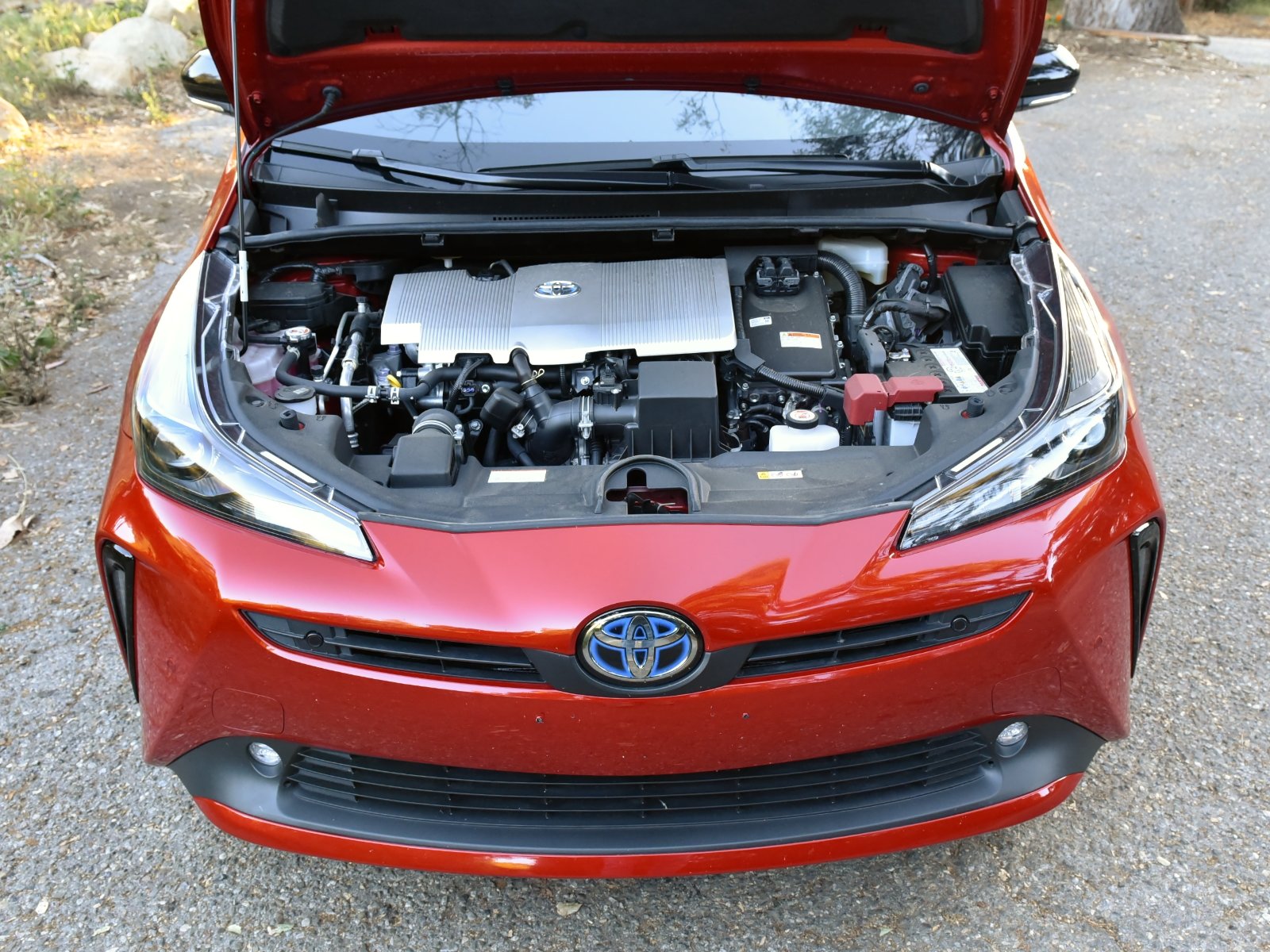
The Prius pairs an Atkinson-cycle 1.8-liter four-cylinder gasoline engine with a 53-kilowatt electric motor, what Toyota calls an electronic continuously variable transmission (e-CVT), and either a lithium-ion (FWD) or a nickel-metal hydride (AWD-e) battery pack.
Total system output measures 121 horsepower, which isn’t much even in the 3,020-pound Prius 2020 Edition. But the near-instantaneous 120 pound-feet of torque from the electric motor helps the Prius to feel lively right off the line as you accelerate from a stop. And it gives the Prius electric-only driving capability at speeds under 25 mph to help conserve fuel.
To maximize the use of that feature, you’ll need to actively select the EV Mode button next to the transmission controller. Eco, Normal, and Power driving modes are also available to help maximize efficiency or improve responsiveness, though the latter seems just to add noise instead of quicker acceleration. And to help keep the battery charged up, you can increase the amount of regenerative braking, capturing more energy during deceleration.
The more time you spend in urban and high-traffic, low-speed driving situations, the more efficient a Prius is. That’s why it gets much better fuel economy ratings for city driving than highway driving and is also why the Prius is perfect for daily commuting in major metropolitan areas.
Unexpectedly, it can also handle curvy two-lane roads with some enthusiasm. This is due primarily to its Toyota New Global Architecture (TNGA) platform. TNGA was engineered to deliver a lower center of gravity, and give Toyota's vehicles a more athletic feel from behind the wheel.
As a result, you can toss a Prius around on a twisty road. Between the TNGA platform and the weight of the electric motor(s) and battery close to the ground, a Prius offers a bit of a slot-car feel in corners. But don’t get too excited. Hard acceleration produces mind-numbing powertrain drone, the 17-inch tires are crafted for fuel economy, not grip, and the weighty but lifeless steering is free of road feel. Still, the handling is predictable, the regenerative braking supplies commendable pedal feel and modulation, and the car exhibits a flat cornering attitude.
Still, a Prius is not a complete dud in the fun-to-drive department. Besides, if you’re buying a car like this, part of the enjoyment in driving it is seeing if you can beat your last best fuel economy on a tank of gas. So, whether you’re activating the added-regen function, remembering to use the EV driving mode, or trying to use a light foot on the accelerator pedal to prevent the gas engine from starting before it's absolutely necessary, meeting the challenge of maximizing efficiency is its own kind of dopamine reward.
And for anyone stuck behind a Prius whose driver is engaging in these activities, you have our enduring empathy.
Form & function
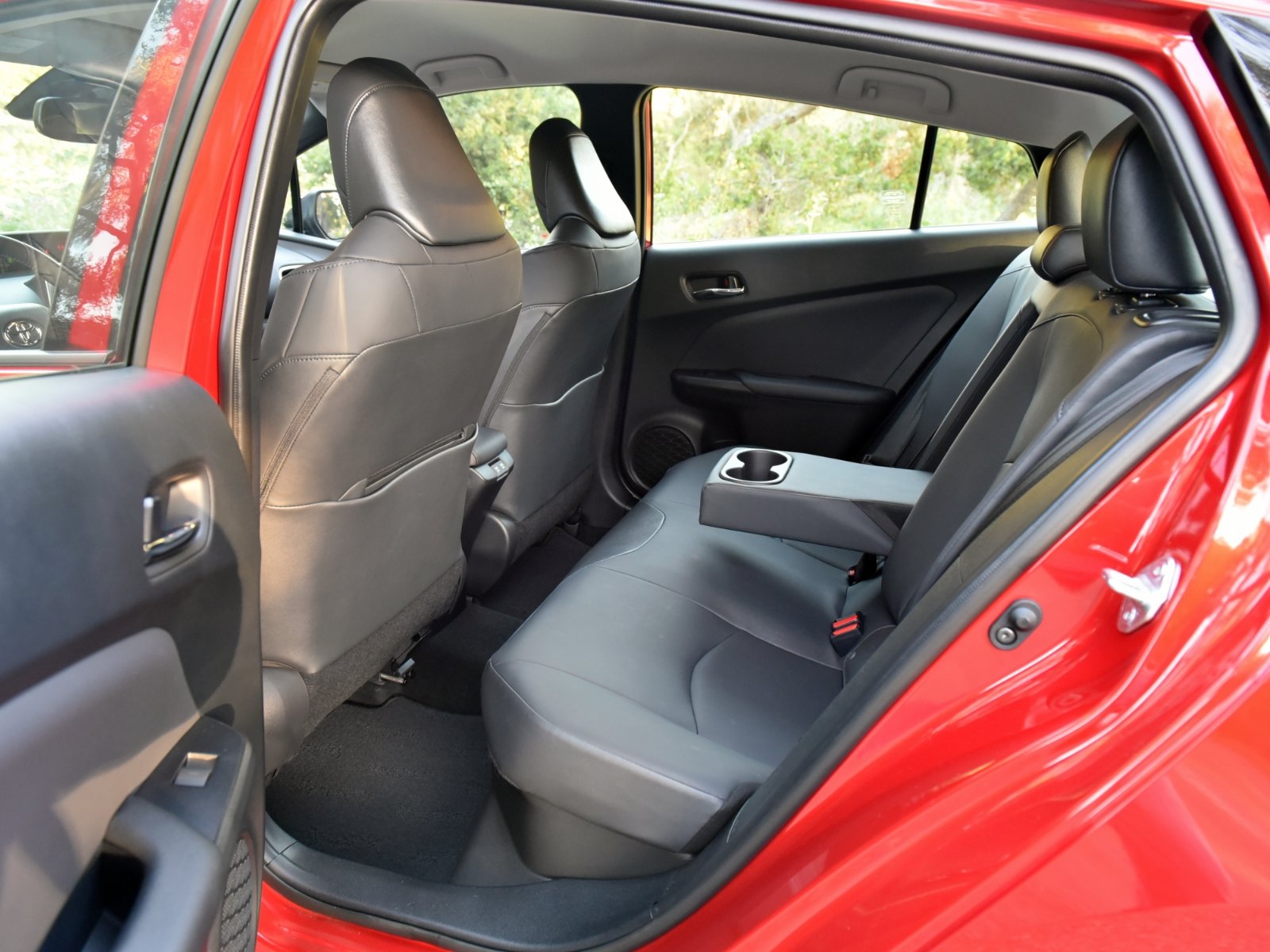
People think of the Toyota Prius as a small car, but it’s bigger inside than you might expect. There is room for up to five people, and the seats are comfortable even if Toyota’s soft-but-sticky SofTex synthetic leather is not.
Our test vehicle had an eight-way power driver’s seat, heated front seats, and a heated steering wheel. Finding a good driving position behind the tilt/telescopic steering wheel is easy, but you sit low in the Prius, making entry and exit more difficult. Ventilated front seats would be nice to have during warm weather because the SofTex upholstery tends to trap sweat, keeping you damp during a drive.
The rear seats offer just enough foot room, legroom, and headroom to be comfortable for adults. There aren’t any air-conditioning vents, though, so sweaty passengers sitting on the SofTex upholstery are going to remain that way.
Cargo space varies depending on the trim level. Open the rear hatch, and it holds between 24.6 cubic feet and 27.4 cubic feet behind the back seat. Fold the seat down, and maximum volume ranges between 47.9 cubic feet and 50.7 cubic feet of volume.
Technology
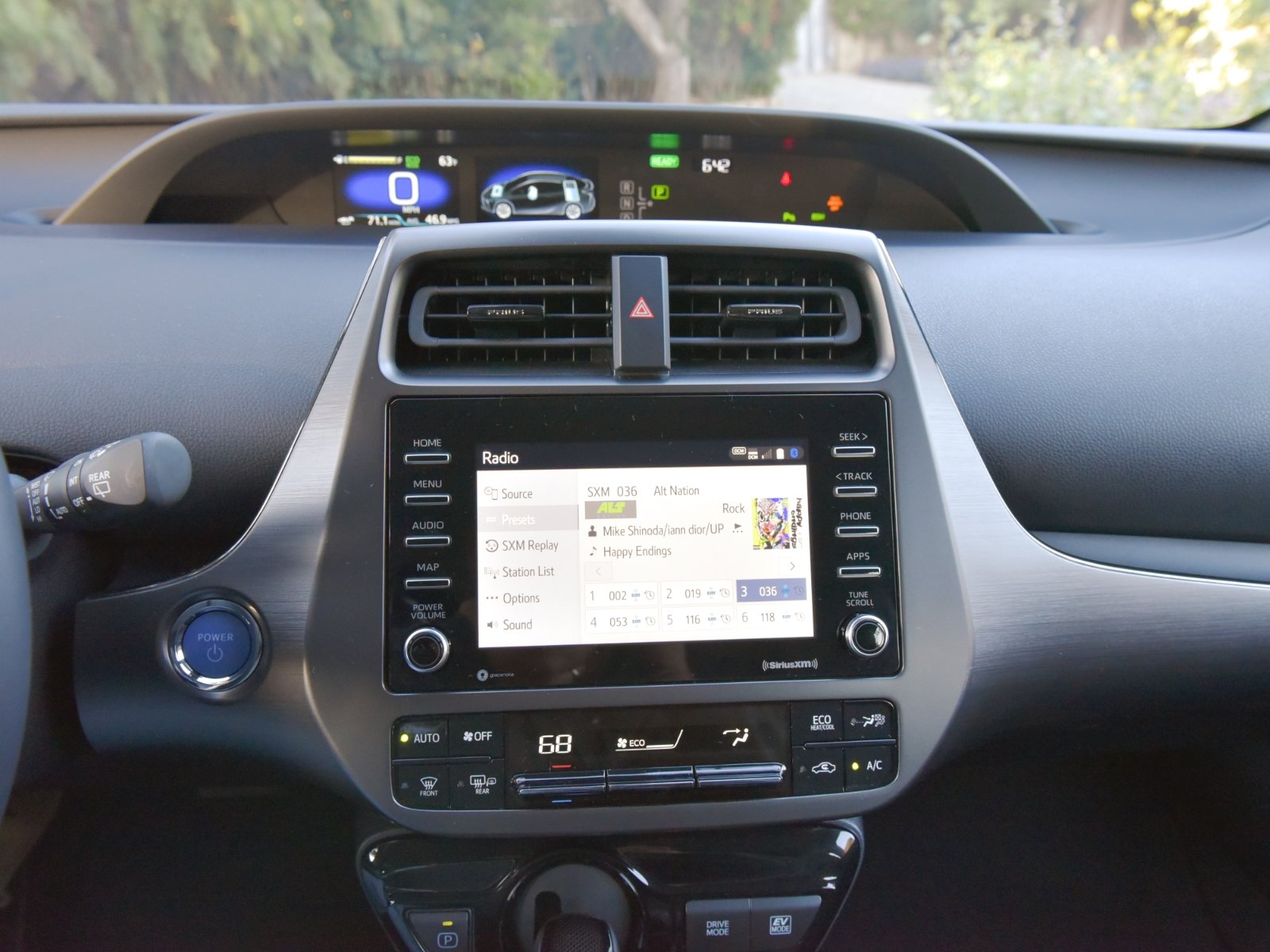
In terms of its design, layout, and specifications, the 7-inch touchscreen infotainment system looks and operates like other Toyotas. It includes stereo-volume and tuning knobs, and shortcut buttons to main-function menus.
Standard equipment for all trims includes Bluetooth, SiriusXM satellite radio, Apple CarPlay and Android Auto smartphone integration, and Amazon Alexa compatibility. Toyota’s Safety Connect and WiFi Connect are also standard, with generous free trial subscriptions to service. Stereo speaker sound quality is awful, lacking fidelity and resonance. Plus, the car’s significant road noise overwhelms it on the highway.
For a 10-speaker JBL premium sound system, a navigation system, and a natural voice recognition system, you’ll need Limited trim. These features pair with the Limited’s exclusive 11.6-inch portrait-style touchscreen infotainment system, but unfortunately, it does not benefit from the Android Auto upgrade Toyota bestows upon the standard system.
A long strip at the top of the dashboard houses the digital instrumentation. The displays are dated, with cheesy graphics. They do not connote technological sophistication.
Safety
For 2021, Toyota upgrades the Prius to its Toyota Safety Sense 2.0 (TSS 2.0) collection of safety systems. Furthermore, it makes TSS 2.0 standard on every version of the car.
Highlights include adaptive cruise control with stop-and-go capability, forward-collision warning with pedestrian detection, lane-departure warning, lane-keep assist, lane-centering assist, automatic high-beam headlights, and a road-sign recognition system. If you get a Prius LE or a higher trim level, the car includes a blind-spot monitoring system with rear cross-traffic alert.
Overall, the contents of TSS 2.0 work well. However, I much preferred the Prius’ steering without the lane-keeping and lane-centering assistance systems active. With them on, they add an element of artificiality to the steering feel. Plus, the lane-departure warning system’s incessant beeping gets old, and fast.
Safety Connect services are also standard for the 2021 Prius and are free to use for the first three years of ownership. They include automatic collision notification, emergency assistance, roadside assistance, and on the off chance that you need it, a stolen vehicle locator function.
Oddly, the National Highway Traffic Safety Administration (NHTSA) has not rated the 2021 Prius for crashworthiness. For some reason, it elected not to carry over the rating for the 2020 model.
The Insurance Institute for Highway Safety (IIHS) gives the car favorable marks. With better headlights and improved front-passenger protection in small-overlap, frontal-impact collisions, it might even nab a Top Safety Pick. But for now, it doesn’t.
Cost-effectiveness
Styling sells cars, and styling is a problem with this car. It’s weird for the sake of being weird, and now that other hybrids can equal its efficiency without resorting to unnecessarily outlandish design—including the Toyota Corolla Hybrid, which uses the same powertrain—the Prius’ reason to exist is in question.
Once upon a time, this was an important car. A game-changer. But no more.
Still, the Toyota Prius is an undeniably cost-effective form of transportation. With a well-earned reputation for reliability, impressive fuel economy, complimentary scheduled maintenance for the first two years or 25,000 miles, and generous trial subscriptions to connected services, there is plenty of value in purchasing a Prius.
When you simply need an affordable, dependable, efficient, safe, and practical car for getting from where you are to where you’re going, it’s one of the best vehicles for the job.

What owners say
This is the 5th Toyota Prius Ive owned. The features of my 2021 Prius XLE are what I expect from Toyota. The car borders on being a luxury/hybrid sedan. The ride is so much better than previous year Priuses, along with no wind or road noise. The quality is up to par with other Toyotas Ive owned. This car lacks nothing. There is nothing in this cars class that it can be compared with. The Honda Insight doesnt come close, the Hyundai Ioniq is a nice hybrid, but lacks the fine details and refinement of the Prius. I might compare it to a Camry S.E. hybrid, but again, the Camry is a different type of car. The fuel mileage isnt as good as what the Prius delivers. Also, the Camry is not a hatchback...too bad.
November 17, 2020I have had Toyotas for years. I like their reliability, low repair cost and gas mileage. This is our third Prius!
September 11, 2021Zippier than I expected. Very quiet and smooth riding. Simple features as far as seats go. This model felt smaller, like it wraps around me. But overall a nice car for the price with excellent fuel mileage.
July 21, 2022What owners say
This is the 5th Toyota Prius Ive owned. The features of my 2021 Prius XLE are what I expect from Toyota. The car borders on being a luxury/hybrid sedan. The ride is so much better than previous year Priuses, along with no wind or road noise. The quality is up to par with other Toyotas Ive owned. This car lacks nothing. There is nothing in this cars class that it can be compared with. The Honda Insight doesnt come close, the Hyundai Ioniq is a nice hybrid, but lacks the fine details and refinement of the Prius. I might compare it to a Camry S.E. hybrid, but again, the Camry is a different type of car. The fuel mileage isnt as good as what the Prius delivers. Also, the Camry is not a hatchback...too bad.
November 17, 2020I have had Toyotas for years. I like their reliability, low repair cost and gas mileage. This is our third Prius!
September 11, 2021Zippier than I expected. Very quiet and smooth riding. Simple features as far as seats go. This model felt smaller, like it wraps around me. But overall a nice car for the price with excellent fuel mileage.
July 21, 2022Love this car and features. Drives very well and the cabin is comfortable. A lot of built in technology that enhances the experience.
May 2, 2021Trims & specs
Base MSRP $27,135 | Seating 5 |
Engine 1.8L 121 hp I4 Hybrid | Cargo Capacity 24.6 cu ft |
Combined MPG 49 | Drivetrain AWD |
Base MSRP $29,575 | Seating 5 |
Engine 1.8L 121 hp I4 Hybrid | Cargo Capacity 24.6 cu ft |
Combined MPG 49 | Drivetrain AWD |
Base MSRP N/A | Seating N/A |
Engine N/A | Cargo Capacity N/A |
Combined MPG N/A | Drivetrain N/A |
Base MSRP $29,875 | Seating 5 |
Engine 1.8L 121 hp I4 Hybrid | Cargo Capacity 27.4 cu ft |
Combined MPG 52 | Drivetrain FWD |
Base MSRP $32,650 | Seating 5 |
Engine 1.8L 121 hp I4 Hybrid | Cargo Capacity 27.4 cu ft |
Combined MPG 52 | Drivetrain FWD |
Base MSRP N/A | Seating N/A |
Engine N/A | Cargo Capacity N/A |
Combined MPG N/A | Drivetrain N/A |
Base MSRP $28,575 | Seating 5 |
Engine 1.8L 121 hp I4 Hybrid | Cargo Capacity 27.4 cu ft |
Combined MPG 52 | Drivetrain FWD |
Base MSRP N/A | Seating N/A |
Engine N/A | Cargo Capacity N/A |
Combined MPG N/A | Drivetrain N/A |
Base MSRP $25,735 | Seating 5 |
Engine 1.8L 121 hp I4 Hybrid | Cargo Capacity 24.6 cu ft |
Combined MPG 52 | Drivetrain FWD |
Base MSRP $24,525 | Seating 5 |
Engine 1.8L 121 hp I4 Hybrid | Cargo Capacity 27.4 cu ft |
Combined MPG 56 | Drivetrain FWD |
Base MSRP N/A | Seating N/A |
Engine N/A | Cargo Capacity N/A |
Combined MPG N/A | Drivetrain N/A |


Pricing trends
MSRP range
$24,525 - $32,650
Current avg. market price
$21,115
Trending up by 0.7% this month
May 2026 - October 2026


