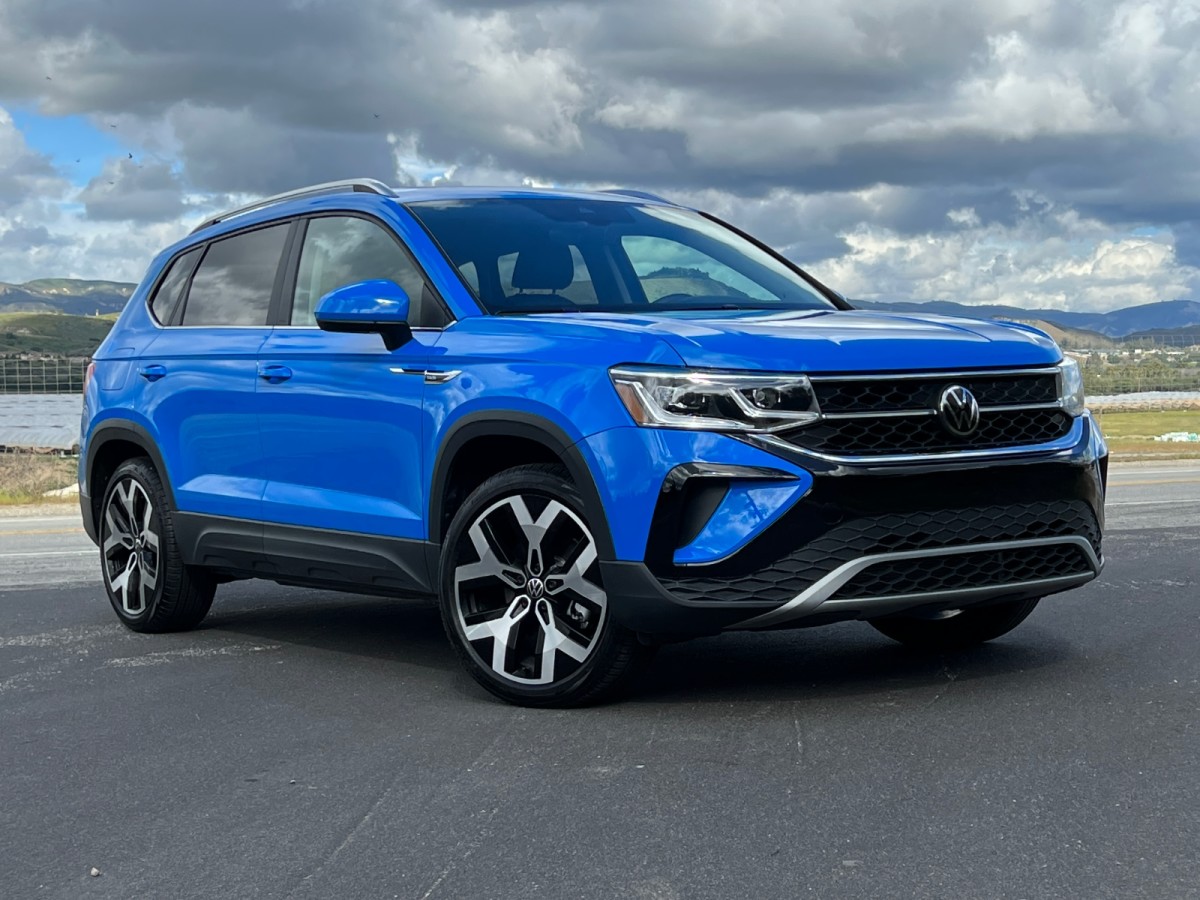
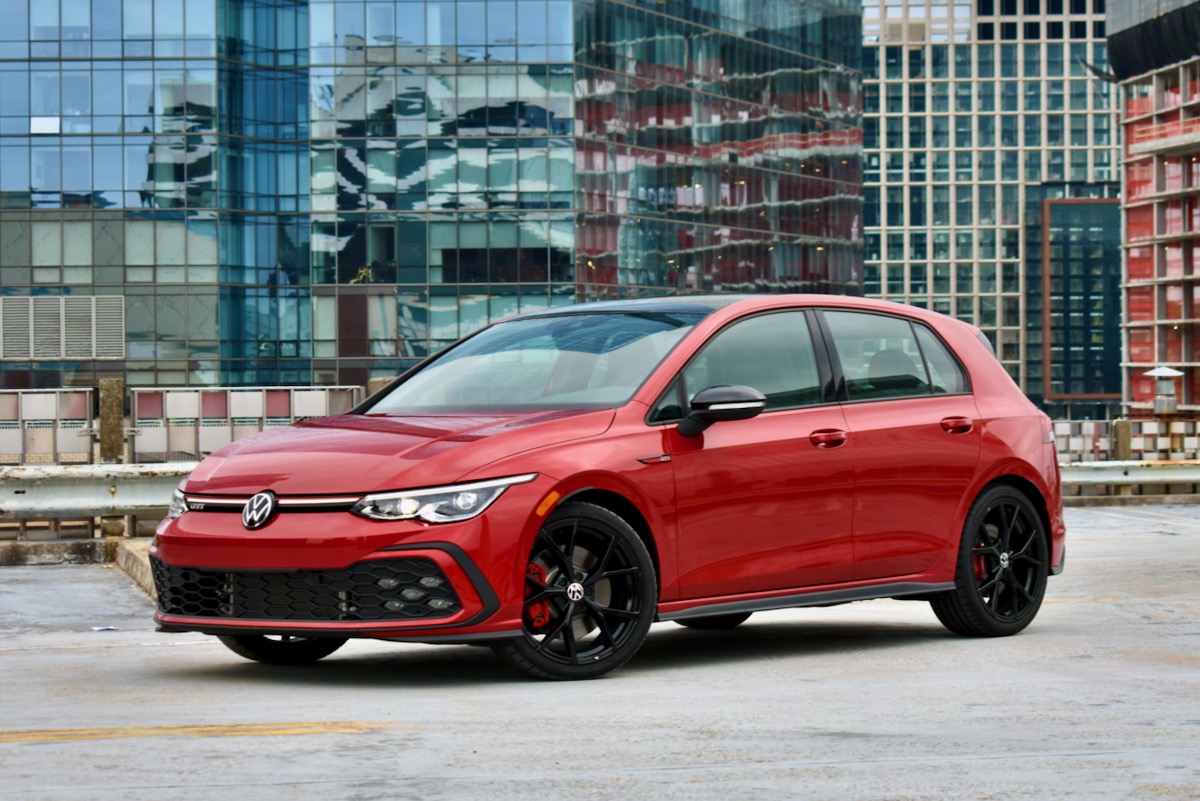
Volkswagen entered the competitive subcompact SUV segment with the Taos for the 2022 model year, positioning it below the Tiguan in its SUV lineup. This new crossover effectively replaced the iconic Golf hatchback in the North American market (only the performance Golf GTI and Golf R models remain on sale), used the same MQB platform, and pricing even started at the same point as the outgoing Golf. While not quite as dynamic, it was perfect for buyers looking for more space and a higher seating position without stepping up to the larger Tiguan.
Volkswagen Taos Buying Guide: Cost, Reliability, and the Best Years to Own
Search for Volkswagen Taos
See all


Built for global mass market appeal and everyday practicality, the Taos's wide variety of competitors includes the Chevrolet Trax, the Ford Bronco Sport, the Honda HR-V, the Jeep Compass, the Kia Seltos, the Mazda CX-30, the Subaru Crosstrek, and the Toyota Corolla Cross. The Taos stands out as one of the larger entries in the class, and that size advantage translates directly to passenger comfort. It doesn't try to win on outright power or off-road prowess. Instead, its core value proposition is practical utility—it's a roomy, comfortable, well-built small SUV that's competitively priced and designed to cover everyday needs with few compromises. For used shoppers who want a sensible, space-efficient crossover with German refinement and a familiar brand, the Taos makes a compelling case.
Our buying guide looks at how the single generation of the VW Taos has evolved over time, the best and worst versions available, and how much buyers can expect to pay for one.
Volkswagen Taos Buying Guide: Cost, Reliability, and the Best Years to Buy
- Frequently Asked Questions
- Pros and Cons
- Volkswagen Taos Generations
- Volkswagen Taos First Generation (2022-Present)
Frequently Asked Questions
Which Volkswagen Taos years are the best?
The mid-cycle refresh for the 2025 model year addressed many of the owner complaints and reliability concerns raised when the Taos was first launched. These models received new styling, an improved powertrain, and more standard safety tech. Consumer Reports says these later model years are rated higher for reliability and owner satisfaction.
Which Volkswagen Taos years are the worst?
The earlier 2022 and 2023 model years are the worst to own. As an all-new model with a new engine, they experienced reliability problems and quite a few recalls. From bad head gaskets to rear brake problems, these early model years can cause owners headaches.
How much does a late-model Volkswagen Taos cost?
A one-year-old 2025 Volkswagen Taos averages $24,577 on the used market, while a three-year-old 2023 model averages $21,668. Buying a slightly older Taos can save you money without giving up much in features or condition.
Research Volkswagen Taos Price Trends on CarGurus
Is a used Volkswagen Taos a good deal?
The Volkswagen Taos can be a good deal for buyers looking for generous interior space and a European flair. Reliability of early models is a concern, but this shaky reputation can mean buyers can find a better deal on the used market. Later model years are proving sturdier and better to own.
Pros and Cons
Pros:
- Stylish design
- Good fuel efficiency
- Plenty of cargo space
Cons:
- Irritating, underpowered drivetrain (older models)
- Fiddly infotainment system
- Questionable value for money
Volkswagen Taos Generations
Volkswagen Taos First Generation (2022-Present)
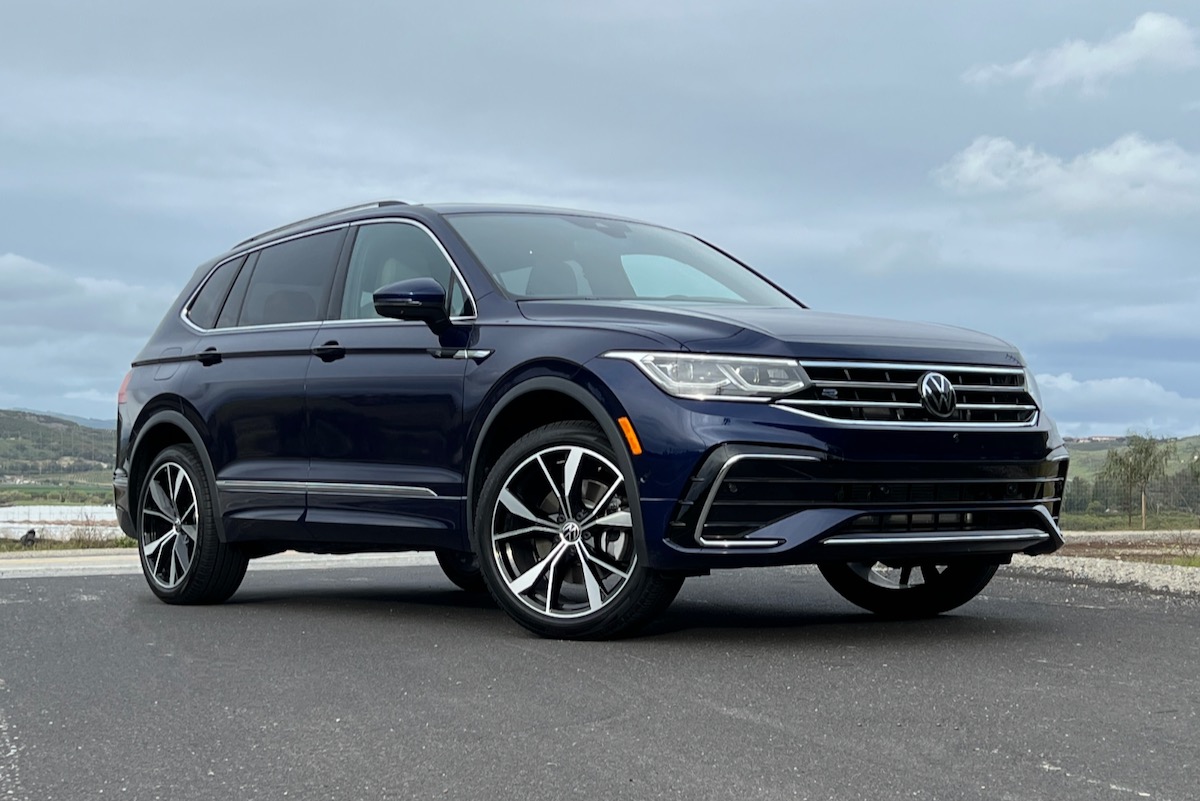
The Taos arrived as Volkswagen's newest and most accessible SUV, slotting below the compact Tiguan. Despite the Tiguan's larger classification, the subcompact Taos is actually slightly wider and only about nine inches shorter, making it one of the roomiest cars in its class. Buyers familiar with the VW family will immediately feel at home; the styling takes cues from the larger Atlas, and the driving dynamics carry the same composed, European character for which the brand is known.
Every Taos is powered by a 1.5-liter turbocharged four-cylinder engine. From launch until the 2024 model year, it produced 158 horsepower and 184 pound-feet of torque. For 2025 and later model years, VW upgraded the engine to 174 hp. Through 2024, front-wheel-drive (FWD) models used a conventional eight-speed automatic transmission, while the 4Motion all-wheel-drive (AWD) models used a seven-speed dual-clutch DSG transmission. Dual-clutch gearboxes are great for quick, sporty shifts, but can feel jerky and hesitant in everyday driving, especially in stop-and-go traffic, which was a common complaint among early Taos owners. The transmission and drivetrain configuration changed meaningfully for the 2025 refresh, and VW standardized the smoother eight-speed automatic, which helped to resolve the issue.
Buyers prioritizing fuel economy should favor FWD models, rated at 31 mpg combined, versus 28 mpg combined for 4Motion AWD variants. It's worth noting that the rear suspension design differs by drivetrain; FWD Taos models use a simpler torsion beam rear suspension, while 4Motion models get a more sophisticated multilink setup for a more controlled ride.
The Taos launched with three trim levels: S, SE, and SEL. The base S trim is where the deals are found on the used market, but the SE represents the best value for most buyers, balancing a meaningful jump in standard features—including upgraded upholstery, an eight-way power driver's seat, heated front seats, and the larger 8-inch infotainment screen—without the premium prices of the top-spec SEL. The SEL adds leather seats, a panoramic sunroof, ventilated front seats, dual-zone automatic climate control, a heated steering wheel, and 19-inch wheels for buyers looking for a more premium experience. For 2024, VW added an SE Black trim that brought blacked-out exterior elements (roof, wheels, and trim accents) and blue interior stitching.
The cabin is a strong point. Seat comfort is good across all trims, and there's a lot of room inside, so even tall rear passengers will be comfortable. The base S trim uses cloth upholstery with manual seat adjustments. SE trim features CloudTex (a durable, easy-to-clean synthetic leather) and an eight-way power-adjustable driver's seat. The SEL upgrades the upholstery to genuine leather.
Every Taos comes with a 10.25-inch digital driver display—a notable feature at the price point. The size of the infotainment screen depends on the trim, as the S has a 6.5-inch touchscreen display, while the SE and SEL trim levels have an 8-inch touchscreen display. All trims support Apple CarPlay and Android Auto smartphone connectivity.
Buyers in colder climates should note that heated front seats, heated mirrors, and heated windshield washer nozzles come standard on the SE and SEL trims. The top-of-the-line SEL adds a heated steering wheel for good measure.
VW's IQ.Drive package delivers a comprehensive safety suite that includes the following features: automatic emergency braking with forward-collision warning, blind-spot monitors, lane-keep assist, adaptive cruise control with stop-and-go, and Travel Assist (VW's semi-automated driving function). At launch, the full suite came standard only on the SEL, while the S and SE required an optional package for the full suite. From the 2023 model year, forward-collision warning became standard across all trims and, by 2024, the complete IQ.Drive package was standard on every Taos.
Crash test performance from the IIHS was respectable but not class-leading, while the NHTSA rated the Taos four-out-of-five stars. Buyers for whom top safety scores are a priority should verify ratings for their specific model year before purchasing, as the results have varied.
The early 2022 and 2023 model years had some growing pains. A VW Technical Service Bulletin addressed a head gasket issue in which coolant could mix with engine oil—a problem that can lead to expensive repairs if unaddressed. Several recalls were issued covering fuel pump failures, potential fuel leaks, and rear suspension defects. Additionally, the rear brake pads on early models were prone to accelerated wear, and VW has since released updated replacement pads to address this.
According to CarComplaints.com, the 2022 and 2023 model years drew the highest concentration of owner complaints. The picture improves significantly by 2024, and the 2025 refresh brought further mechanical and powertrain refinements. Buyers keen to minimize risk should prioritize 2024 and especially 2025 and later model years.
According to CarGurus, average pricing for a used Taos hovers around $19,000 for 2022 model year examples and rises to approximately $25,000 for 2025 models. A high-mileage base S in front-wheel drive will sit at the lower end of that range, while a low-mileage SEL with 4Motion will be nearer $30,000.
Related Topics

by Alex Wagner
Alex’s first word was “voiture.” Growing up, he spent summers karting in France and zipping around Downeast Maine on an old Honda Trail 70, and his lifelong automotive passion has only grown as an adult. Alex began writing for CarGurus in 2023, lending his car-shopping expertise as an industry analyst. He can usually be found tinkering with an old car or reading about new cars—sometimes even the next car. He currently owns an ‘88 Peugeot 505 and a ‘94 4Runner.
The content above is for informational purposes only and should be independently verified. Please see our Terms of Use for more details.


