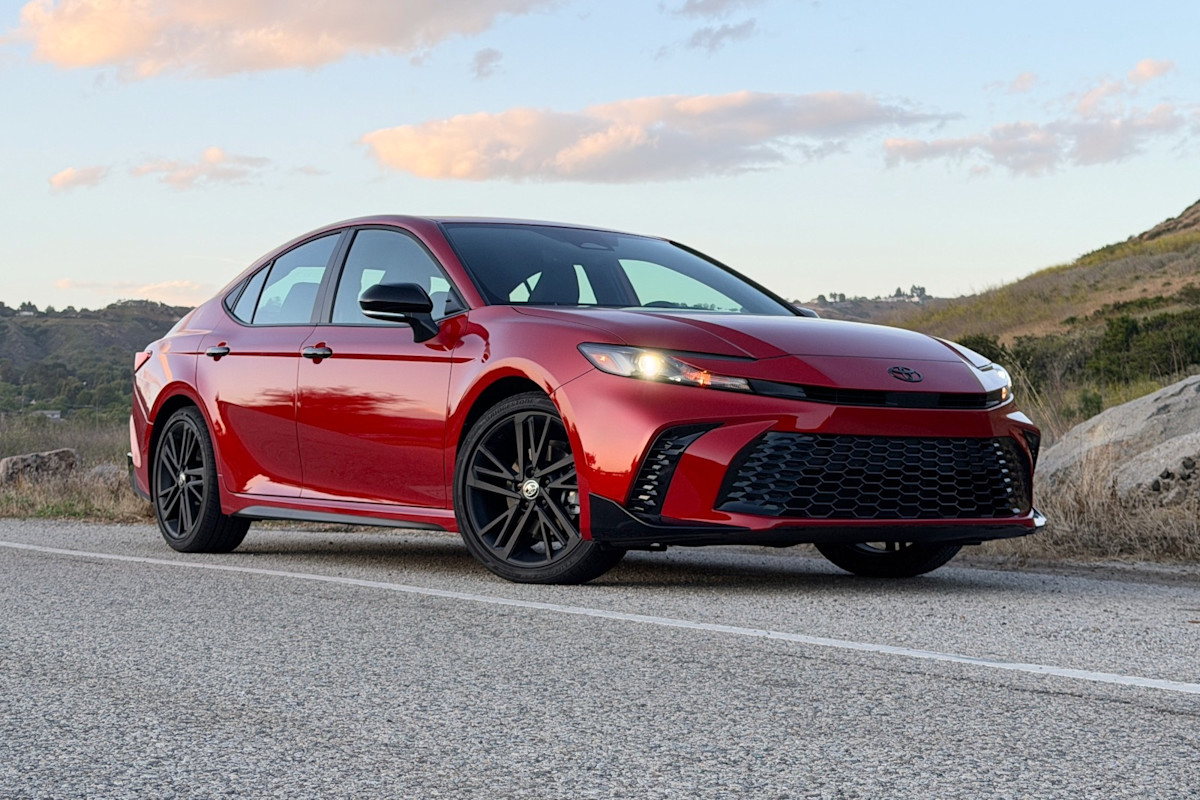
What is a Good Price for a Used Toyota Camry in Charlotte, NC?
Used Camrys in Charlotte average $21,734 — a 2.1% discount versus the national average of $22,197. The modest price gap tells only part of the story: Charlotte’s real strength is deal quality, with an outsized share of competitively priced listings.
Price by Model Year in Charlotte, NC
The Camry spans several generations on the used market. The ninth-generation hybrid-only model (2025–2026) is the newest, followed by the eighth-generation (2018–2024) that dominates inventory, the seventh-generation (2012–2017) for budget buyers, and the sixth-generation (2006–2011) — a generation to approach with caution due to reliability concerns.
| Model Year |
Charlotte Avg. Price |
National Avg. Price |
Charlotte Avg. Mileage |
Inventory Share |
| 2026 |
$32,208 |
$33,128 |
3,635 miles |
87% |
| 2025 |
$28,944 |
$29,526 |
28,449 miles |
130% |
| 2024 |
$26,362 |
$26,565 |
47,897 miles |
160% |
| 2023 |
$25,684 |
$25,392 |
42,075 miles |
130% |
| 2022 |
$23,191 |
$23,443 |
82,743 miles |
108% |
| 2021 |
$20,508 |
$22,012 |
94,210 miles |
91% |
| 2020 |
$20,345 |
$20,313 |
86,976 miles |
85% |
| 2019 |
$16,160 |
$18,871 |
116,613 miles |
84% |
| 2018 |
$18,199 |
$17,677 |
102,005 miles |
69% |
| 2017 |
$14,178 |
$14,910 |
132,455 miles |
52% |
| 2016 |
$13,419 |
$14,085 |
127,660 miles |
40% |
| 2015 |
$12,141 |
$12,832 |
136,432 miles |
36% |
| 2014 |
$12,710 |
$11,710 |
121,218 miles |
37% |
Ninth Generation Hybrid-Only (2025–2026): $28,944–$32,208
The newest Camry is hybrid-only, pairing a 2.5-liter four-cylinder with an electric motor for 225 hp (FWD) or 232 hp (AWD) and up to 51 mpg combined. Charlotte pricing runs 2.0–2.8% below national averages on both model years. The 2026 models average just 3,635 miles — essentially new — while 2025s at 28,449 miles offer meaningful savings at $28,944.
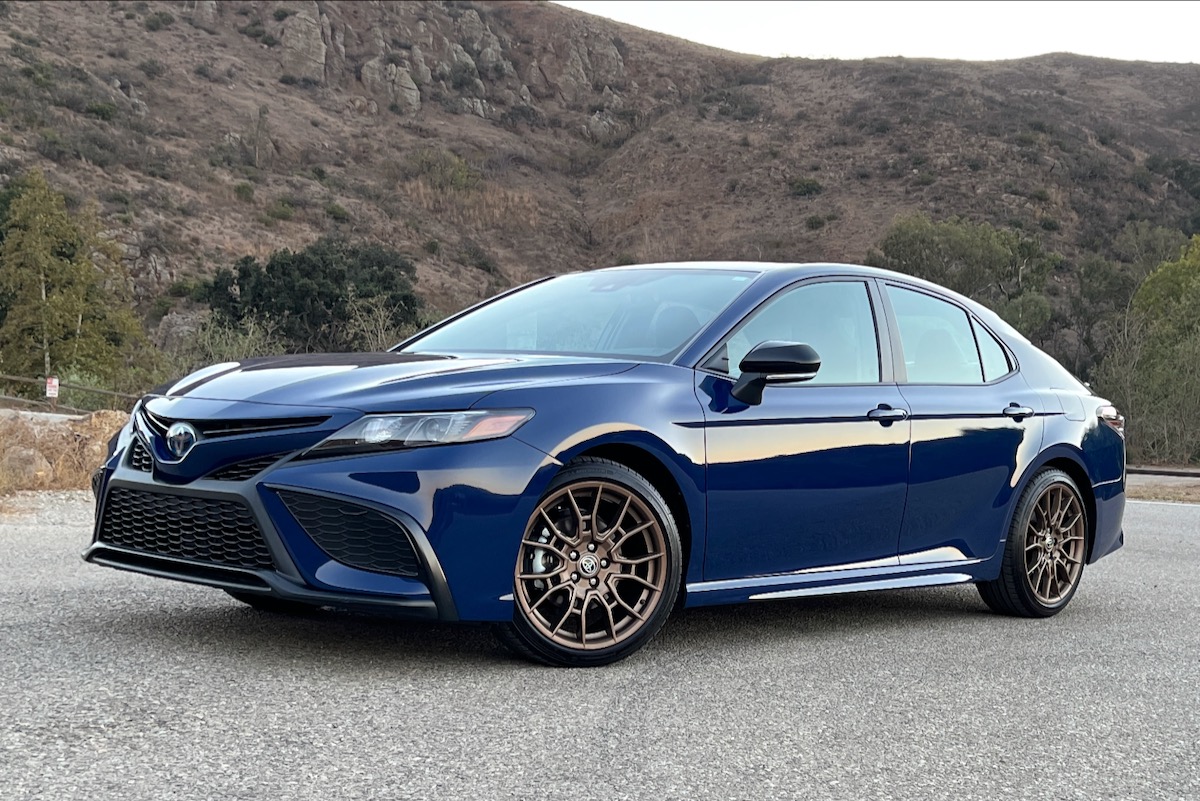
Eighth Generation (2018–2024): $16,160–$26,362
The sweet spot for most buyers. The 2018 redesign brought sportier styling, the TNGA platform, and improved driving dynamics. The standout Charlotte value is the 2019 model year at $16,160 — a striking 14.4% below the national average of $18,871, though with higher average mileage at 116,613 miles. The 2021 also shows a strong 6.8% local discount ($20,508 vs. $22,012) with 94,210 average miles.
Seventh Generation (2012–2017): $12,141–$14,178
Budget-friendly entry into reliable Camry ownership. The 2014 mid-cycle refresh brought a redesigned exterior and improved interior materials. Charlotte pricing runs 4.7–5.4% below national on 2015–2016 models, making this generation particularly accessible for budget-conscious buyers. The 2017 at $14,178 represents the final and most refined year, at a 4.9% Charlotte discount.
Sixth Generation (2006–2014): $12,710
Only 2014 models from the older generations appear in meaningful Charlotte inventory. At $12,710, the 2014 actually carries an 8.5% premium over the national average of $11,710. Given that seventh-generation models at similar or lower prices offer better reliability, the 2014’s local premium makes it a less compelling choice.

Understanding the Charlotte Price Context
High-volume deal quality: Charlotte’s 2.1% overall discount won’t change your budget, but it compounds across model years. The real story is deal quality — 79% of listings rated Good or Great vs. 32% nationally means you’re far more likely to find a fairly priced car without extensive negotiation.
Strong selection across price points: With 361 active listings, Charlotte offers solid inventory diversity. The 2024 model year commands the largest share at 160% of proportional inventory, indicating strong local turnover of recent models — good news for buyers seeking lower-mileage options.
Climate advantage: Charlotte’s mild Mid-Atlantic climate means Camrys here avoid the road salt and harsh winters that accelerate corrosion in northern markets. Toyota’s already robust engineering benefits from gentler conditions, and you’re less likely to encounter rust-related issues on older models.
Year-specific opportunities: The 2019 model year stands out with a 14.4% Charlotte discount — the deepest in the data. Higher average mileage (116,613) is the trade-off, but eighth-generation Camrys are built to handle it. The 2021 at 6.8% below national pricing offers a newer option with a meaningful discount.
Good and Great Deals in Charlotte, NC
79% of Charlotte Camry listings qualify as Good or Great Deals — dramatically better than the national average of 32%. This means Charlotte buyers have an unusually strong chance of finding competitively priced inventory without needing to haggle aggressively or settle for less.
| Deal Rating |
Charlotte Percentage |
National Percentage |
| Great Deals |
11% |
8% |
| Good Deals |
68% |
24% |
Charlotte’s 68% Good Deal rate is nearly triple the national 24%, an unusually high concentration of competitive pricing. The 11% Great Deal rate also exceeds the national 8%. The 2019 and 2021 model years show the strongest Charlotte-specific discounts.
What is the Most Reliable Used Toyota Camry in Charlotte, NC?
The Toyota Camry’s reputation for reliability is well-earned — but not every generation is equal. The eighth and seventh generations are exceptionally dependable, while the sixth generation (2006–2011) has documented issues that make it the clear exception. Understanding which eras to target helps ensure you get the ownership experience the Camry name promises.
Most Reliable by Era
Eighth Generation (2018–2024)
The most refined and reliable Camry generation to date. Built on Toyota’s TNGA platform, these models offer three proven powertrain options: a 2.5-liter four-cylinder (203–206 hp), a 3.5-liter V6 (301 hp), and a 2.5-liter hybrid (208 hp). Despite enormous sales volumes, carcomplaints.com shows only a handful of minor issues. Toyota finished near the top of major independent reliability surveys throughout this generation’s entire production run. Charlotte inventory averages 47,897–116,613 miles depending on model year — well within the reliable range for these powertrains.
Ninth Generation (2025–Present)
Too new for long-term reliability data, but the hybrid-only powertrain draws heavily from proven eighth-generation components. The 2.5-liter engine and electric motor combination (225 hp FWD, 232 hp AWD) uses technology Toyota has refined over years of Camry Hybrid production. Charlotte’s 2026 models average just 3,635 miles, essentially new. Early indicators are positive.
Seventh Generation (2012–2017)
The second-most reliable modern Camry generation. This generation earned the top ranking for midsize cars in the J.D. Power 2017 Vehicle Dependability Study. The 2014 mid-cycle refresh brought meaningful improvements to interior quality and overall refinement. Issues on carcomplaints.com are generally minor — infotainment glitches and occasional brake noise, not fundamental mechanical problems. At $12,141–$14,178 in Charlotte, these represent excellent value for proven dependability.
Sixth Generation (2006–2011): The Exception
This is the Camry generation to approach carefully. The 2008 model year is widely cited as the worst Camry for reliability, with 2007 and 2009 close behind. Excessive oil consumption — especially in V6 models — is the primary concern. The 2010–2011 models are somewhat improved, with a new six-speed automatic and stability control becoming standard. The 2011 received a new 2.5-liter four-cylinder (169–179 hp) that addressed some earlier engine concerns. Despite some issues, this generation still rated well in the J.D. Power 2012 Vehicle Dependability Study, but it doesn’t match the reliability of what came before or after.
Key Improvements by Model Year — Eighth Generation (2018–2024)
| Model Year |
Key Improvements |
| 2018 |
All-new TNGA platform, sportier design, 8-speed automatic, 2.5L (203–206 hp), 3.5L V6 (301 hp), and hybrid (208 hp) options |
| 2020 |
Apple CarPlay and Android Auto standard across all trims, new front grille, added TRD sporty trim (V6 only, sport suspension, upgraded brakes) |
Camry-Specific Reliability Considerations
Oil Consumption (2006–2011)
The most significant reliability concern in the Camry’s history. The 2007–2009 model years are most affected, particularly V6 models. Excessive oil consumption can lead to engine damage if not monitored. If considering a sixth-generation Camry, check oil levels carefully and ask about consumption history. Seventh-generation models at similar prices are a safer choice.
Hybrid Battery Longevity
Toyota’s hybrid batteries in both eighth and ninth-generation Camrys use proven technology with a strong track record. Watch for warning lights or notably reduced fuel economy that might indicate degradation. Charlotte’s moderate climate is actually favorable for battery longevity — extreme heat and cold are the primary accelerators of hybrid battery wear.
Transmission Performance
The eight-speed automatic in 2018+ models and the six-speed in earlier generations are both reliable units. Test for smooth, clean shifts during your test drive. The CVT in hybrid models is simple and robust by design. No widespread transmission issues have been documented across recent generations.
Infotainment Quirks (2012–2017)
The Toyota Entune system in seventh-generation models can be glitchy. This is an annoyance rather than a reliability concern, but it’s worth testing Bluetooth connectivity and navigation during a test drive. The 2020+ eighth-generation models switched to a more modern system with standard Apple CarPlay and Android Auto.
What to Check When Buying
- Service records: Even reliable cars need maintenance. Look for documented oil changes at regular intervals and evidence of scheduled service. A well-maintained Camry is far more predictable than one with gaps in its history.
- Oil consumption (2007–2011 models): If considering a sixth-generation Camry, check oil levels on the dipstick and ask about consumption patterns. A quart or more between changes is a red flag. The seventh generation at similar Charlotte pricing ($12,141–$14,178) is the better bet.
- Hybrid battery health: For Camry Hybrid models, check for any battery-related warning lights and note the real-world fuel economy during your test drive. A significant drop from EPA estimates may indicate battery degradation.
- Transmission behavior: Test the 8-speed automatic (2018+) or 6-speed (earlier years) through all gears. Shifts should be smooth and prompt. Harsh or delayed shifts aren’t typical for these transmissions and may indicate deferred maintenance.
- Pre-purchase inspection: Always worth the $100–$200 investment, particularly on higher-mileage models. Charlotte’s 2019 listings average 116,613 miles — solid for a Camry, but an inspection provides peace of mind at that odometer reading.
Best and Worst Toyota Camry Years in Charlotte, NC
CarGurus data reveals clear patterns about which model years offer the best value and reliability in the Charlotte market. Choosing the right model year matters — the spread between the Camry’s best and worst generations is wider than most buyers realize. For more information on the Camry by generation and model year, check out our Toyota Camry Buying Guide.
Best Toyota Camry Years for Charlotte, NC
| Category |
Best Years |
Charlotte Avg. Price |
Why They’re Best |
| Best Overall |
2021–2023 |
$20,508–$25,684 |
Refined eighth-gen, Apple CarPlay/Android Auto standard, excellent reliability, strong Charlotte deal quality |
| Best Value |
2019 |
$16,160 |
14.4% Charlotte discount, eighth-gen design and reliability, deepest local savings |
| Best for Modern Features |
2025–2026 |
$28,944–$32,208 |
Hybrid-only, 51 mpg combined, newest design, wireless Apple CarPlay/Android Auto |
| Best Local Discount |
2021 |
$20,508 |
6.8% below national ($22,012), post-2020 refresh with full connectivity suite |
Best Overall: 2021–2023
These model years hit the sweet spot of modern features, proven reliability, and meaningful depreciation. Apple CarPlay and Android Auto became standard starting with 2020, and these years benefit from several years of eighth-generation refinement. The 2021 shows a 6.8% Charlotte discount ($20,508 vs. $22,012 nationally), while the 2023 at $25,684 offers lower average mileage of 42,075 miles.
Best Value: 2019
The standout Charlotte bargain. At $16,160 — a striking 14.4% below the national average of $18,871 — this is the deepest local discount in the data. You get eighth-generation styling, the TNGA platform, and reliable powertrains. Higher average mileage (116,613 miles) is the trade-off, but these Camrys are built to handle it. Note that 2019 models predate the 2020 Apple CarPlay/Android Auto update.
Best for Modern Features: 2025–2026
The ninth-generation hybrid-only Camry achieves up to 51 mpg combined, with wireless Apple CarPlay/Android Auto and the full Toyota Safety Sense suite standard. Charlotte pricing runs 2.0–2.8% below national on these model years. For commuters covering high annual mileage, the fuel savings compound quickly.
Best Local Discount: 2021
At $20,508, the 2021 model year offers the second-deepest Charlotte-specific discount at 6.8% below national pricing. These are post-refresh models with the full connectivity suite, refined styling, and the proven eighth-generation reliability record. Average mileage of 94,210 miles is moderate for the price point.
Worst Toyota Camry Years for Charlotte, NC
| Years |
Concerns |
| 2007–2009 |
Excessive oil consumption (especially V6), highest complaint rates of any Camry generation |
| 2010–2011 |
Improved from 2007–2009 but still less reliable than seventh-gen models at similar prices |
Avoid: 2007–2009
The 2008 model year is widely cited as the worst Camry for reliability per carcomplaints.com, with 2007 and 2009 close behind. Excessive oil consumption — particularly in V6 models — is the primary concern and can lead to expensive engine repairs. No 2007–2009 models appear in Charlotte’s current market data, which may reflect low demand for good reason. More reliable seventh-generation models (2012–2017) are available from $12,141 in Charlotte.
Approach Carefully: 2010–2011
Toyota improved the sixth generation in its final years, adding a new six-speed automatic for 2010 and a new 2.5-liter engine for 2011. These are better than 2007–2009, but they still don’t match seventh-generation reliability. No 2010–2011 models appear in Charlotte’s current inventory data. If you find one locally, a pre-purchase inspection focused on oil consumption and overall engine health is essential — but stepping up to a 2012–2014 seventh-generation model is the safer path.
Toyota Camry Pros and Cons
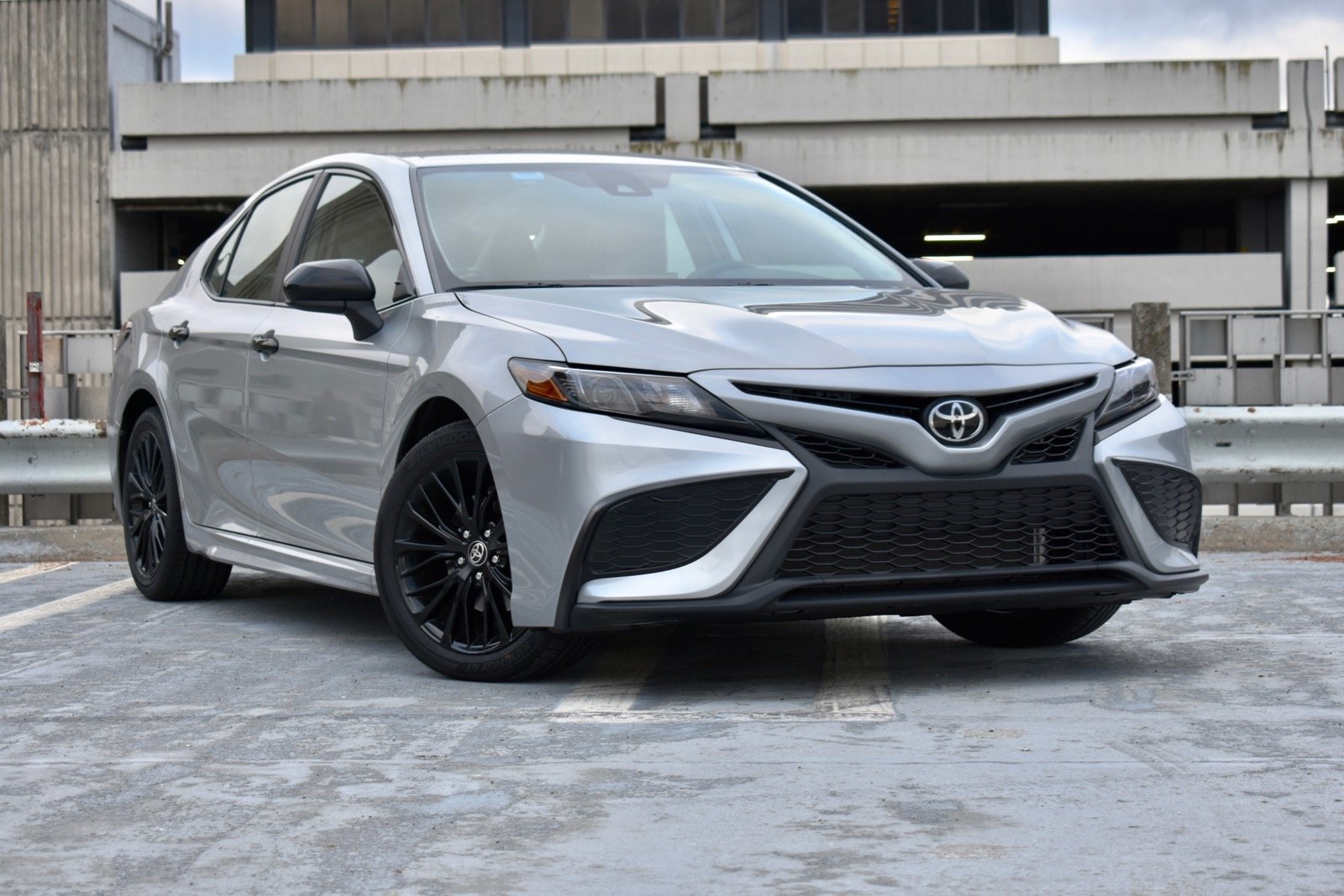
Charlotte rewards the Camry’s core strengths. The city’s growing metro area means longer commutes that benefit from fuel efficiency and comfort, while the mild climate preserves these cars well. Charlotte’s exceptional deal quality — 79% Good or Great Deals — makes the Camry’s already-strong value proposition even more compelling.
Pros
Exceptional Reliability (Most Generations)
The Camry’s reputation is earned. Seventh and eighth-generation models regularly top reliability surveys, and Toyota’s conservative engineering means these cars last. The seventh generation earned top marks in the J.D. Power 2017 Vehicle Dependability Study, and eighth-generation models show minimal issues on carcomplaints.com despite enormous sales volumes. Camrys with 200,000+ miles still running strong are common.
Outstanding Charlotte Deal Quality
The numbers make the case: 79% of Charlotte Camry listings are rated Good or Great Deals, compared to just 32% nationally. That’s not a modest edge — it’s nearly 2.5 times the national rate. Charlotte buyers can shop with confidence that most listings are competitively priced.
Excellent Fuel Economy
For Charlotte commuters, fuel costs add up. The eighth-generation hybrid achieves 46–52 mpg combined, while even non-hybrid four-cylinders manage 28–34 mpg. The ninth-generation hybrid-only model pushes to 51 mpg combined in its most efficient configuration — meaningful savings for drivers covering I-77 or I-485 daily.
Low Ownership Costs
Beyond fuel economy, Camrys are affordable to maintain. Parts are plentiful and reasonably priced, any shop can service them, and they don’t require premium fuel. Charlotte has no shortage of independent mechanics familiar with Toyotas, keeping routine maintenance costs modest.
Comfortable and Practical
The Camry seats five adults comfortably with a generous trunk. The eighth-generation interior is genuinely well-appointed, with quality materials and intuitive controls. For daily commuting and family duty, it handles everything competently without complaint.
Strong Resale Value
Toyota’s reliability reputation supports resale values. Well-maintained Camrys hold value better than most competitors, which helps offset the purchase price over time. Charlotte’s mild climate helps preserve condition, further protecting resale.
Cons
Not Exciting to Drive
The Camry prioritizes comfort over sportiness. While the eighth generation improved driving dynamics with the TNGA platform, it’s not a driver’s car — light steering, comfort-tuned suspension, and transmissions calibrated for smoothness over engagement. If driving excitement matters, look elsewhere.
Sixth Generation Reliability Issues
The 2006–2011 Camry is the exception to the reliability rule. The 2007–2009 years have well-documented oil consumption problems per carcomplaints.com, and affordable prices can be misleading. The seventh generation at similar prices is the better choice.
Conservative Styling (Pre-2018)
Seventh-generation and earlier Camrys are anonymous-looking sedans. The eighth generation brought more distinctive styling with a sportier fastback profile, but earlier models blend into traffic. The ninth generation is the sharpest-looking Camry yet, if appearance matters.
Higher Mileage on Best-Value Years
Charlotte’s strongest discount — the 2019 at $16,160 — comes with 116,613 average miles. The 2021’s 6.8% discount also carries 94,210 average miles. These are reliable cars, but mileage is a trade-off buyers should factor into their decision.
Hybrid Trunk Space
Camry Hybrid models sacrifice some trunk space to the battery pack. If maximum cargo capacity is a priority, the gas-only versions offer more room. This is a minor consideration for most buyers but worth noting for those who regularly haul large items.
Who Should Buy a Toyota Camry in Charlotte, NC?
Ideal buyers based on data patterns:
- Daily commuters covering Charlotte’s growing metro area who need reliable, fuel-efficient transportation
- Budget-conscious buyers who want proven dependability — seventh-generation models start at $12,141 locally
- Families needing a comfortable, practical sedan with low ownership costs and strong safety features
- Buyers seeking maximum deal quality — Charlotte’s 79% Good/Great Deal rate means less haggling and more confidence
- High-mileage drivers who benefit from the Camry’s proven longevity and affordable maintenance
Consider alternatives if:
- You want an engaging driving experience — the Camry prioritizes comfort and efficiency over handling
- You need AWD capability beyond what the ninth-gen Camry offers — consider a Toyota RAV4 or similar crossover
- You want a distinctive-looking car — pre-2018 Camrys are deliberately understated
- You’re considering a 2007–2009 model purely on price — the oil consumption risk outweighs the savings
Final Verdict for Charlotte Buyers
The 2021–2023 model years represent the clearest recommendation for most Charlotte buyers — modern connectivity, refined eighth-generation dynamics, and strong local deal quality. The 2019 is the standout value play at $16,160 with a 14.4% Charlotte discount, though higher mileage is the trade-off. For budget buyers, the seventh-generation 2015–2017 models deliver proven reliability under $15,000. Charlotte’s exceptional 79% Good/Great Deal rate means you’re more likely to find a fairly priced Camry here than almost anywhere in the country. Steer clear of the sixth generation (2006–2011), where the Camry’s reliability reputation falters. The Camry won’t thrill you behind the wheel, but it won’t let you down — and for Charlotte commuters who want dependable, affordable transportation, that’s exactly the point.