Lexus LS Fifth Generation (2018-2026)
The all-new 2018 Lexus LS was very different from its predecessors. For years, Lexus built its reputation on world-class V8 engines—many still remember the tower of champagne glasses balanced atop the original LS 400’s hood with the engine running at maximum speed—but this new LS 500 flagship luxury car had a 3.4-liter twin-turbo V6. A 10-speed automatic transmission sent 416 horsepower and 442 pound-feet of torque to the rear wheels, or, optionally, to all four wheels. In RWD form, the LS 500 was estimated at 19 mpg in the city, 30 mpg on the highway, and 23 mpg combined. With AWD, it delivered 18 city, 27 highway, and 21 combined.
A hybrid LS 500h was launched simultaneously, boasting a 3.5-liter V6 engine and a pair of water-cooled, permanent-magnet electric motors that sent 354 hp through a complex continuously variable automatic transmission that was programmed to act like a 10-speed. Lexus claimed the 500h could operate under electricity alone at up to 80 mph, but there was no way to lock the hybrid into electric mode. The 2018 LS 500h returned 25 mpg city, 33 highway, and 28 combined in RWD form, or 23 city, 31 highway, and 26 combined with AWD.
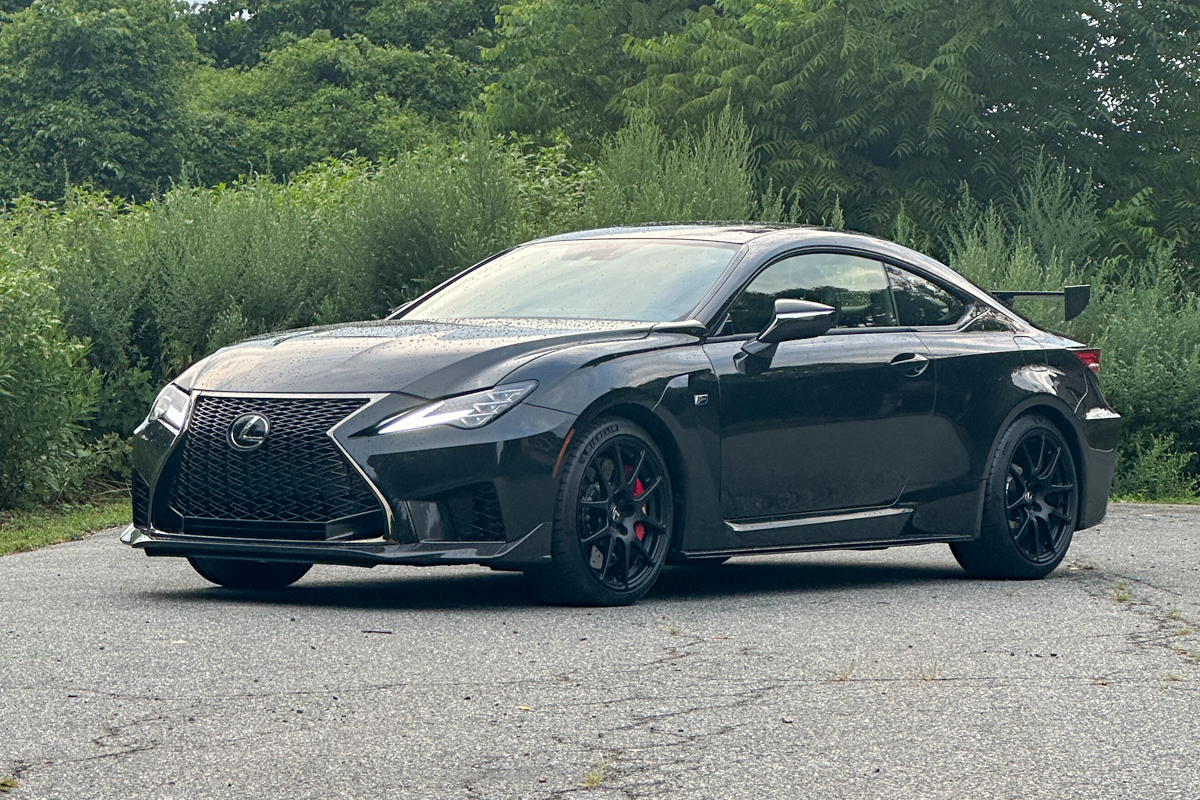
The 2018 LS also introduced a fluid new design in contrast to its predecessors' relatively staid styling. By then, Lexus’ spindle-shaped grille had proliferated across its lineup, but as the brand's flagship sedan, the LS wore an intricate pattern inside the spindle that gave it a premium appearance. The rest of the bodywork peaked and ebbed in a flowy design with bulges over the wheels and a low, sleek roofline. The 2018 LS 500 was 0.6 inches lower than the outgoing model with a wheelbase 1.3 inches longer than the previous long-wheelbase LS. The available F Sport variant provided a slightly sportier take on the design, and also had a unique interior with detailed stitching patterns in the leather upholstery.
The designers used Japanese omotenashi principles of hospitality and mindfulness when crafting the LS 500’s interior. The LS 500 and its 500h hybrid counterpart were designed to be “the definitive new-generation luxury car embodying Japanese tradition and culture,” LS Chief Engineer Toshio Asahi said when the 2018 model was announced.
Nine different interior colors were available, including a sporty Circuit Red motif in the F Sport model. The interior incorporated real wood with Japanese layered patterns, including Art Wood Organic, Art Wood Herringbone and Laser Special Matte. Ambient lighting patterns were said to be inspired by Japanese Andon lanterns and an Executive model was available that incorporated Kiriko Glass ornamentation and hand-folded pleats on the door trim.
A 12.3-inch infotainment screen featured prominently in the dashboard. Unfortunately, Lexus continued to use its touchpad-based software instead of an easier touchscreen system. An optional 24-inch head-up display projected useful information directly on the windshield, and a 23-speaker Mark Levinson stereo system (an extra $1,940 when new) provided excellent audio performance.
The Lexus Safety System+ was standard and included a forward-collision warning with pedestrian detection, adaptive cruise control, lane-keep assist, a lane-departure warning, and high-beam assist. An optional Advanced Package added a pedestrian warning, active steering assist, lane centering, front cross-traffic alert, and traffic-sign assist. Lexus called its combination of adaptive cruise control and lane-trace assist CoDrive, providing hands-on steering, acceleration, and braking on the highway.
At launch, the Lexus LS 500 carried a starting MSRP of $76,025. The sporty F Sport version started at $82,025, and pricing for the LS 500h hybrid began at $80,535.
Apple CarPlay and Android Auto support were added for the 2019 model year along with Amazon Alexa integration. A limited-edition Inspiration Series model was introduced in 2020 and limited to 300 units in Deep Garnet paint with a white leather interior. Also in 2020, the confusingly named Lexus Safety System+ A (for advanced) was renamed the Advanced Safety Package.
There was a significant update for 2021, including suspension and powertrain refinements for a smoother ride, quieter operation, and improved responses. The LS 500h’s hybrid powertrain was also tweaked for 2021 with enhanced electric propulsion and revamped transmission programming, and Lexus ditched its touchpad infotainment system for a much improved 12.3-inch touchscreen.
An optional Haku decorative metal trim was added to the list of interior options in 2022. While that trim, which was created by hand by flattening a piece of metal to the point that it was thinner than aluminum foil, was impressive, advancements to the 2022 LS’ safety tech were likely more important. The new-for-2022 Lexus Safety System+ 2.5 suite featured enhancements to the pre-collision system, forward-collision warning, automatic emergency braking, pedestrian and cyclist detection, adaptive cruise control, and lane-departure warning with steering assist. Additionally, lane-change assist, which activates when the driver turns on a turn signal, was added to the lane-tracing assist system.
An updated infotainment system debuted in 2023 and still featured touchscreen controls, and wireless connectivity was added to Apple CarPlay and Android Auto. For 2024, Lexus improved the LS sedan’s digital gauge cluster, made the head-up display standard, and added wireless phone charging. The 2024 Lexus LS sedan’s price crept past the $80,000 mark in 2024, and rose slightly again in 2025.
The 2026 model year will be the last of the line for the Lexus LS in America. To celebrate the car that kicked off the automaker’s existence, Lexus launched a special LS 500 AWD Heritage Edition, limited to 250 units, painted a unique Ninety Noir shade of black and featuring a Rioja Red leather interior. This Heritage Edition was the only model listed for sale for 2026, with an asking price of $99,380.
CarGurus pricing data shows an average list price of less than $40,000 for 2018 Lexus LS models and slightly more for 2019 models. With sales numbers steadily declining—Lexus sold 3,739 LS sedans in 2021, nearly 2,700 in 2022, more than 2,200 in 2023, a little over 2,100 in 2024, and less than 1,100 in 2025—there are few recent models on the used market, and buyers should expect to pay around $80,000 for one of the final model years.
Lexus LS Fourth Generation (2007-2017)
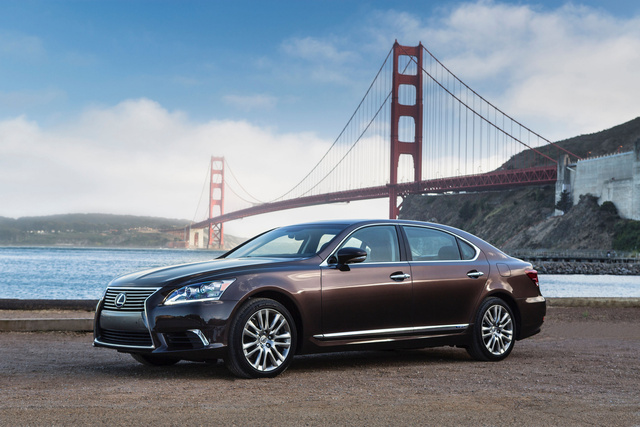
The fourth-generation Lexus LS sedan launched for the 2007 model year and continued to move the nameplate upmarket. Now named the LS 460 due to the increase in engine size from 4.3 to 4.6 liters, the fourth-generation Lexus LS sedan was quicker, more refined, more efficient, and bigger than before.
In addition to the standard LS, a long-wheelbase version with an L appended to the LS 460 moniker debuted to attract clientele who wanted to be driven, not to drive. Its massive rear seat and available Executive Class Seating Package were designed to coddle two occupants with heated, cooled, and reclining seats with massage functions.
Power for both the LS 460 and its long-wheelbase sibling was provided by a 4.6-liter V8 engine that sent 380 horsepower and 367 pound-feet of torque to the rear wheels through the world’s first eight-speed automatic transmission. Those increases of 102 hp and 55 lb-ft made the 460 quite a bit quicker than the 430 it replaced, but, partly due to the new transmission, the LS 460 was also more fuel efficient with EPA estimates of 17 mpg in the city, 25 mpg on the highway, and 20 mpg combined. The long-wheelbase LS 460 L was down one mpg in each measurement.
Tech features included an optional hard-disk-based navigation system (quite outdated by today’s standards), a 450-watt Mark Levinson audio system, an automated parking system, and adaptive cruise control.
New for the 2008 model year were an adaptive air suspension system, variable ratio steering, and 19-inch wheels for the LS 460 L. An all-new LS 600h L model debuted in 2009 with a 5.0-liter V8 engine coupled to a pair of electric motors and producing a total of 438 hp. A continuously variable automatic transmission was used in place of the 460’s conventional automatic. Intended to compete with V12-powered German luxury sedans from BMW and Mercedes-Benz, the LS 600h L came standard with all-wheel drive and returned an EPA-estimated 20 mpg city, 22 highway, and 21 combined.
Both the standard LS 460 and the 460 L gained optional AWD in 2009, and while power stayed at 380 hp for RWD models, AWD dropped that to 357 hp. A Sport package was added to the short-wheelbase LS in 2010, equipped with a quicker-shifting eight-speed automatic transmission with paddle shifters, Brembo brakes at all four corners, and tweaked steering and suspension for improved performance. The 2010 model year also brought streaming Bluetooth audio to both the LS 460 and LS 600h lineup.
The LS lineup received only a few small changes in 2011 and 2012, but big changes were in store for 2013. Refreshed inside and out, the 2013 LS lineup wore an early version of Lexus’ spindle grille and received a new infotainment screen that was operated by a controversial mouse-like controller instead of relying on touch. Lexus called it the Remote Touch Interface, and it took some time for drivers to get acquainted with the controls. The sportier LS 460 F Sport model also appeared in 2013, along with driver-selectable Eco, Comfort, Normal, Sport S and Sport S+ Drive Mode Select settings. Horsepower jumped by six to 386 in the LS 460 or 360 with AWD.
An LS 460 Crafted Line trim level for the 2015 model year added new colors and matching luggage from Tumi. Updates to the Remote Touch Interface were made for the 2016 model year, including the addition of Enter and Back buttons. A new Lexus Enform Service Connect application allowed owners to check the car’s status remotely and receive notifications when a service was due.
There weren’t any changes for the 2017 model year, as an all-new LS was on its way in 2018. When new, the 2007 Lexus LS started around $61,000, the long-wheelbase model cost an additional $10,000, and the LS 600h started around $105,000 when it launched for the 2008 model year. By 2017, the LS 460 started near $74,000 and the long-wheelbase LS 460L was around $80,000. The hybrid-powered LS 600h’s MSRP was over $120,000 when it went out of production following the 2016 model year.
At the time of writing, the average list prices for an early fourth-generation LS 460 were around $10,000 to $15,000. A 2016 or 2017 LS 460 should sell for around $25,000.
Lexus LS Third Generation (2001-2006)
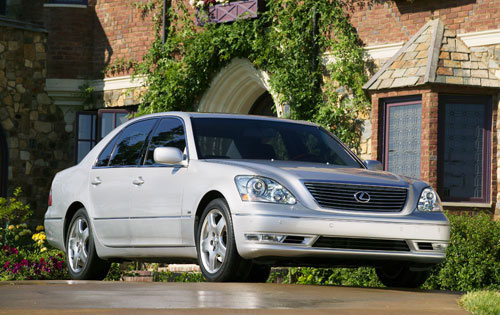
Lexus launched the third-generation LS for the 2001 model year. In place of the well-known 4.0-liter V8 was a larger 4.3-liter engine and, although horsepower stayed the same at 290, torque rose by 20 lb-ft for a total of 320. A five-speed automatic transmission sent power to the rear wheels and Lexus quoted a 0-60 mph time of 6.3 seconds.
The LS 430 was larger than the LS 400 it replaced, riding on a wheelbase stretched by three inches. The bodywork was still on the boxy side, but the LS 430 was quite aerodynamic with a .25 drag coefficient (when its optional air suspension was lowered).
As before, the LS was engineered to deliver effortless luxury. With its extremely quiet cabin, comfortable seats, and refined ride, the 2001 Lexus LS 430 stoically matched its European competition for thousands of dollars less.
After seeing no major changes for the 2002 model year, Lexus replaced the standard 16-inch aluminum wheels with new 17-inch alloys in 2003. A freshening for the 2004 model year brought slightly revised exterior styling to go with a new six-speed automatic transmission. Lexus also introduced adaptive swiveling headlights, keyless entry, a rear-view camera, and Bluetooth connectivity. Also new for 2004 was a pre-collision system that prepared the car for unavoidable accidents by tightening the seatbelts and preparing the brakes for maximum stopping power. A set of 18-inch wheels was added to the options list.
Engine power dropped on paper in 2006 to 278 hp and 312 lb-ft due to a new SAE-approved measurement system, but there weren’t any actual changes to the powerplant. A new fourth-generation LS sedan debuted in 2007.
Early, third-generation LS 430 sedans can be found in good condition for $10,000 or less. Third-generation LS models with exceptionally low mileage and detailed service histories can sell in the $20,000 range, and while that could still be a reasonable price for a solid car, third-generation LS 430s are around the same price and were improved in several key areas.
Lexus LS Second Generation (1995-2000)
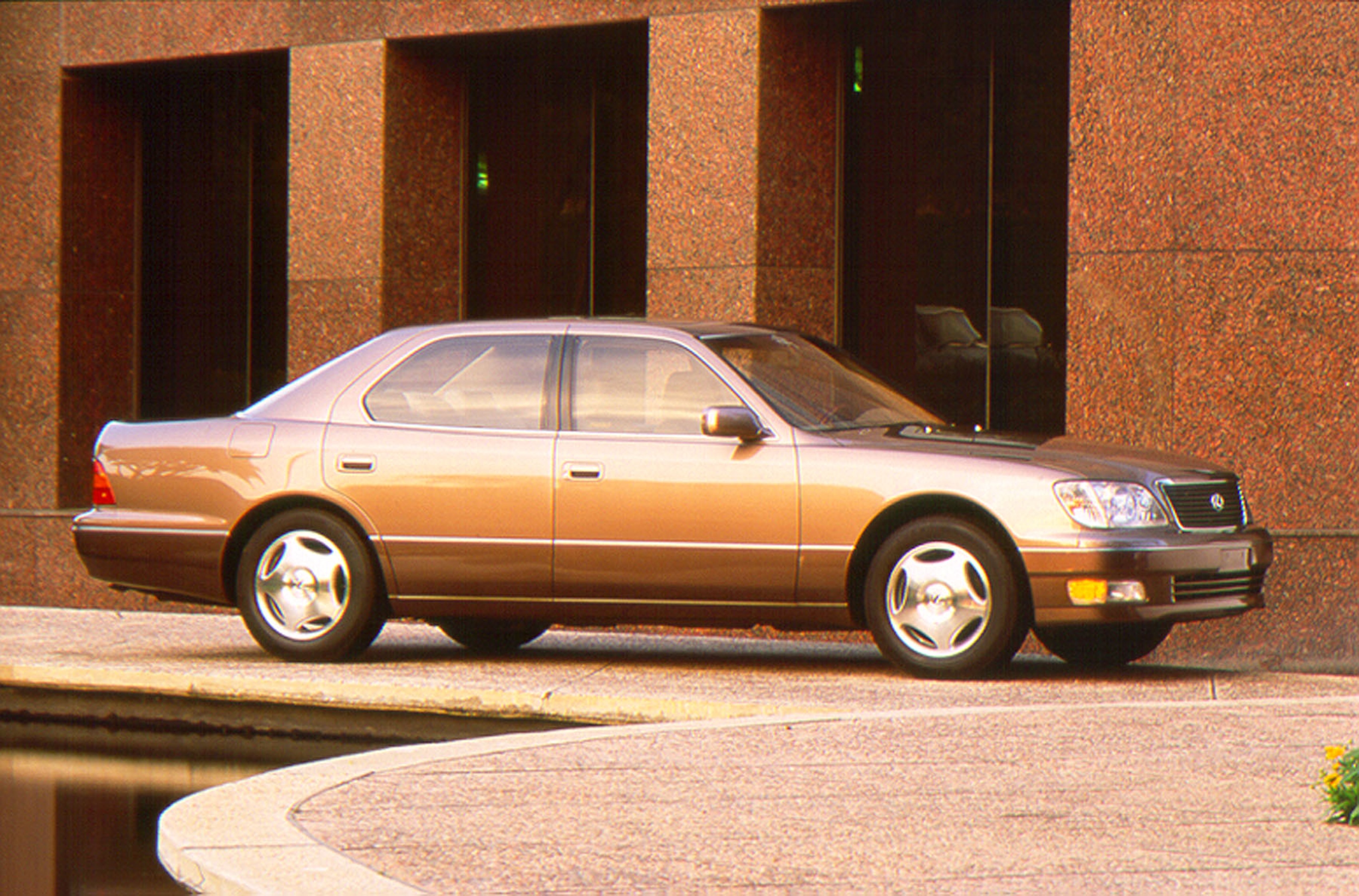
It may not have looked all that different from the first LS 400, but the second-generation model that debuted for the 1995 model year was almost entirely new. The car’s wheelbase was slightly lengthened, which resulted in greater room, but despite its larger size, the new LS 400 was also a few hundred pounds lighter than its predecessor.
The 4.0-liter V8 engine returned for the second generation but was upgraded, and now produced 260 hp and 270 lb-ft of torque. The four-speed automatic transmission carried over from the first-generation LS 400, sending power to the rear wheels, and the EPA estimated that the 1995 LS 400 would return 17 mpg in the city, 23 mpg on the highway, and 19 mpg combined.
An upgraded version of Lexus’ 4.0-liter V8 with continuously variable valve timing for 1998 bumped horsepower to 290 and torque to 300 lb-ft, and five-speed automatic transmission replaced the previous four-speed unit. Also new was a touchscreen display that showed up on the options list for the first time, displaying GPS navigation. The 2000 model year marked the end of second-generation Lexus LS 400 production.
When it was new, the 1995 Lexus LS 400 started at more than $50,000. Options such as air suspension or a high-end Nakamichi audio system could add a few thousand dollars to the MSRP. By 2000, the price had risen only slightly to around $55,000.
Used Lexus LS 400s aren’t particularly easy to find for sale, so prices for early LS sedans have begun to creep up. Cars with high mileage can be found for less than $10,000, but more desirable models with low miles are likely to be closer to the $20,000 mark.
Lexus LS First Generation (1990-1994)
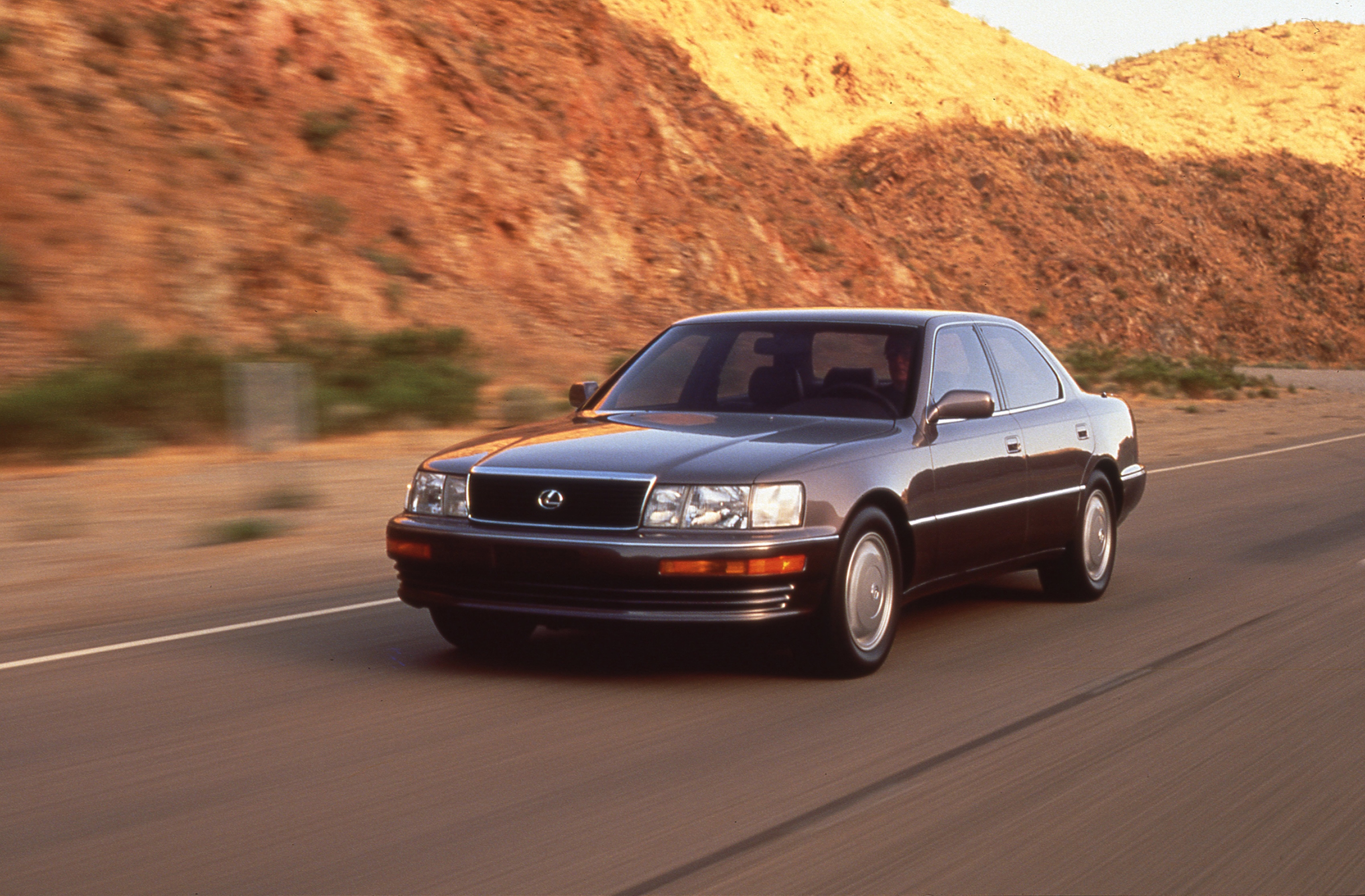
Despite parent company Toyota having no history in the premium automotive segment, the 1990 Lexus LS 400 wasn’t just a good car—it was a great car. The V8-powered Lexus LS 400 brought modern design, impeccable craftsmanship, and Japanese reliability to a segment that had grown used to temperamental luxury cars that required lots of expensive maintenance. Not only that, Lexus priced the LS well below the competition. No surprise, then, that the initial Lexus LS was an immediate success.
Buyers wouldn’t know it at the time but decades later, the Lexus LS 400 and its all-aluminum 1UZ-FE V8 engine would be considered one of the most reliable vehicles ever made. It wasn’t completely without issues, but as the miles racked up on first-generation Lexus LS sedans, so did their reputation for durability.
Today, a well-sorted first-generation Lexus LS 400 sedan is increasing in value. As these cars continue to age, fewer of them are left on the market, and low-mileage examples in good condition sell for a premium.
Related Topics