More drivers are making the switch to electric and hybrid vehicles than at any point in automotive history. The reasons vary — lower running costs, reduced emissions, a smoother driving experience — but the questions are often the same: Which type of EV is right for me? Are they as safe as a regular car? What do I actually need to know about charging and day-to-day operation?
This guide covers the fundamentals: the different categories of electric-drive vehicle, how safety and performance standards apply to them, and what new routines EV ownership involves.
- Types of Electric-Drive Vehicle: HEV, PHEV, or BEV?
- Safety and Performance Standards: What the Regulations Require
- Operational Considerations for EV Owners
- The Road Ahead for Electric Vehicles
- Additional Resources
Electric Vehicle Basics: Quick Hits
- Three types of electrified vehicle: HEVs, PHEVs, and fully electric BEVs — each suits different driving habits and charging situations.
- EVs meet the same federal safety standards as gasoline cars, including crashworthiness tests and safety equipment requirements.
- Batteries are sealed and extensively tested for heat, overcharging, and vibration — and automatically disconnect in a significant collision.
- EVs must emit a pedestrian alert sound below 18.6 mph — a federal requirement to protect those who can't hear the near-silent electric motor.
- Extreme temperatures affect range: battery management systems help, but heat and cold will reduce how far you can go on a charge.
- A flooded EV is a serious hazard. Get it inspected by a dealer immediately — don't assume it's fine.
- Charging infrastructure is expanding rapidly, making EV ownership practical for a growing number of households.
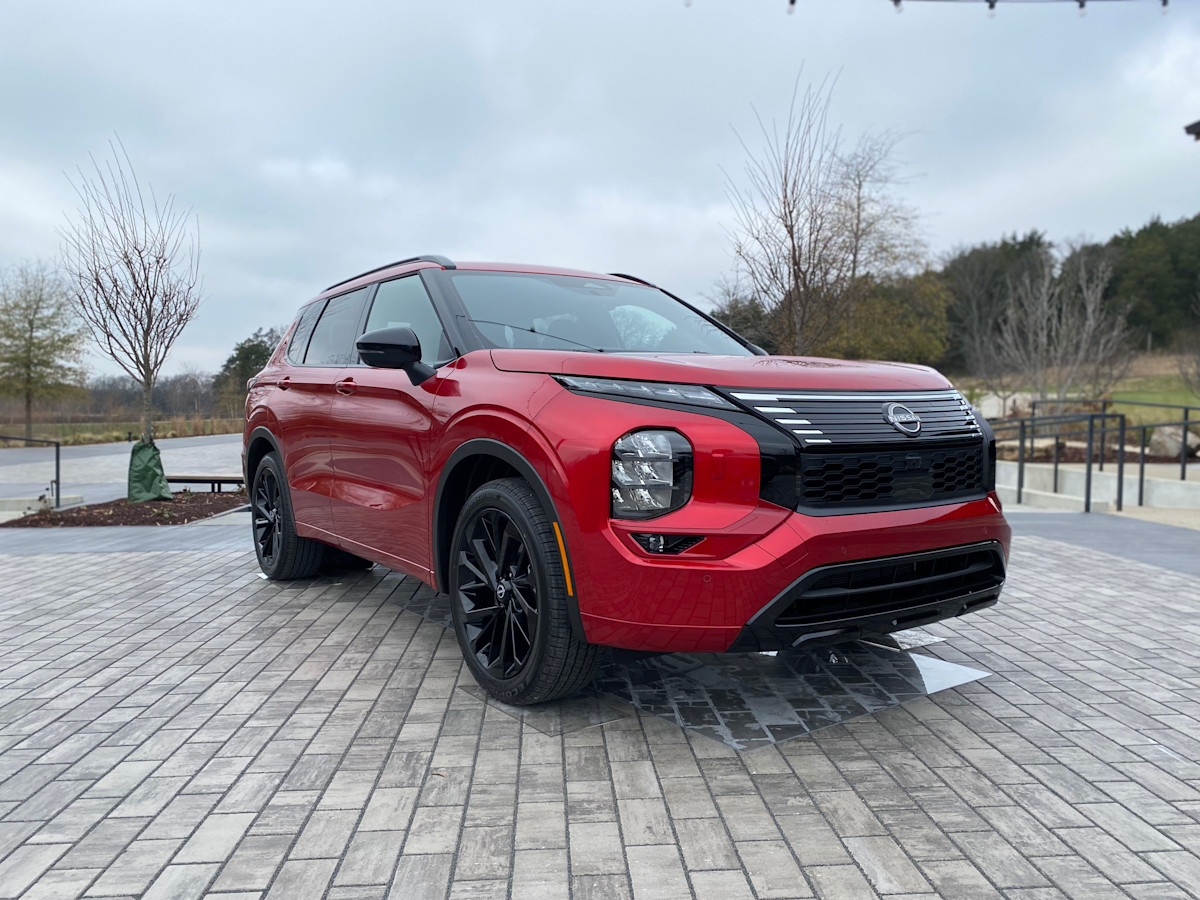
Types of Electric-Drive Vehicle: HEV, PHEV, or BEV?
Not all electrified vehicles work the same way, and the right choice depends on how you drive and what charging access you have. There are three main categories.
| Type | Full Name | How It Works | Best For |
|---|---|---|---|
| HEV | Hybrid Electric Vehicle | Gas + electric motor. No plug needed. Battery charges via regenerative braking. | Best for: drivers who want better fuel economy without changing their routine |
| PHEV | Plug-In Hybrid | Larger battery that plugs in. Runs on electricity for shorter trips; switches to gas when depleted. | Best for: mixed driving — short electric-only commutes, longer gas-assisted trips |
| BEV | Battery Electric Vehicle | Fully electric. No exhaust, zero tailpipe emissions. Requires regular charging at home or a public station. | Best for: drivers with reliable charging access and mostly predictable daily mileage |
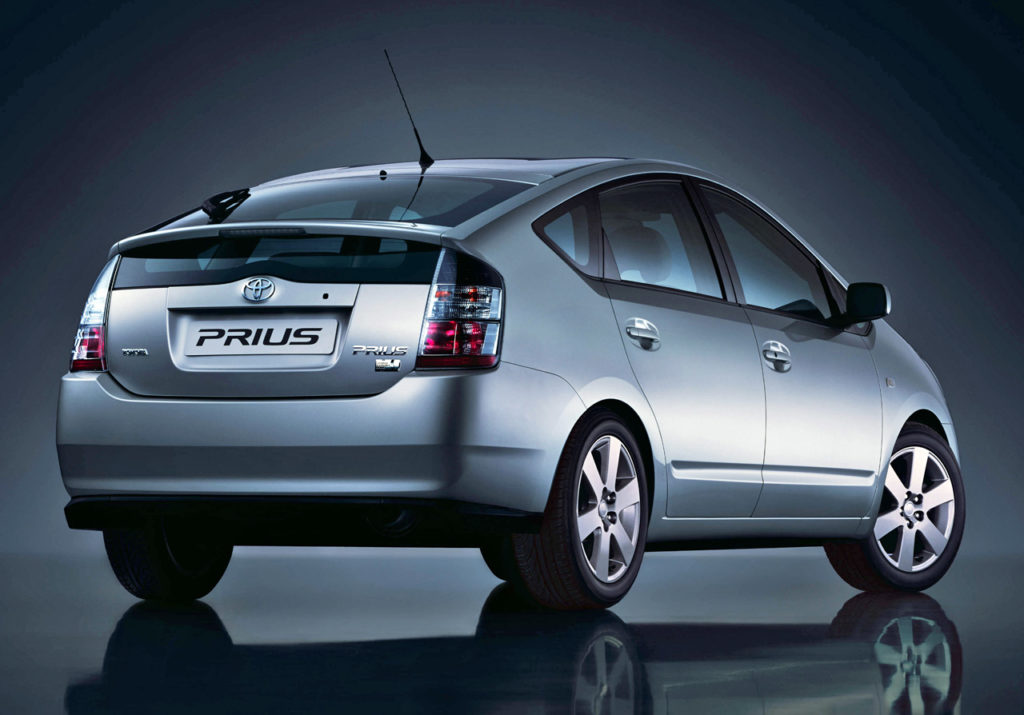
Hybrid Electric Vehicles (HEVs)
HEVs pair a conventional internal combustion engine with an electric motor that assists during acceleration and improves fuel economy. The key distinction: you never plug them in. The battery replenishes itself through regenerative braking — capturing energy that would otherwise be lost as heat when slowing down — and from the engine itself. For drivers who want better efficiency without changing any of their habits, an HEV is the most straightforward entry point into electrified motoring.
Further reading: Alternative Fuels Data Center: Hybrid Electric Vehicles

Plug-In Hybrid Electric Vehicles (PHEVs)
PHEVs sit between a conventional hybrid and a fully electric car. They have a larger battery that can be charged from an external power source, allowing a set number of miles to be covered on electricity alone — typically enough for a daily commute. When the battery runs down, the vehicle switches automatically to its gas engine and behaves like a conventional hybrid for the rest of the journey. For drivers not yet ready to commit to full electrification, a PHEV offers a practical middle ground.
Further reading: How Do Plug-In Hybrid Electric Cars Work?
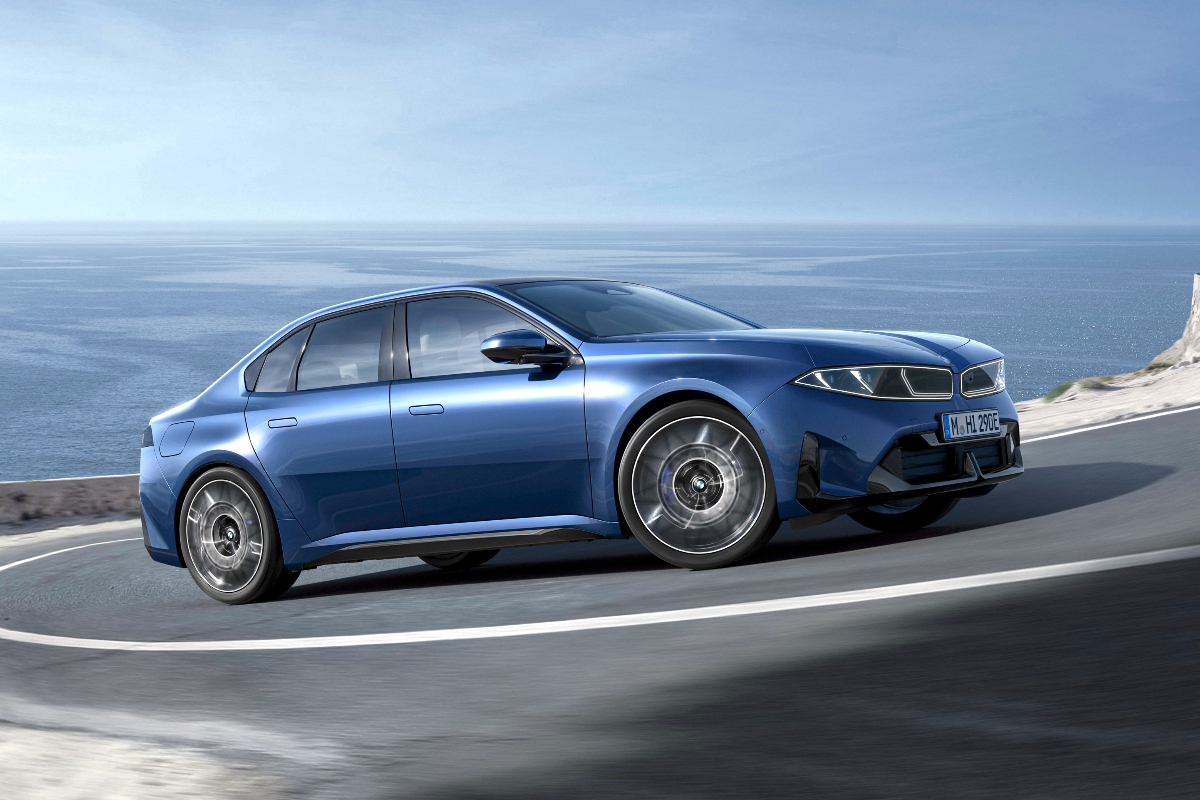
All-Electric Vehicles (BEVs)
Battery Electric Vehicles run entirely on electricity stored in a large onboard battery pack, which powers one or more electric motors. There is no exhaust system and no tailpipe emissions. The trade-off is that recharging requires either a home setup or access to a public charging station — and range, while improving steadily, remains a consideration for longer trips. For drivers with reliable charging access and predictable daily mileage, a BEV offers the lowest running costs and the smoothest driving experience of any vehicle type.
Further reading: All-Electric Vehicles
Safety and Performance Standards: What the Regulations Require
A common question from first-time EV buyers is whether electric vehicles are held to the same safety standards as conventional cars. The answer is straightforward: yes. Every electric and hybrid vehicle sold in the United States must meet the same Federal Motor Vehicle Safety Standards as gas-powered cars and trucks — including crashworthiness tests and safety equipment requirements.
Battery Safety and High-Voltage Systems
The lithium-ion battery packs used in EVs are housed in sealed enclosures and tested extensively for resistance to heat, overcharging, and vibration. Equally important is what happens in a collision: these vehicles are designed with isolated high-voltage circuits and automatic disconnect systems that cut battery power in the event of a significant impact, reducing the risk of electric shock or fire.
Further reading: NHTSA: Electric Vehicle Battery Safety
Pedestrian Alert Sounds
Electric motors are nearly silent at low speeds — a genuine safety concern for pedestrians, particularly those who are blind or have impaired vision. Federal regulations now require all electric and hybrid vehicles to emit an acoustic alert sound when traveling below 18.6 mph. This is not optional or manufacturer-specific — it is a legal requirement, designed to ensure that the near-silent approach of an EV is audible to everyone sharing the road.
Further reading: Quiet Vehicles and Pedestrian Safety
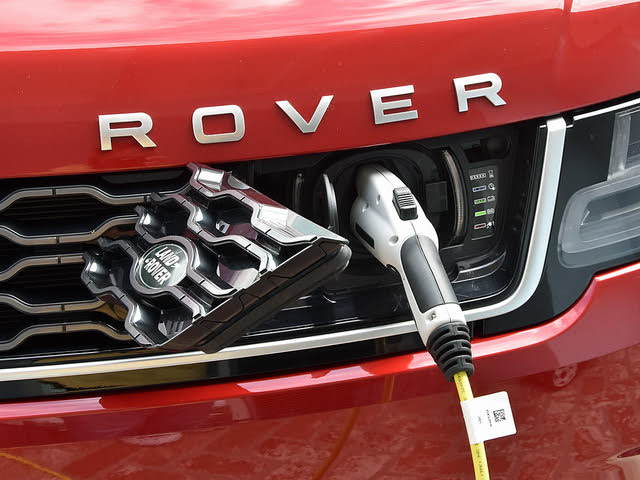
Operational Considerations for EV Owners
Owning an electric vehicle involves some different routines from a conventional car — particularly around temperature management and knowing what to do in an emergency.
Thermal Management and Driving Range
EV battery packs include a Battery Management System (BMS) that monitors the individual cells within the pack and works to keep them operating at the right temperature. This matters because extreme heat or cold degrades battery performance and, over time, shortens its lifespan. Most modern EVs use liquid cooling and heating systems to manage this automatically — but in severe weather, the energy used to regulate battery temperature comes out of the same pack powering the motor, which means range will be lower than the stated figures suggest on very hot or very cold days.
Emergency and Flood Safety
In any accident involving an EV, treat the high-voltage battery and its associated systems as energized — regardless of how the vehicle looks or whether warning lights are active. NHTSA advises that if an EV is submerged in or exposed to deep standing water or flooding, it should be taken to a dealer for inspection immediately. Do not assume a flooded EV is safe to drive. Water-compromised batteries carry a serious high-voltage shock risk and can cause delayed fires if internal components have been damaged. Every EV comes with a model-specific Emergency Response Guide (ERG) that outlines how first responders should handle the vehicle — it is worth knowing where to find yours.
Further reading: NHTSA: Electric Vehicle Safety
The Road Ahead for Electric Vehicles
Switching to an electric or hybrid vehicle is the most significant step most drivers can take toward reducing their personal carbon footprint. The technology under the hood is different from the internal combustion engines that have powered cars for over a century — but the commitment to passenger safety from manufacturers and regulators has not changed.
As charging infrastructure expands and battery efficiency continues to improve, the practical case for EV ownership gets stronger. Lower running costs, smoother performance, and a shrinking range anxiety gap are converting drivers who would have hesitated a few years ago. Understanding the basics — which type of vehicle suits your life, how the safety systems work, and what day-to-day ownership actually involves — is the right place to start.
Ready to find an electric vehicle? Browse EV listings on CarGurus — compare models, range figures, and Instant Market Values to find the right car at a fair price.
Additional Resources
- FuelEconomy.gov: Compare Electric and Hybrid Models
- U.S. Government Electric Vehicle Charging Station List
- EPA: Greenhouse Gas Emissions for Electric Vehicles
- National Laboratory of Rockies: Site-Integrated Electric Vehicle Charging
- American Lung Association: Electric Vehicle Myths
- U.S. Department of Transportation: Rural EV Toolkit


