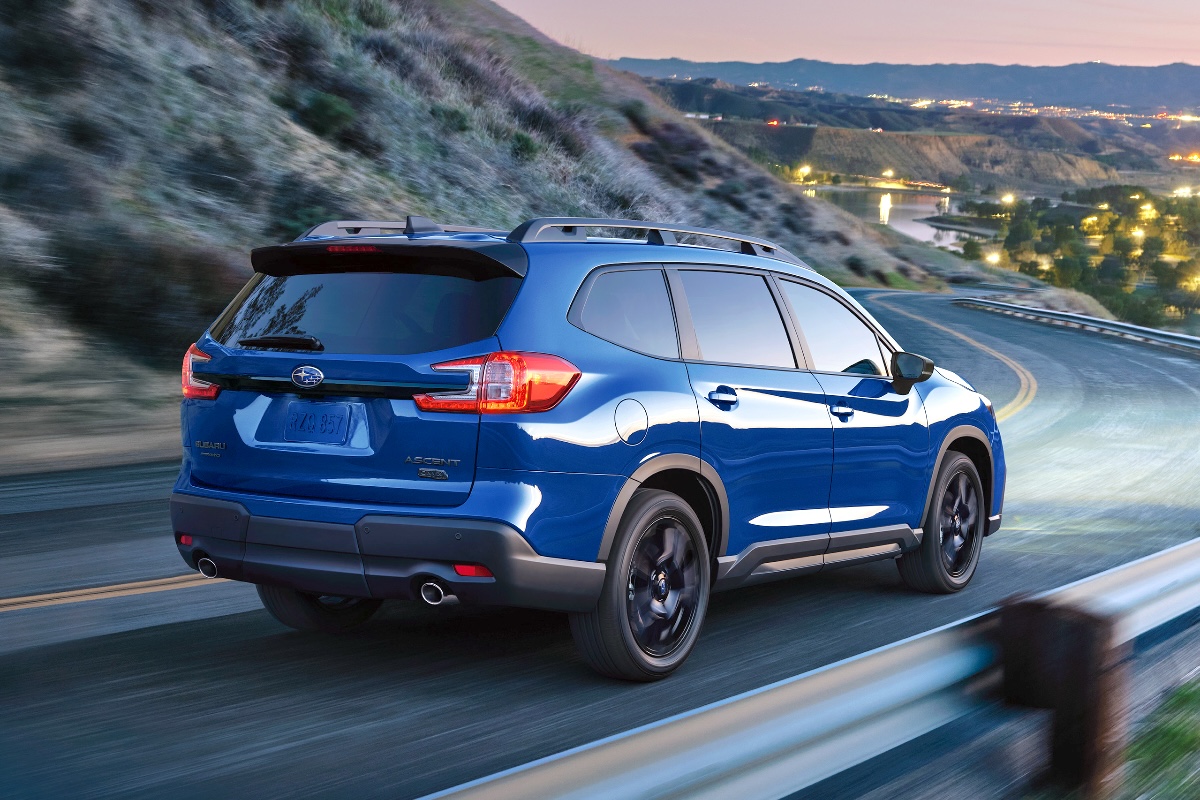
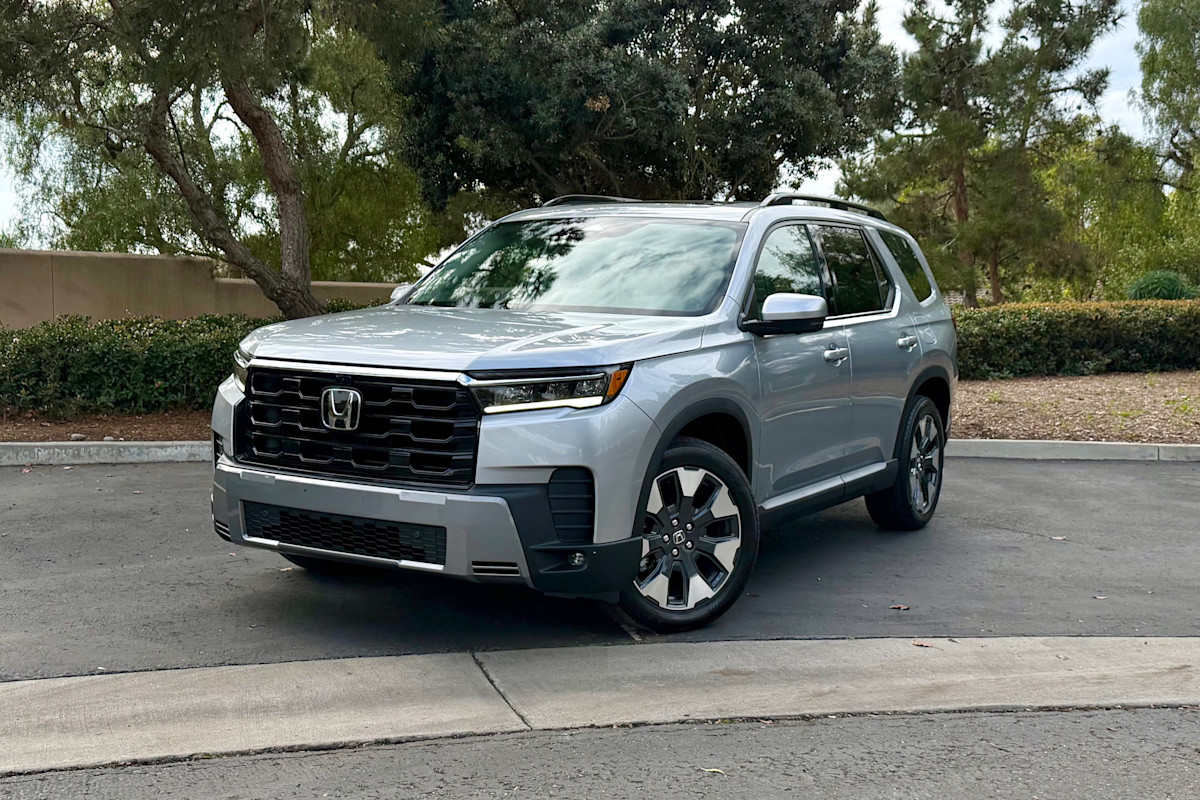
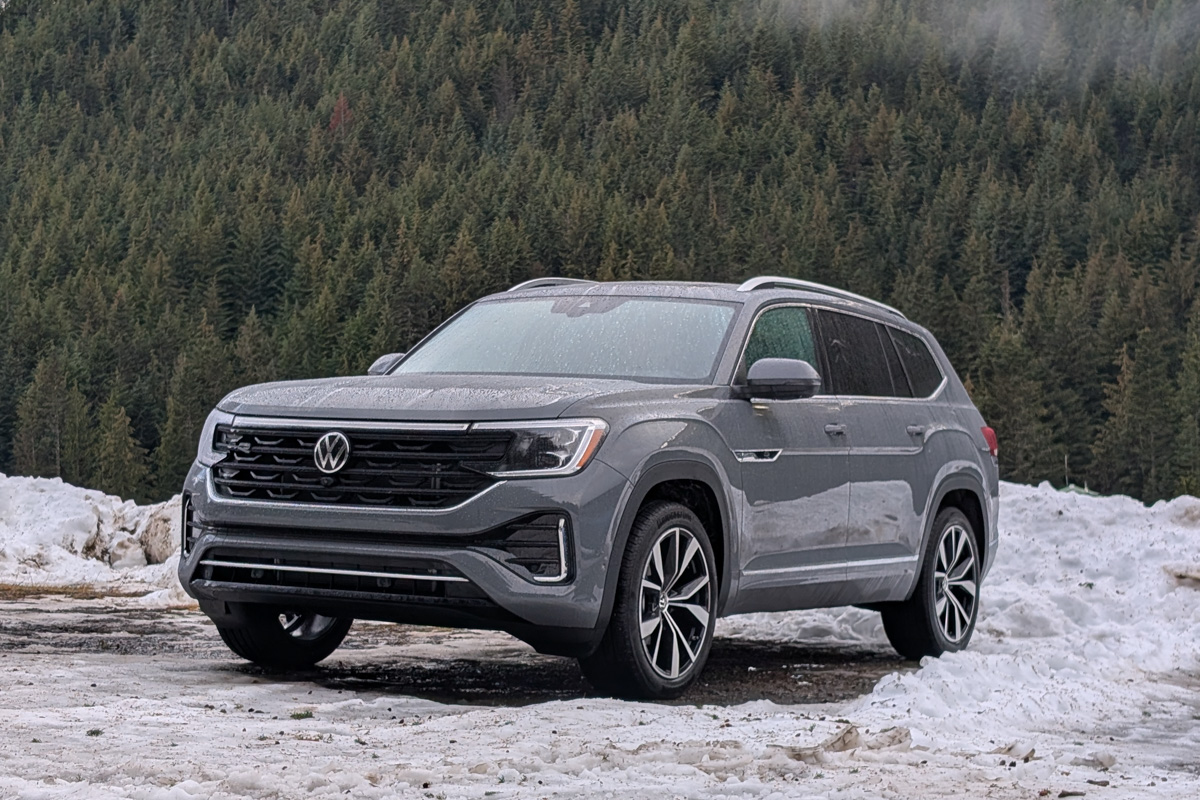
The Subaru Ascent is a midsize SUV that seats up to eight passengers across three rows. It competes in a crowded segment that includes the Honda Pilot, the Volkswagen Atlas, the Kia Telluride, and the Hyundai Palisade.
2027 Subaru Ascent Pricing, Specs, and Release Date
- What’s New for the 2027 Subaru Ascent
- Design
- Powertrain
- Interior
- Technology
- Safety
- Pricing and Release Date
- Further Research
What’s New for the 2027 Subaru Ascent
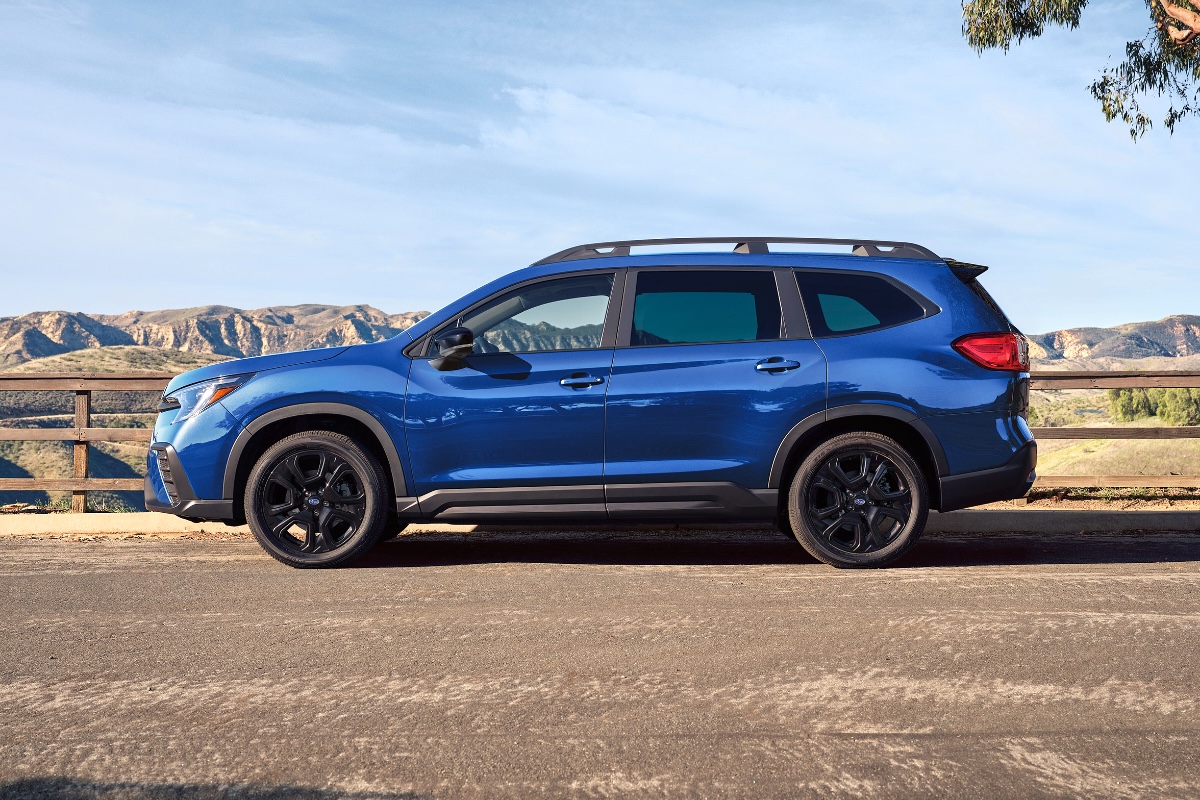
The Subaru Ascent is due an overhaul, and we suspect it could be on the menu for the 2028 model year. Instead, the 2027 Ascent carries forward with just minor updates. A new color called Deepwater Blue Pearl is available and, for now, is exclusive to the Ascent. Those who need USB-C ports are now in luck, since they’ve been added alongside the existing USB ports. Finally, there’s a new off switch for the automatic interior lighting that turns on when the doors are opened.
Design
The Ascent wears many of the same styling cues as Subaru's other non-EVs, but it's more sober than the smaller Outback, Forester, and Crosstrek models. It’s not a bad-looking SUV by any means, but it's less distinctive than its siblings. The Ascent comes standard with 18-inch wheels and is available with 20-inch wheels. The Limited Bronze Edition adds bronze exterior accents, including exclusive wheels, and the Touring Onyx Edition gets a similar treatment with black trim.
Powertrain
The Ascent shares an engine with much of the rest of Subaru's non-EV lineup—a 2.4-liter turbocharged four-cylinder unit rated for 260 horsepower and 277 pound-feet of torque. A continuously variable transmission (CVT) and all-wheel drive (AWD) come standard. Power is adequate, but not particularly impressive since the Ascent is considerably heavier than the similarly powered Outback. It's rated to tow up to 5,000 pounds, and has fuel economy ratings of 19 mpg city, 25 mpg highway, and 21 mpg combined.

Interior
The Subaru Ascent’s cabin is practical above all else, with simple upholstery and hard surfaces. It’s well built, but pretty basic. It comes standard with a power-adjustable driver’s seat, synthetic leather upholstery, and heated front seats. The Ascent comes standard with a second-row bench seat for eight-passenger seating. Alternatively, buyers can opt for captain’s chairs for no charge, reducing seating to seven but creating a more luxurious, spacious feel. Higher trim levels are not available with the eight-passenger configuration. Cars with the second-row captain’s chairs, in particular, provide easy access to the third row. Other options include a power-adjustable front passenger seat, a heated steering wheel, heated second-row seats, ventilated front seats, StarTex synthetic leather upholstery, and Nappa leather upholstery. Cargo space is about average, with 17.8 cubic feet behind the third row, opening up to 43.5 and 75.6 cubic feet respectively with the third and second rows folded down. With the panoramic moonroof, cargo capacity is down a little across the board.
Technology
The Ascent features an 11.6-inch, portrait-oriented touchscreen display. The interface itself is easy to use, but it’s on the sluggish side compared with some competitors’ newer, sharper software. The system includes voice commands, wireless Apple CarPlay and Android Auto, a six-speaker stereo, and some physical controls for audio and climate control functions. Options include wireless charging and a 14-speaker Harman Kardon audio system.