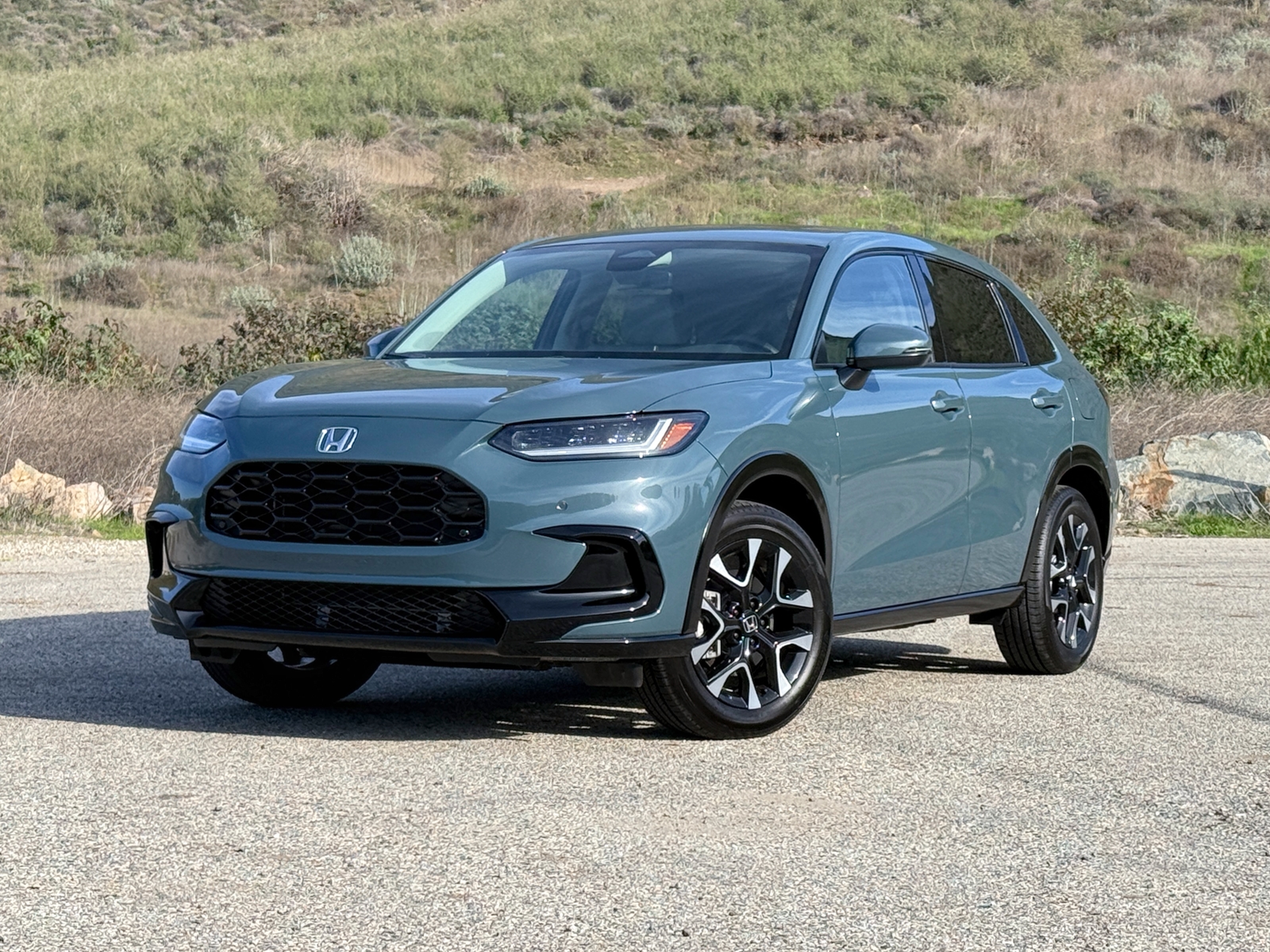
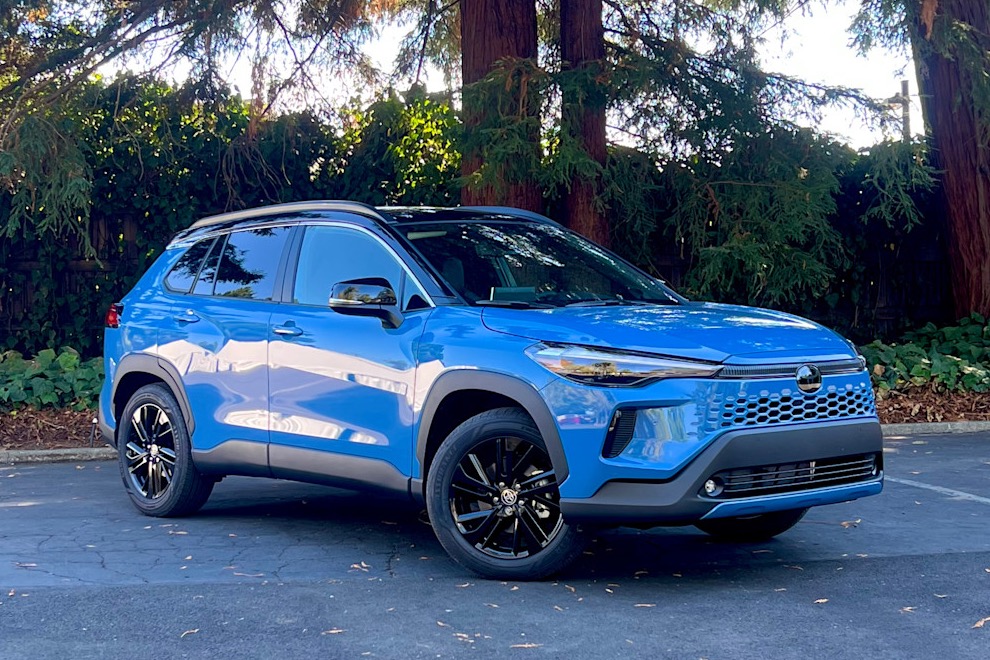
Among subcompact crossovers, the Hyundai Kona competes primarily on value and practicality. Alternatives include the Kia Seltos, the Mazda CX-3, and the Honda HR-V.
2026 Hyundai Kona Pricing, Specs, and Release Date
- What’s New for the 2026 Hyundai Kona
- Design
- Powertrain
- Interior
- Technology
- Safety
- Pricing and Release Date
- Further Research

What’s New for the 2026 Hyundai Kona
For 2026, the Hyundai Kona has a more streamlined trim lineup and is now available in SE, SEL Sport, SEL Premium, and Limited guises. That's good news for shoppers with decision fatigue but not ideal for those who liked the sportier N-Line S or N-Line versions. Hyundai has also improved the safety and driver-assistance package, with newly standard stop-and-go adaptive cruise control and an intersection-assist system that helps avoid oncoming obstacles when making turns.
Design
This article focuses on the gas-only version of the Kona, which clearly takes its styling cues from the Kona Electric model. The body-colored nose, threaded with a thin horizontal light bar, is a nod to the fact that an EV doesn’t need front-end air cooling, while the grille is lower than usual and integrated into the bumper. The most prominent wheels look like layered razor blades, reminiscent of aerodynamic, weight-saving design focused more on efficiency than performance.
Powertrain
The base Kona features a 147-horsepower four-cylinder engine paired with a continuously variable transmission (CVT), while a 190-hp turbo-four and an eight-speed automatic transmission is also available. Front-wheel drive (FWD) is standard, and all-wheel drive (AWD) is available across the lineup. The Kona isn't particularly quick or athletic, but it’s easy to navigate in tight spaces and the turbo gives it a fun kick. The Kona maxes out at 28 mpg city, 35 mpg highway, and 31 mpg combined with the base engine and FWD.

Interior
Surprisingly for a subcompact crossover, the Kona offers ample space for five, with generous rear legroom and reclining rear seats. Rear legroom measures 38.2 inches, meaning the Kona’s second-row occupants may be more comfortable than they would be in some compact SUVs. Cloth upholstery is standard, with options including synthetic leather, a power-adjustable driver’s seat, heated front seats, and ventilated front seats. In addition to spacious seating, the Kona has lots of cargo space, with 25.5 cubic feet behind the second row and a maximum of 63.7 cubic feet with the second row folded.
Technology
The 2026 Kona comes standard with a 12.3-inch touchscreen display and a 4.2-inch digital instrument cluster. Higher trims replace the latter with another 12.3-inch display, for a premium look and feel. Wireless Apple CarPlay and Android Auto, a six-speaker stereo, and four USB ports come standard. Hyundai offers an eight-speaker Bose audio system, voice recognition, and wireless device charging.