2026 Toyota Crown Signia Reviews, Pricing & Specs


Pros & cons
What we like
Stylish design
Fuel efficient
Easy-to-use technology
What to consider
Boring to drive
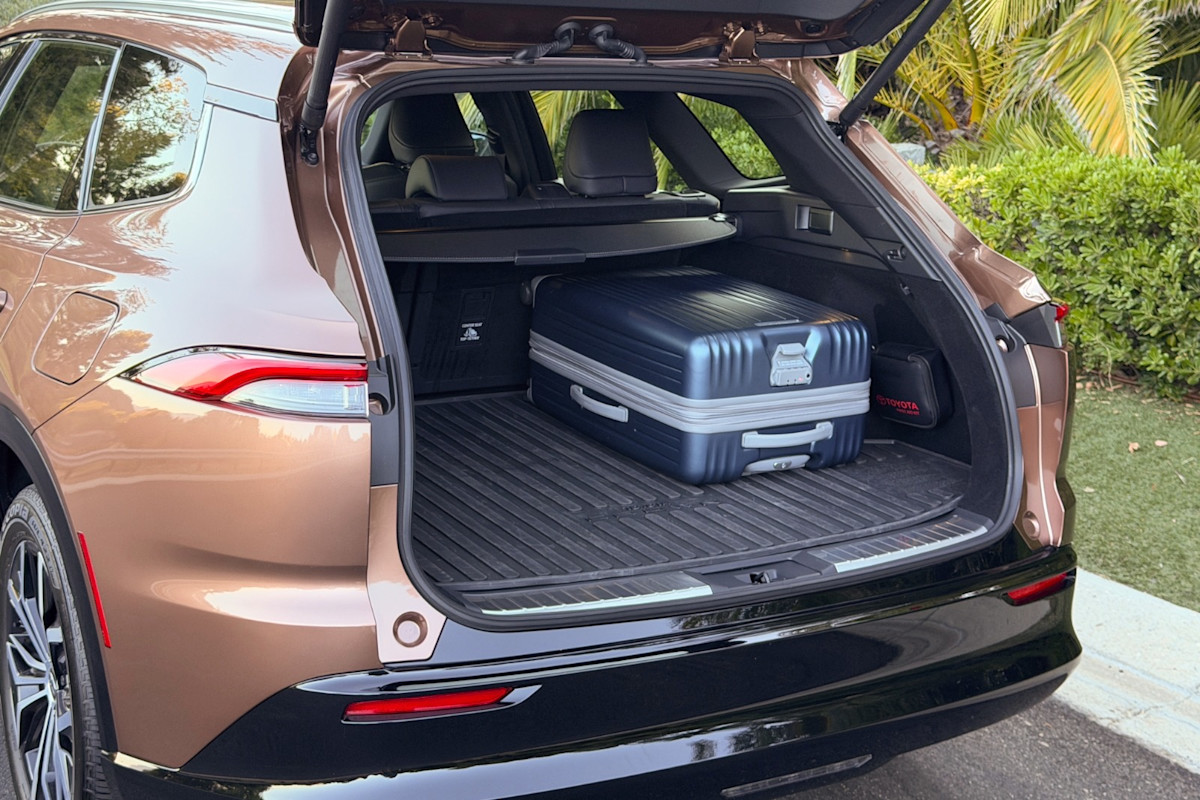
Not much cargo space
High price
The CarGurus verdict
Miss the old Camry wagons? Check out the 2026 Toyota Crown Signia.
Toyota calls the 2026 Crown Signia a crossover SUV, but that’s likely because somebody armed with a spreadsheet and a slide deck told people during a meeting that nobody would buy it otherwise. Up close and in person, it looks and drives more like a lifted Camry station wagon, so entry and exit are a little easier. In our view, there’s nothing wrong with that.
Verdict: An upscale design and a premium price are at odds with the Crown Signia’s thrifty hybrid powertrain, its quality of materials, and its surprisingly small cargo area. Should Toyota reduce the price and rename this vehicle as the Camry Cross? We think so.
out of 10 expert review
Look & feel
Toyota sells the Crown Signia in two trim levels—XLE and Limited—with base prices of $46,285 and $50,685, respectively, including the $1,595 destination charge. Our test vehicle had XLE trim, extra-cost paint, all-weather floor and cargo area mats, and an extended trial subscription to the connected services, increasing the manufacturer’s suggested retail price (MSRP) to $47,509, including the destination charge.
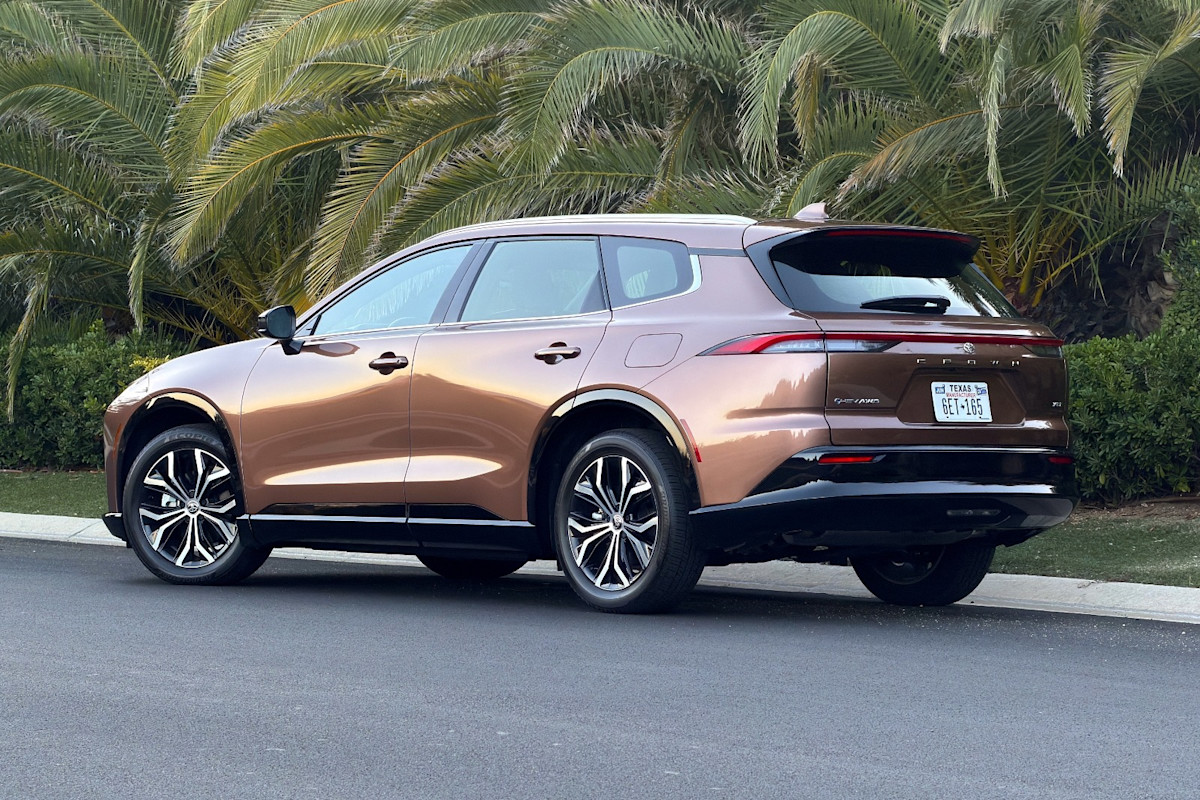
Equipped with midsize seating, a compact cargo area, and a premium price, the Crown Sig is built on the same platform as the Camry and features a similar hybrid powertrain that includes standard all-wheel drive (AWD). It has 1.3 inches more ground clearance than a Camry, and behind its back seat, provides up to 10.7 cubic feet more cargo space if it's packed to the roof.
This is a stylish vehicle, especially in Limited trim, which features appealing 21-inch wheels in a dark gray finish. They give the Crown Signia presence and a stance that’s missing with the XLE’s comparatively small 19-inch wheels (with a bright machined finish). The darker wheels also look great with the lower body trim and new-for-2026 black roof option.
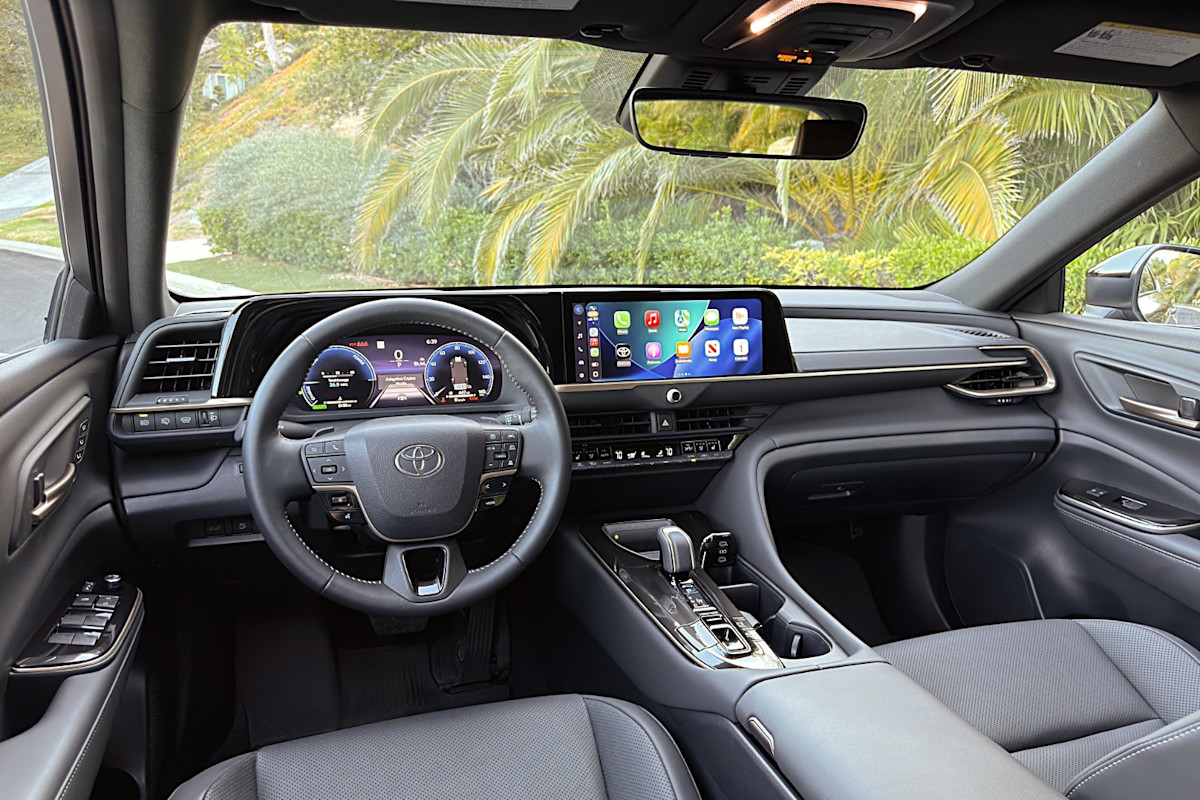
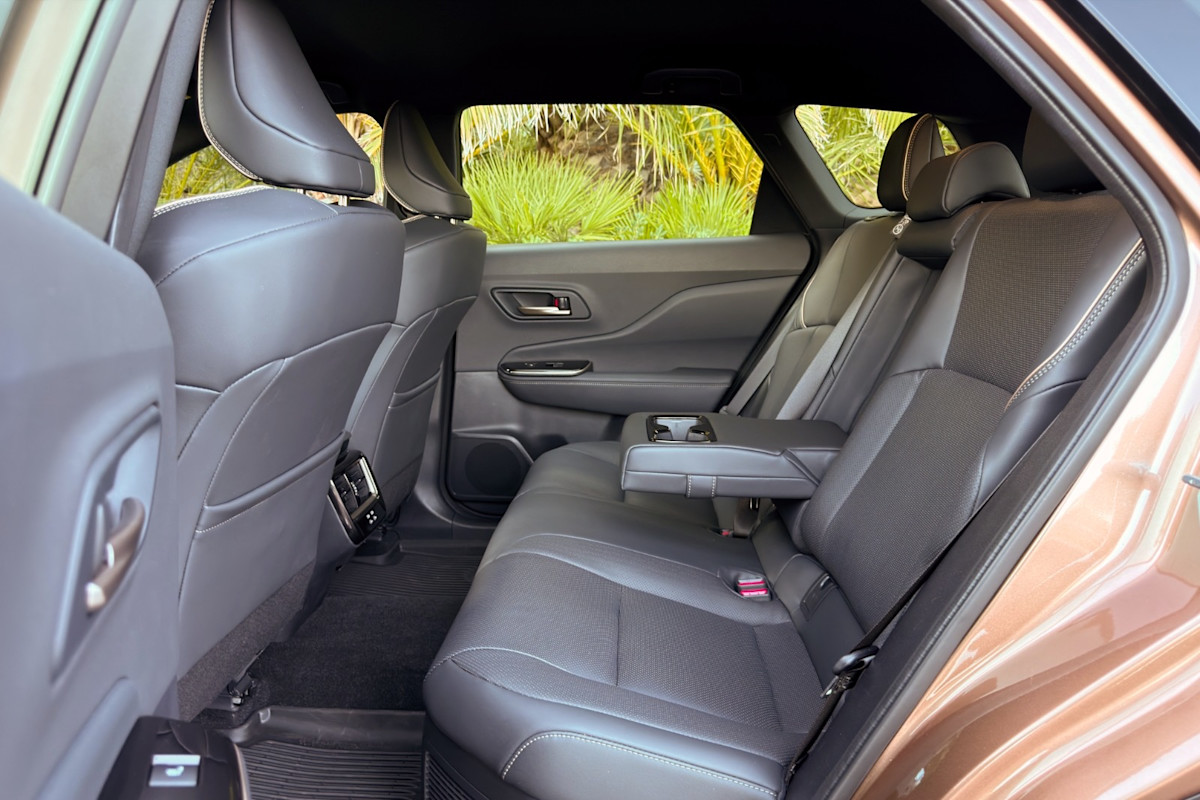
The sense of style carries into the cabin, though with the black leather interior, buyers might not perceive it as readily as with the available high-contrast Saddle Tan leather. The latter would be our pick, because it helps to mask the shortcuts Toyota takes with some of the surface materials.
Dual 12.3-inch displays are standard, one serving as the instrument cluster and the other as an infotainment touchscreen. Overall, the control layout is intuitive, but shiny surfaces on the center console and upper row of the climate panel can create reflections and glare that make it hard to see button markings.
Performance
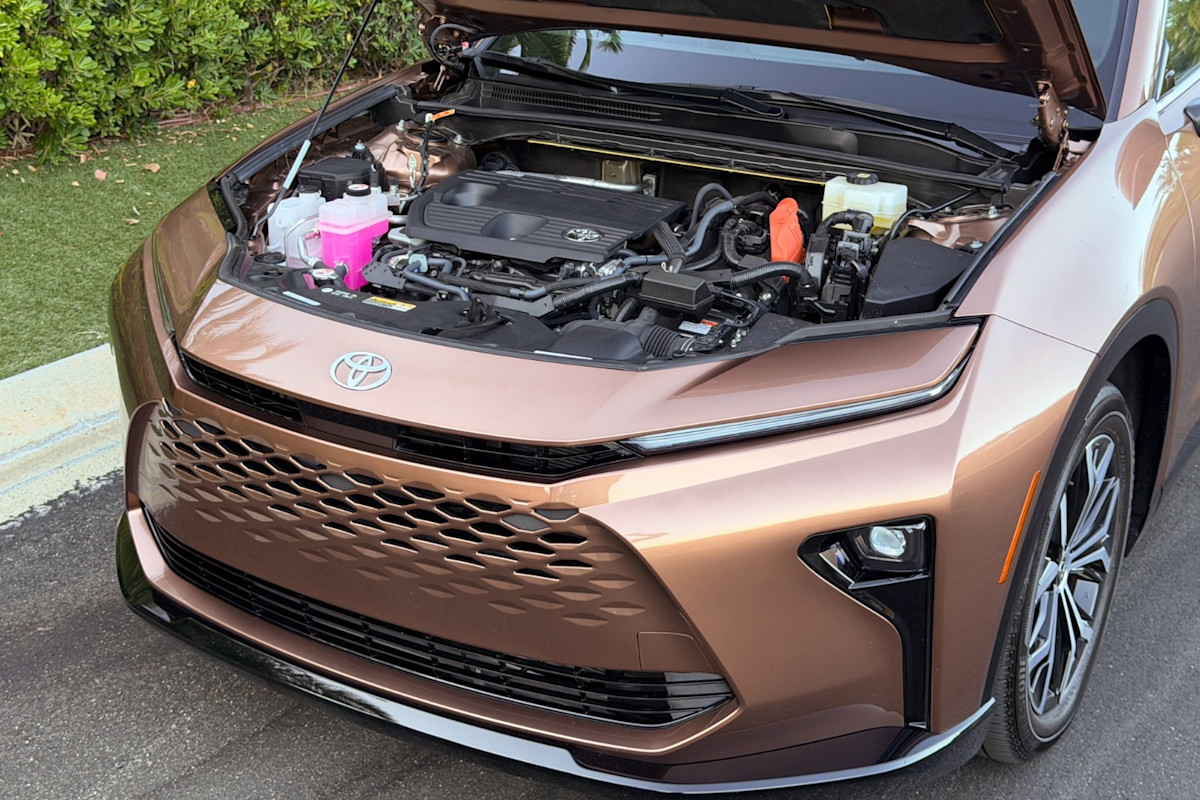
Every Crown Signia has a hybrid powertrain employing a 2.5-liter four-cylinder engine, two electric motors (one serving as a generator) and a planetary gearset coupling with the drivetrain that serve as a transmission, and a secondary independent rear electric motor at the rear axle to create an AWD system.
Compared to a Toyota Camry with AWD, the Crown Signia’s slightly more powerful motors contribute to a net output of 240 horsepower (versus 232 hp in the substantially lighter Camry). The Camry, however, employs a more sophisticated lithium-ion battery, while the Crown Sig relies on nickel-metal hydride chemistry.
The Camry AWD is also more fuel efficient, scoring 43–50 mpg in combined driving, depending on the trim level. Compare that to the Crown Signia, rated at 38 mpg combined by the EPA. During testing in hot and muggy weather, the Crown Sig averaged 35.8 mpg on our suburban Los Angeles fuel economy route and 33.2 mpg on a mountainous Ventura County evaluation loop.
While the dual electric drive motors help to get the Crown Signia moving without delay, which makes Toyota’s estimate of 7.1 seconds to accelerate to 60 mph credible, the hybrid powertrain seems anything but lively. The four-cylinder engine simply doesn’t sound good, especially when merging onto a fast-flowing freeway, climbing a mountain grade, or attempting to pass slower vehicles.
Soft suspension and lifeless steering further contribute to the boredom, and the brakes often feel grabby and inconsistent, causing irritation. Take a corner or a curve with too much enthusiasm, and the XLE trim’s P225/55R19 Bridgestone Ecopia all-season tires are quick to point out that things are getting out of hand.
Does a Crown Signia need to be enjoyable to drive? No. But especially with the stylish and expensive Limited trim level, it sure deserves a dynamic status other than “appliance”.
Form & function
When it comes to space, the Crown Signia’s passenger compartment is solidly within the midsize segment. There is plenty of room for four adults to ride in comfort, with a fifth person squeezed into the middle of the back seat only if necessary. Finding a comfortable position in each outboard seat is easy enough, but we experienced soreness after just a couple of hours behind the wheel, suggesting long-distance comfort isn’t what it should be.
Leather upholstery is standard, along with power-adjustable front seats with heating and ventilation and a heated steering wheel. During a warm and humid week of testing, we were grateful for the seat cooling and effective dual-zone automatic climate control system. Tropical rain fell on Los Angeles while we had the Crown Sig, putting the all-weather floor mats to good use during a family day trip into the city.
Unfortunately, those mats allow the driver’s heel to slowly slide forward while driving, forcing regular readjustment, and that situation only gets worse when the driver's shoes and the mat are wet. For that reason, unless buyers live where soggy soles and clumps of slush are a way of life, we think they should skip the rubber mats in favor of carpeted ones.
Interior storage space is commendable, though the glovebox is small and made from cheap-feeling materials. Open the standard power liftgate, and the Crown Signia XLE reveals 25.8 cubic feet of cargo space (24.8 cubic feet for the Limited trim). A Camry’s enclosed trunk provides 15.1 cubic feet, while a Toyota RAV4 has 37.8 cubic feet of space. Fold the Crown Sig’s back seat down, and there are 68.8 cubic feet (66.1 for the Limited), coming in just short of the RAV4’s 70.4 cubic feet.
The trouble is, the Crown Signia doesn’t have factory fitted, dark-tinted rear privacy glass like every other crossover on the market. Why not? Because it doesn’t meet the federal regulations that would allow Toyota to install it.
That means whatever's loaded into a Crown Signia is visible to passers-by, just like it would be in an old Camry station wagon. Of course, it's possible to tuck things under the rear cargo cover, but then buyers might as well go for the more affordable Camry with its enclosed trunk. The glass also doesn’t filter as much sunlight, and rear window sunshades aren’t available, so suction-cup shades will likely be necessary for those with a baby on board.
Technology
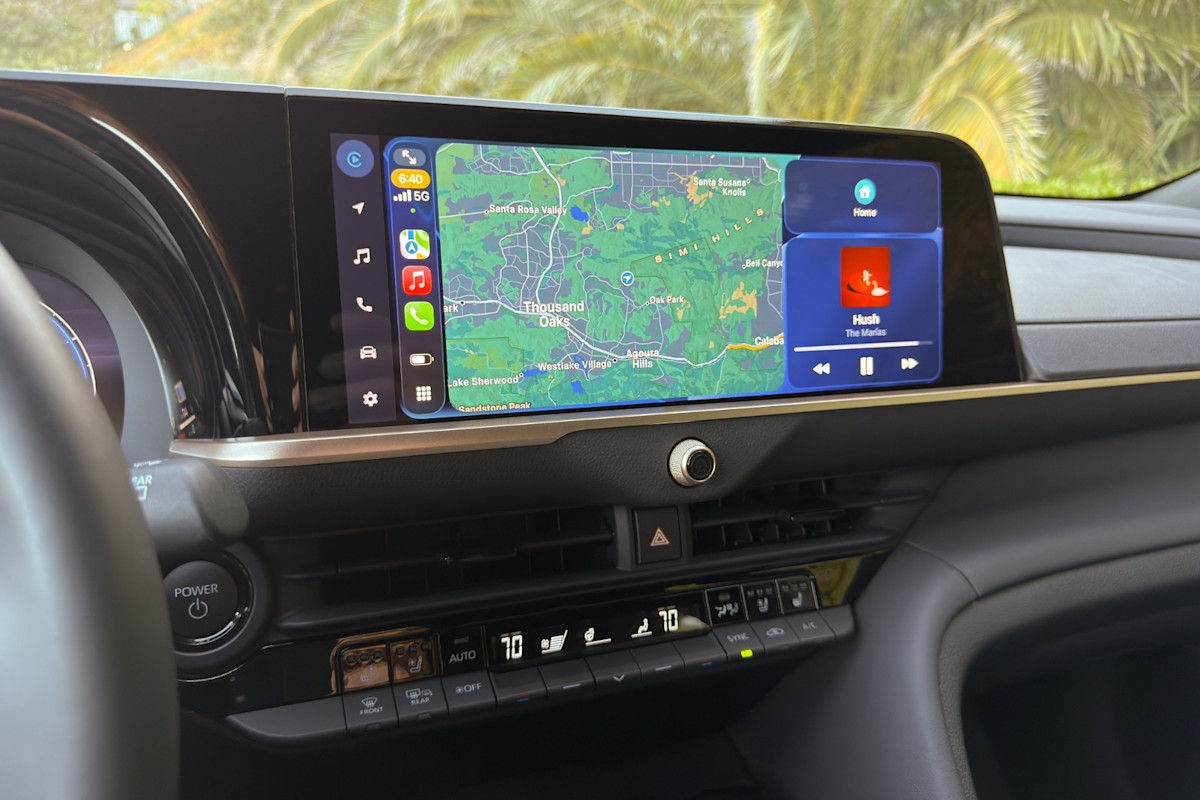
The 2026 Crown Signia has a standard 12.3-inch digital driver display and 12.3-inch touchscreen with the Toyota Audio Multimedia infotainment system. In addition to wireless Apple CarPlay, wireless Android Auto, and SiriusXM satellite radio, the infotainment system includes complimentary trial subscriptions to five different connected services plans.
Service Connect and Safety Connect are free for up to 10 years. Remote Connect and Drive Connect are available at no cost for one year. Wi-Fi Connect is active for 30 days or three gigabytes of data usage, whichever comes first. Each plan contains appealing features, but Toyota deserves kudos for including Safety Connect (automatic collision notification, SOS emergency assistance, enhanced access to roadside assistance, and a stolen vehicle locator) for such a generous amount of time.
Drive Connect provides a cloud-based infotainment system and a conversational digital voice assistant. Say “Hey Toyota,” and the assistant asks how it can help. During testing, this technology worked well, stumbling but quickly recovering when we said, “I want to listen to reggae music”—a command that commonly trips up technology across automakers. It was also helpful as we roamed Los Angeles in the rain.
For those who'd prefer not to pay for a Drive Connect subscription after the free trial expires, the wireless smartphone connectivity works well. We effortlessly ran Apple CarPlay for much of our week behind the wheel, and had no trouble streaming music, making calls, sending voice texts, etc. Also, since the native Toyota Audio Multimedia environment doesn’t support the display of multiple data panels simultaneously, the smartphone-mirroring tech is a functional improvement.
In the Limited trim with an active Remote Connect subscription, drivers can use digital key technology to transform their smartphone into the Crown Signia’s key. That allows them to start and drive the car without using the standard-issue fob. The Crown Signia Limited also includes an 11-speaker JBL sound system and a camera-based digital rearview mirror.
Safety
Toyota Safety Sense 3.0 (TSS 3.0) is standard on every 2026 Crown Signia. This package of driver assistance systems includes high-beam assist, forward-collision warning with pedestrian detection, automatic emergency braking, adaptive cruise control, lane-departure warning, lane-keep assist, and lane-centering assist.
Proactive Driving Assist (PDA) is also part of TSS 3.0. It can automatically add subtle braking and steering inputs while driving to provide an extra layer of safety. Other standard features include blind-spot monitors and rear cross-traffic alert.
The standard features on our XLE test car operated effectively most of the time. However, we experienced an unwarranted and unnecessary emergency braking event that occurred for no discernible reason. It was momentary, but nonetheless confusing and nerve-rattling. The lack of a touch-sensing steering wheel to monitor driver alertness also made using adaptive cruise control and lane-centering assist less convenient, requiring periodic inputs to prove we were still there.
While we thought the Proactive Driving Assist worked more transparently in the Crown Signia than it does in some Toyota models, we turned it off after a few days. The problem is that it vigilantly auto-brakes to maintain safe following distances to traffic ahead, and motorists behind the Toyota can become agitated over what they perceive as braking for no apparent reason.
The optional Advanced Tech Package for the Limited trim adds front and rear parking sensors with automatic low-speed braking, lane-change assist, front cross-traffic assist, a surround-view camera system, and Traffic Jam Assist (a hands-free, low-speed, driving aid).
In crash tests conducted by the National Highway Traffic Safety Administration (NHTSA), the 2026 Crown Signia received five-star ratings for frontal and side-impact protection. A rollover rating had not been published at the time of writing, which means an overall NHTSA safety rating was not available, either.
The 2026 Crown Signia received mostly top Good ratings from the Insurance Institute for Highway Safety but did get a Marginal rating in the updated moderate overlap front crash test.
Cost-effectiveness
If Camry Cross is off the table, then Toyota should rename this vehicle the Crown Enigma.
For people, it’s mid-sized. For cargo, it’s compact. It offers more ground clearance than a car but falls short of what a typical crossover offers, so off-roading is not advisable. Also, it doesn’t offer dark-tinted rear privacy glass, further suggesting it is a high-riding station wagon and not any type of SUV. We’re so in the weeds with this vehicle!
Furthermore, the price is high, and while the exterior design is smart—especially in Limited trim—there is too much evidence of low-grade materials inside, which makes the Crown Signia seem overpriced.
Some free trials to connected services plans are extremely generous, and Toyota provides complimentary scheduled maintenance for two years or 25,000 miles, enhancing the Crown Signia’s value proposition. Also, it is more fuel efficient than alternatives such as a Nissan Murano or a Subaru Outback, thanks to the standard hybrid powertrain.
However, the warranty falls short of alternatives such as the Hyundai Santa Fe Hybrid and the Kia Sorento Hybrid. Furthermore, the super-roomy and stylish Mazda CX-70 is anything but boring to drive and available as a plug-in hybrid (so is the Kia).
So where does that leave us regarding cost effectiveness? Who knows? That’s why this Toyota should be renamed the Crown Enigma. But really, Toyota should leverage the Camry’s bulletproof brand recognition in the same way it did with the Corolla when it launched the Corolla Cross.
What owners say
Great vehicle. Well made model since they're all assembled in Japan but I think it's a bit pricey. Comparable to the RAV4.
August 6, 2026Trims & specs
Base MSRP $44,690 | Seating 5 |
Engine 2.5L 240 hp I4 Hybrid | Cargo Capacity 25.8 cu ft |
Combined MPG 38 | Drivetrain AWD |
Base MSRP $49,090 | Seating 5 |
Engine 2.5L 240 hp I4 Hybrid | Cargo Capacity 24.8 cu ft |
Combined MPG 38 | Drivetrain AWD |


Pricing trends
MSRP range
$44,690 - $49,090
Current avg. market price
$47,600
Trending down by 2.3% this month
July 2026 - November 2026


