The Tesla Trip Planner is arguably one of the automaker’s most innovative and useful features and it’s hard to find a better route planner specifically for Teslas. When Teslas were new and most drivers weren’t yet familiar with electric vehicles, planning a long drive to go anywhere was an intimidating task, since it was not only difficult to anticipate when it would be necessary to charge, but to find locations along the route.
Range anxiety was more prevalent in North America then and the inconsistencies of EV charging made long road trips difficult. The Tesla Trip Planner was introduced as a feature on Tesla’s website in 2018, and was finally added to the Tesla app in spring of 2023, in response to overwhelming customer demand. It’s also available in Tesla vehicles.
Here, we’ll take a look at the Tesla Trip Planner, so you can learn how to plan a trip in a Tesla, how to plan efficient charging stops, how to make the most of your range and charging, and where you should go in your Tesla.
Tesla Trip Planner: Everything You Need to Know
- Planning Your Trip
- Best practices for planning a Tesla trip are worth revisiting
- Essential items to pack for your Tesla journey
- How to find charging stations along your route
- Maximizing Range and Efficiency
- Tips for conserving energy on long Tesla trips range from basic to advanced
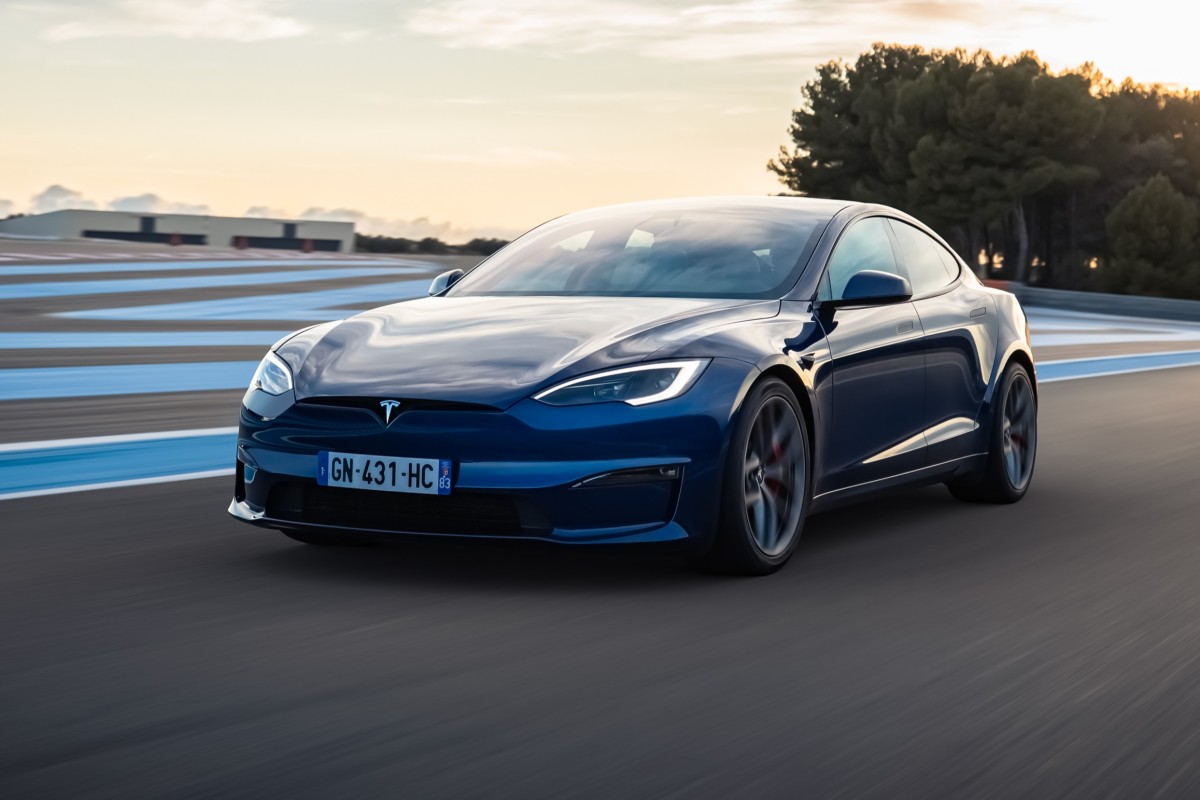
Planning Your Trip
Getting ready to plan a road trip in your Tesla? Tesla’s tools, such as navigation, maps, and the Tesla Trip Planner, have your basics covered. You can access most of them in your Tesla through the touchscreen, via smartphone app, or online through a web browser.
Here’s how to use Tesla’s tools to help ensure a successful and enjoyable trip, along with other information you need to know to explore the country from behind the wheel of your Tesla vehicle.
Best practices for planning a Tesla trip are worth revisiting
Get familiar with all of Tesla’s tools and features, including navigation, Tesla Maps, and the Tesla Trip Planner. Even if you don’t need all of the tools for every step of the way, familiarity will make it easier if you need to change routes unexpectedly or find a detour, explore nearby attractions, or make an unplanned rest stop.
How you go about using these tools depends on the level of detail you already know about your trip. For example, if you know your start point, end point, and the amount of time you have for your trip, it’s a simple matter of finding routes and using the Tesla Trip Planner to find suggested stops for charging and taking care of other needs. If you have more flexibility, play around with the tools a bit more and consider making some decisions when you’re already on the road.
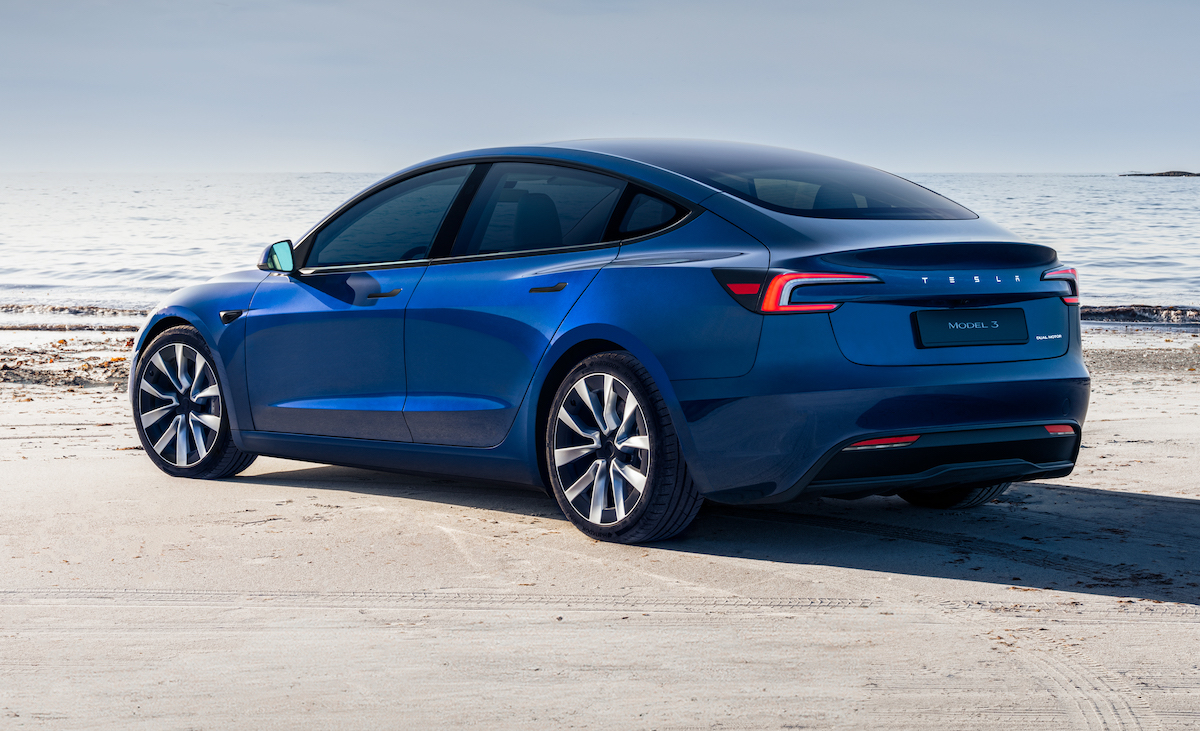
Essential items to pack for your Tesla journey
Before you set out, Tesla recommends checking your tire pressure and adjusting if necessary, as well as looking over your tires for visible signs of damage. Also make sure you have a tire plug and inflator kit. A first aid kit should always be in your Tesla Other key items include your Tesla’s mobile charger and other charging accessories, including adapters in case you need to use a different kind of charger.
How to find charging stations along your route
Whether you’re planning your trip from home or you’re already on the road, the Tesla Trip Planner will help you find charging stations on your way. You can choose to stick close to the road you’re traveling, or look for chargers close to attractions, food, or rest stops to put some adventure into your route planning.
The Tesla Trip Planner can also suggest routes that will keep you close to Superchargers and help make the most of your charging time. You can also learn about real-time charging rates at different charging locations.
Maximizing Range and Efficiency
The Tesla Trip Planner is key to making the most out of a full charge when you’re on the road in your Tesla and using nav. It’s easy enough to locate your destination in your Tesla’s navigation system and then simply use the Tesla Trip Planner to find the most efficient route, and that will be enough to maximize range and efficiency on shorter trips.
However, there are some strategies that can help, primarily by understanding how range works and how it can be affected by factors like environment, location, and driving style. It’s important for any EV owner, not just Tesla owners, to understand how and why range can vary.
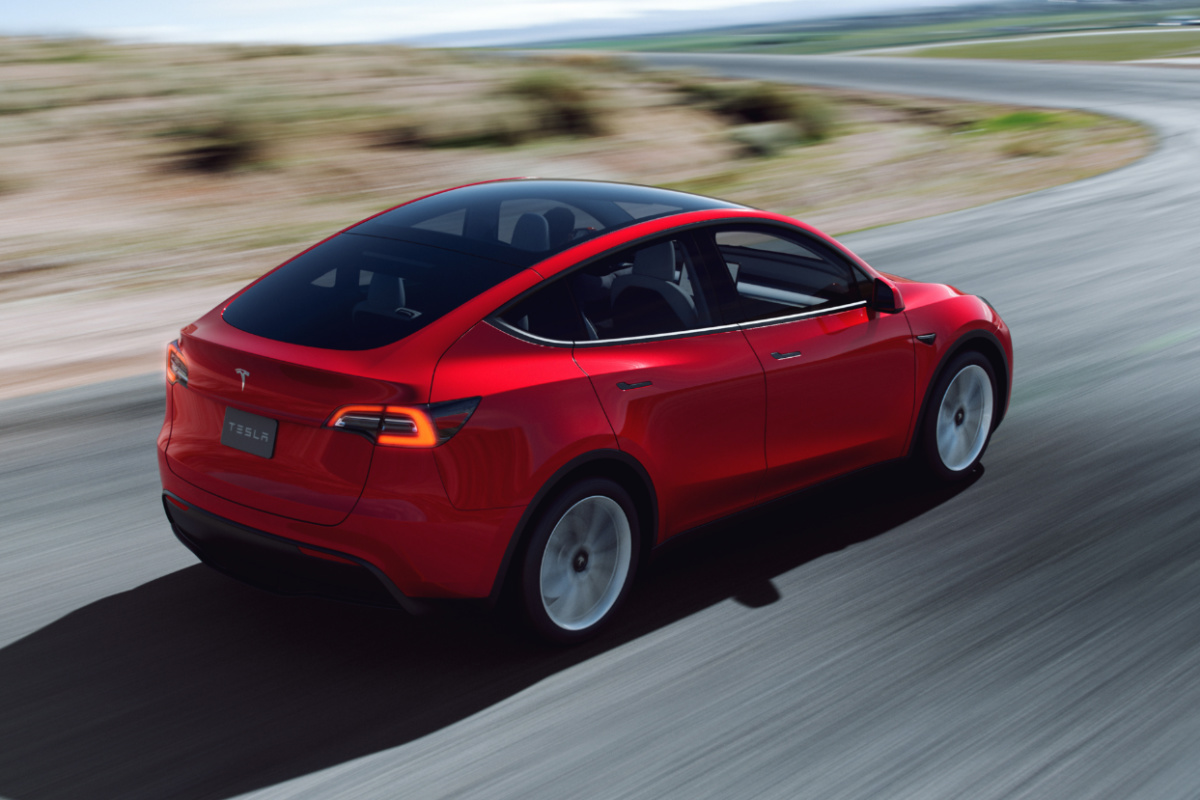
Tips for conserving energy on long Tesla trips range from basic to advanced:
Familiarize yourself with the planner Be sure to use the Tesla Trip Planner, for starters, especially if you’re unfamiliar with your route or your destination. The most basic strategy for maximizing range on a road trip in your Tesla is to follow the most efficient route suggested by the Trip Planner. If that changes, due to an obstruction on the road or other factors, the Trip Planner will alert you and suggest alternate routes if any are available.
Utilizing regenerative braking to increase range Regenerative braking is a common feature in EVs, including all Tesla vehicles. This type of braking system uses the motor’s power to slow the vehicle, and that energy is recaptured and fed back to the battery to conserve as much energy as possible.
Tesla vehicles offer settings to customize the balance between regenerative and regular braking, so you should consult your user manual if you want to learn how to set up your Tesla to maximize the effects of regenerative braking. Tesla advises drivers to optimize regenerative braking by anticipating when you’ll need to stop the vehicle and letting the vehicle slow in advance of your stop. That way, you’ll minimize the amount you actually need to use the regular brakes, and get the most benefit from regenerative braking, minimizing your need for Supercharger stops. It helps to practice using this feature since it can affect other electric car functions, like the battery preconditioning that helps prepare the system for charging.
Understanding the impact of weather conditions on range It’s well known that climate and weather affect an EV’s range, particularly cold weather. That’s because an electric vehicle uses energy to keep the battery at an optimal and safe operating temperature, and also to heat the cabin. A 2024 Consumer Reports test found that a Tesla Model Y with an official EPA range of 326 miles averaged just 186 miles in cold weather. That’s a bigger loss of range than other EVs from Ford, Hyundai, and Volkswagen evaluated in the same test under the same conditions. It may also vary with different Tesla models, like the Model X or the Cybertruck.
The point here is, when trip planning, be aware of conditions both along your route and at your destination, and understand how they’re likely to affect your Tesla.


