If you've been car shopping lately, you've probably noticed things feel... complicated. Tariff headlines, EV tax credit deadlines, prices that never seem to come down. The 2025 market threw a lot at buyers, and 2026 isn't looking much simpler.
With the largest audience of car shoppers, vehicle inventory, and dealer network in the country, CarGurus’ data team has robust insights into what shaped the market in 2025 and what to expect in 2026. So, read on to find out more.
What Happened in the Car Market in 2025—and What It Means for You in 2026
- The Big Picture – Four Things That Shaped 2025
- The 2025 Car Market in Numbers
- What People Were Shopping For
- The Used Market Reality Check
- About Those Tariffs
- What's Coming in 2026?
- The Bottom Line for Car Shoppers

The Big Picture – Four Things That Shaped 2025
1. The tariff scare didn't play out like everyone expected:
Early in 2025, buyers rushed to dealerships worried that tariffs would send prices through the roof. But here's the thing—prices stayed pretty much flat. More vehicles priced under $50,000 hit the market, which helped keep averages in check. If you panic-bought early in the year, you may have paid more than you needed to.
2. Used car shoppers went hunting for deals:
With new car prices still hovering near $50,000 on average, more buyers turned to used vehicles—especially older, more affordable ones. The catch? If you wanted a three-year-old car (often the sweet spot for value), good luck finding one. Those vehicles were built during the chip shortage years, so there just aren't many of them out there.
3. Owning a car got even more expensive:
It's not just the sticker price. Insurance and maintenance costs have been climbing faster than inflation. Since 2019, the total cost of owning a new car is up 30%. For used cars, it's up 39%. Inflation overall? Only 26%. That gap is real, and it's squeezing budgets.
4. EV buyers rushed to beat the tax credit deadline:
The expiration of federal EV tax credits created a buying frenzy in Q3, followed by a sharp slowdown in Q4. Meanwhile, hybrids just kept gaining ground all year long.
The 2025 Car Market in Numbers
New cars: Inventory was up 5.4% in 2025, with prices basically flat at $49,400, while overall sales were up 8.2%.
Used cars: In 2025, inventory was up 7.9%, prices were up 4.5% to $28,900, and sales were up 6.3%.
Hybrids: This was the real story. Inventory was up 17.9%, while prices were actually down 3.0% to $46,100, and sales were up a whopping 33%.
Shoppers Should Know: If you're on the fence between gas, hybrid, and electric, hybrids are hitting a sweet spot right now—more selection, better prices, and they're holding their value.
What People Were Shopping For
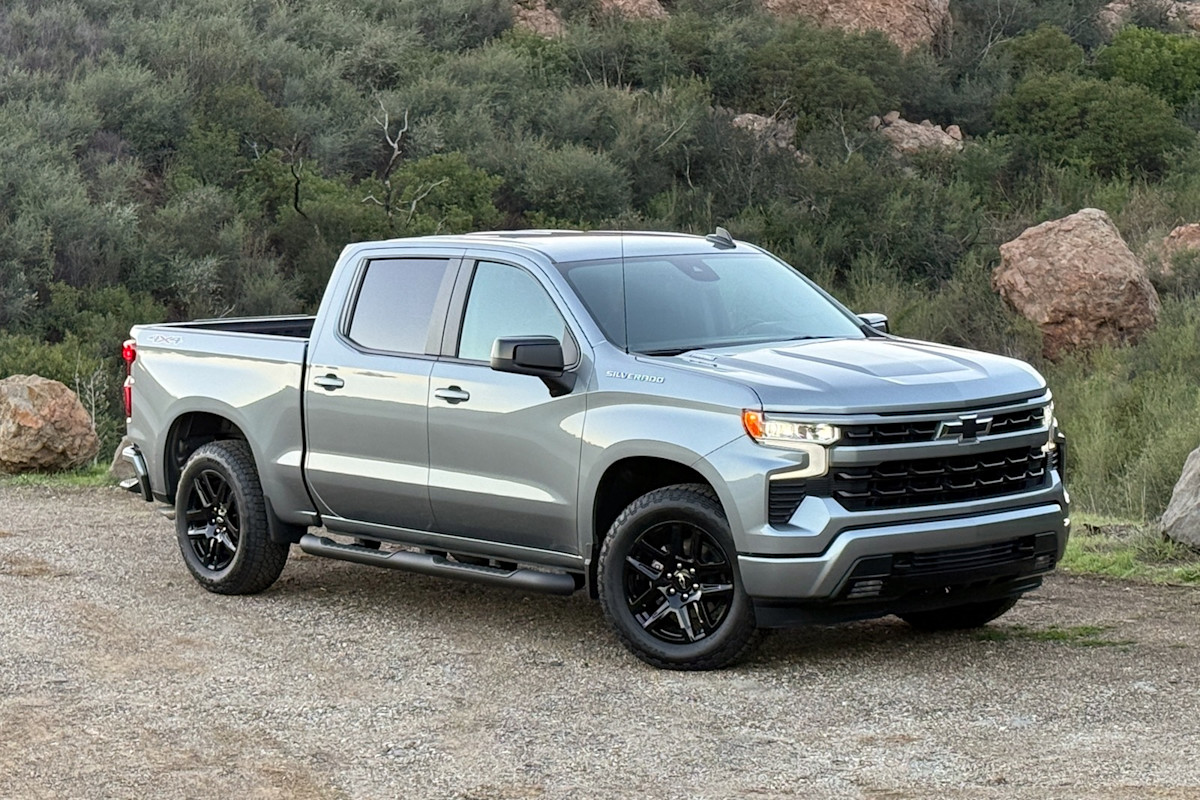
In 2025, trucks and SUVs dominated interest in new vehicles. The Ford F-150 ($63,200 average list price, or ALP), Toyota 4Runner ($53,800 ALP), and Chevy Silverado 1500 (seen above, $51,100 ALP) topped the most-viewed list on CarGurus.com.
The Corvette snuck into fourth place at $113,200—proof that people still want fun cars, even if they’re expensive ones.
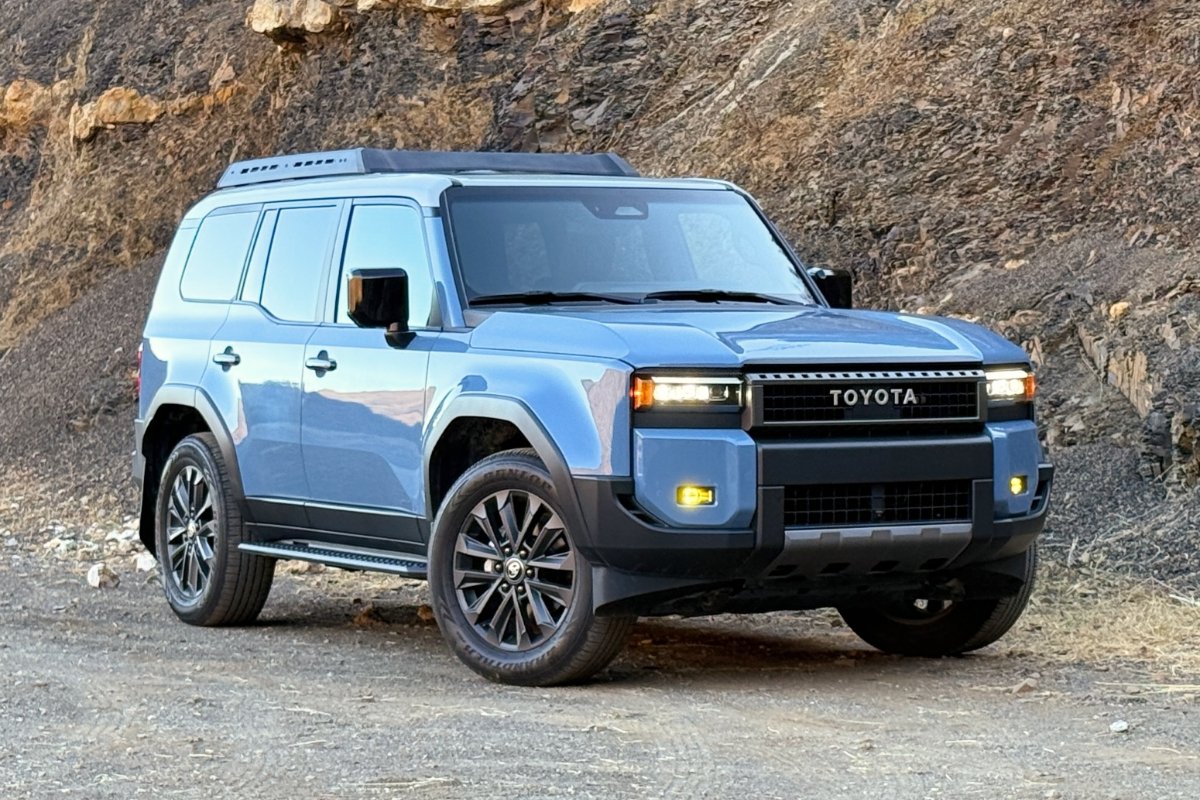
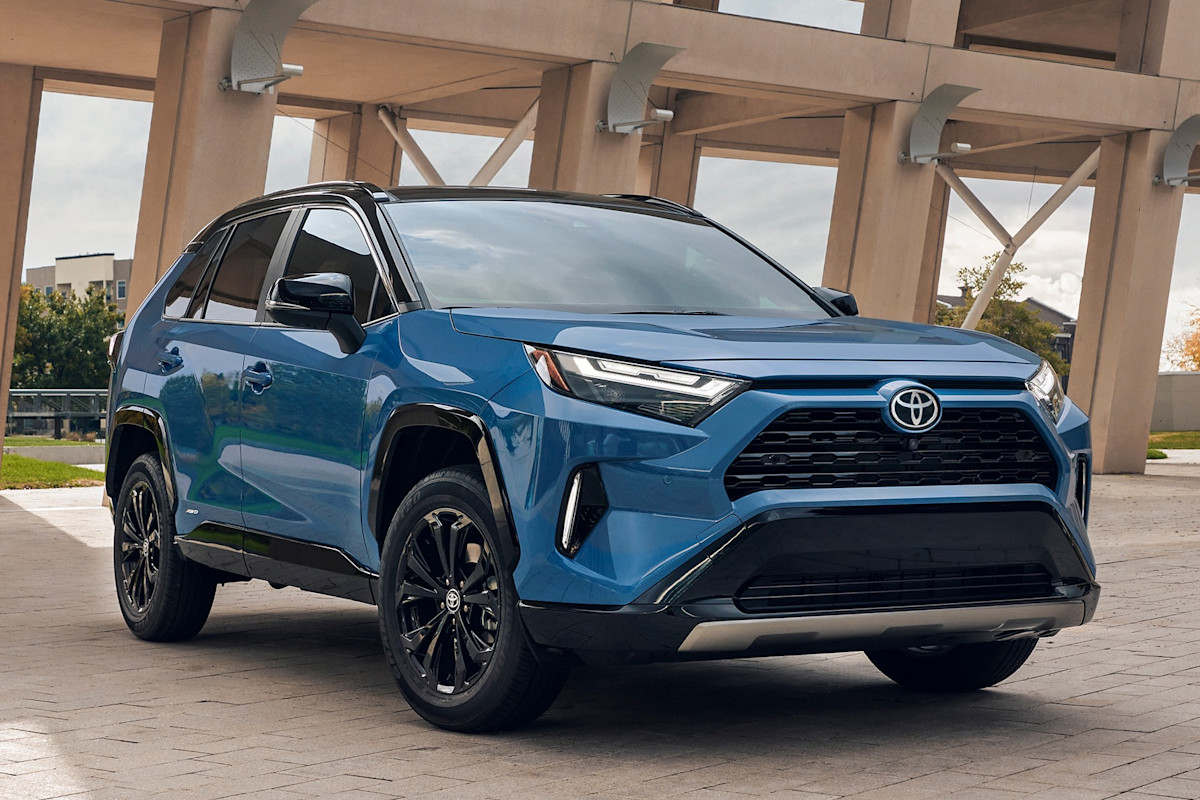
Meanwhile, Toyota owned the hybrid conversation, in both the new and used markets. On the new side of things, the Land Cruiser (seen above), Sequoia, and Camry were the hybrids with the most views in 2025; used shoppers most viewed the Prius ($14,000 ALP) and RAV4 Hybrid ($28,700 ALP). On the fully-electric side, the market split in two.
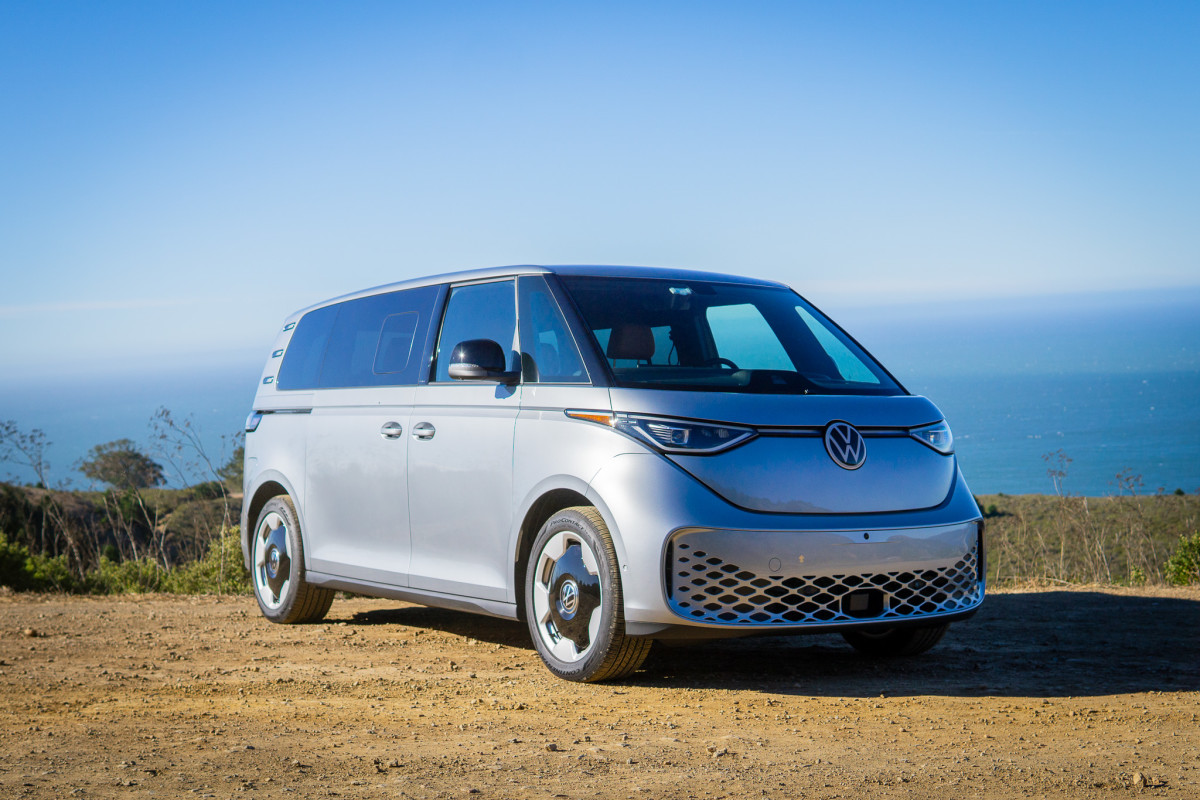
New EV shoppers sent the most views to premium models like the Volkswagen ID.Buzz (seen above, $65,700 ALP) and all-electric Mercedes-Benz G Wagon (and its $183,700 ALP).
But used EV shoppers? They wanted Teslas — specifically the Model 3 ($22,300 ALP), and Model Y ($29,100 ALP).
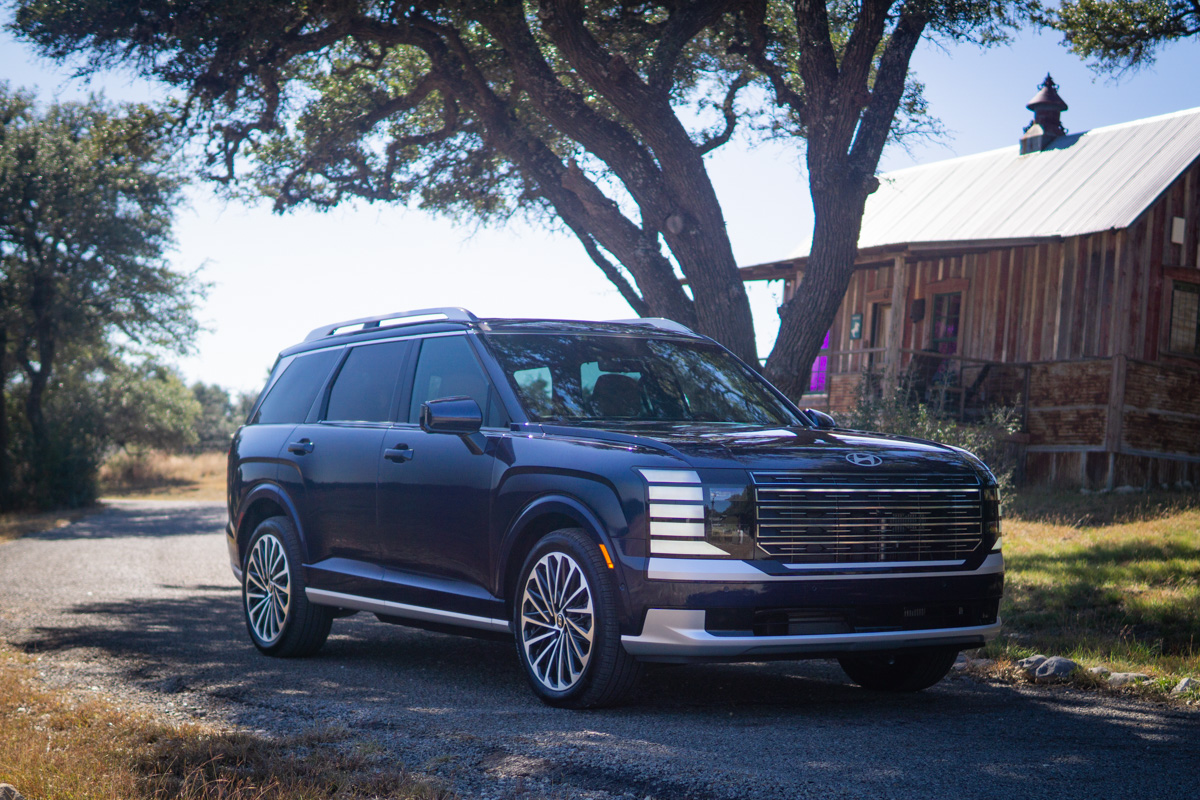
Shoppers Should Know: Toyota hybrids and inexpensive used cars flew off lots. The Hyundai Palisade Hybrid (seen above) averaged just 13.7 days to sell, compared to 62 days for new vehicles overall, according to CarGurus’ data.
If you're EV-curious but price-conscious, the used market is where the value is.
Used cars under $10,000 and used Teslas moved in under 30 days. If you find one you like, don't wait around.

The Used Market Reality Check
Used inventory grew 5.3% in 2025, but not evenly. Franchise dealers saw bigger gains (up 7.0%) than independent lots (up 3.4%). What’s more, the mix of what's available has shifted.
There are more nearly-new vehicles (0-2 years old) and more older vehicles (6+ years). But the number of vehicles in that 3-5 year range—the one that used to be the best balance of price and condition—shrank. Those are the cars that would have been sold during 2020-2022, when the chip shortage crushed production and the market was dealing Covid-induced uncertainties.
That gap won't fill in overnight. Prices are still way above pre-pandemic levels, up to 50% higher depending on the vehicle age.
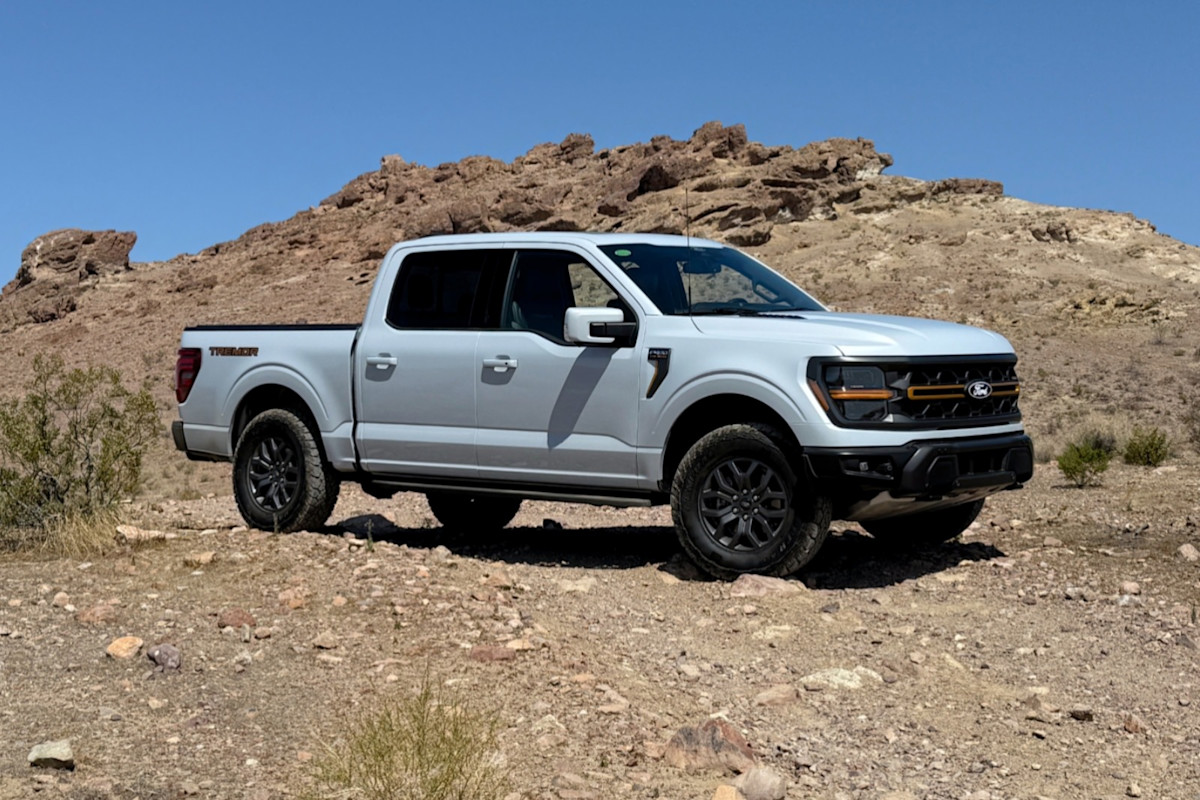
This means that while $35,000 got you a new Camry XSE V6 or F-150 XLT SuperCrew in 2019, the same money today gets you a two-year-old version of either with 30,000-50,000 miles on it. The one upside? Older cars on the market today often have lower mileage than you'd expect. People drove less during COVID, so a 2025 eight-year-old car will often have fewer miles than an eight-year-old car did in 2019.
Shoppers Should Know: Be flexible. If the 3-5 year-old sweet spot is too competitive or expensive, look at newer cars with less popular trims (where dealers might deal) or older cars with lower-than-expected mileage.
About Those Tariffs
Despite all the worry, new car prices barely budged in 2025—down 0.4% overall compared to 2024. Both U.S.-built and imported vehicles saw slight decreases. The pricing surge everyone feared just didn't happen.
That said, 2026 brings more uncertainty with USMCA trade deal renegotiations on the horizon. The lesson from 2025: don't let headlines pressure you into a rushed purchase. Watch actual prices, not predictions.
What's Coming in 2026?
New car sales are expected to flatten out around 15.5-16 million vehicles. A lot of demand got pulled forward by tariff fears, and affordability is still a challenge. This could mean dealers get more flexible on pricing.
Used car sales should keep recovering, potentially reaching 38-39 million. More vehicles are entering the market, so selection should improve—though prices may stay elevated until supply fully catches up.
Hybrids keep climbing. New hybrid market share is expected to top 14% and keep growing, according to CarGurus’ data. New EV share will likely soften now that the federal incentives have been discontinued, though used EVs have room to grow simply because there weren't many to resell until recent years.
Shoppers Should Know:
- Will automakers start passing tariff costs to buyers? So far they've absorbed them, but that could change, so don’t assume price volatility has passed.
- Interest rates aren't guaranteed to drop, so don't count on lower monthly payments rescuing your budget.
- The supply of late-model used vehicles (cars from the 2020-2022 model years) should gradually get better as we move further from those chip-shortage/Covid years.
- EV demand without tax credits will finally show us whether electric vehicles have hit mainstream appeal, if they were propped up by subsidies, or a little bit of both.
The Bottom Line for Car Shoppers
- Skip the panic buying. Tariff fears didn't lead to price spikes in 2025. Patience paid off.
- Give hybrids a serious look. More inventory, lower prices, strong resale—it's a good combination.
- Used EVs are the value play. A used Tesla Model 3 at $22,300 beats a new EV at $60,000+ if you're watching your budget.
- The 3-5 year used car sweet spot is still tight. That won't fully resolve until 2026 or later.
- Move fast on popular vehicles. Hybrids (especially Toyotas) and cheap used cars don't sit around.
- Remember the true cost. Insurance and maintenance are up significantly—factor that into your budget, not just the purchase price.
Data source: CarGurus Market Intelligence analysis, plus Bureau of Economic Analysis, S&P Global Mobility, Federal Reserve, and BLS.