Used 2010 Hyundai Tucson for SaleNationwide
Shop with transparent pricing.
Only show listings that include dealer fees- Year:
- 2010
- Make:
- Hyundai
- Model:
- Tucson
- Body type:
- SUV / Crossover
- Doors:
- 4 doors
- Drivetrain:
- All-Wheel Drive
- Engine:
- 176 hp 2.4L I4
- Exterior color:
- Silver
- Combined gas mileage:
- 24 MPG
- Fuel type:
- Gasoline
- Interior color:
- Black
- Transmission:
- Automatic
- Mileage:
- 163,503
- Stock #:
- 097275
- VIN:
- KM8JUCAC4AU097275

2010 Hyundai Tucson
GLS AWD
163,503 mi
$5,897
- Year:
- 2011
- Make:
- Hyundai
- Model:
- Tucson
- Body type:
- SUV / Crossover
- Doors:
- 4 doors
- Drivetrain:
- All-Wheel Drive
- Engine:
- 176 hp 2.4L I4
- Exterior color:
- Blue
- Fuel type:
- Gasoline
- Interior color:
- Blue
- Transmission:
- Automatic
- Mileage:
- 178,869
- Stock #:
- 5834
- VIN:
- KM8JUCAC5BU255933

2011 Hyundai Tucson
Limited AWD
178,869 mi
$4,850
- Year:
- 2011
- Make:
- Hyundai
- Model:
- Tucson
- Body type:
- SUV / Crossover
- Doors:
- 4 doors
- Drivetrain:
- All-Wheel Drive
- Engine:
- 176 hp 2.4L I4
- Exterior color:
- Iris Blue
- Fuel type:
- Gasoline
- Interior color:
- Black
- Transmission:
- 6-Speed Automatic Overdrive
- Mileage:
- 178,664
- Stock #:
- TR26938A
- VIN:
- KM8JUCAC2BU131022

-$254
2011 Hyundai Tucson
Limited AWD
178,664 mi
$6,143
$5,889
- Year:
- 2011
- Make:
- Hyundai
- Model:
- Tucson
- Body type:
- SUV / Crossover
- Doors:
- 4 doors
- Drivetrain:
- Front-Wheel Drive
- Engine:
- 176 hp 2.4L I4
- Fuel type:
- Gasoline
- Transmission:
- 6-Speed Automatic Overdrive
- Mileage:
- 193,664
- Stock #:
- R276125
- VIN:
- KM8JU3AC2BU276125

2011 Hyundai Tucson
GLS FWD
193,664 mi
$3,999
- Year:
- 2011
- Make:
- Hyundai
- Model:
- Tucson
- Body type:
- SUV / Crossover
- Doors:
- 4 doors
- Drivetrain:
- Front-Wheel Drive
- Engine:
- 176 hp 2.4L I4
- Exterior color:
- Aurora Blue
- Fuel type:
- Gasoline
- Interior color:
- Taupe
- Transmission:
- 6-Speed Automatic Overdrive
- Mileage:
- 128,296
- Stock #:
- T12472
- VIN:
- KM8JU3AC1BU231242

2011 Hyundai Tucson
Limited FWD
128,296 mi
$7,589
- Year:
- 2011
- Make:
- Hyundai
- Model:
- Tucson
- Body type:
- SUV / Crossover
- Doors:
- 4 doors
- Drivetrain:
- All-Wheel Drive
- Engine:
- 176 hp 2.4L I4
- Fuel type:
- Gasoline
- Transmission:
- 6-Speed Automatic Overdrive
- Mileage:
- 120,880
- Stock #:
- 275065
- VIN:
- KM8JUCAC5BU275065

-$500
2011 Hyundai Tucson
GLS AWD
120,880 mi
$6,100
$5,600
- Year:
- 2011
- Make:
- Hyundai
- Model:
- Tucson
- Body type:
- SUV / Crossover
- Doors:
- 4 doors
- Drivetrain:
- Front-Wheel Drive
- Engine:
- 176 hp 2.4L I4
- Exterior color:
- Graphite Gray
- Fuel type:
- Gasoline
- Interior color:
- Black
- Transmission:
- 6-Speed Automatic Overdrive
- Mileage:
- 133,052
- Stock #:
- PA16919
- VIN:
- KM8JU3AC2BU240080

2011 Hyundai Tucson
GLS FWD
133,052 mi
$5,900
- Year:
- 2010
- Make:
- Hyundai
- Model:
- Tucson
- Body type:
- SUV / Crossover
- Doors:
- 4 doors
- Drivetrain:
- All-Wheel Drive
- Engine:
- 176 hp 2.4L I4
- Fuel type:
- Gasoline
- Transmission:
- 6-Speed Automatic Overdrive
- Mileage:
- 176,154
- Stock #:
- 052853
- VIN:
- KM8JUCAC2AU052853

2010 Hyundai Tucson
GLS AWD
176,154 mi
$5,416
- Year:
- 2011
- Make:
- Hyundai
- Model:
- Tucson
- Body type:
- SUV / Crossover
- Doors:
- 4 doors
- Drivetrain:
- Front-Wheel Drive
- Engine:
- 176 hp 2.4L I4
- Exterior color:
- Ash Black
- Fuel type:
- Gasoline
- Interior color:
- Taupe
- Transmission:
- 6-Speed Automatic Overdrive
- Mileage:
- 135,929
- Stock #:
- G6902C
- VIN:
- KM8JU3ACXBU297532

2011 Hyundai Tucson
Limited FWD
135,929 mi
$6,846
- Year:
- 2009
- Make:
- Hyundai
- Model:
- Tucson
- Body type:
- SUV / Crossover
- Doors:
- 4 doors
- Drivetrain:
- Front-Wheel Drive
- Engine:
- 140 hp 2L I4
- Exterior color:
- Mesa Red Pearl
- Combined gas mileage:
- 22 MPG
- Fuel type:
- Gasoline
- Interior color:
- Gray
- Transmission:
- 4-Speed Automatic
- Mileage:
- 104,884
- Stock #:
- KU1781T
- VIN:
- KM8JM12BX9U007505

2009 Hyundai Tucson
GLS FWD
104,884 mi
$3,855
- Year:
- 2011
- Make:
- Hyundai
- Model:
- Tucson
- Body type:
- SUV / Crossover
- Doors:
- 4 doors
- Drivetrain:
- All-Wheel Drive
- Engine:
- 176 hp 2.4L I4
- Exterior color:
- Java Brown
- Fuel type:
- Gasoline
- Interior color:
- Gray
- Transmission:
- Automatic
- Mileage:
- 127,000
- Stock #:
- WEB492473
- VIN:
- KM8JUCAC3BU225023

2011 Hyundai Tucson
Limited AWD
127,000 mi
$6,500
- Year:
- 2011
- Make:
- Hyundai
- Model:
- Tucson
- Body type:
- SUV / Crossover
- Doors:
- 4 doors
- Drivetrain:
- All-Wheel Drive
- Engine:
- 176 hp 2.4L I4
- Exterior color:
- Garnet Red
- Fuel type:
- Gasoline
- Interior color:
- Taupe
- Transmission:
- 6-Speed Automatic Overdrive
- Mileage:
- 132,957
- Stock #:
- 26D1315A
- VIN:
- KM8JUCAC8BU316529

-$300
2011 Hyundai Tucson
GLS AWD
132,957 mi
$6,164
$5,864
- Year:
- 2011
- Make:
- Hyundai
- Model:
- Tucson
- Body type:
- SUV / Crossover
- Doors:
- 4 doors
- Drivetrain:
- All-Wheel Drive
- Engine:
- 176 hp 2.4L I4
- Exterior color:
- Aurora Blue Metallic
- Fuel type:
- Gasoline
- Interior color:
- Black
- Transmission:
- Automatic
- Mileage:
- 121,798
- Stock #:
- 8040
- VIN:
- KM8JUCAC3BU315143

2011 Hyundai Tucson
GLS AWD
121,798 mi
$8,301
About 2010 Hyundai Tucson
- Year:
- 2010
- Make:
- Hyundai
- Model:
- Tucson
- Body type:
- SUV / Crossover
- Doors:
- 4 doors
- Drivetrain:
- Front-Wheel Drive
- Engine:
- 176 hp 2.4L I4
- Exterior color:
- Chai Bronze
- Fuel type:
- Gasoline
- Interior color:
- Black
- Transmission:
- 6-Speed Automatic Overdrive
- Mileage:
- 192,064
- Stock #:
- T26296D
- VIN:
- KM8JT3AC3AU112299

2010 Hyundai Tucson
GLS FWD
192,064 mi
$4,236
- Year:
- 2011
- Make:
- Hyundai
- Model:
- Tucson
- Body type:
- SUV / Crossover
- Doors:
- 4 doors
- Drivetrain:
- Front-Wheel Drive
- Engine:
- 176 hp 2.4L I4
- Exterior color:
- Silver
- Fuel type:
- Gasoline
- Interior color:
- Black
- Transmission:
- 6-Speed Automatic Overdrive
- Mileage:
- 140,738
- Stock #:
- 157663
- VIN:
- KM8JU3AC5BU157663

2011 Hyundai Tucson
GLS FWD
140,738 mi
$6,534
- Year:
- 2009
- Make:
- Hyundai
- Model:
- Tucson
- Body type:
- SUV / Crossover
- Doors:
- 4 doors
- Drivetrain:
- Front-Wheel Drive
- Engine:
- 140 hp 2L I4
- Exterior color:
- Dark Titanium Gray Metallic
- Combined gas mileage:
- 22 MPG
- Fuel type:
- Gasoline
- Interior color:
- Gray
- Transmission:
- 4-Speed Automatic
- Mileage:
- 118,264
- Stock #:
- VM728173A
- VIN:
- KM8JM12B59U128037

2009 Hyundai Tucson
GLS FWD
118,264 mi
$6,498
- Year:
- 2010
- Make:
- Hyundai
- Model:
- Tucson
- Body type:
- SUV / Crossover
- Doors:
- 4 doors
- Drivetrain:
- Front-Wheel Drive
- Engine:
- 176 hp 2.4L I4
- Exterior color:
- Chai Bronze
- Combined gas mileage:
- 27 MPG
- Fuel type:
- Gasoline
- Interior color:
- Taupe
- Transmission:
- 6-Speed Automatic
- Mileage:
- 103,442
- Stock #:
- AU093111TT
- VIN:
- KM8JU3AC9AU093111

2010 Hyundai Tucson
GLS FWD
103,442 mi
$7,299
- Year:
- 2010
- Make:
- Hyundai
- Model:
- Tucson
- Body type:
- SUV / Crossover
- Doors:
- 4 doors
- Drivetrain:
- All-Wheel Drive
- Engine:
- 176 hp 2.4L I4
- Exterior color:
- Kiwi Green
- Fuel type:
- Gasoline
- Interior color:
- Taupe
- Transmission:
- 6-Speed Automatic Overdrive
- Mileage:
- 150,084
- Stock #:
- PV11716B
- VIN:
- KM8JUCAC8AU031523

-$900
2010 Hyundai Tucson
GLS AWD
150,084 mi
$5,299
$4,661
- Year:
- 2011
- Make:
- Hyundai
- Model:
- Tucson
- Body type:
- SUV / Crossover
- Doors:
- 4 doors
- Drivetrain:
- Front-Wheel Drive
- Engine:
- 176 hp 2.4L I4
- Exterior color:
- Blue
- Combined gas mileage:
- 26 MPG
- Fuel type:
- Gasoline
- Interior color:
- Brown
- Transmission:
- Automatic
- Mileage:
- 160,400
- Stock #:
- 208439
- VIN:
- KM8JU3AC4BU208439

2011 Hyundai Tucson
Limited FWD
160,400 mi
$4,649
- Year:
- 2011
- Make:
- Hyundai
- Model:
- Tucson
- Body type:
- SUV / Crossover
- Doors:
- 4 doors
- Drivetrain:
- Front-Wheel Drive
- Engine:
- 176 hp 2.4L I4
- Exterior color:
- Garnet Red
- Fuel type:
- Gasoline
- Interior color:
- Taupe
- Transmission:
- 6-Speed Automatic Overdrive
- Mileage:
- 94,255
- Stock #:
- 244683W
- VIN:
- KM8JU3AC8BU244683

2011 Hyundai Tucson
GLS FWD
94,255 mi
$6,485
- Year:
- 2011
- Make:
- Hyundai
- Model:
- Tucson
- Body type:
- SUV / Crossover
- Doors:
- 4 doors
- Drivetrain:
- Front-Wheel Drive
- Engine:
- 176 hp 2.4L I4
- Exterior color:
- Bronze
- Combined gas mileage:
- 26 MPG
- Fuel type:
- Gasoline
- Interior color:
- Brown
- Transmission:
- Automatic
- Mileage:
- 99,797
- Stock #:
- 11971
- VIN:
- KM8JU3AC9BU208100

2011 Hyundai Tucson
Limited FWD
99,797 mi
$7,998
- Year:
- 2010
- Make:
- Hyundai
- Model:
- Tucson
- Body type:
- SUV / Crossover
- Doors:
- 4 doors
- Drivetrain:
- Front-Wheel Drive
- Engine:
- 176 hp 2.4L I4
- Exterior color:
- Black
- Combined gas mileage:
- 27 MPG
- Fuel type:
- Gasoline
- Interior color:
- Black/Saddle
- Transmission:
- Automatic
- Mileage:
- 109,067
- Stock #:
- 0070
- VIN:
- KM8JU3AC4AU050070

2010 Hyundai Tucson
Limited FWD
109,067 mi
$6,398
- Year:
- 2011
- Make:
- Hyundai
- Model:
- Tucson
- Body type:
- SUV / Crossover
- Doors:
- 4 doors
- Drivetrain:
- Front-Wheel Drive
- Engine:
- 176 hp 2.4L I4
- Exterior color:
- Gray
- Combined gas mileage:
- 26 MPG
- Fuel type:
- Gasoline
- Transmission:
- Automatic
- Mileage:
- 135,675
- VIN:
- KM8JU3AC4BU135878

2011 Hyundai Tucson
Limited FWD
135,675 mi
$5,398
Overview
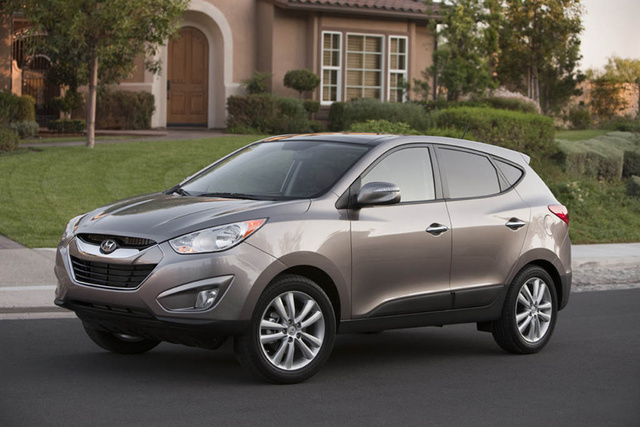
Everything’s new for the 2010 Hyundai Tuscon, with fresh designs, a size increase, and a new engine to replace both options from 2009. For 2010, the Tuscon is almost 3.5 inches longer and 1 inch wider than last year, riding a new platform it shares with the Elantra and the Kia Sportage. Hyundai has incorporated what it calls “fluidic sculpture” into its new designs, a concept that weighed heavily on the 2010 Tuscon.
Replacing and outperforming both outgoing engines is a 176-hp, 2.4-liter inline 4-cylinder (I4) that comes standard in both GLS and Limited trim levels. Either trim has the option of a 6-speed manual or automatic transmission, offering EPA estimates of 22/30 mpg for trims equipped with the manual transmission and 21/28 with the automatic. All trims are available with rear-wheel drive (RWD) or an all-wheel-drive (AWD) system that adds a locking center differential and a small penalty for fuel efficiency, although all Tuscons use regular-grade gasoline.
In addition to the new engine, a size increase and redesign are new standard features for the 2010 Hyundai Tuscon. In an effort to help maintain downhill speed, Hyundai has made Downhill Brake Control standard throughout the lineup, as well as Hillstart Assist Control, which prevents the vehicle from rolling backward downhill.
Many improvements were made to handling and ride, despite the size increase, and the 2010 Tuscon is actually more than 60 pounds lighter than the 2009 model. The suspension has been fully revamped, and the MacPherson strut front and multi-link rear suspension provide response and comfort that are closer to that of a car than a truck. Roll and lean have been combatted by increasing the front and rear stabilizer bars by 4mm, although using a hollow front bar to replace the smaller solid unit allows additional weight savings.
The interior has received the same attention as the exterior, with new accent and foundation materials improving the general feel of the cabin. Negative attention has been drawn to the headliner, however, a significant sore spot in an otherwise well-received cabin. Technical integration has also received praise, namely for audio controls within the touchscreen nav, which along with the reversing camera is a newly available feature, as well as a “seamless” iPod connection. The Limited trim adds several luxury features like dual-zone climate control, heated power leather seats, heated power mirrors, and 18-inch alloy wheels, as well as a trim-specific option of a power panoramic sunroof. Standard safety features include 6 airbags, 4-wheel antilock brakes with brake assist, traction control, and anti-skid.
*CarGurus meticulously monitors the prices of millions of pre-owned vehicle listings, offering users precise and up-to-date market insights. Historical pricing data excludes any additional dealer fees as of May 3, 2026.
4.5 Overall rating
Filter by rating
Anonymous
Reviewed a 2010 Hyundai Tucson on Aug 12, 2020
We liked the 2010 Hyundai Tucson we test drove. The car features were great. The car was in excellent condition inside and out. The value was good. Unfortunately we took too long and lost the deal. The size was ideal - not a large SUV but roomy and comfortable.
Joseph Anthony G
Reviewed a 2010 Hyundai GLS AWD on Feb 2, 2012
Hyundai Tucson vs. other SUVs - what i like about this car is the engine response. its very quick in terms of acceleration and ride comfort is great. also it has a lot of intelligent options that makes it a safer SUV than its predecessors. its the perfect SUV for those who want to get more than what they paid for
Robert S
Reviewed a 2010 Hyundai GLS FWD on Jun 7, 2010
The Tucson is what we expected. It performs well and the gas mileage is awesome. The cost was reasonable. The car is fun to drive and again; we are saving on gas which is a huge plus.
Dawn S
Reviewed a 2010 Hyundai GLS FWD on Aug 6, 2012
This car is fun to drive, gets pretty good gas mileage for its class and has more than enough horsepower. It is missing heated seats, temperature/comfort controls for both and front would be nice, better stereo system especially for balancing the front and back. Overall little nits that would in my opinion put this vehicle above the competition! Good vehicle for the price point. I have already had people think it is a Lexus! Sharp!!!
2010 Hyundai Tucson Trims
| Trim type | MSRP |
|---|---|
| Limited AWD | $25,845 |
| GL FWD | -- |
| GLS FWD | $18,995 |
| Limited FWD | $24,345 |
| GLS AWD | $21,495 |
| GL AWD | -- |
*CarGurus meticulously monitors the prices of millions of pre-owned vehicle listings, offering users precise and up-to-date market insights. Historical pricing data excludes any additional dealer fees as of May 3, 2026.
2010 Hyundai Tucson Price Trends
CarGurus tracks the prices of millions of used car listings every year. See how the average price of 2010 Hyundai Tucson prices has changed over time.
See more price trends*CarGurus meticulously monitors the prices of millions of pre-owned vehicle listings, offering users precise and up-to-date market insights. Historical pricing data excludes any additional dealer fees as of May 3, 2026.
FAQs
How many 2010 Hyundai Tucson vehicles have no reported accidents or damage?
What is the fuel economy of the 2010 Hyundai Tucson?
What fuel types are available?
*CarGurus meticulously monitors the prices of millions of pre-owned vehicle listings, offering users precise and up-to-date market insights. Historical pricing data excludes any additional dealer fees as of May 3, 2026.
Relevant articles
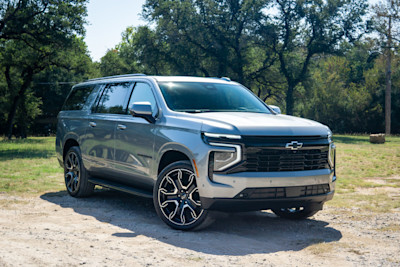
The Most Spacious SUVs in 2026
Which SUV has the most interior space? Our guide has the lowdown, with fdetails of the most spacious SUVs in each category.
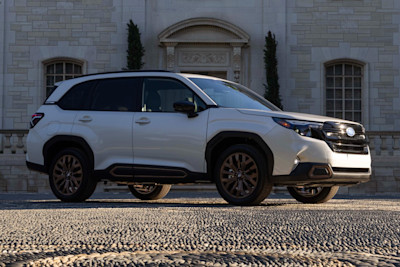
The Best Cheap (But Nice) Cars for 2026
You don't need to spend a fortune to buy a smart car. Our recommendations include top picks for under $40,000, from the Mazda Miata to the Kia Carnival.
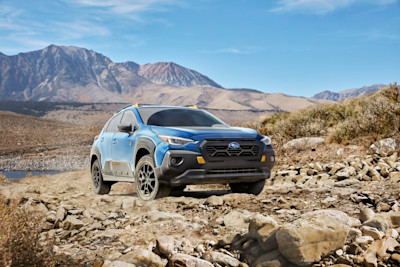
The Best Small SUVs of 2026
The compact crossover and small SUV market, once niche, has seen tremendous growth. Every major automaker offers models in this category. Curious as to which would work best for you? We’ve organized our top picks into several popular categories.

